









In an era defined by rapid technological transformation, Artificial Intelligence (AI) has moved from the periphery of laboratory research into the palm of every American’s hand. From sophisticated chatbots capable of synthesizing medical literature to predictive algorithms that monitor vital signs, AI is undeniably reshaping the patient experience. Yet, as a new survey from Wolters Kluwer reveals, the integration of these tools into our daily lives is being met with a palpable undercurrent of anxiety. While patients are eager for the speed and accessibility that AI offers, they remain deeply skeptical of how their most sensitive asset—their health data—is being managed, secured, and utilized.
Main Facts: The Growing Chasm Between Adoption and Trust
The recent survey, conducted by market research firm Ipsos on behalf of Wolters Kluwer, paints a complex portrait of the American healthcare consumer. The data indicates that 40% of respondents engage with AI tools at least once daily in their personal lives. This widespread adoption is not merely for entertainment; it is fundamentally altering the patient journey.
The core tension lies in a paradox: patients are utilizing AI to circumvent the bottlenecks of the traditional healthcare system, yet they harbor profound distrust regarding the privacy of their Protected Health Information (PHI). Over 70% of those surveyed expressed significant concern regarding the privacy of their health data. This anxiety is not uniform; it is disproportionately felt by women and those residing in rural areas. Furthermore, the fear of AI extends beyond privacy to the integrity of the information provided, with 72% of patients worried about algorithmic bias and 69% concerned about "hallucinations"—the phenomenon where AI models generate confident but factually incorrect information.
Chronology of Digital Integration
To understand where we stand, one must look at the swift timeline of AI’s arrival in the medical space:
- Pre-2020: The Niche Phase. AI was largely confined to research settings, focusing on diagnostic imaging (radiology) and administrative backend tasks.
- 2022-2023: The Generative Explosion. The public release of Large Language Models (LLMs) triggered an immediate shift. Patients began using these tools as "on-demand" primary care advisors, often bypassing formal consultations to search for symptoms or triage their health concerns.
- March 2024: The Survey Snapshot. The Wolters Kluwer/Ipsos study captures a pivotal moment where the initial excitement of AI is cooling, replaced by a growing awareness of risks.
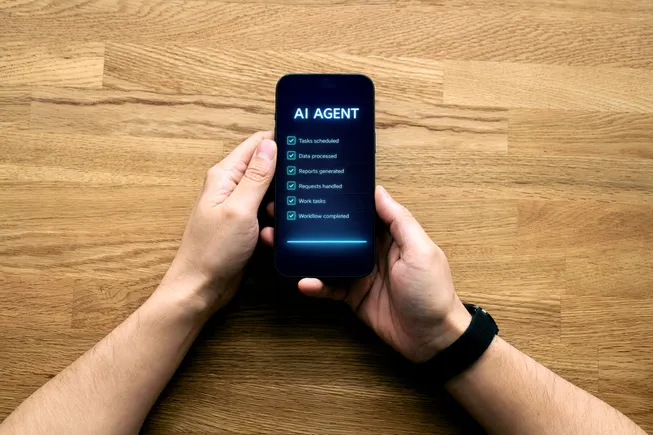
- Present Day: The Governance Gap. As healthcare systems race to integrate "agentic" AI—tools that can perform tasks like scheduling or navigating insurance—there is an observable lag in policy, security governance, and public communication.
Supporting Data: Mapping the Patient Sentiment
The statistics provided by the survey offer a granular look at how different demographics interact with and fear AI.
Utility vs. Reluctance
While AI is frequently used for symptom checking, the appetite for using AI for "high-stakes" administrative or clinical tasks remains low:
- Provider Search: Only 30% of patients are comfortable using AI to find a physician.
- Lifestyle Planning: Just 28% would trust an AI to curate a diet, workout, or sleep schedule.
- Insurance Navigation: Only 19% are willing to rely on AI to parse through complex insurance coverage details.
This data directly challenges earlier industry assumptions. Previous market research had suggested that patients were increasingly comfortable using chatbots to browse provider directories and decipher insurance policies. The discrepancy suggests that as AI becomes more ubiquitous, patients are becoming more selective—and perhaps more wary—about the specific domains they are willing to cede to automation.
The Demographics of Fear
Age is a significant factor in how patients perceive risk. Interestingly, the survey found that younger patients (aged 25 to 29) are significantly more concerned about the risks of AI than their older counterparts. This suggests that "digital natives" are perhaps more aware of the potential for data breaches, deepfakes, and algorithmic manipulation than the broader population.
Official Responses and Industry Perspectives
The medical establishment finds itself in a precarious position. Healthcare organizations are eager to deploy AI to combat clinician burnout and improve patient throughput. However, the survey data highlights a critical failure in communication: patients feel there is a lack of transparency regarding accountability.
When an AI provides an incorrect medical recommendation, who is responsible? The software developer, the hospital system, or the provider who integrated the tool? The survey found that nearly 50% of respondents believe AI tools used for health advice should be subjected to the same rigorous federal testing and approval processes as new pharmaceutical medications.
Industry leaders argue that "Human-in-the-loop" systems are the answer. The overwhelming majority of survey participants agreed that a human expert must validate any AI-generated health response. This suggests that AI should be viewed not as a replacement for clinical judgment, but as a "clinical sidekick" that requires constant supervision.
Implications for the Future of Healthcare
The findings suggest that the future of AI in medicine will not be decided by technological capability alone, but by the ability of institutions to build "trust architecture."

1. The Necessity of Clinical Governance
The report indicates that patients expect clinical AI tools to be formally vetted by their health systems. Currently, some AI tools are being implemented by individual departments or rogue actors without formal IT oversight. This "shadow AI" is a massive risk to patient trust and institutional liability. Health systems must establish clear, transparent governance policies that are communicated directly to the patient.
2. Standardizing Accountability
The demand for federal oversight—akin to the FDA’s drug approval process—is a clear signal from the public. As AI becomes more autonomous (or "agentic"), the regulatory framework must evolve. If patients do not see a clear path to recourse in the event of an AI-driven medical error, they will inevitably disengage from these tools, stalling the progress of digital health.
3. Bridging the Education Gap
The disparity in trust levels between demographics, particularly the heightened concerns among women and rural populations, suggests that healthcare providers need to engage in more targeted education. AI cannot be rolled out as a monolithic solution; it must be introduced with transparency regarding its limitations. If a patient is told, "This tool is a search aid, not a doctor," and the limitations of its training data are explained, trust is far more likely to be maintained.
4. The Path Toward "Proactive Patienthood"
Despite the fears, the benefits remain undeniable. The fact that 1 in 4 patients pursued medical help sooner due to AI research suggests that, when used correctly, AI is a powerful tool for patient empowerment. The goal for the next five years will be to capture that efficiency without sacrificing the privacy and security that patients demand.
Conclusion
The integration of Artificial Intelligence into healthcare is no longer a question of if, but how. As we stand at this juncture, the Wolters Kluwer survey provides a stark warning: technology that is not built on a foundation of trust will eventually be rejected by the very people it is meant to serve.
For hospitals, tech developers, and policymakers, the path forward is clear. They must prioritize security, ensure human-centric oversight, and adopt a radical transparency regarding the limitations of their algorithms. The future of AI in medicine is bright, but it is currently clouded by the legitimate anxieties of the patient. By addressing these concerns head-on, the healthcare industry can transform AI from a source of skepticism into a cornerstone of a more efficient, accessible, and ultimately, more human-centric healthcare system. The race to innovate must now become a race to assure.