











Obsessive-Compulsive Disorder (OCD) remains one of the most misunderstood and stigmatized mental health conditions in modern society. Frequently trivialized in popular culture as a mere preference for organization or a heightened sensitivity to germs, OCD is, in clinical reality, a debilitating condition that can severely erode an individual’s quality of life. Characterized by a cycle of intrusive, distressing thoughts—obsessions—and the subsequent ritualistic behaviors performed to neutralize them—compulsions—OCD affects over 3 million Americans annually.
For those living with the disorder, it is not a personality quirk; it is a profound psychological burden that requires evidence-based medical and therapeutic intervention.
The Core Mechanisms of OCD: Defining Obsessions and Compulsions
To understand OCD, one must first distinguish between the clinical definition and the colloquial misuse of the term. A person who simply enjoys keeping a tidy desk or double-checks a locked door occasionally does not necessarily meet the diagnostic criteria for OCD. A clinical diagnosis requires that obsessions and compulsions be time-consuming—typically occupying at least one hour per day—and that they cause significant impairment in social, occupational, or other areas of functioning.
The Nature of Obsessions
Obsessions are intrusive, unwanted thoughts, urges, or images that trigger intense anxiety or distress. They are described as "ego-dystonic," meaning that while the individual recognizes these thoughts as their own, they feel foreign and deeply unwelcome. Common themes include:
- Contamination: An irrational fear of germs, bodily fluids, or environmental toxins.
- Symmetry and Order: A need for objects to be perfectly aligned or balanced.
- Forbidden Thoughts: Intrusive thoughts involving harm to self or others, or taboo sexual or religious imagery.
The Function of Compulsions
Compulsions are the behaviors—physical or mental—that an individual feels driven to perform in response to an obsession. The primary function of the compulsion is to "undo" the anxiety or prevent a feared event. If an individual has a fear of germs, the compulsion might involve excessive hand washing. If an individual has a fear of causing harm, the compulsion might involve repeated checking of stove knobs or light switches. Crucially, these actions are not performed for pleasure; they are performed as a desperate attempt to achieve a fleeting sense of "relief."
A Chronology of the Condition: From Childhood to Adulthood
The trajectory of OCD often reveals itself early in life. Data suggests that approximately one-third of adults who suffer from the disorder began showing symptomatic signs during childhood or adolescence. While the average age of diagnosis sits around 19 years old, the condition is frequently missed in younger populations, leading to years of unnecessary suffering before proper psychiatric intervention is sought.

As individuals transition from childhood into early adulthood, the severity of OCD symptoms often fluctuates. It is common for symptoms to wax and wane depending on external stressors. Periods of life transitions—such as starting college, beginning a new career, or experiencing significant life changes—often correlate with spikes in obsessive-compulsive activity. Understanding this timeline is critical for clinicians, as early detection and consistent, long-term management can significantly alter the prognosis for the patient.
Supporting Data and Demographic Insights
Despite the complexity of the disorder, current research has provided clear demographic insights. OCD does not discriminate based on gender; it affects men and women with roughly equal frequency. While the exact etiology remains a subject of ongoing neurological and psychological inquiry, researchers have identified several potential contributing factors:
- Genetic Predisposition: Studies of twins and families suggest that if a first-degree relative has OCD, the risk of developing the disorder is significantly higher.
- Neurological Factors: Neuroimaging studies have identified abnormalities in specific brain circuits, particularly those involving the orbitofrontal cortex and the basal ganglia, which are responsible for decision-making and impulse control.
- Environmental Triggers: Traumatic life events or high-stress environments can act as catalysts for the onset of symptoms in individuals who may already have a genetic vulnerability.
The persistent nature of these symptoms creates a "loop" in the brain. The obsession creates a spike in anxiety; the compulsion creates a temporary drop in that anxiety; this reinforcement cycle strengthens the neural pathways, making the behavior increasingly difficult to break without professional intervention.
Clinical Perspectives: The Multi-Modal Approach to Treatment
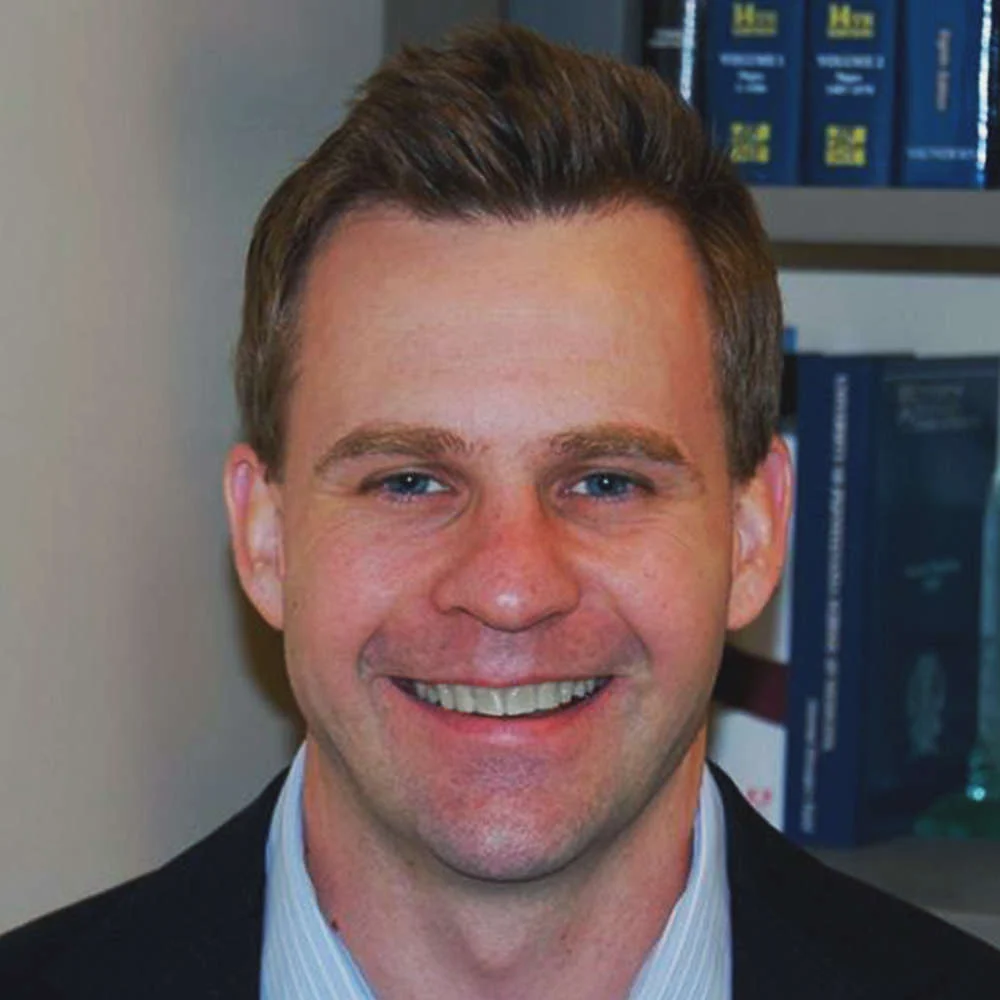
Leading experts, such as Dr. Brian P. Brennan, an assistant professor of psychiatry at Harvard Medical School and a specialist at the McLean Hospital’s OCD Institute, advocate for a multi-modal approach to treatment. Relying solely on medication is rarely sufficient; instead, a synthesis of psychotherapy and pharmacological support is the gold standard.
Psychotherapy: The Gold Standard
Cognitive Behavioral Therapy (CBT) is the cornerstone of psychological treatment for OCD. Within the umbrella of CBT, a specific technique known as Exposure and Response Prevention (ERP) has proven highly effective. In ERP, therapists guide patients through a controlled process of confronting their triggers (exposure) while actively resisting the urge to perform the ritualistic compulsion (response prevention). Over time, this process leads to "habituation," where the anxiety naturally dissipates without the need for the compulsion.
The Role of Pharmacotherapy
Medications, particularly Selective Serotonin Reuptake Inhibitors (SSRIs), are frequently prescribed to manage the underlying anxiety and mood components of the disorder. While these drugs can help "turn down the volume" of the intrusive thoughts, they are not a cure. They serve as a stabilizing tool, allowing the patient to engage more effectively in the demanding work of psychotherapy.

Holistic Integration
In recent years, the clinical community has begun to recognize the value of integrative practices. Mindfulness meditation, yoga, and breath-work are increasingly used as adjunctive therapies. These practices help patients develop a "non-judgmental" awareness of their thoughts, making it easier to observe an obsession without necessarily reacting to it with a compulsion.
Implications for Patients and Families
The implications of an OCD diagnosis extend far beyond the individual. Families often find themselves caught in the web of the disorder, sometimes inadvertently participating in the patient’s rituals—a phenomenon known as "family accommodation." It is essential for family members to be educated on how to support their loved ones without enabling the compulsions.
Furthermore, the societal implication is clear: we must move toward a more nuanced understanding of mental health. When we treat OCD as a "quirk," we prevent those who are suffering from seeking the help they desperately need. When we treat it as a medical reality, we open the door to recovery.
Moving Forward
If you or someone you know exhibits symptoms of OCD, the first step is to consult with a qualified psychiatrist or licensed clinical psychologist. A formal assessment can differentiate between normal anxiety and a diagnosable condition. Because OCD is a chronic, often lifelong condition, the focus of treatment is not just symptom suppression, but the development of sustainable, long-term coping mechanisms that allow the individual to live a full, autonomous life.
Modern medicine offers more hope today than at any point in history. Through a combination of rigorous exposure therapy, precise pharmacological support, and a supportive community, the cycle of obsession and compulsion can be broken. If the symptoms are interfering with your daily life, the time to seek professional guidance is now. Recovery is not only possible; it is a measurable, achievable goal.