










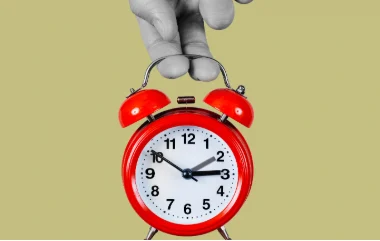
As the calendar turns toward November, millions of Americans prepare for the familiar ritual of “falling back.” On Sunday, Nov. 1, clocks across most of the United States will officially roll back one hour, signaling the end of daylight saving time (DST) and the return to standard time. While the transition is often colloquially welcomed as an “extra hour of sleep,” the biannual disruption of our internal clocks has become a subject of intense scientific scrutiny and legislative debate. As public fatigue regarding the time change reaches an all-time high, the conversation in Washington is shifting from merely observing the transition to permanently abolishing it.
Main Facts: The Anatomy of the Time Change
The biannual clock change is a vestige of a bygone era, originally intended to maximize daylight during working hours. However, in the modern 24/7 economy, the practice is increasingly viewed as an unnecessary burden.
The core of the issue lies in the misalignment between our social clocks and our biological clocks. When we "fall back" or "spring forward," we essentially impose a form of "social jet lag" on the entire population. This sudden shift forces the human body to reset its internal systems, a process that is not instantaneous. For many, the result is a period of lethargy, reduced cognitive performance, and, in some cases, significant health disruptions.
Recent polling data from Gallup underscores the growing public consensus: roughly half of all Americans are now in favor of eliminating the biannual clock change entirely. Whether through the adoption of permanent daylight saving time or permanent standard time, the message from the public is clear: the current system is no longer sustainable.
Chronology: A History of Legislative Ambiguity
The United States’ relationship with daylight saving time has been far from consistent. The practice was first implemented on a national level during the World Wars to conserve fuel, though it was inconsistently applied for decades afterward. It wasn’t until the Uniform Time Act of 1966 that the country standardized the start and end dates for DST.
- 1966: The Uniform Time Act establishes a federal standard for DST, though it allows states to opt out.
- 1974: In response to the 1973 energy crisis, the U.S. implemented year-round daylight saving time. The experiment was short-lived; public outcry over dark, dangerous winter mornings led Congress to repeal the measure just one year later.
- 2005: The Energy Policy Act extended the period of daylight saving time to its current duration, starting in early March and ending in early November.
- 2022-2025: A surge in legislative activity has seen multiple bills introduced in Congress, reflecting a bipartisan effort to end the practice. The current landscape is defined by a clash between two primary legislative proposals: the Sunshine Protection Act and the Sunshine for Our Kids Act.
Supporting Data: The Science of Circadian Rhythms
To understand why experts advocate for an end to the clock change, one must look to the science of the circadian rhythm. Our internal biological clock is a sophisticated system that regulates the release of hormones, core body temperature, and sleep-wake cycles. This rhythm is primarily synchronized by light—specifically, the contrast between bright morning light and the darkness of night.
When we move the clock, we create a disconnect between our environment and our biology. Morning light acts as a powerful "zeitgeber," or time-giver, that signals the body to stop producing melatonin and begin the process of wakefulness. By shifting the clock, we force our bodies to wake up in darkness, which can lead to grogginess and a state of "social jet lag" that persists for days or even weeks.
Data from sleep researchers consistently shows that the spring transition, in particular, is associated with a spike in adverse health outcomes, including an increase in heart attacks, strokes, and workplace accidents. While the autumn transition is less physically taxing, it still disrupts the sleep hygiene of millions, particularly children and those with existing sleep disorders.
Official Responses: The Battle of the Bills
Congress is currently weighing two distinct paths forward, each with a different vision for the future of American time.
The Sunshine Protection Act (H.R. 139)
This legislation proposes making daylight saving time permanent. Proponents argue that later sunsets during the winter months would boost the economy, encourage outdoor activity, and improve public mood. However, the medical community has raised significant red flags. By keeping the clock shifted forward, we would effectively force the country to start winter mornings in total darkness. Sleep experts argue this would result in chronic sleep deprivation for students and commuters, as the body struggles to wake up before the sun.
The Sunshine for Our Kids Act (H.R. 9638)
In contrast, this proposal advocates for permanent standard time. Sleep scientists, including those from the American Academy of Sleep Medicine (AASM), overwhelmingly support this approach. Standard time aligns more closely with the solar cycle—the sun is at its highest point at midday. This ensures that mornings are bright, which is essential for healthy sleep-wake cycles, and evenings transition into darkness at a time that supports the body’s natural wind-down process.
The debate is not merely about preference; it is about public health. The consensus among sleep medicine practitioners is that "permanent standard time" is the only option that minimizes the risk of long-term health consequences.
Implications: Preparing for the Shift
As we approach Nov. 1, the immediate concern for most Americans is how to navigate the upcoming transition. While the long-term solution lies in legislative action, individuals must still contend with the physiological realities of the change.
Tips for a Smoother Transition
- Adjust Gradually: In the days leading up to the switch, shift your bedtime and wake-up time by 15–20 minutes each day. This "stair-step" approach helps the body acclimate more gently than a sudden one-hour shift.
- Prioritize Morning Light: Upon waking on Sunday and the days following, seek out bright natural light. This helps anchor your circadian rhythm to the new schedule.
- Optimize Sleep Hygiene: Maintain a consistent wind-down routine. Avoid blue-light-emitting devices at least an hour before bed, as these can trick the brain into thinking it is still daytime, further complicating the adjustment.
- Listen to Your Body: If you find yourself struggling to stay awake during the day or unable to fall asleep at night, do not hesitate to reach out to a professional. The AASM maintains a network of accredited sleep centers that can provide guidance for those suffering from chronic sleep disruptions.
Conclusion: A Future Without Time Shifts
The momentum to end the biannual clock change is at an all-time high. The public is tired of the confusion, and the medical community is vocal about the health hazards posed by the status quo. Whether through the enactment of the Sunshine for Our Kids Act or a similar measure, the shift toward a more stable, science-backed approach to timekeeping seems inevitable.
Until that day arrives, the "fall back" remains a necessary, if disruptive, reality. By understanding the science behind our circadian rhythms and taking proactive steps to manage our sleep, we can mitigate the impact of the transition. Ultimately, the goal of this movement is not just to stop changing the clocks, but to restore a natural alignment between our lives and the sun—a change that would benefit the health, safety, and well-being of the entire nation.