









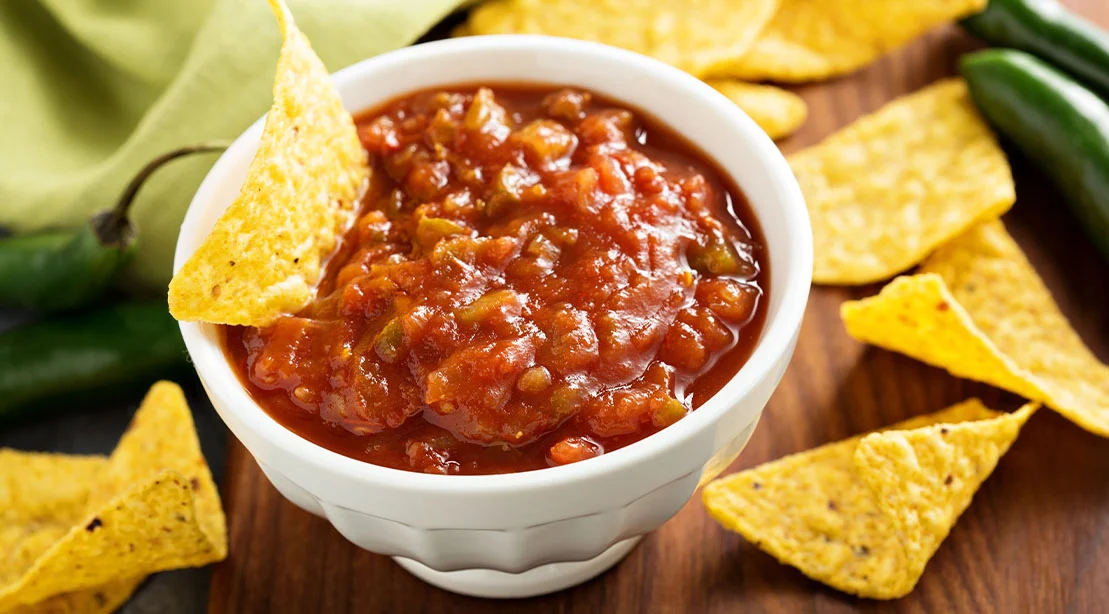
Salsa is arguably the most democratic condiment in the modern kitchen. It transcends cultural boundaries, bridging the gap between a casual game-day snack and a sophisticated, health-conscious culinary staple. While often relegated to the status of a "chip dip," salsa is, in reality, a high-impact, low-calorie powerhouse that can single-handedly rescue a monotonous meal from the doldrums of mediocrity.
Whether you are looking to elevate a dry chicken breast, add depth to a morning omelet, or provide a zesty finish to a baked potato, salsa offers a vibrant, nutrient-dense solution. However, as the condiment market has exploded since its mainstream adoption in the United States during the 1970s, the diversity of options has created a "paradox of choice." Not all store-bought jars are created equal; many are compromised by excessive sodium, hidden sugars, and synthetic preservatives. To truly leverage salsa as a health-boosting tool, one must learn to navigate the ingredient labels with the precision of a nutritionist.
The Evolution of a Supermarket Staple: A Brief Chronology
The journey of salsa from a regional Mexican specialty to a multi-billion dollar American industry is a fascinating study in culinary globalization.
- 1970s – The Incubation Phase: During this decade, salsa began to transition from ethnic grocery stores to mainstream supermarket shelves. It was marketed primarily as a dip, forever pairing it with the ubiquitous tortilla chip in the American consciousness.
- 1990s – The Market Domination: By the early 90s, salsa officially overtook ketchup as the number one selling condiment in the United States by dollar volume. The variety shifted from basic red tomato-based sauces to include salsa verde (tomatillo-based), fruit-based salsas, and varying heat profiles.
- 2010s to Present – The Health-Conscious Shift: As consumer demand for "clean label" products grew, the industry faced a reckoning. The rise of artisanal, small-batch brands forced larger manufacturers to reconsider the inclusion of high-fructose corn syrup, artificial dyes, and excessive preservatives. Today, the modern shopper is faced with a sophisticated, albeit sometimes confusing, array of choices ranging from shelf-stable classics to refrigerated, "fresh" varieties.
Nutritional Implications: Why Your Choice Matters
The primary appeal of salsa is its ability to provide flavor without a significant caloric footprint. Unlike mayonnaise, heavy cream-based dips, or sugar-laden barbecue sauces, a standard serving of salsa is predominantly composed of water-rich vegetables.
The Micronutrient Advantage
Tomatoes, the cornerstone of traditional salsa, are a potent source of lycopene—a powerful antioxidant associated with cardiovascular health and cancer prevention. When you add onions, jalapeños, and cilantro, you aren’t just adding flavor; you are adding fiber, Vitamin C, and various phytonutrients.
However, the "health halo" surrounding salsa can be deceptive. Many commercial brands use salt as a cheap flavor enhancer to mask inferior, watery tomatoes. For the average consumer, whose daily sodium intake is already well above the American Heart Association’s recommended 2,300mg limit, choosing a high-sodium salsa can inadvertently contribute to hypertension and water retention.
5 Golden Rules for Selecting the Healthiest Salsa
Choosing the healthiest store-bought salsa is a skill that relies on a consistent, systematic approach. Here are the five criteria that distinguish a superior product from a nutritionally questionable one.
1. The "Kitchen Test" Ingredient List
If you wouldn’t keep the ingredient in your home pantry, it shouldn’t be in your salsa. A high-quality product should contain recognizable, whole-food ingredients: diced tomatoes, onions, fresh chilies (jalapeño or serrano), cilantro, lime juice, vinegar, and sea salt. If you encounter ingredients like sodium benzoate, potassium sorbate, or xanthan gum, you are looking at a product designed for extreme shelf-stability at the expense of nutritional purity.
2. The Sodium Threshold
Sodium is the silent saboteur of the salsa aisle. Some commercial brands pack over 300mg of sodium per two-tablespoon serving. Given that few people stick to a two-tablespoon portion—especially when chips are involved—that number can easily double or triple. Aim for brands that cap sodium at 160mg or less per serving. Some premium, low-sodium options even hit the 80–100mg mark without sacrificing the punchy, acidic profile you expect from a great salsa.
3. The Zero-Tolerance Policy for Added Sugars
There is absolutely no culinary or nutritional justification for adding sugar, corn syrup, or high-fructose corn syrup to a traditional salsa. Tomatoes possess natural sweetness; any additional sugar is usually added to disguise the acidity of low-quality, under-ripe tomatoes. When browsing, treat any salsa with added sugar as a "pass."
4. The Heat Factor: More Than Just a Kick
The heat level (mild, medium, hot) does not significantly alter the caloric or sodium density of a product. However, from a physiological perspective, spicy salsas offer a distinct advantage. Capsaicin, the compound responsible for the heat in chili peppers, has been shown in various clinical studies to aid in appetite regulation and improve metabolic markers. While those with sensitive digestive systems may prefer a milder profile, those who enjoy the "burn" receive an added metabolic bonus.
5. The "Organic" Nuance
Organic certification ensures that the produce was grown without synthetic pesticides or fertilizers, which is beneficial for reducing chemical exposure. However, it is vital to remember that "organic" is not a synonym for "healthy." An organic salsa loaded with organic cane sugar is still a product with added sugar. Always prioritize the full nutrition label over the front-of-package marketing claims.
Practical Application: The High-Protein Tex-Mex Flatbread
To illustrate how a healthy, store-bought salsa can transform your meal prep, consider this high-protein, low-effort dinner: the Tex-Mex Flatbread Pizza.
Ingredients:
- 1 high-fiber, whole-grain flatbread or pita
- 1/3 cup grilled chicken breast, shredded
- 1/4 cup high-quality, low-sodium salsa (look for chunky varieties)
- 2 tbsp shredded part-skim mozzarella or feta cheese
- 1/4 cup black beans (rinsed and drained)
- Fresh cilantro and a squeeze of lime for garnish
Cooking Directions:
- Preheat: Set your oven or toaster oven to 400°F (200°C).
- Base: Lay the flatbread on a baking sheet. Spread the salsa evenly across the surface, leaving a small border for the crust.
- Toppings: Distribute the shredded chicken and black beans evenly over the salsa. Sprinkle the cheese over the top.
- Bake: Place in the oven for 8–10 minutes, or until the cheese is bubbling and the edges of the flatbread are crisp.
- Finish: Remove from the oven, garnish with fresh cilantro, and finish with a squeeze of lime to brighten the acidity.
This meal provides a balanced ratio of lean protein, complex carbohydrates, and fiber, all held together by the flavor-packed foundation of your chosen salsa.
Conclusion: Turning the Tide on Blandness
The goal of healthy eating is not to consume bland, joyless food, but to find ways to maximize flavor through nutrient-dense ingredients. Salsa is perhaps the greatest tool in the modern athlete’s or busy professional’s arsenal. By spending an extra thirty seconds reading the back of the jar, you can ensure that your "shortcut" condiment is actually working for your health, rather than against it.
Next time you stand in the condiment aisle, remember: look for the whole-food ingredients, keep the sodium low, and ensure the sugar is nowhere to be found. With these rules in mind, you can turn any "ho-hum" meal into a vibrant, delicious, and nutritionally sound culinary experience. Your taste buds—and your long-term health—will thank you.