










When the average person experiences a food allergy, the narrative is almost always the same: a quick-acting, dramatic physiological event. The throat tightens, hives erupt, and an EpiPen is deployed. This is the hallmark of an IgE-mediated allergy—a direct, antibody-driven immune attack that is as fast as it is obvious. However, for a significant subset of the population, particularly those living with Ehlers-Danlos syndrome (EDS) and related hypermobility spectrum disorders (HSD), the reality of food sensitivity is far more insidious, elusive, and chronically debilitating.
We are entering a new era of understanding regarding non-IgE-mediated food allergies. These conditions operate in the shadows of the immune system, often evading standard diagnostic tools and leaving patients to suffer through years of gastrointestinal (GI) distress, malabsorption, and unexplained inflammation.
The Hidden Architecture of Non-IgE Immune Responses
To understand the challenge, one must distinguish between the two primary modes of immune-mediated food reactions. IgE-mediated allergies are governed by Immunoglobulin E, an antibody that recognizes specific food proteins as hostile invaders. In contrast, non-IgE-mediated food allergies are governed by other arms of the immune system, including T-cell responses and complex inflammatory cascades.
Because these reactions do not produce the immediate, systemic "red flags" of anaphylaxis, they are notoriously difficult to identify. Symptoms are often delayed, appearing hours or even days after consumption. This temporal lag makes it nearly impossible for a patient to intuitively link a specific meal to a symptom like abdominal cramping, diarrhea, or reflux. Because standard clinical allergy panels—skin prick tests and serum IgE tests—are calibrated exclusively to detect the IgE pathway, patients are frequently told their results are "normal," despite living with debilitating symptoms.
Chronology of Recognition: From Infancy to Adulthood
The clinical understanding of these conditions has historically been segmented by age, but recent research is blurring these lines. Traditionally, the medical literature has categorized these disorders as follows:
- Food Protein-Induced Allergic Proctocolitis (FPIAP): Typically appearing in infants, characterized by blood-tinged stools and inflammation of the lower bowel.
- Food Protein-Induced Enteropathy (FPE): A malabsorptive condition primarily impacting infants.
- Food Protein-Induced Enterocolitis Syndrome (FPIES): A severe, systemic condition that can present in both children and adults, causing repetitive vomiting and dehydration, often misdiagnosed as sepsis or viral gastroenteritis.
However, for the EDS community, the focus must shift to conditions that persist into adulthood. Eosinophilic Esophagitis (EoE) and Mast Cell Activation Syndrome (MCAS) represent the most significant clinical intersections for those with connective tissue disorders. These are not merely childhood conditions; they are lifelong battles that require a sophisticated, multi-disciplinary approach to management.
Supporting Data: The Eight-Fold Risk in Connective Tissue Disorders
Perhaps the most compelling evidence for a systemic link between connective tissue integrity and immune dysregulation comes from a massive longitudinal study examining over one million patient records. The findings were staggering: individuals diagnosed with connective tissue disorders, such as hEDS, Marfan syndrome, or joint hypermobility syndrome, exhibited an eight-fold increased risk of developing EoE compared to the general population.
This is not a statistical anomaly; it is a clinical call to action. The research suggests that the link may lie in the dysregulation of the TGF-β (Transforming Growth Factor-beta) signaling pathway. TGF-β is a "master regulator" of tissue remodeling and immune suppression. In patients with collagen defects, this pathway is frequently hyperactive, leading to abnormal esophageal tissue remodeling and an environment where eosinophils—white blood cells usually absent from the healthy esophagus—can thrive and cause chronic inflammation.
Further analysis of patient biopsies revealed that when EoE co-occurs with an EDS-type condition, the inflammation is rarely localized. These patients often exhibit "pan-gastrointestinal" involvement, where eosinophilic infiltration extends into the stomach, small intestine, and colon. This provides a scientific basis for the pervasive "GI burden" reported by the EDS community, which is often dismissed as mere "functional" indigestion or irritable bowel syndrome (IBS).
Official Clinical Perspectives: Challenging the Status Quo
Mainstream gastroenterology is slowly shifting its stance on these "non-classic" presentations. The prevailing consensus is moving away from the "all-in-your-head" narrative toward a more nuanced, biological understanding of the gut-immune-connective tissue axis.
Clinical guidelines now emphasize that for patients with connective tissue disorders, unexplained dysphagia (difficulty swallowing), food impaction, or chronic, non-responsive GERD should be evaluated through direct visualization. Endoscopy with biopsy is the gold standard for diagnosing EoE. Reliance on blood work for these patients is an exercise in futility and leads to dangerous delays in treatment.
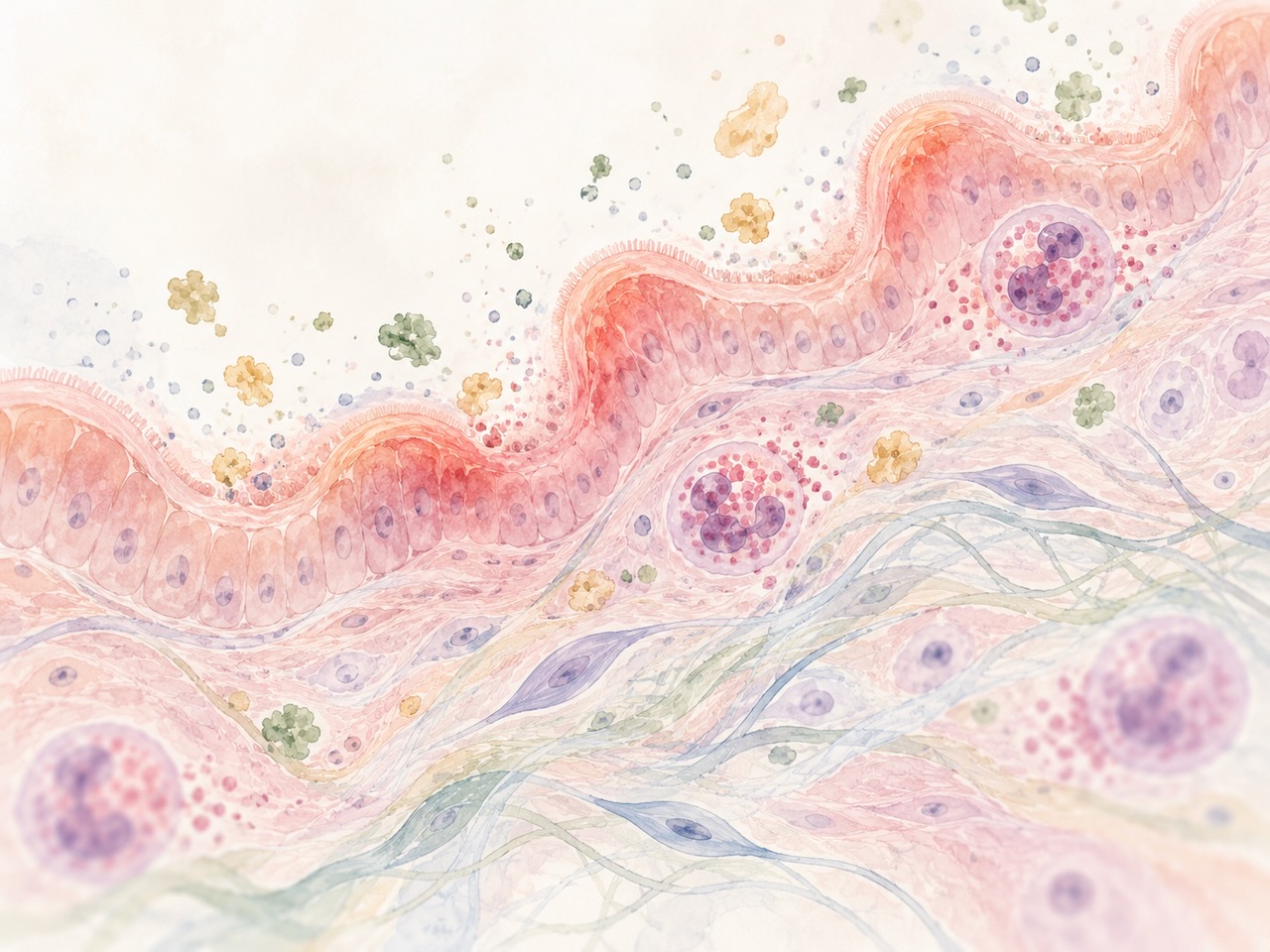
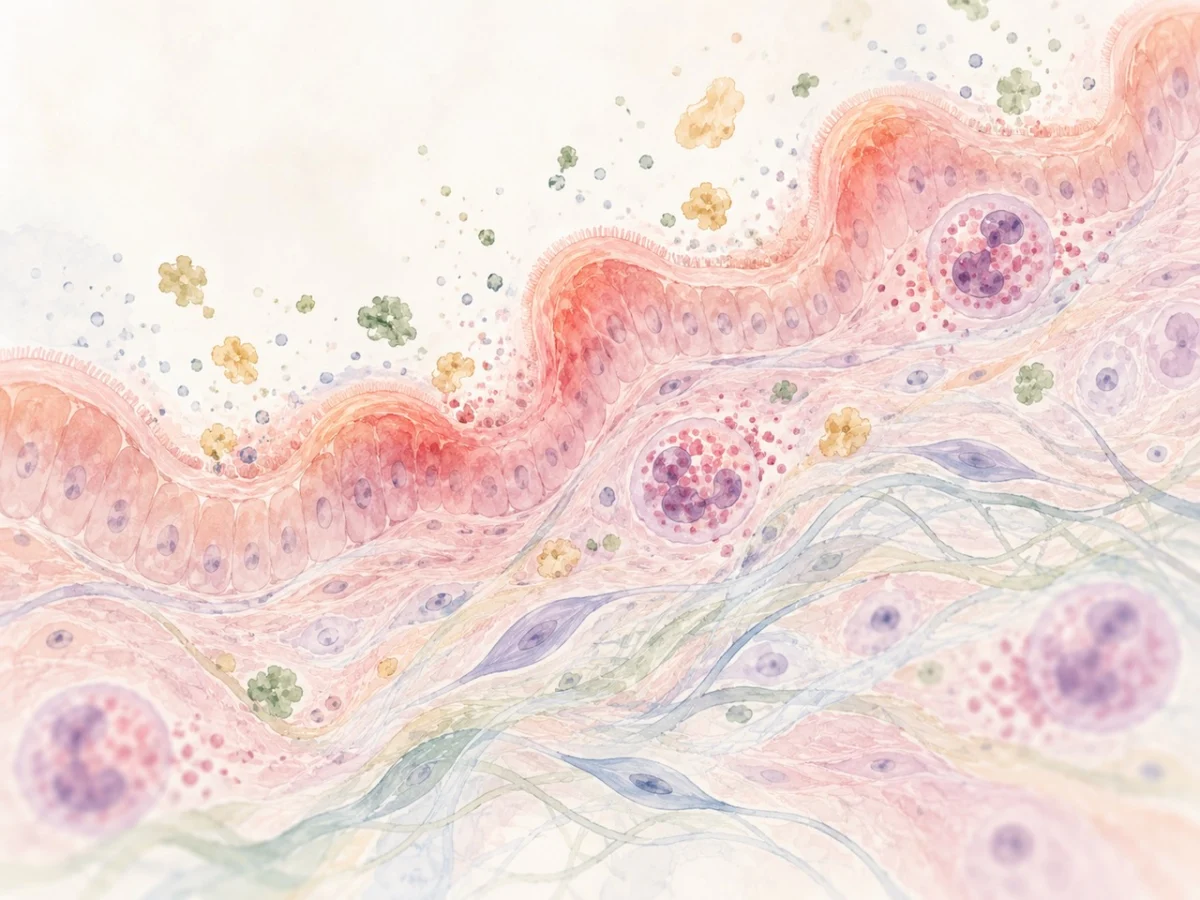
Furthermore, the intersection of Mast Cell Activation Syndrome (MCAS) complicates the clinical picture. Mast cells are the body’s "first responders," residing in every tissue of the body. In MCAS, these cells are hypersensitive and prone to degranulation—dumping inflammatory chemicals like histamine, tryptase, and prostaglandins into the system in response to triggers that may not be "allergens" in the traditional sense. When the structural integrity of the gut lining is already compromised by an underlying connective tissue disorder, the "leaky" nature of the mucosa may allow for easier penetration of food proteins, which then trigger mast cell over-activity, creating a feedback loop of inflammation and hypersensitivity.
Implications for Patients and Care Teams
The implications of these findings are profound for both the patient and the physician.
1. The Necessity of Diagnostic Vigilance
If you are living with EDS or an HSD, GI symptoms should not be accepted as a "normal" part of the condition. If you experience food sticking in your chest, chronic heartburn that resists Proton Pump Inhibitors (PPIs), or cyclical vomiting, you must advocate for a referral to a specialist who understands the link between connective tissue and eosinophilic inflammation.
2. Redefining "Allergy"
We must move beyond the narrow definition of an allergy as an IgE-driven event. Patients must be empowered to keep detailed food and symptom logs. Because these reactions are delayed, a diary that tracks food intake alongside symptoms over a 48-to-72-hour window is essential. This data is the primary tool for identifying triggers when medical tests fail to provide answers.
3. The Role of the Care Team
Management of these conditions requires a team-based approach. A gastroenterologist, an immunologist familiar with mast cell disorders, and a nutritionist specializing in food sensitivities are often necessary. Treatment strategies—such as the "Six-Food Elimination Diet" for EoE or mast cell stabilizers—must be tailored to the individual, as the hyper-reactive nature of the EDS immune system means that what works for one patient may not work for another.
Conclusion: The Path Forward
The gastrointestinal challenges faced by the EDS community are not merely secondary annoyances; they are significant, physiologically complex medical conditions that demand rigorous clinical attention. By identifying the role of non-IgE-mediated pathways, researchers are finally beginning to bridge the gap between "subjective" patient complaints and objective medical pathology.
For the patient, this transition from being "difficult to diagnose" to having a documented, biologically-supported condition is the first step toward reclaiming health. As we continue to uncover the shared molecular drivers behind these immune responses, the focus must remain on early intervention, specialized testing, and a shift away from the traditional, limited framework of allergic disease.
The silence surrounding these conditions is being broken. By understanding the biology of the gut, the immune system, and the connective tissue, patients and clinicians can move toward a future where "unexplained" GI symptoms are replaced by precise, effective, and compassionate care.
By Jacqueline Moltzau Anderson, PhD
Researcher at the University of California
October 2026
Disclaimer: This article is for educational purposes only and does not constitute medical advice. Please consult with your healthcare provider regarding any new symptoms or changes to your treatment plan.