







By Jackie Keating, LCSW
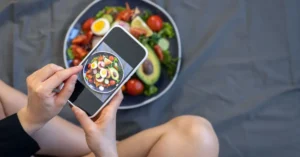
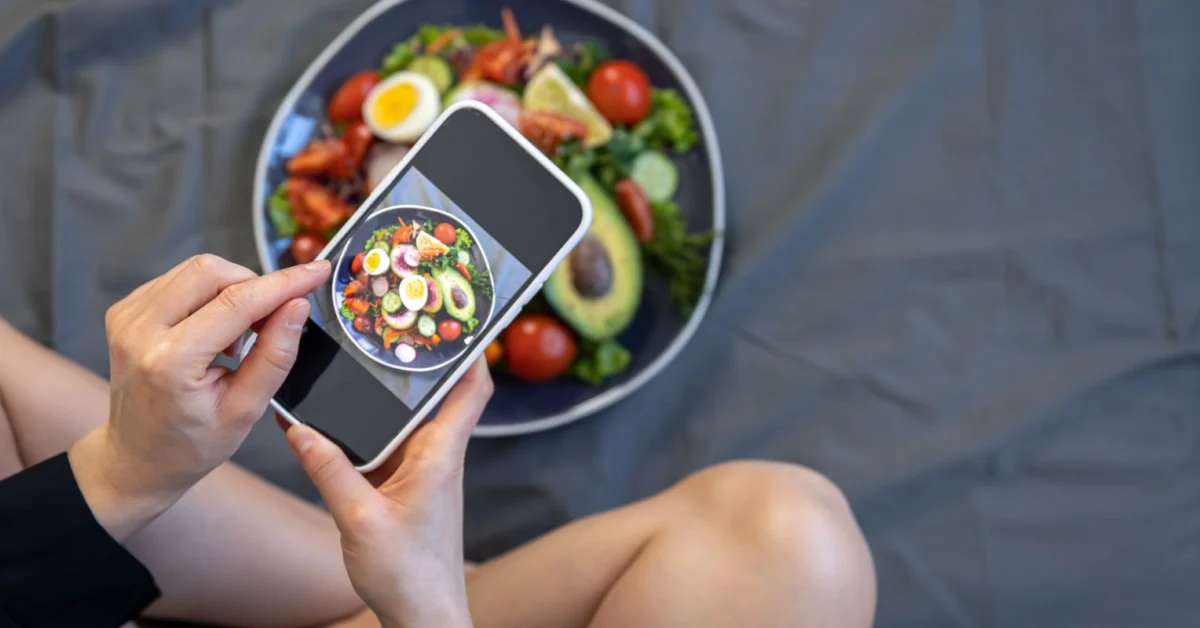
It is a familiar Sunday night ritual: the lights are dimmed, the room is quiet, and the glow of a smartphone screen illuminates your face as you scroll through social media, seeking a moment of mindless escape. Almost immediately, the algorithm delivers a curated reality. One influencer offers a “what I eat in a day” video—a montage of aesthetically pleasing, hyper-restrictive meals devoid of carbohydrates and calories. Another influencer jokes about the “glamorous” chaos of a night of heavy drinking, while a “relatable” parenting account suggests that wine is the only way to survive the stresses of child-rearing. Interspersed between these personal glimpses are aggressive advertisements for fitness programs promising a complete life overhaul in “three simple steps.”
By Monday morning, these digital seeds have taken root in the real world. A coworker discusses a radical new diet; a friend texts about “getting summer-ready”; a celebrity endorses a plant-based regimen. The messages are relentless, pervasive, and often contradictory. We are living in an era where the boundary between wellness and pathology has become dangerously thin, and social media serves as the primary architect of this confusion.
The Mechanics of Diet Culture in the Digital Age
Social media was designed to foster connection, yet it has evolved into a powerful engine for diet culture and unrealistic beauty standards. At its core, diet culture masquerades as a pursuit of health and happiness. However, for many, the reality it delivers is a toxic cycle of shame, guilt, and chronic anxiety surrounding food and body image.
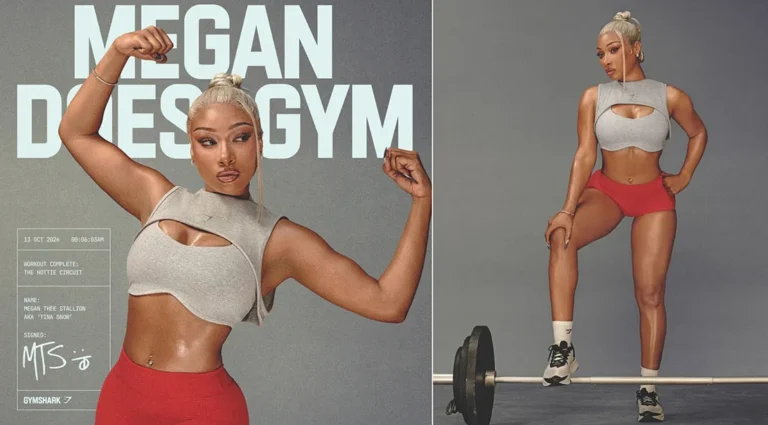
The wellness industry has become a financial juggernaut, reaching a valuation of over $160 billion in 2024. Projections indicate this figure could climb to a staggering $360 billion by 2034. This rapid growth is fueled by an economy of insecurity. Digital creators and corporations alike monetize the desire for self-improvement, promoting specific habits, supplements, and restrictive plans while frequently engaging in “fat-shaming” or the demonization of entire food groups. The implicit promise is always the same: if you mirror the behavior of the influencer, you will mirror their aesthetic, and therefore, attain their happiness.
This, of course, is a fabrication. Health is a deeply individualized state, not a standardized outcome of a three-step program. Beneath the polished images of "clean eating" and extreme fitness often lie realities of starvation, metabolic damage, and profound psychological distress. The data is sobering: 46% of teens aged 13–17 report feeling worse about themselves after using social media. Furthermore, individuals who spend more than three hours a day on these platforms are twice as likely to develop eating disorders compared to those with lower screen time.
A Chronology of Influence: From Body Positivity to Toxic Comparison
To understand how we reached this point, we must look at the evolution of digital influence:
- The Early Days (2010–2015): Social media began with the rise of "fitspiration," which moved from general health tips to highly stylized, unattainable body goals.
- The Expansion of Wellness (2016–2020): As wellness became a lifestyle brand, influencers began promoting specific diets (keto, intermittent fasting) as panaceas for mental and physical health.
- The Algorithmic Pivot (2021–Present): Short-form video platforms like TikTok began prioritizing high-engagement content, which often includes "rage-bait" regarding food choices, intense body-checking trends, and the normalization of using substances (alcohol/drugs) to cope with the pressure of maintaining a "perfect" life.
The Dangerous Overlap: Eating Disorders and Substance Use
One of the most alarming trends in recent clinical observation is the blurring of lines between eating disorders (EDs) and substance use disorders (SUDs). While these conditions appear distinct on the surface—one often rooted in restriction and the other in excess—they are functionally identical in their origin as maladaptive coping mechanisms.
Both EDs and SUDs serve as desperate attempts to manage, suppress, or avoid overwhelming emotions, stress, and societal pressures. According to the National Eating Disorders Association (NEDA), 50% of individuals struggling with an eating disorder also misuse alcohol or drugs. Research consistently demonstrates an interdependent relationship between the two: a person struggling with body image may turn to stimulants to suppress appetite or alcohol to numb the anxiety caused by their restrictive habits.
Social media exacerbates this by creating a culture where both behaviors are glamorized. When an influencer portrays extreme, calorie-restricted dieting alongside the normalization of “partying” or heavy drinking, they are signaling to their audience that these are acceptable, even desirable, ways to exist. This normalization lowers the threshold for intervention, making it easier for vulnerable users to slide into dangerous territory without realizing they are caught in a cycle of pathology.
Supporting Data: The High Cost of Comorbidity
The medical community has been sounding the alarm on the fatality rates associated with these co-occurring disorders. Anorexia nervosa has long held the highest mortality rate of any mental illness. When an eating disorder is compounded by substance use, the risk of death is not merely additive; it is multiplicative.
Data from the American Journal of Psychiatry indicates that co-occurring alcohol and drug use nearly quadruples the mortality risk for those suffering from an eating disorder. The combination creates a physiological "perfect storm":
- Physical Vulnerability: Electrolyte imbalances, cardiac stress, and nutritional deficiencies caused by an ED are exacerbated by the toxic load of substances.
- Psychological Fragility: The combination of EDs and SUDs is linked to significantly higher rates of suicidal ideation and attempts.
- Fragmented Care: Despite the clear overlap, our healthcare systems are often siloed. A patient may receive treatment for their substance use in one facility and their eating disorder in another, leading to a "whack-a-mole" approach where one symptom is addressed while the underlying cause remains ignored.
The Call for Integrated Clinical Care
If we are to address this crisis, we must shift away from the fragmented models of the past. Clinical care must adopt an integrative, holistic approach that treats the individual, not just the diagnosis. This requires clinicians to be trained in the intersectionality of these disorders, recognizing that a patient in recovery for an alcohol addiction may be masking an underlying restrictive eating pattern that, if left untreated, will eventually trigger a relapse.
Furthermore, we must look at the cultural forces that shape these behaviors. As long as the digital landscape profits from the insecurities of its users, the cycle of diet culture will continue. We need a fundamental shift in how we approach wellness—moving away from the "fix-it" mentality of influencers and toward an evidence-based, compassionate model of health that honors the unique physical and mental needs of the individual.
Implications for the Future: Reclaiming Health
The road to recovery in a digital age is challenging, but it is not impossible. It begins with "digital hygiene"—curating our feeds to exclude content that promotes restriction and shame—and continues with systemic change in the medical field.
The implications of our current path are clear: if we do not prioritize early intervention and recognize the link between diet culture and substance misuse, we risk losing a generation to the "perfection trap." We must demand accountability from the platforms that host this content and foster a society that values human worth over aesthetic output.
Reclaiming our health in a world that profits from our struggles requires a radical act of self-love. It means choosing to disconnect from the noise of the algorithm and reconnect with the reality of our own bodies—bodies that are not meant to be projects, but homes. By dismantling the myths sold to us by the wellness industry and treating the whole person, we can begin to heal the divide between who we are and who we feel we are supposed to be.
References
- Dane, A., & Bhatia, K. (2023). The social media diet: A scoping review to investigate the association between social media, body image and eating disorders amongst young people. PLOS Global Public Health.
- Finklea, K. (2025). The wrong influence: The link between diet culture and eating disorder. HopeHealth.
- Gordon, K. H., et al. (2023). Co-occurring substance use and eating disorders. Psychiatric Times.
- Mellentin, A. I., et al. (2022). The impact of alcohol and other substance use disorders on mortality in patients with eating disorders. The American Journal of Psychiatry.
- Pierce, S., Joy, J. M., & David, A. (2025). Abstinence-based treatment of comorbid eating disorders and ultra-processed food addiction. Frontiers in Psychiatry.
- SAMHSA (2025). Breaking the silence: What everyone should know about eating disorders.
- The REACH Institute (2025). How social media is impacting teens.