











Date: October 13, 2026
Byline: Clinical Correspondent
Introduction: The Intersection of Cinema and the Bipolar Spectrum
For decades, the portrayal of mental health in cinema was often relegated to tropes of "madness" or "instability," frequently used as a plot device for horror or tragedy. However, a significant shift has occurred in the 21st century. As society moves toward a more nuanced understanding of neurodiversity, filmmakers have begun to utilize the medium of documentary and biographical drama to provide a more authentic, "lived-experience" perspective on bipolar disorder.
Bipolar disorder, characterized by significant shifts in mood, energy, and activity levels, affects approximately 45 million people globally, according to the World Health Organization (WHO). For those living on the spectrum, media representation is not merely entertainment; it is a tool for validation, education, and community-building. This article examines a curated selection of films that have redefined the narrative of the bipolar experience, moving from clinical observation to humanistic empathy.
Main Facts: Understanding the Genre and Its Impact
When analyzing films about bipolar disorder, it is essential to distinguish between the various methods of storytelling. Each format serves a different purpose in the public’s understanding of mental health:
- Documentaries: These films prioritize factual accuracy and often feature "talking head" interviews with patients, families, and medical experts. They aim to educate and demystify the biological and social aspects of the condition.
- Biopics (Biographical Pictures): These are dramatized versions of real people’s lives. While they may take creative liberties with dialogue or timelines, they aim to capture the "emotional truth" of an individual’s journey.
- Dramatizations: These are fictionalized stories that may be inspired by real events but focus on narrative arc and character development to convey the complexities of the disorder.
The synthesis of these genres provides a multifaceted look at the condition—ranging from the high-octane energy of mania to the paralyzing depths of depression—while highlighting the resilience required to manage a chronic mental health condition.
Chronology of Representation: From Silence to Advocacy
The history of bipolar representation in film has evolved in tandem with medical advancements and social advocacy.
- The 1980s-1990s (The Era of Awakening): This period was marked by the public "coming out" of figures like Patty Duke, whose 1987 autobiography and subsequent television appearances began to peel back the veil of secrecy surrounding "manic depression."
- The 2000s (The Rise of Celebrity Advocacy): High-profile documentaries, most notably Stephen Fry’s 2006 project, shifted the conversation from the United States to a global stage, using the influence of beloved public figures to dismantle British "stiff upper lip" attitudes toward mental health.
- The 2010s-Present (Intersectional Realism): Recent films have moved beyond the "celebrity struggle" to look at how bipolar disorder intersects with race, socioeconomic status, and specific professional industries, such as professional sports or the arts.
Supporting Data: A Deep Dive into Essential Cinema
The following films represent the "gold standard" in portraying the bipolar spectrum, each offering a unique lens through which to view the condition.
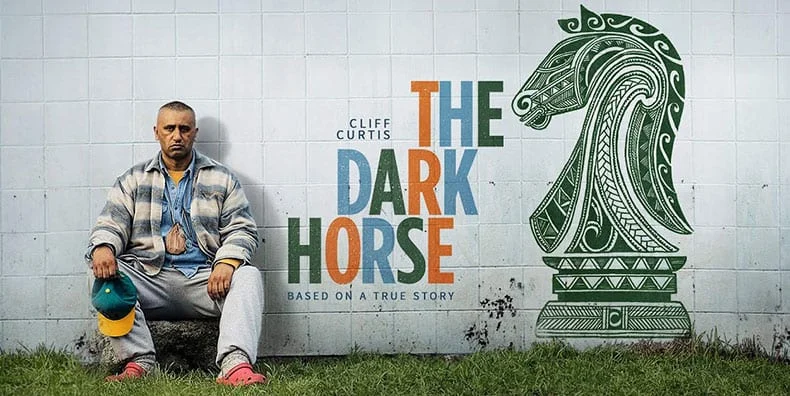
1. The Creative Struggle: ‘The Dark Horse’ (2014)
The Dark Horse tells the harrowing yet inspiring true story of Genesis Potini, a Māori speed chess champion. Potini, portrayed by Cliff Curtis, lived with bipolar disorder and found purpose by coaching a group of underprivileged youth.
- Significance: The film is a masterclass in depicting "hypomania"—the state where creativity and energy are at their peak—while showing the inevitable crash into psychiatric crisis. It highlights how communal support and a sense of purpose are vital components of recovery.
2. Dual Diagnosis: ‘Andy Irons: Kissed by God’ (2018)
Surfing legend Andy Irons was a three-time world champion whose life appeared perfect from the outside. This documentary reveals the secret battle he fought with bipolar disorder and opioid addiction.
- Significance: This film is crucial for its exploration of "dual diagnosis"—the co-occurrence of mental health disorders and substance use. It challenges the "tough guy" image in professional sports and illustrates how the pressure of fame can exacerbate underlying neurological conditions.
3. The Science of Stability: ‘Ride the Tiger’ (2016)
Produced by PBS, this documentary serves as a bridge between personal narrative and clinical science. It features high-profile figures like former congressman Patrick Kennedy and author Terri Cheney.
- Significance: By weaving personal stories with neurological research, Ride the Tiger explores the "why" behind the behavior. It discusses the biology of the brain, the role of genetics, and how the future of treatment lies in personalized medicine.
4. Breaking the British Stigma: ‘Stephen Fry: The Secret Life of the Manic Depressive’ (2006)
This two-part series is often credited with changing the national conversation in the UK. Stephen Fry’s candidness about his own suicidal ideation and manic episodes invited viewers into his inner world.
- Significance: The film’s inclusion of other celebrities, such as Carrie Fisher and Richard Dreyfuss, proved that bipolar disorder does not discriminate by talent or success. Fry’s follow-up documentary ten years later provided a rare look at the long-term management of the condition.
5. The Family Dynamic: ‘Of Two Minds’ (2012)
Unlike the celebrity-focused films, Of Two Minds follows three everyday individuals. It focuses heavily on the "collateral" effects of the disorder on relationships and families.
- Significance: It provides a raw look at the frustration and love experienced by caregivers, emphasizing that bipolar disorder is a "family diagnosis" that requires a collective support system.
6. Artistic Vision: ‘The Electrical Life of Louis Wain’ (2021)
Benedict Cumberbatch stars as Louis Wain, the 19th-century artist known for his surreal illustrations of cats. The film depicts his descent into what was then termed "schizophrenia" but is now often analyzed through the lens of bipolar or schizoaffective disorder.
- Significance: It explores the historical "romanticization" of the mentally ill artist, while showing the tragic reality of institutionalization before the advent of modern medication.
Official Responses and Expert Perspectives
Psychological experts and mental health advocates have largely praised these films for their ability to generate empathy, though they offer caveats regarding the "romanticization" of mania.
Dr. Aris Moscovitch, a psychiatrist specializing in mood disorders, notes, "Cinema has the power to do what a textbook cannot: it allows the viewer to feel the ‘internal weather’ of a patient. When a film like The Dark Horse shows the vibration of a manic episode, it helps the public understand that this is a physiological event, not a character flaw."
However, organizations like the National Alliance on Mental Illness (NAMI) emphasize the importance of "responsible viewing." Many of these films contain triggers, such as depictions of self-harm or substance abuse. Experts suggest that for those currently in a state of crisis, these films should be viewed with a support person or after a period of stabilization.
Official responses from the film industry also reflect a growing commitment to accuracy. Many modern productions now employ "mental health consultants" to ensure that the portrayal of symptoms and treatments—such as Lithium or Electroconvulsive Therapy (ECT)—is grounded in reality rather than sensationalism.
Implications: The Future of Mental Health Narratives
The proliferation of these films has significant implications for public policy and healthcare.
- Reduction of the "Stigma Gap": By humanizing the condition, these films encourage individuals to seek help earlier. Research suggests that normalized media representation reduces the shame associated with diagnosis, potentially lowering suicide rates.
- Educational Integration: Many of these documentaries are now used in medical schools and psychology programs to provide students with a "patient-first" perspective on the bipolar spectrum.
- Policy Advocacy: Films like Ride the Tiger and Kissed by God have been screened for policymakers to advocate for better mental health funding and more comprehensive insurance coverage for dual-diagnosis treatment.
Conclusion
The evolution of bipolar disorder in film reflects a broader societal move toward transparency and compassion. From the speed chess boards of New Zealand to the world-class waves of Hawaii, these stories remind us that the bipolar spectrum is not a monolith. It is a complex, often painful, but ultimately human experience.
As cinema continues to refine its lens, the focus shifts from "what is wrong with this person?" to "what has this person survived?" In this shift, we find not just clinical insights, but a profound sense of hope for those navigating the highs and lows of the human mind.