




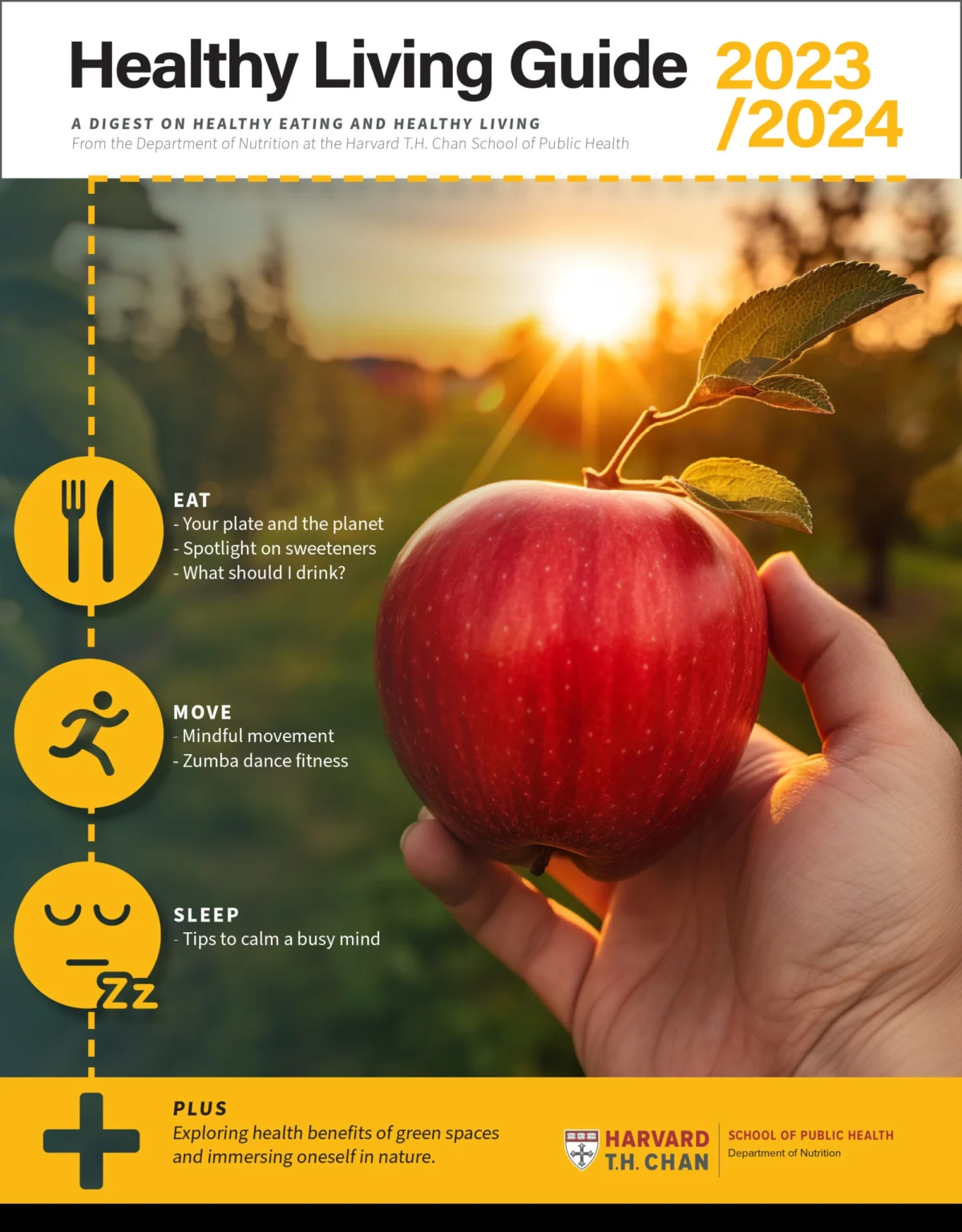
As the world turns the page on another calendar year, the pursuit of holistic health remains a central pillar of global discourse. For those seeking evidence-based guidance in an era often saturated with wellness misinformation, the Harvard Department of Nutrition has released its fourth annual Healthy Living Guide. This year’s publication is more than a mere collection of tips; it serves as a milestone in the department’s mission to integrate the ancient wisdom of mindfulness with the rigorous demands of modern public health.
The Foundation: A New Paradigm for Public Health
The 2023-2024 edition arrives at a significant juncture for the institution. The past year saw the landmark launch of the Thich Nhat Hanh Center for Mindfulness in Public Health, a research initiative that serves as the thematic anchor for this year’s guide.
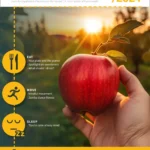
The center’s mission is ambitious: to transition mindfulness from an individualized, boutique wellness trend into a scalable public health tool. By investigating how mindful practices can improve health outcomes across large, diverse populations, the center hopes to address the "epidemic of distraction" that contributes to poor metabolic health, chronic stress, and systemic environmental neglect. As the guide poignantly quotes Zen master Thich Nhat Hanh, "The apple in your hand is the body of the cosmos," emphasizing that our dietary choices are not isolated acts, but interconnected events that ripple across our bodies and the planet.
Chronology of the Healthy Living Initiative
To understand the significance of this year’s guide, one must look at the evolution of the Department of Nutrition’s outreach strategy over the last four years:
- 2020-2021 (The Inaugural Edition): Launched during the height of the global pandemic, the first guide focused heavily on foundational nutrition and immunity, providing reliable data when health anxiety was at its peak.
- 2021-2022 (The Expansion): The second iteration expanded the scope to include sedentary behavior, shifting from "what to eat" to "how to live," incorporating more movement-based health markers.
- 2022-2023 (The Integration): This period saw the solidification of the "Healthy Living" framework, linking mental health directly to metabolic outcomes, setting the stage for the current focus on mindfulness.
- 2023-2024 (The Current Edition): With the formal integration of the Thich Nhat Hanh Center, this guide bridges the gap between contemplative practice and biological science, specifically highlighting the intersection of nutrition, activity, and sleep.
Supporting Data: Addressing the Pillars of Health
The 2023-2024 guide addresses three critical pillars of human physiology that are often treated in isolation but function in deep, complex synergy.
1. The Ultra-Processed Food (UPF) Crisis
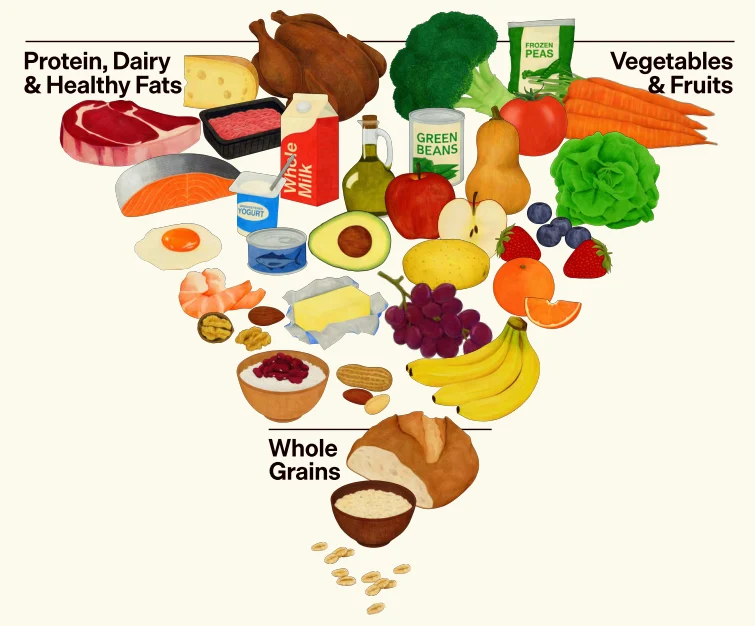
Perhaps the most urgent section of the current guide deals with the proliferation of ultra-processed foods. Recent studies highlighted in the guide underscore the growing body of evidence linking high consumption of UPFs—items characterized by industrial formulations, additives, and high-energy density—to adverse mental health outcomes.
The data suggests that the mechanism is twofold: first, the nutritional deficiency caused by displacing whole, nutrient-dense foods with empty calories; and second, the potential inflammatory impact of emulsifiers and artificial sweeteners on the gut-brain axis. The guide posits that mindful eating—a core focus of the new research center—may serve as a buffer, allowing individuals to recognize the satiety cues often masked by the hyper-palatability of processed products.
2. Physical Activity: Movement as Medicine
Moving away from the traditional, rigid advice of "hit 10,000 steps," the latest guide embraces a more fluid approach to physical health. A standout feature of this year’s research is the focus on joy-based movement. Using Zumba as a case study, the report highlights that adherence to exercise is significantly higher when the activity is perceived as pleasurable or social. By "turning up the tunes," individuals can lower cortisol levels more effectively than through mechanical, joyless exercise, demonstrating that the psychological state during activity is as important as the metabolic cost of the movement itself.
3. The Science of Chronotypes and Sleep
Sleep has long been the "third pillar" of the Harvard nutrition discourse, but the 2023-2024 edition introduces the nuance of "chronotypes." The guide explores the biological reality that not all humans are wired for a 9-to-5 circadian rhythm. By understanding one’s personal chronotype—the internal clock that dictates when a person is most alert and most prone to fatigue—individuals can better align their nutritional intake and physical exertion to optimize hormonal health. The guide provides actionable advice on how to mitigate the "social jetlag" that occurs when our work schedules conflict with our biology.
Official Perspectives: The Role of Mindfulness
According to researchers at the Thich Nhat Hanh Center, the goal is not to suggest that mindfulness is a panacea, but to provide a framework for "conscious consumption." In an era where food systems are complex and globalized, being mindful of one’s eating habits—slowing down, chewing thoroughly, and reflecting on the origins of the food—can lead to healthier weight management and a greater appreciation for environmental sustainability.
The Department of Nutrition emphasizes that the "Healthy Living" philosophy is a departure from restrictive dieting. Instead, it advocates for a shift in perspective. When one considers the environmental cost of their food (planetary health) alongside the physiological cost (personal health), the choice of a whole-food diet becomes a proactive, positive act rather than a restrictive one.
Implications for Global Public Health
The release of this guide arrives at a time when healthcare systems are struggling with the rising burden of non-communicable diseases. The implications of this research are significant:
- Healthcare Reform: By emphasizing prevention through lifestyle, the guide provides a blueprint for primary care physicians to offer more than just pharmaceutical interventions.
- Policy Shifts: The ongoing research into ultra-processed foods provides the scientific backing necessary for policymakers to consider taxation or stricter labeling on products linked to mental and physical decline.
- Environmental Impact: By aligning human dietary health with planetary sustainability, the guide acknowledges that we cannot solve the obesity crisis without addressing the food systems that currently prioritize profit over nutrition and the climate.
How to Utilize the Guide
The 2023-2024 Healthy Living Guide is designed as an interactive tool. It includes:
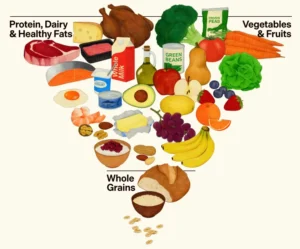
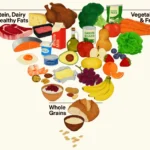
- Printable Tip Sheets: Designed for easy access, these summaries cover everything from healthy pantry staples to sleep hygiene checklists.
- Reflective Questions: Unlike standard pamphlets, the guide includes questions designed to provoke thought on personal habits, encouraging readers to move from "knowing" to "doing."
- Digital Integration: The guide acts as a portal, with direct links to the full breadth of the Harvard T.H. Chan School of Public Health’s online database, allowing for a deep dive into the peer-reviewed research supporting each claim.
Looking Forward: A Call to Action
As we settle into 2024, the Harvard Department of Nutrition’s message is clear: health is a dynamic, ongoing practice. It is not a destination achieved through a single New Year’s resolution, but a daily cultivation of habits that honor both the individual and the global ecosystem.
For those interested in testing their knowledge, the guide continues its tradition of offering interactive quizzes based on the previous year’s findings. It is a reminder that health literacy is cumulative. By revisiting the 2022-2023 editions alongside the new material, readers can build a comprehensive understanding of how nutrition, activity, and sleep interact to form the architecture of a healthy life.
Whether you are a healthcare professional looking for evidence-based patient resources or an individual seeking to improve your personal vitality, the Healthy Living Guide serves as an essential companion. It invites us to stop, breathe, and consider the "apple in our hand"—to recognize the profound impact of our smallest daily decisions and to move forward into the new year with intention, mindfulness, and, most importantly, evidence.
To access the full suite of resources, printable tip sheets, and the comprehensive 2023-2024 Healthy Living Guide, please visit the official Harvard T.H. Chan School of Public Health Nutrition Source website.