





When pharmaceutical giants Merck and Moderna announced in August 2026 that their late-stage clinical trial of an mRNA-based cancer vaccine—combined with standard immunotherapy—had yielded statistically significant, "promising" results, the medical community erupted in guarded optimism. For oncology researchers, it was a long-awaited proof-of-concept: the ability to train the human immune system to recognize and neutralize high-risk melanoma tumors.
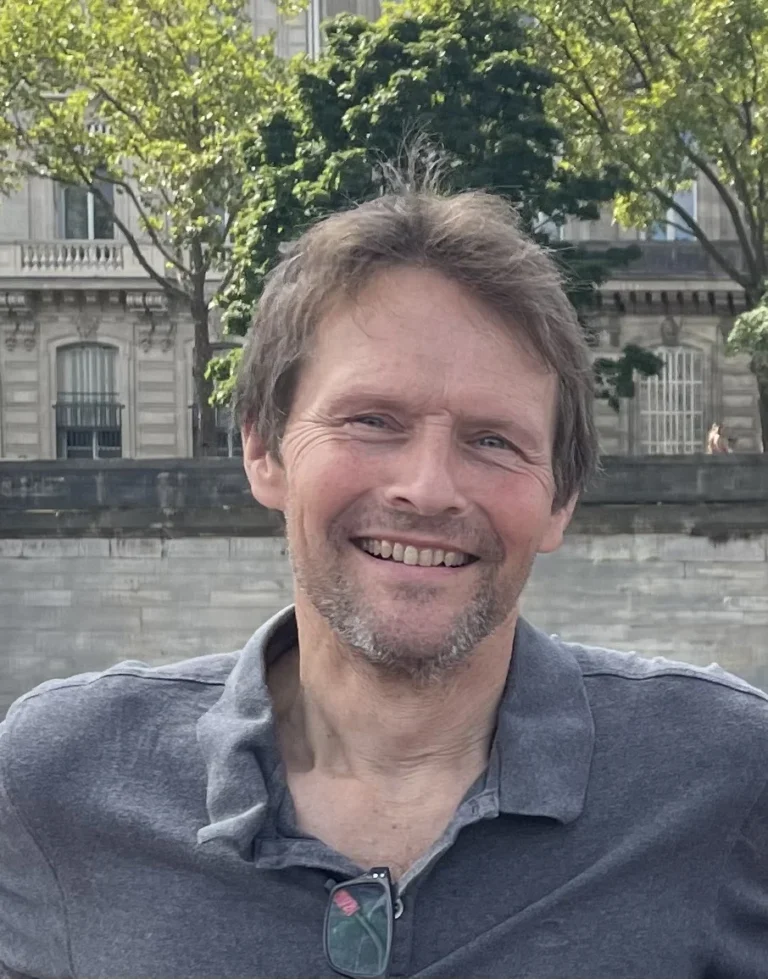
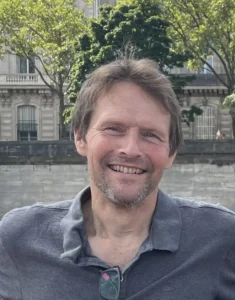
However, behind the spreadsheets, p-values, and clinical graphs lies a human dimension often lost in the clinical reporting. At the STAT Summit in Boston this past Thursday, the abstract concept of "therapeutic efficacy" took on a personal face. Gary Keblish, a public school teacher and a participant in the trial for intismeran autogene, shared his story, framing his harrowing journey through cancer treatment with the whimsical, resilient spirit of the beloved children’s television character Ms. Frizzle from The Magic School Bus.
His testimony serves as a vital bridge between the cold metrics of pharmaceutical success and the lived reality of those for whom these innovations are a matter of life and death.
The Chronology of a Survival Story
For Gary Keblish, the journey began not in a laboratory, but in a moment of common, human hesitation. Diagnosed with high-risk melanoma in 2019, Keblish reflects on the shame of his initial delay in care. "I walked into my dermatologist’s office not exactly holding my head high—I had been remiss," he admitted. "It had been a couple of years since my last visit."
Following two initial excisions, the reality of his condition began to set in. The referral to a surgical oncologist brought a temporary sense of relief, but a subsequent referral to an oncologist—a specialist typically reserved for systemic, life-threatening disease—shifted the gravity of the situation.
The Trial Enrollment
When he met with Dr. Jeffrey Weber, deputy director of the Perlmutter Cancer Center at NYU Langone and co-leader of its Clinical Melanoma Program, the uncertainty was palpable. "Would I, or wouldn’t I? Should I, or shouldn’t I?" Keblish recalled.
He was ultimately selected for a trial involving the combination of Keytruda (pembrolizumab) and the experimental mRNA vaccine. This moment marked the transition from a passive patient to an active participant in cutting-edge science. For Keblish, the trial was not just a medical procedure; it was an "adventure," one that mirrored the chaotic, educational, and ultimately triumphant excursions of the students in The Magic School Bus.
The Physical and Emotional Toll
The treatment was far from a simple cure. Keblish describes a "roller coaster ride" characterized by shifting emotional bandwidth. A significant hurdle was the onset of neuropathy—a side effect that caused physical pain and, in turn, mental distress. "It rendered me less physically active than I might have been, and it clouded my judgment," Keblish noted.
He speaks candidly about the "tincture of time"—the slow, agonizing process of recovery where the neuropathy eventually subsided. His journey was bolstered by his support network: family, friends, and the medical staff at NYU Langone, who maintained their standard of care even amidst the logistical pressures of the ongoing COVID-19 pandemic.
Supporting Data and The Science of mRNA
The trial, which has been the subject of intense industry scrutiny, focuses on intismeran autogene. Unlike traditional vaccines that aim to prevent infection, this mRNA-based approach is therapeutic. It is designed to create a personalized instruction set for the patient’s immune system, allowing it to identify specific neoantigens—proteins unique to the patient’s tumor cells.
By combining this personalized vaccine with Keytruda—a checkpoint inhibitor that "releases the brakes" on the immune system—researchers hope to create a potent, dual-pronged attack. The August 2026 data release indicated that this combination significantly reduced the risk of recurrence or death in patients with high-risk melanoma compared to immunotherapy alone.

Why Individual Stories Matter
While the data provides the "what," patient stories like that of Gary Keblish provide the "how." Clinical trials are often criticized for failing to account for the "quality of life" metrics that patients value most. Keblish’s experience with neuropathy highlights that even successful treatments carry significant burdens. His testimony acts as a qualitative counterweight to the quantitative successes reported by Merck and Moderna, reminding the industry that the goal of oncology is not just the elimination of tumors, but the restoration of the patient’s capacity to return to their life—for Keblish, returning to his classroom.
Official Perspectives: The Clinical Reality
Dr. Jeffrey Weber and his colleagues at the Perlmutter Cancer Center represent the vanguard of this new era of immunotherapy. In the context of clinical trials, the relationship between physician and patient often becomes a long-term partnership. Keblish’s account highlights the role of the physician not just as a prescriber of drugs, but as a navigator.
"They set a clear path and encouraged me to maintain focus on the proverbial light at the end of the tunnel," Keblish said of his medical team.
From an industry standpoint, Merck and Moderna are currently moving to expand the scope of their mRNA technology. If the results continue to hold, the model used in the melanoma trial could be applied to other solid tumors, potentially revolutionizing how we treat cancers that were previously considered resistant to standard immunotherapy. However, experts note that the logistical challenge of manufacturing personalized vaccines for every patient remains a significant hurdle to mass adoption.
The Broader Implications for Oncology
The success of the mRNA cancer vaccine trial has profound implications for the future of personalized medicine. We are entering an era where a patient’s unique genetic signature can be mapped, synthesized into a vaccine, and used to "re-educate" the body.
The "Frizzle" Philosophy
Keblish’s use of the Magic School Bus metaphor—"Seatbelts, everyone!"—serves as a poignant reminder that medical innovation, no matter how sophisticated, is a human endeavor. He argues that patients need to remain engaged and empowered throughout the process. His return to the classroom, six years after his initial diagnosis, serves as the ultimate benchmark of the treatment’s success.
"I’m back in the classroom teaching. In truth, I never had to leave, and it has been six years since my tumor was removed," he said.
Future Outlook
The path forward for mRNA cancer vaccines involves:
- Long-term monitoring: Assessing whether the immune response generated by the vaccine persists over years, not just months.
- Manufacturing Efficiency: Reducing the time and cost required to produce personalized vaccines, making them accessible to a broader patient population.
- Combination Therapies: Exploring which other classes of drugs, beyond PD-1 inhibitors like Keytruda, might synergize with mRNA technology.
As the industry looks toward the next phase of trials, the focus will undoubtedly remain on the data. But for those watching from the sidelines—patients, families, and clinicians—the story of Gary Keblish provides the necessary context. The "successful outcome" is not merely a line on a chart; it is the teacher back at the whiteboard, the parent at the dinner table, and the survivor who, despite the physical and mental toll of a high-risk diagnosis, has successfully navigated the "intestines, nostrils, and Mars" of modern cancer treatment.
In the words of Keblish, the message to the scientific community is clear: "Keep doing what you do best and let the excellent adventures continue. To the bus, everyone!"