




Published October 14, 2026
In an era defined by perpetual connectivity and the rapid pace of digital life, stress has transitioned from an occasional reaction to a baseline human condition. For many, the physical manifestations—the locked jaw, the shallow, restricted breath, and the persistent tension in the trapezius muscles—have become a normalized "new normal." When standard diversions like streaming services or passive reading fail to quiet the noise of a hyper-active mind, the solution may not lie in distraction, but in intentional recalibration.
This week, renowned yoga instructor Laia Bové unveiled a comprehensive 20-minute floor-based yoga sequence specifically engineered for nervous system regulation. With over a decade of experience teaching students across the full spectrum of ability, Bové has synthesized her expertise into a practice that functions less as a workout and more as a somatic reset button.
The Physiology of Stress and the Role of Yoga
To understand why Bové’s sequence is effective, one must look at the autonomic nervous system. Chronic stress keeps the body in a "sympathetic" state—the "fight-or-flight" response. This state is characterized by elevated cortisol levels, increased heart rate, and muscular bracing.
Yoga acts as a mechanical intervention for this biological feedback loop. By slowing the breath and engaging in sustained, gentle stretching, the practitioner signals to the vagus nerve that the environment is safe. This triggers the "parasympathetic" response—the "rest-and-digest" system—which lowers heart rate and blood pressure. Bové’s approach is rooted in this transition: by moving slowly and staying grounded on the floor, the practitioner minimizes the physical effort required, allowing the focus to shift toward internal awareness and emotional regulation.
A Chronological Guide to the 20-Minute Sequence
The following sequence is designed to be performed in order. It requires no specialized equipment, though a yoga mat, a bolster or pillow, and a yoga block are suggested for added comfort.
Phase I: Reclined Grounding (The Foundation)
The sequence begins entirely on the floor, removing the need for balance and allowing the spine to be fully supported by the earth.
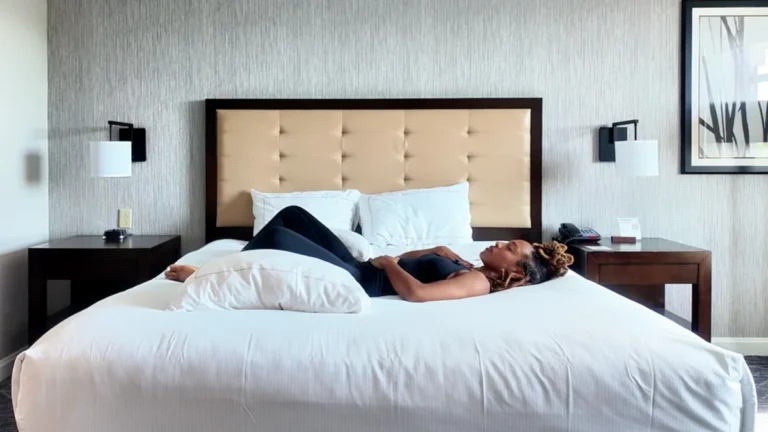
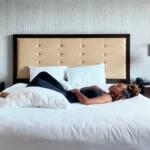
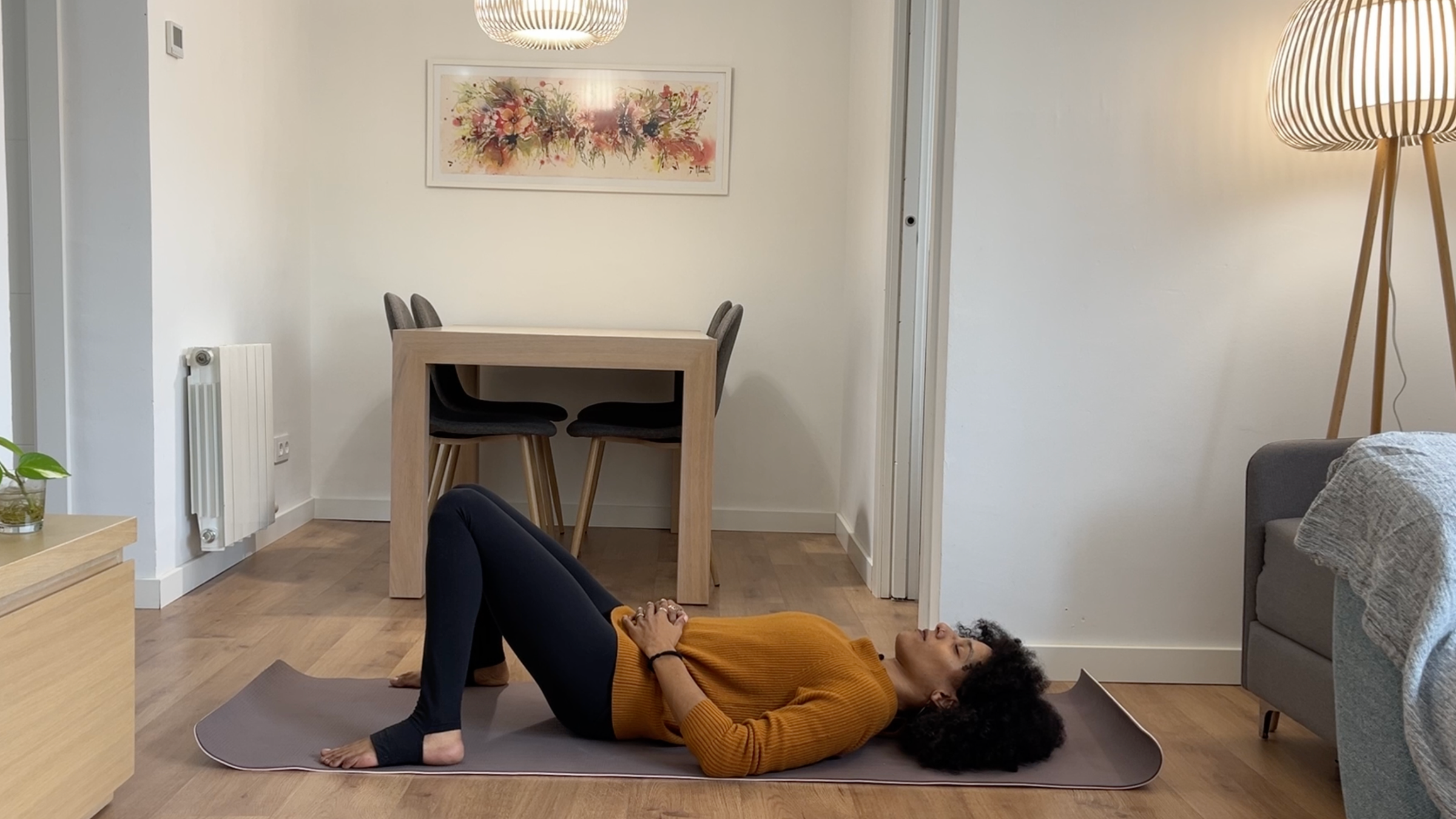
- 1. Constructive Rest: Start by lying supine with knees bent and feet planted flat on the mat. This position creates a neutral spine, allowing the back muscles to release their habitual engagement. Focus on long, rhythmic inhalations and exhalations.
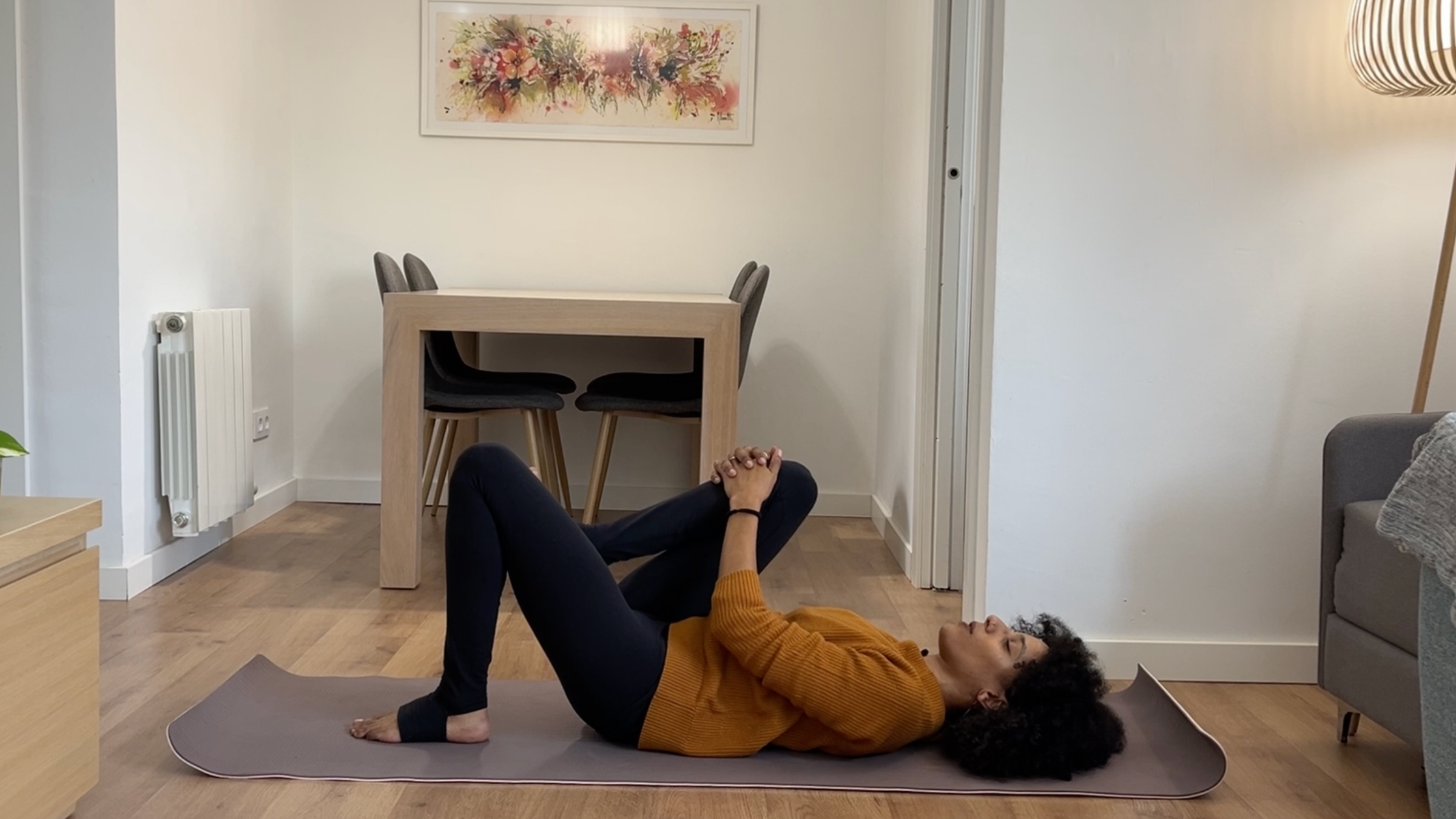
- 2. Knee to Chest: Gently draw the right knee toward the chest, clasping the shin or behind the thigh. The goal here is not to pull with force, but to use the weight of the arms to deepen the hip stretch while keeping the shoulders grounded.
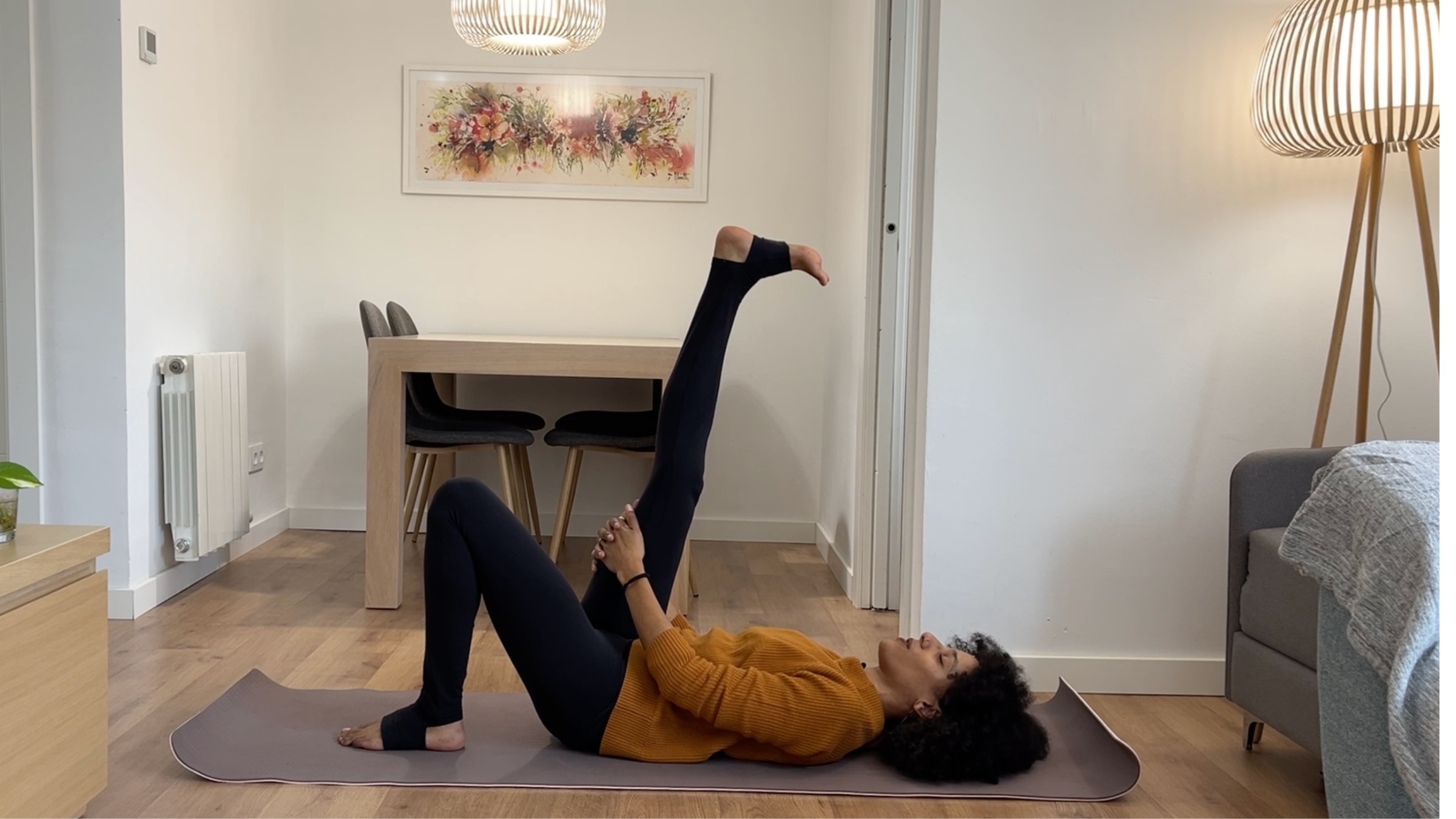
- 3. Hamstring Stretch: Transitioning from the knee-to-chest position, extend the right leg toward the ceiling. Using a strap or your hands, hold behind the thigh. This stretch addresses the posterior chain, a common site for stored tension.
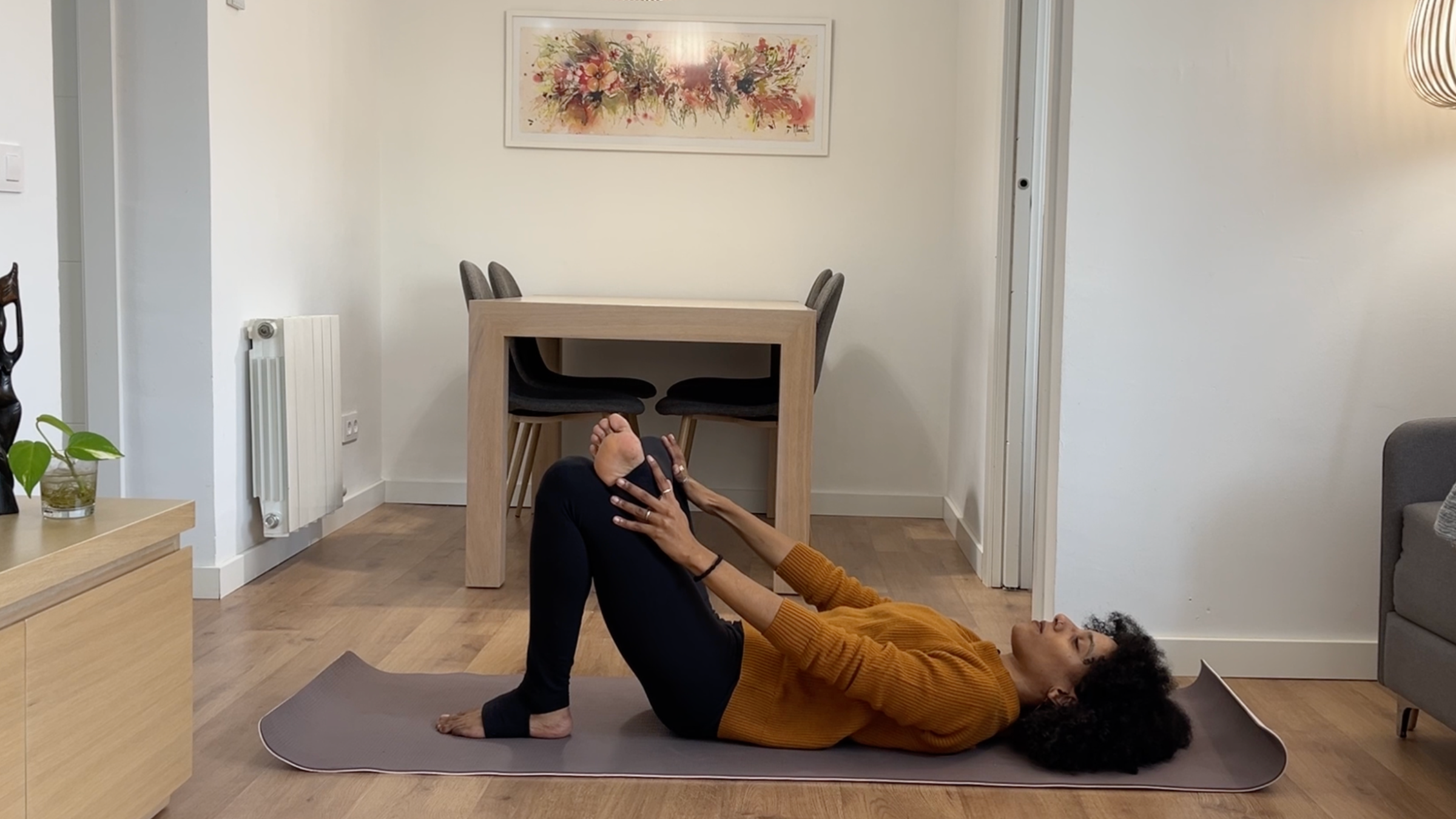
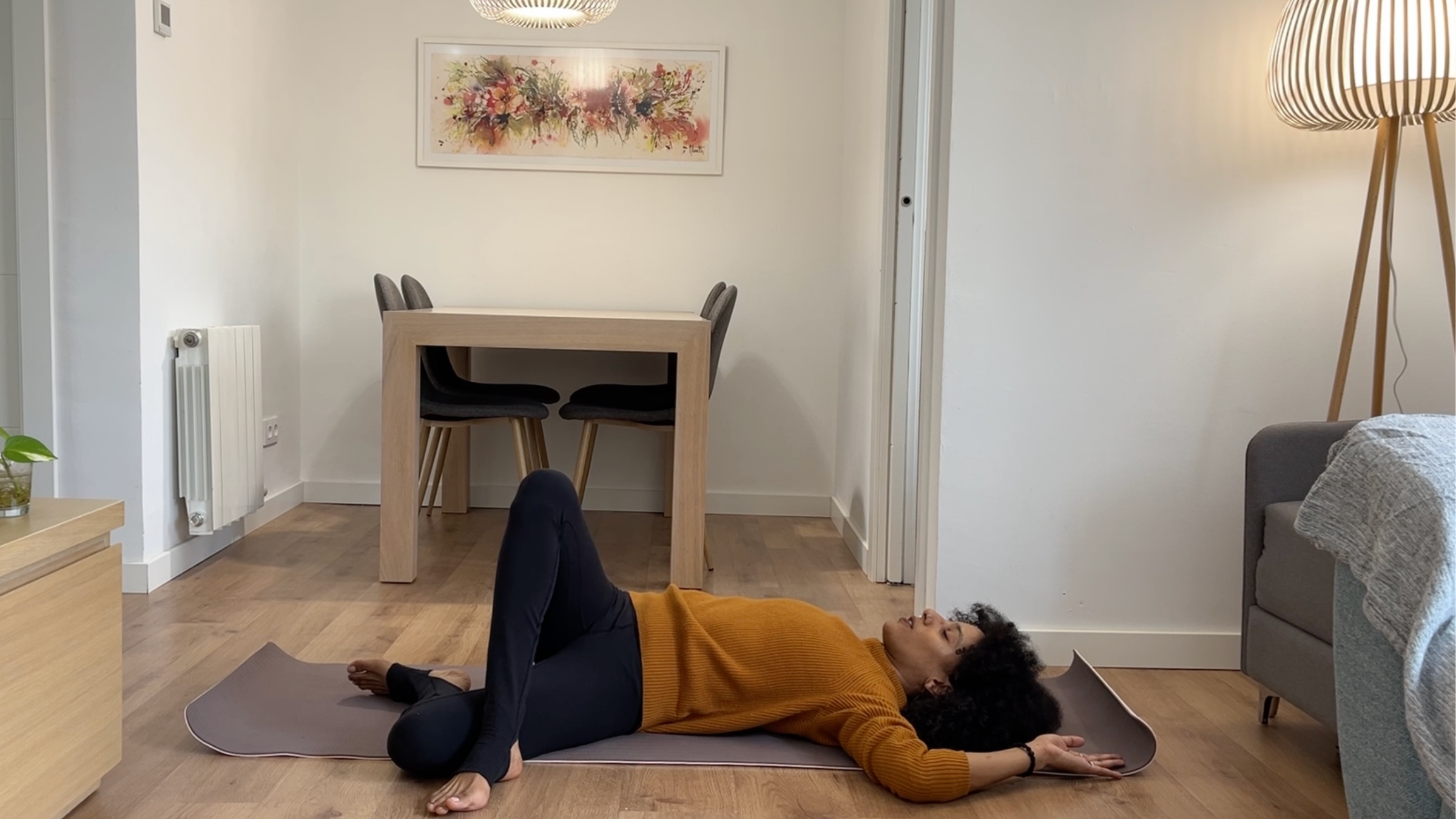
- 4. Figure 4: By crossing the right ankle over the left knee, you enter a reclined hip opener. By bringing the arms into a "cactus" shape—bent at 90-degree angles—you also invite an opening in the pectoral muscles, which are often tight due to desk-bound postures.
- 5. Spinal Twist: Lower the crossed legs to the left side. This rotation of the spine acts as a gentle compression for the abdominal organs and helps to release rotational tension in the lumbar region.
Phase II: Activation and Symmetry
Once the right side has been addressed, the practitioner performs the sequence on the left side before moving to bilateral movements.
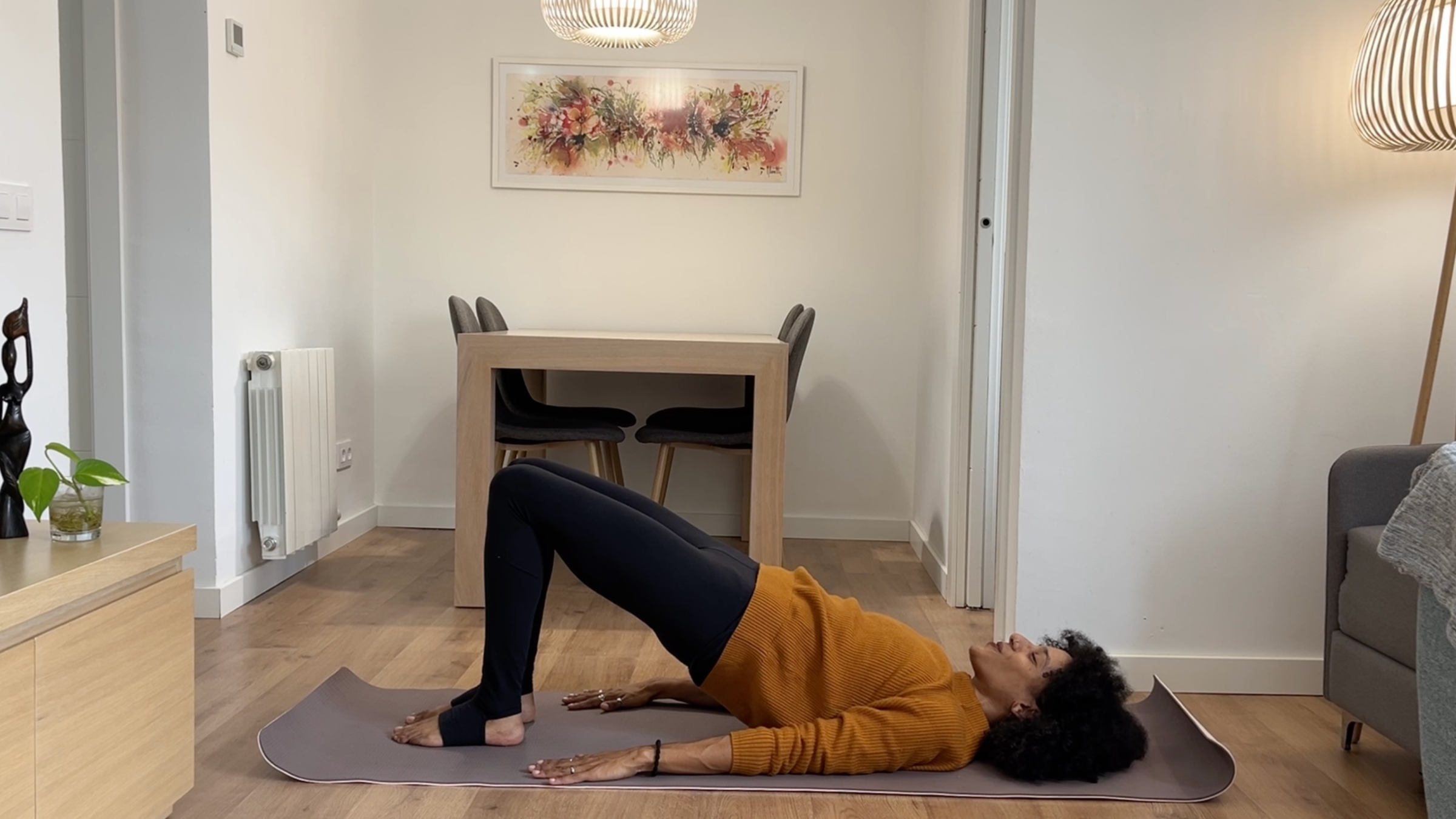
- 6. Bridge Pose: After completing the left-side sequence, return to the center. With feet planted, press into the mat to lift the hips. Bridge Pose serves to engage the posterior muscles while opening the chest and front body, providing a mild cardiovascular and energetic boost.
- 7. Knees to Chest (Bilateral): Hugging both knees into the chest serves as a "reset" pose, providing a sense of physical containment and security.
Phase III: Transition to Seated Awareness
The final phase of the sequence moves from the floor into a seated position to address the upper body and spine.
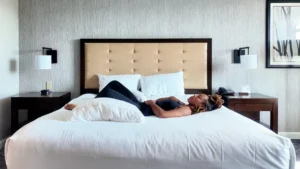
- 8. Fetal Position: Before sitting up, roll onto your side. The fetal position is a primal, soothing shape that encourages a feeling of safety.
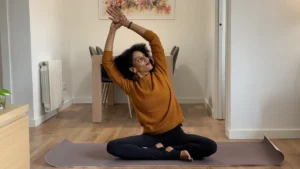
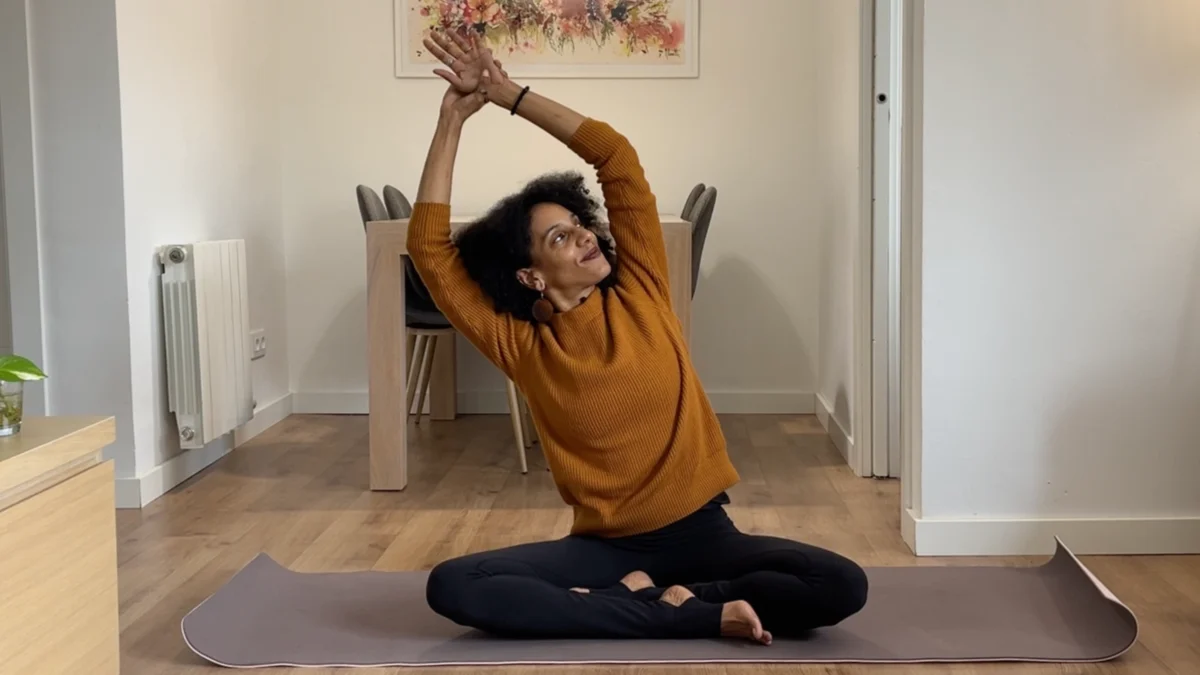
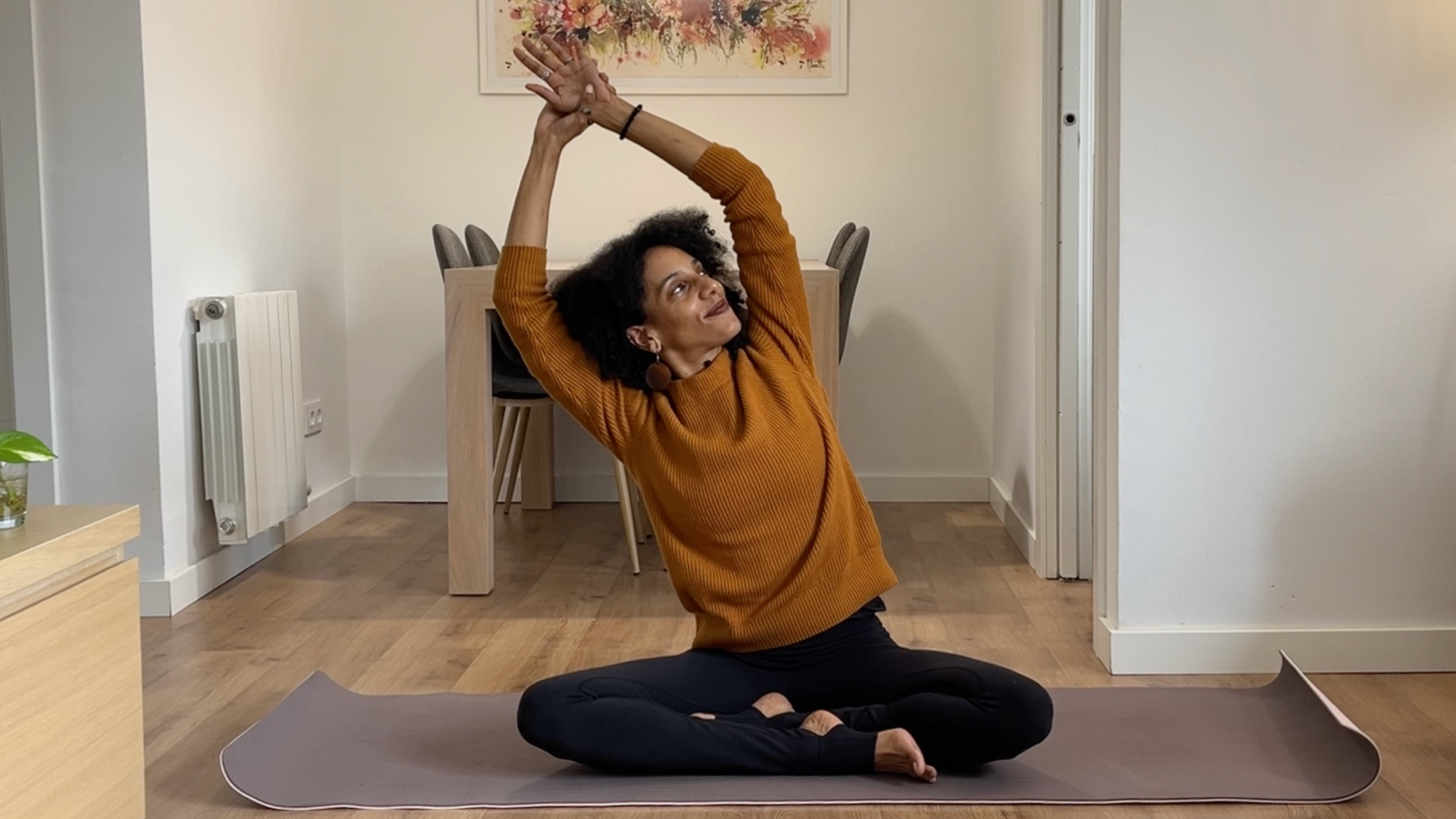
- 9. Seated Side Stretch: Sitting cross-legged, reach arms overhead and lean laterally. This stretches the intercostal muscles between the ribs, which can become constricted during periods of high anxiety.
- 10. Seated Cat-Cow: Utilizing the cactus arm position, alternate between extending the chest (Cow) and rounding the spine (Cat). This movement coordinates breath with physical motion, promoting a meditative state.
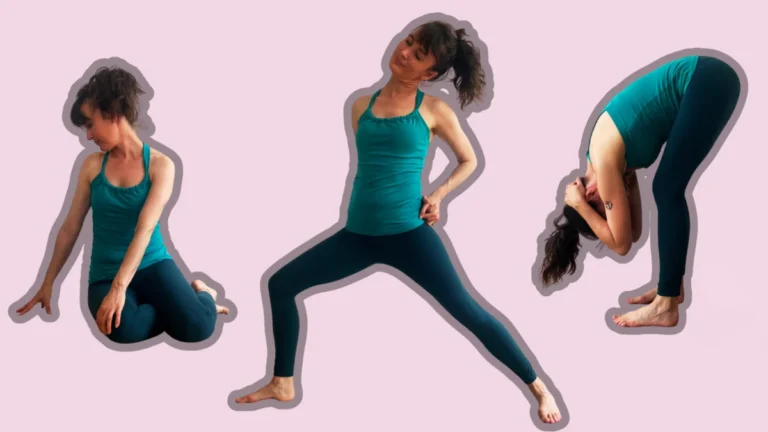
- 11. Seated Spinal Twist: This final twist helps to wring out the remaining tension in the thoracic spine.
- 12. Child’s Pose: A classic restorative posture. Resting the forehead on stacked forearms or a block stimulates the parasympathetic nervous system through pressure on the "third eye" point.
- 13. Bound Angle Pose: The final resting shape, where the soles of the feet touch and the practitioner folds forward. This pose is the culmination of the practice, intended for deep, prolonged relaxation.
Supporting Data: Why This Matters
According to recent studies in the field of mind-body medicine, consistent practice of restorative yoga sequences like Bové’s can have measurable impacts on mental health. Data suggests that even 20 minutes of intentional, slow-movement practice can significantly reduce markers of inflammation and lower the perception of daily stress.
"We are not just stretching muscles," Bové notes. "We are communicating with the nervous system. When you move intentionally, you are telling your brain that you have the time and space to exist without an immediate threat. That is a radical act in today’s society."
Official Perspectives and Expert Insight
The pedagogical approach taken by Bové aligns with modern trauma-informed yoga standards. By emphasizing that the practitioner can use props—such as pillows or blocks—Bové ensures that the practice is accessible regardless of one’s current physical flexibility.
Psychologists specializing in anxiety management have lauded the inclusion of the Fetal Position and Child’s Pose, noting that these "closed" shapes provide a sense of boundaries for individuals who may feel overwhelmed by their environment. The sequence avoids high-intensity poses, acknowledging that when the nervous system is taxed, the last thing it needs is the added strain of heavy physical exertion.
Implications for Daily Wellness
The primary implication of this 20-minute routine is the shift from "stress management" to "stress regulation." Rather than waiting for a crisis to occur, Bové suggests that integrating this sequence into a daily or weekly routine can build a "buffer" against future stressors.
As the corporate and digital landscapes continue to blur the lines between work and rest, the necessity for structured, somatic self-care becomes paramount. Bové’s sequence offers a template for those looking to reclaim their autonomy over their own stress levels. Whether performed in the early morning before the day’s demands begin or in the evening as a way to decompress, this practice serves as a reminder that stillness is not a luxury—it is a physiological requirement for sustained health.
By focusing on the floor, the breath, and the gentle release of tension, practitioners are invited to move away from the "racing mind" and toward a more centered, regulated existence. One breath at a time, the body learns to trust its own capacity for calm.