



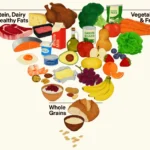







The World Health Organization (WHO) recently unveiled a comprehensive update to its global dietary guidelines, aiming to provide a standardized roadmap for healthy eating across populations aged two and older. While the international health body’s focus on reducing trans fats and limiting sodium and added sugars has earned broad support, a specific recommendation—the mandate to cap total fat intake at 30% of daily calories—has ignited a firestorm of controversy.
Leading experts at the Harvard T.H. Chan School of Public Health have issued a stark rebuttal to this specific directive, arguing that it is not only unsupported by decades of modern nutritional science but potentially harmful to public health. By advocating for a low-fat approach, critics argue, the WHO may be inadvertently steering global populations toward the very refined carbohydrates and sugars that have fueled the modern epidemic of metabolic disease.
The Core Dispute: Defining "Healthy" Fat Intake
The WHO’s updated guidelines emphasize the importance of shifting the quality of fat intake toward unsaturated sources—such as those found in olive oil, nuts, and fatty fish—while minimizing saturated and trans fats. In principle, this aligns with the consensus of modern nutritional science. However, the quantitative ceiling placed on "total fat" has become the primary point of contention.
Harvard researchers, led by Dr. Walter Willett, Professor of Epidemiology and Nutrition, contend that the 30% limit is a vestige of mid-20th-century nutritional anxiety. They argue that the focus should remain exclusively on the type of fat consumed, rather than the total quantity, as the overall caloric intake is a more significant driver of obesity and chronic illness than the percentage of fat in one’s diet.
Chronology of the Controversy
To understand why this disagreement has reached a boiling point, one must look at the evolution of nutritional research over the last forty years:
- 1980s–1990s: The "Low-Fat Era" dominates public health policy, driven by the hypothesis that dietary fat, being calorically dense, was the primary cause of the obesity epidemic.
- 2000s–2010s: The emergence of high-quality, long-term cohort studies, such as the PREDIMED trials, begins to dismantle the low-fat paradigm. Researchers discover that participants consuming a Mediterranean diet—rich in healthy fats like olive oil—showed significantly better health outcomes than those on low-fat diets.
- July 2023: The World Health Organization releases its updated guidelines, maintaining the 30% total fat cap, based on meta-analyses focused primarily on weight management.
- Late July 2023: Harvard T.H. Chan School of Public Health experts formally critique the WHO report, labeling the meta-analyses as "deeply flawed" and calling for a shift in global policy.
Supporting Data: Why the 30% Limit is Under Fire
The Harvard team’s criticism is not based on mere opinion, but on a rigorous re-examination of the data used to formulate the WHO guidelines. Their objections center on three core scientific pillars:
1. The Failure of Low-Fat Diets in Clinical Trials
Harvard nutritionists point to numerous randomized trials indicating that low-fat diets do not offer superior protection against cardiovascular disease, type 2 diabetes, or cancer compared to diets higher in healthy fats. The PREDIMED trials, which compared a Mediterranean diet (fat intake of 39–42%) against a low-fat diet, served as a landmark study. The results were clear: the high-fat group experienced a significantly lower incidence of major cardiovascular events.
2. The Flaws in the WHO Meta-Analyses
Dr. Willett and his colleagues argue that the meta-analyses used to support the WHO’s 30% cap were methodologically compromised. They highlight that many of the studies included in the analysis:
- Excluded Healthy Populations: Many participants already suffered from chronic diseases, making it difficult to extrapolate the findings to the general public.
- Selection Bias: The analysis often excluded studies that were specifically designed to assess the long-term impact of dietary fat on weight and health, opting instead for datasets where weight change was a secondary, rather than primary, outcome.
- Lack of Control Integrity: In many of the cited trials, the "low-fat" intervention group received intensive nutritional counseling and monitoring, while the control group received none. The weight loss observed in these studies, they argue, was likely a result of the extra attention and guidance, not the reduction in fat itself.
3. The "Refined Carbohydrate" Trap
Perhaps the most significant concern raised by the Harvard team is the potential for "dietary displacement." When governments or health organizations push for a reduction in total fat, the void in the diet is almost invariably filled by carbohydrates. If these are refined carbohydrates—such as white bread, sugar-sweetened beverages, and ultra-processed snacks—the result is an increase in triglycerides and blood pressure, both of which are primary risk factors for heart disease.
Official Responses and the Scientific Divide
The disagreement highlights a fundamental divide in the global health community: the difference between "reductionist" nutritional advice and "whole-diet" patterns.
The WHO maintains that their guidelines are designed for a global population with diverse economic realities. They argue that in many developing nations, reducing total fat is a necessary step to curb the overconsumption of cheap, unhealthy, saturated fats.
However, Dr. Willett and his peers at Harvard suggest that this "one-size-fits-all" approach is outdated. In their official response, they stated: "The new WHO recommendation that intake of total fat be limited to 30% of calories is narrowly based on one deeply flawed meta-analysis… Although other aspects of the WHO dietary recommendations are well-supported, the limit on total fat is best ignored."
Implications for Global Health Policy
If the Harvard critique gains traction, the implications for future public health guidelines could be transformative:
- De-emphasizing the "Percentage" Metric: Experts suggest that shifting the focus away from total fat percentage would allow for more nuanced guidelines. Instead of worrying about whether a meal contains 30% or 40% fat, public health messaging should focus on the source—prioritizing avocados, nuts, and fish over processed meats and deep-fried foods.
- Increased Focus on Food Quality: The move away from quantitative fat caps would empower health organizations to focus on the "ultra-processed" nature of modern diets. The real culprit is not the olive oil in a salad dressing, but the high-fructose corn syrup and refined flour found in processed snacks.
- Personalized Nutrition: As the scientific community moves toward more personalized dietary approaches, strict macronutrient caps become increasingly obsolete. The Harvard critique signals a growing trend in nutrition science toward acknowledging that metabolic health is driven by the synergy of nutrients rather than the restriction of a single category.
Conclusion: A Call for Evidence-Based Reform
The conflict between the WHO’s guidelines and the Harvard-led critique serves as a vital reminder of the complexity of nutritional science. While the WHO’s intention to provide universal guidance is noble, the scientific community maintains that global recommendations must evolve alongside the data.
For the average consumer, the message is clear: do not fear fat in its natural, unprocessed form. The consensus remains that a diet rich in whole foods—regardless of whether the total fat intake sits slightly above or below the 30% mark—is the gold standard for longevity and metabolic health. As the debate continues, the scientific community will likely push for more transparent, rigorous, and nuanced guidelines that prioritize the quality of our calories over the arbitrary arithmetic of our daily intake.