





By [Journalist Name/RehabPub Staff Writer]
[City, State] – In the relentless theatre of healthcare, where the lines between professional duty and profound human connection blur, an invisible force often dictates the daily reality of clinicians: emotional labor. This unspoken, unquantified work, characterized by the management of one’s own feelings to present a particular emotional demeanor to patients, has always been intrinsic to the healing professions. Yet, in the wake of the COVID-19 pandemic, its weight has grown immeasurable, shaping a generation of caregivers and demanding a critical re-evaluation of how society supports its healers.
Rachel Noia, MS, CCC-SLP, a Clinical Specialist in Dysphagia Education at Gaylord Specialty Healthcare, Wallingford, Conn., offers a poignant window into this reality. Her reflection on treating a beloved colleague, ravaged by COVID-19 and reduced to a ventilator, serves as a stark reminder of the deeply personal and often traumatic experiences that underpin the professional lives of healthcare workers. Noia’s narrative not only underscores the immediate challenges of clinical practice in a post-pandemic world but also illuminates the profound psychological toll that persists long after the immediate crisis subsides.
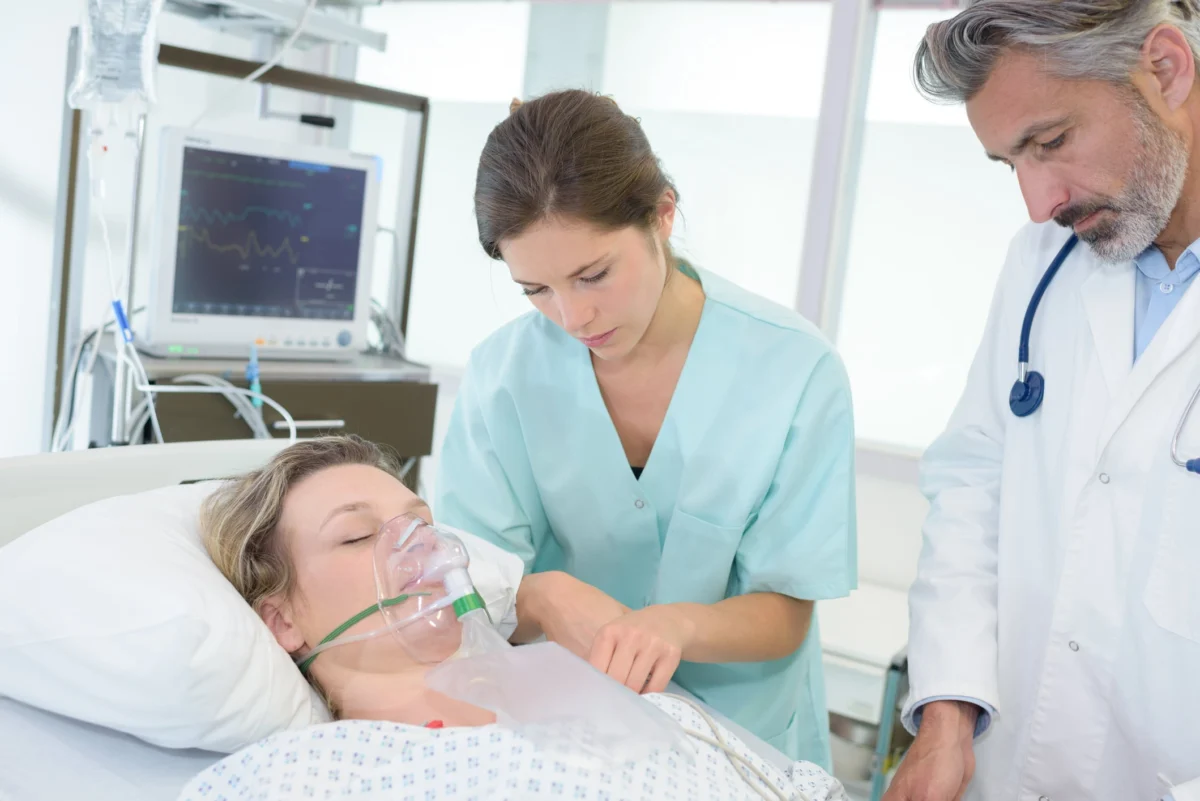
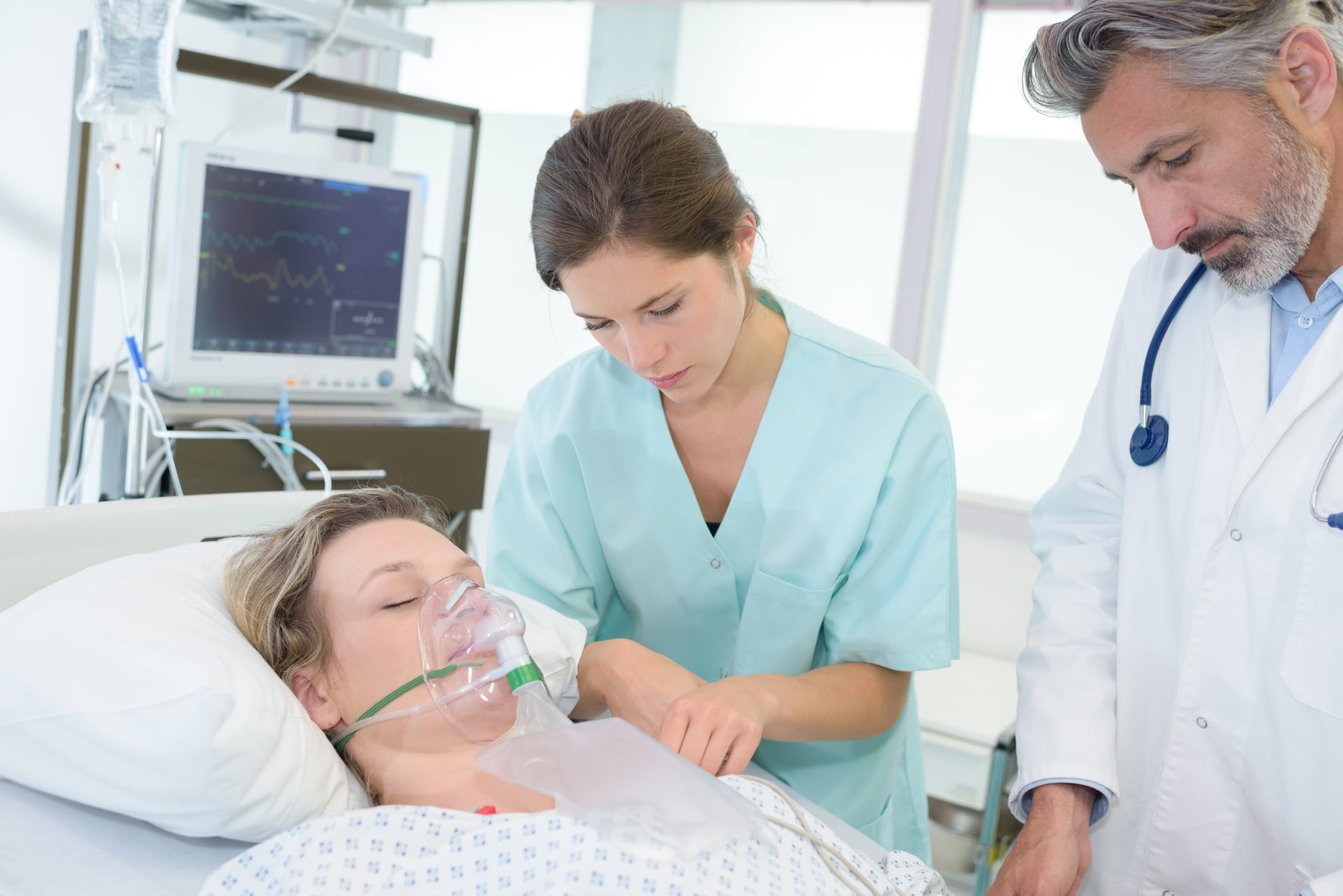
Featured image: Taking care of a patient. Photo: ID 160406846 © Auremar | Dreamstime.com
Introduction: A Speech-Language Pathologist’s Stark Revelation
The memory is forever etched into Rachel Noia’s brain, a vivid testament to the pandemic’s brutal impact. It was the sight of one of her own, a dedicated patient care technician, transformed from a compassionate caregiver into a critically ill patient. "A woman who was devoted to serving her patients with such a loving heart and purposeful pair of hands," Noia recounts, "now reduced to a ventilator, unresponsive." This colleague, now her patient, lay "almost melting into her hospital bed, ravaged by COVID, reduced to reliance on machines, wires, tubes to keep her alive."
This deeply personal encounter, where professional boundaries blurred with profound empathy, forced Noia to confront the raw, unvarnished truth of healthcare in an unprecedented era. Standing outside her colleague’s hospital room, a maelstrom of thoughts swirled: "Where to begin? How to begin?" The act of "checking my feelings at the door" became not just a professional necessity but a profound act of emotional fortitude before she could even step inside. This moment encapsulates the central theme of Noia’s experience: the overwhelming, often hidden, burden of emotional labor.
While the world grappled with the visible devastation of the pandemic, healthcare professionals like Noia were silently navigating an internal landscape of fear, grief, and uncertainty, all while maintaining a facade of unwavering competence and compassion. Her perspective as a Speech-Language Pathologist (SLP) offers a unique lens through which to understand the multifaceted challenges of patient recovery and the enduring psychological impact on those dedicated to healing.
Beyond Physical Recovery: The Depths of Rehabilitation
Redefining Rehabilitation: More Than Just Strength and Skills
For many outside the medical field, rehabilitation conjures images of physical therapy: regaining strength, relearning to walk, or mastering daily tasks. While these are indeed crucial components, Noia emphasizes that "there is another kind of work happening every day that no one talks about. It is emotional labor." This unseen, unacknowledged dimension is at the very core of what makes healthcare a uniquely demanding profession. It’s the constant engagement with human suffering, the celebration of small victories, and the quiet acceptance of profound limitations.
Healthcare professionals, particularly those in rehabilitation, consistently meet individuals during arguably the most challenging chapters of their lives. These patients are often young parents, vibrant individuals, or pillars of their communities, suddenly confronted with the unthinkable. For Noia, the responsibility is immense: "I arrive at their bedside and I am tasked with helping them speak again, eat again, remember their children’s names." These are not merely clinical objectives; they are deeply personal, fundamental aspects of human existence. The weight of this responsibility is palpable: "It’s heavy. It’s profound. It’s sacred. I don’t take the responsibility lightly, and the heaviness doesn’t leave even when my session concludes. I take it with me." This candid admission reveals the permeable boundary between professional duty and personal empathy, a boundary constantly tested in the intense environment of patient care.
The SLP’s Critical Role in a Post-Pandemic World
The COVID-19 pandemic introduced a cascade of complex medical challenges, many of which fell squarely within the expertise of Speech-Language Pathologists. Beyond the acute respiratory distress, patients often suffered from severe dysphagia (swallowing difficulties) due to prolonged intubation, ventilator dependence, and muscle weakness. Cognitive-linguistic deficits, including problems with memory, attention, executive function, and word-finding, became prevalent, collectively known as "brain fog" or post-COVID cognitive impairment. Voice disorders, often resulting from intubation trauma or generalized weakness, further compounded communication difficulties.
Noia’s role, therefore, extended far beyond simple exercises. She faced patients who had lost their ability to communicate their basic needs, to enjoy the simple pleasure of a meal, or to recall the faces of their loved ones. Each session was a delicate balance of clinical intervention and profound emotional support. Re-teaching a patient to swallow after weeks of tube feeding, guiding them to recall a spouse’s name, or helping them regain a voice shattered by illness, are not just technical skills; they are acts of restoring dignity, connection, and identity. The emotional investment required to navigate these intensely personal journeys with patients is immense, and it’s a constant feature of the SLP’s daily work, particularly in the long-term recovery phases of post-COVID syndrome.
The Art of Compartmentalization: A Necessary Coping Mechanism
The "Shelf" Metaphor: Managing Intense Emotions in Real-Time
In the high-stakes, emotionally charged environment of healthcare, professionals develop sophisticated coping mechanisms. Noia identifies one of the most crucial: "Healthcare professionals have to become experts at emotional compartmentalization." This isn’t a sign of indifference; rather, it’s a vital survival strategy that allows clinicians to remain fully present and effective for each patient. The metaphor of placing emotions "on a shelf" is powerfully illustrative.
Consider the daily emotional whiplash: "We may walk out of one room after comforting a patient who failed yet another swallowing exam and then have to take one deep breath, smile, and walk into the next room to celebrate a patient’s first successful meal after weeks of therapy." This rapid transition from profound disappointment and fear to genuine joy and hope demands an extraordinary level of emotional agility. The "shelf" serves as a temporary repository for these intense feelings, allowing clinicians to offer 100% of their attention and compassion to the individual in front of them, regardless of the emotional residue from the previous encounter. This ability to temporarily set aside one’s own emotional reactions is not about denying feelings but about prioritizing patient needs. It’s a testament to professional dedication, ensuring that every patient receives unbiased, focused care.
The Cumulative Toll: When the Shelf Comes Down
While essential for immediate functionality, the "shelf" isn’t a permanent solution. "It might not be at the end of the day or week or even month," Noia observes, "but the shelf can come down." This delayed emotional processing is a hallmark of high-stress professions. The suppressed fears, anxieties, and sorrows don’t disappear; they simply await an opportune moment to resurface.
For many healthcare workers, these moments arrive in unexpected flashes: "Sometimes during the drive home. Sometimes when you’re enjoying a day at the beach with your family. Sometimes at two o’clock in the morning when a particular patient unexpectedly enters our thoughts." These intrusive memories and feelings are the unprocessed residues of emotional labor, the cost of sustained empathy. The cumulative effect of these experiences can lead to burnout, compassion fatigue, anxiety, depression, and even post-traumatic stress disorder (PTSD). Studies consistently highlight the escalating mental health crisis among healthcare professionals, exacerbated by the unprecedented demands and moral injuries sustained during the pandemic. The act of "carrying the load," as Noia describes it, leaves an indelible mark, shaping not just their professional identity but their personal well-being. The pandemic didn’t just challenge physical health; it pushed the psychological resilience of healthcare providers to its breaking point, leaving many to contend with a profound and often solitary aftermath.
The Unquantifiable Metric: Compassion’s Centrality
The Limitations of Current Healthcare Metrics
In an era dominated by data-driven decision-making, healthcare systems increasingly rely on quantifiable metrics: productivity targets, billing codes, and quality outcomes. While these measures are crucial for efficiency and accountability, Noia astutely points out a glaring omission: "There is no productivity metric, billing code, or quality outcome that measures compassion." Yet, these moments of profound human connection – the reassuring touch, the empathetic ear, the shared moment of vulnerability – are "often at the heart of rehabilitation."
This disconnect between the measurable and the meaningful creates a significant challenge. Compassion, empathy, and the emotional support provided by clinicians are fundamental to a patient’s healing journey, influencing adherence to therapy, psychological well-being, and overall recovery. However, because these qualities are difficult to quantify, they are often undervalued in systemic evaluations, leading to a de-emphasis on the very human elements that make healthcare truly effective. Healthcare professionals, Noia asserts, are "the quiet keepers of compassion," silently performing this invaluable work without formal recognition or compensation. This highlights a critical flaw in healthcare administration: the failure to acknowledge and adequately support the emotional investment required to deliver truly holistic patient care.
The Ethical Imperative: Patient-Centered Care Amidst Crisis
The pandemic brought into sharp focus the ethical dilemmas inherent in healthcare. Clinicians faced unprecedented choices, resource limitations, and the constant threat of infection, all while maintaining their unwavering commitment to patient-centered care. The "moral injury" – the psychological distress resulting from actions, or inactions, that violate one’s own moral beliefs – became a pervasive issue. Healthcare workers often felt compelled to make impossible decisions or witness suffering they could not alleviate, leading to profound ethical strain.
Despite these immense pressures, the ethical imperative to provide compassionate care remained paramount. Noia’s experience underscores this: even when confronted with personal fear and the devastating sight of a colleague on the brink, the patient’s needs remained the absolute priority. This dedication is not merely a professional obligation but a deeply ingrained moral commitment. The unquantifiable acts of compassion, the moments of shared humanity, are not incidental to rehabilitation; they are its very essence. They forge bonds of trust, instill hope, and provide the psychological scaffolding necessary for patients to navigate their arduous recovery journeys. Without this compassionate core, healthcare risks becoming a purely transactional service, losing the very soul that defines its purpose.
A Glimmer of Hope: The Journey to Recovery and Its Lingering Echoes
The Triumph of the Human Spirit: A Colleague’s Remarkable Comeback
Amidst the darkness and despair of the pandemic, stories of recovery provided crucial beacons of hope. Noia’s colleague, the patient care technician, became one such triumph. "She beat the odds," Noia recalls, detailing a gradual, arduous journey back to health. "Slowly, day by day, pieces of her regenerated and strengthened. The person I knew began to reconfigure." From the terrifying dependency on a ventilator, she progressed to walking, eating, smiling, and eventually, the ultimate goal: returning to her family. "It was the happy ending we all hoped for," Noia reflects, a testament to resilience, expert medical care, and perhaps, the power of collective hope.
Such recoveries are profoundly impactful, not just for the patient and their family, but for the clinicians who witness and facilitate them. They provide validation for the grueling work, reinforcing the belief in the possibility of healing even in the direst circumstances. These victories serve as powerful reminders of why healthcare professionals endure the emotional and physical demands of their profession. They are the moments that sustain hope and provide meaning in a field often fraught with loss and disappointment.
The Enduring Weight: Unprocessed Trauma and Growth
However, even the happiest endings carry a lingering weight. Noia candidly admits, "I don’t think that I truly understood until years later how much I had compartmentalized all of that fear, uncertainty, imagery, and sadness I faced while treating her." The "shelf" may have held the emotions at bay during the critical phase of care, but it didn’t erase them. "I put it away on my shelf, but I honestly don’t think I ever put it down, nor do I think I ever could."
This profound realization underscores a critical truth about emotional labor: it is not a temporary state but a transformative process. The experiences, both positive and traumatic, become integral to the clinician’s identity. They "forever stay with us, mold us, and quietly shape us into the clinicians we were meant to be." This isn’t just about professional development; it’s about personal evolution. The capacity for empathy deepens, resilience is forged, and a profound understanding of the human condition is cultivated. While the "price" is the burden of carrying these indelible memories and emotions, the "privilege" lies in the unique opportunity to witness and facilitate profound human experiences, to touch lives in the most fundamental ways, and to grow through the crucible of care.
Implications for the Future: Sustaining the Healers
Systemic Challenges and the Call for Support
The post-COVID era demands a fundamental re-evaluation of how healthcare systems support their workforce. The existing challenges of staffing shortages, resource limitations, and administrative burdens have been severely exacerbated by the pandemic’s toll. The sustained emotional labor, coupled with the lack of adequate mental health support, has led to an exodus of experienced professionals and a significant increase in burnout rates.
Addressing these issues requires a multi-pronged approach. First, there must be a greater institutional acknowledgment of emotional labor as a legitimate and demanding aspect of healthcare work, not just an unquantifiable byproduct. This recognition should translate into tangible support systems, including accessible and destigmatized mental health services, counseling, peer support programs, and opportunities for debriefing and processing traumatic experiences. Second, policy changes are needed to ensure adequate staffing levels, fair compensation, and a reduction in administrative burdens, allowing clinicians more time and energy to focus on direct patient care and their own well-being. Without systemic changes, the healthcare workforce, already stretched thin, risks further depletion, ultimately compromising the quality and availability of care for future patients.
Redefining "Care": Valuing Emotional Resilience
Ultimately, the insights from professionals like Rachel Noia compel us to redefine "care" itself. It is not solely about medical interventions or physical rehabilitation; it is about attending to the whole person – patient and provider alike. Valuing emotional resilience means fostering environments where vulnerability is accepted, where empathy is celebrated, and where the human cost of caring is recognized and mitigated.
This involves shifting cultural norms within healthcare, moving away from the stoic expectation that clinicians must be impervious to emotion. Instead, it means cultivating a culture that encourages self-care, promotes open dialogue about mental health, and provides the necessary resources for processing trauma and grief. The "price and the privilege" of a career in healthcare, as Noia describes it, is a profound statement. The privilege is the unparalleled opportunity to serve, to heal, and to connect deeply with humanity. The price is the emotional weight carried, the experiences that forever shape one’s soul. For society to continue benefiting from the dedication of its healthcare heroes, it must commit to sustaining them, recognizing that their emotional well-being is not a luxury, but a fundamental pillar of a resilient and compassionate healthcare system.
Conclusion: A Legacy of Empathy and Endurance
Rachel Noia’s perspective serves as a powerful reminder that the true cost of healthcare extends far beyond the financial. It encompasses the profound emotional investment of countless professionals who, day after day, stand at the bedside of the vulnerable, offering not just their expertise but their very humanity. The post-COVID era has laid bare the immense and often unacknowledged burden of emotional labor, forcing a reckoning with how we support those who dedicate their lives to healing.
The story of a colleague’s recovery, while a testament to resilience, also underscores the indelible mark left on the caregiver. The experiences, both triumphant and tragic, are absorbed, processed, and ultimately integrated into the clinician’s being, shaping them into more empathetic, more profound practitioners. As we move forward, it is imperative that healthcare systems, policymakers, and society at large recognize, value, and actively support the emotional resilience of healthcare workers. Only by doing so can we ensure that the "quiet keepers of compassion" can continue to bear their profound load, uphold the sacred trust of their profession, and illuminate the path to healing for generations to come.