




As the autumnal equinox yields to shorter days and the crisp, invigorating air of late October, the seasonal transition brings a unique set of physiological and environmental challenges for older adults. While the aesthetic appeal of falling leaves and the festive atmosphere of Halloween provide a vibrant backdrop to the season, the Alliance for Aging Research emphasizes that this period requires proactive adjustments to maintain independence, physical safety, and mental well-being.
For the aging population, the shift in daylight, temperature, and environment is not merely a change in scenery; it is a fundamental alteration of the conditions in which they live, travel, and exercise. By understanding these risks and implementing strategic, evidence-based precautions, older adults and their caregivers can ensure the season remains a time of vitality rather than vulnerability.
The Seasonal Reality: Why Autumn Demands Vigilance
The primary catalyst for seasonal safety concerns is the steady reduction in daylight hours leading up to the end of Daylight Savings Time. Reduced visibility is a well-documented hazard that impacts balance, spatial awareness, and the ability to navigate both domestic and public spaces.
According to public health data, the intersection of aging and environmental change creates a "perfect storm" for accidents. As we age, our eyes naturally undergo structural changes—including pupil constriction and reduced light sensitivity—that make the transition from day to dusk increasingly difficult. When these sensory changes are coupled with the physical hazards of autumn, such as wet, decomposing leaves, the risk of falls increases significantly.
The Chronology of Risk: From Peak Autumn to Early Winter
- Late October: The transition begins with the "dusk effect." As sunset occurs earlier, the window for safe outdoor activity narrows. Wet, fallen leaves begin to accumulate on walkways, creating a slick, ice-like surface.
- Early November (Daylight Savings Conclusion): The sudden shift in clock time often causes "circadian disruption," which can lead to fatigue, confusion, and a heightened risk of sleep-related issues.
- Mid-to-Late November: The onset of sustained, lower temperatures challenges the body’s thermoregulation systems. This is the period where chronic conditions, such as arthritis or cardiovascular strain, often flare up due to cold exposure.
Supporting Data: The Mechanics of Falls and Vision
Falls remain the leading cause of injury-related deaths and non-fatal trauma among older adults. Clinical research indicates that visibility is a critical factor in fall prevention. When contrast sensitivity diminishes, the ability to perceive changes in elevation—such as a single step or a cracked sidewalk—is compromised.
Data from the Centers for Disease Control and Prevention (CDC) suggests that one in four older adults reports a fall annually. In the autumn, these incidents often occur during "transition times"—those brief windows between sunset and total darkness when the eye struggles to adapt to rapidly changing light levels. Furthermore, the presence of dry, brittle leaves can hide structural defects in sidewalks, effectively acting as a trap for those with limited mobility or compromised balance.
Strategic Pillars for Autumn Safety
To mitigate these risks, experts recommend a multifaceted approach focused on illumination, preparation, and community support.
H3: Optimizing the Home Environment
The home should be a sanctuary, yet it is where most falls occur. As the interior environment dims with the setting sun, lighting becomes the first line of defense.
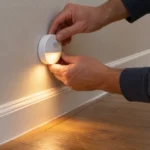
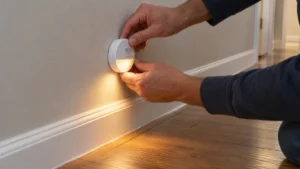
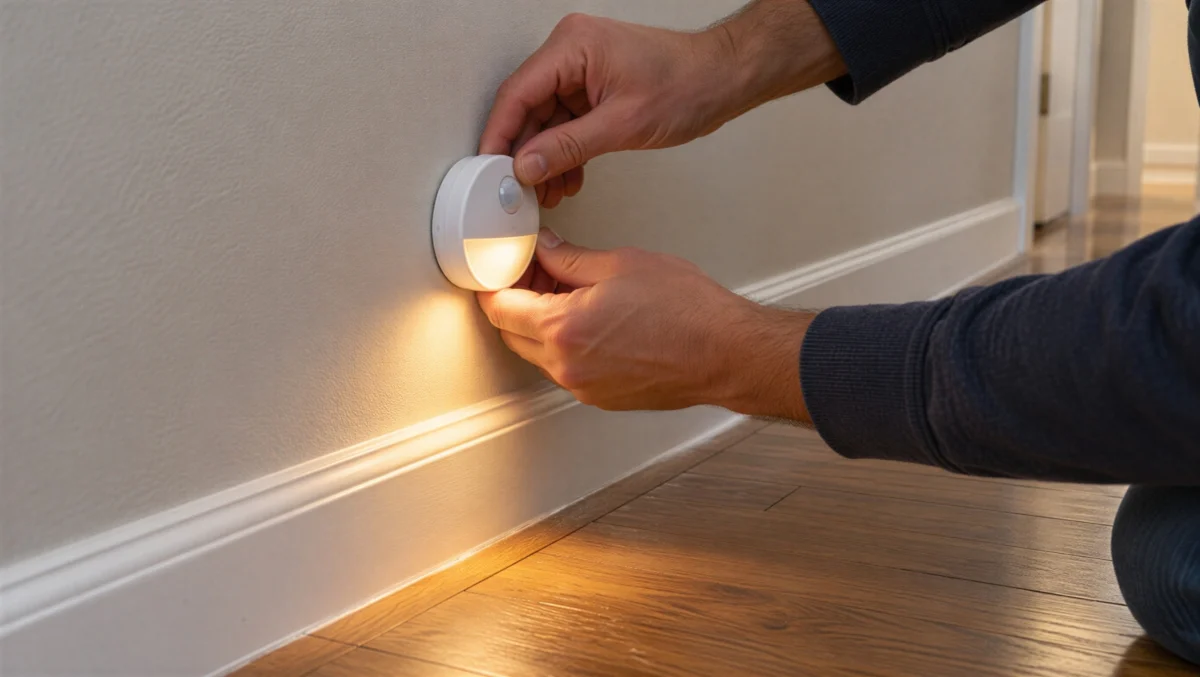
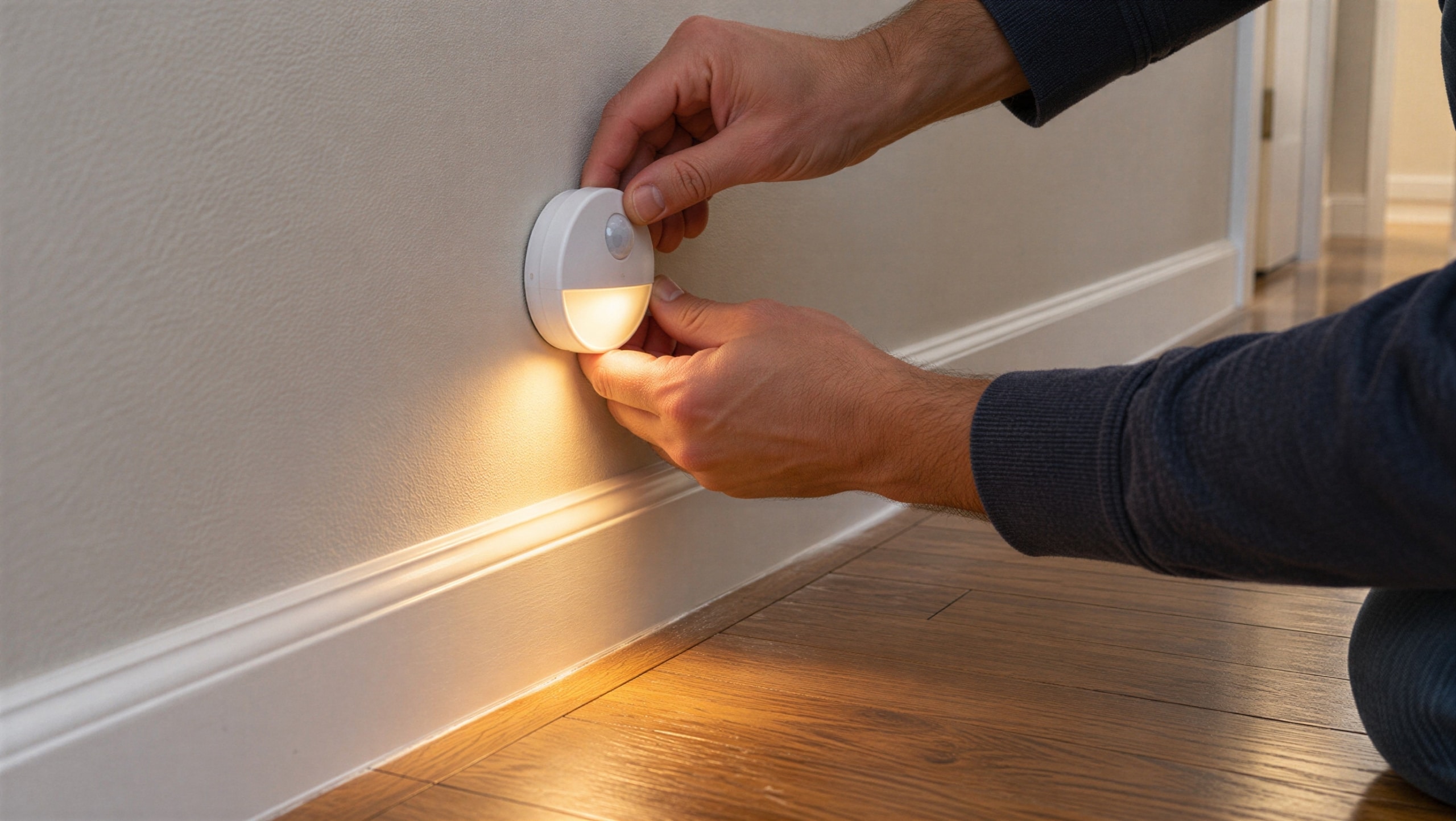
- Strategic Illumination: Install motion-activated lighting in hallways, bathrooms, and kitchens. This removes the need to fumble for switches in the dark, which is a common moment of instability.
- Exterior Preparedness: Solar-powered path lights are an inexpensive and highly effective tool for illuminating walkways. By clearly defining the edges of a path, older adults can navigate their property with confidence, even after the sun has set.
- De-cluttering Protocols: Remove throw rugs, which are notorious for causing slips. Ensure that all high-traffic areas are free from seasonal decor or accumulated mail that can obstruct a clear path.
H3: Navigating the World: Driving and Outdoor Activity
Driving, in particular, becomes significantly more hazardous in the autumn. The combination of low-hanging sun glare in the late afternoon and total darkness in the early evening creates a volatile driving environment.
- Adjusting Schedules: The most effective strategy is the simplest: shift essential errands to the mid-morning or early afternoon. Avoiding the "rush hour" of dusk can eliminate the most dangerous window for drivers with age-related vision changes.
- Vehicle Maintenance: As the temperature drops, so does tire pressure. Ensure that windows and mirrors are free of grime, as even minor streaks can exacerbate the effects of oncoming headlights, causing a "starburst" glare that impairs vision.
Thermoregulation and Health: Protecting the Body
Aging impacts the hypothalamus—the body’s "internal thermostat." As we age, the body becomes less efficient at detecting drops in temperature and initiating the shivering response required to generate heat. This makes older adults uniquely susceptible to hypothermia, even in weather that younger individuals might consider mild.
Clinical Implications:
- Medication Interaction: Certain medications, including those for blood pressure or depression, can interfere with the body’s ability to regulate temperature.
- The Layering Strategy: The "three-layer" system remains the gold standard: a moisture-wicking base layer, an insulating middle layer, and a wind-resistant outer layer. This allows for rapid adjustments as the day’s temperature fluctuates.
- Emergency Kits: A vehicle emergency kit should be mandatory. Beyond a spare tire, it should include a high-visibility blanket, a portable LED flashlight, and high-energy snacks. In the event of a breakdown, staying warm is the immediate priority.
The Role of the Caregiver: Addressing Social Isolation
While the physical hazards of autumn are significant, the psychological impact of the season is equally important. As the weather turns colder, there is a natural tendency for older adults to withdraw from social circles. This seclusion, combined with the earlier onset of darkness, is a documented trigger for Seasonal Affective Disorder (SAD) and general feelings of loneliness.
Official Response: The "Social Prescription"
Health professionals are increasingly advocating for "social prescribing." Caregivers and family members are encouraged to view a phone call, a shared meal, or a ride to a social event as a medical intervention.
- Combatting Loneliness: If you are a caregiver, do not assume your loved one will reach out if they are feeling isolated. Proactively schedule "check-in" times.
- Bridging the Gap: When the evenings are dark and cold, the physical barrier to leaving the house becomes a psychological barrier as well. Offering a ride to a community center, a religious service, or a grocery store provides the older adult with a sense of purpose and connection that is vital for cognitive health.
Implications for Public Policy and Urban Planning
The seasonal shift toward autumn highlights the broader need for age-friendly infrastructure. Urban planners are increasingly looking at "active aging" initiatives that prioritize well-lit pedestrian pathways, longer crosswalk signal times, and the removal of seasonal debris from public thoroughfares.
The Alliance for Aging Research continues to advocate for policies that account for the unique needs of the elderly during seasonal transitions. From ensuring municipal services clear leaves from public walkways to promoting public transit options that operate reliably in the dark, the goal is to create an environment where age does not equate to confinement.
Conclusion: Empowered Aging
The arrival of autumn need not be a period of anxiety. By taking a proactive stance—modifying daily routines to align with daylight, optimizing home lighting, managing temperature exposure, and maintaining strong social ties—older adults can continue to thrive throughout the year.
As Katie Riley, Vice President of Communications for the Alliance for Aging Research, notes, the key lies in preparation and awareness. When we treat safety as a continuous, evolving process rather than a static goal, we empower ourselves to enjoy the beauty of the season while mitigating the risks. Autumn is a time of transition; with the right precautions, it can be a season of continued growth, activity, and connection for the millions of older adults who contribute so much to our communities.
Summary Checklist for Autumn Safety:
- Clear the Path: Remove leaves and debris from all walkways.
- Illuminate: Install motion-sensor lights inside and outside the home.
- Timing is Everything: Schedule travel and outdoor exercise for the brightest hours of the day.
- Layer Up: Dress in layers to combat fluctuating temperatures.
- Connect: Reach out to older family members to prevent isolation during the shorter days.
By integrating these habits into the seasonal routine, we can ensure that the beauty of the turning leaves is matched by the warmth and security of a well-prepared home.