








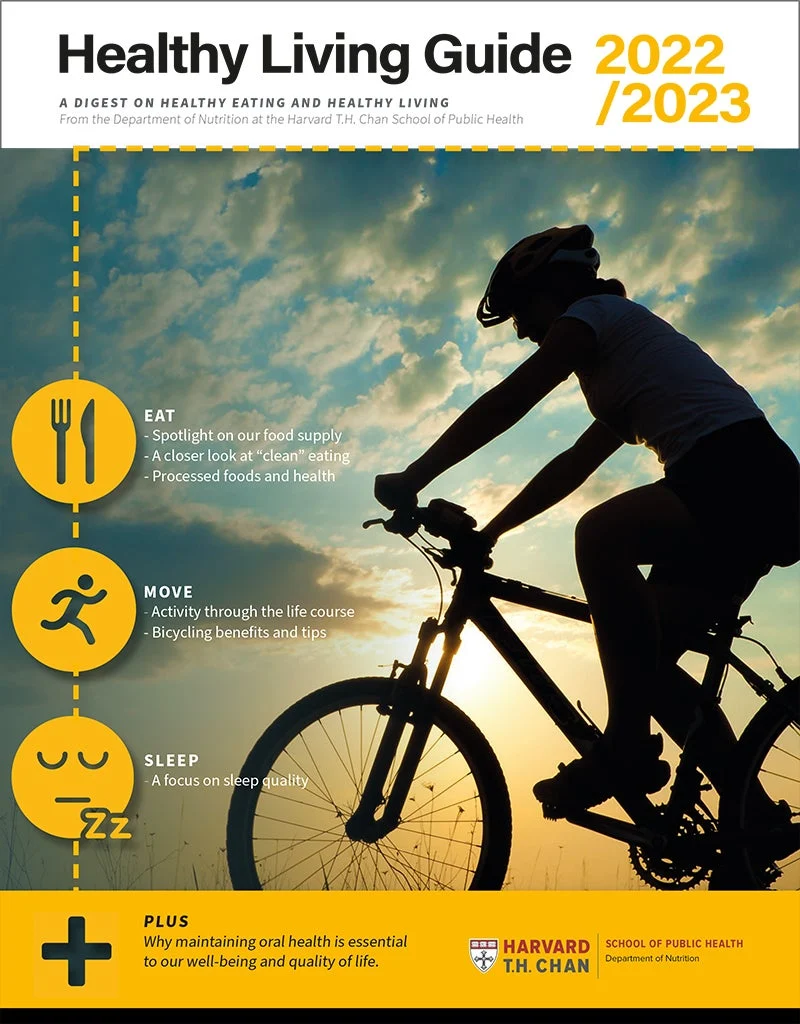
As we move further into the decade, the conversation surrounding global health has shifted from a mere focus on caloric intake to a more complex, holistic understanding of the intersection between food systems, planetary sustainability, and equitable access. The year 2022 served as a pivotal turning point in this discourse, underscored by high-level policy interventions and a renewed academic call to action. To support individuals in navigating this evolving landscape, experts from the Harvard T.H. Chan School of Public Health have released their latest Healthy Living Guide, a resource designed to translate complex nutritional science into actionable daily habits.
Main Facts: A Watershed Moment for National Nutrition
The most significant development in the nutritional sphere during 2022 was the historic White House Conference on Hunger, Nutrition, and Health. Held in September, this event marked the first time the executive branch had convened a national summit on these topics since 1969. The primary objective of the conference was to establish a roadmap for the United States to end hunger, improve nutrition, and bolster physical activity levels by the year 2030.
The administration’s resulting national strategy is multifaceted, aiming to address the "syndemic" of chronic disease, food insecurity, and environmental instability. Key pillars of the strategy include:
- Expansion of Federal Assistance: Strengthening programs like the Supplemental Nutrition Assistance Program (SNAP) to ensure low-income families have consistent access to fresh, nutritious food.
- Clinical Integration: Integrating nutrition into the healthcare system, specifically through the inclusion of "medically tailored meals" under Medicare. This recognizes food as a fundamental component of disease management, particularly for those suffering from diabetes and heart disease.
- Infrastructure for Activity: Enhancing the physical environment to make active transportation and exercise more accessible for all demographics.
However, the strategy is not without its critics. Leading nutrition scientists—including Drs. Frank Hu, Walter Willett, and Lilian Cheung—have lauded the ambition of the initiative while simultaneously pointing out critical policy gaps that threaten to undermine the 2030 goals.
Chronology of the 2022 Nutrition Policy Shift
The path to the 2022 conference was not instantaneous; it was the culmination of years of mounting pressure from public health advocates, academia, and civil society groups.
- Early 2022: As the country began to emerge from the acute phases of the COVID-19 pandemic, data began to solidify regarding the impact of poor nutrition on health outcomes. Researchers highlighted that diet-related illnesses were a significant factor in the severity of pandemic-era health crises.
- Mid-2022: Preparations for the White House conference intensified. Experts and stakeholders submitted testimony regarding the "food environment," moving the conversation beyond individual "choice" toward systemic accountability.
- September 2022: The White House Conference on Hunger, Nutrition, and Health takes place. The administration unveils its comprehensive strategy to address the root causes of hunger and diet-related disease.
- Late 2022: Post-conference analysis begins. Academics and policy analysts review the feasibility of the proposed interventions, identifying both successes and glaring omissions.
- January 2023: In response to the year’s findings, the Harvard Department of Nutrition publishes the Healthy Living Guide, providing a bridge between high-level policy and individual behavior.
Supporting Data: The Scale of the Crisis
The urgency behind the national strategy is supported by sobering data. According to the Centers for Disease Control and Prevention (CDC), nearly half of all American adults suffer from at least one preventable, chronic, diet-related disease. These conditions, which include obesity, type 2 diabetes, and hypertension, are the leading drivers of healthcare spending in the U.S.
Furthermore, the "cost" of nutrition extends beyond medical bills. The environmental cost—often termed the "planetary health" aspect—is equally staggering. Current food production methods are responsible for a significant percentage of global greenhouse gas emissions, biodiversity loss, and water depletion. The Harvard team emphasizes that for a nutrition policy to be truly effective, it must address this dual burden: the health of the individual and the health of the planet.
Official Responses and Expert Critique
While the Biden-Harris administration has been praised for putting nutrition back on the national agenda, the response from the scientific community has been a mixture of optimism and caution.
The Omissions
The primary criticism leveled by Harvard’s nutrition experts involves the "missing pieces" of the national strategy. Specifically, experts noted a lack of robust action in two key areas:
- Marketing to Minors: There is a strong consensus that the unchecked marketing of ultra-processed, high-sugar, and low-nutrient foods to children is a primary driver of childhood obesity. The current strategy fails to implement meaningful federal restrictions on these practices.
- Climate-Food System Transformation: While the strategy acknowledges the need for better eating habits, it does not explicitly outline a transformation of the agricultural and food supply chains to combat climate change. Without addressing how food is grown, processed, and distributed, the strategy risks being a short-term health intervention rather than a long-term sustainability solution.
The Call for Multi-Sector Collaboration
Drs. Hu, Willett, and Cheung have been vocal about the necessity of a "whole-of-society" approach. They argue that the government cannot act in a vacuum. To have a significant impact, the administration must facilitate a coalition between:
- The Public Sector: Regulatory bodies that can enforce healthier standards.
- The Private Sector: Food manufacturers and retailers who control the supply chain.
- Academia: Researchers who provide the evidence-based guidance necessary for policy.
- Philanthropists: Organizations that can fund innovative pilot programs for food security.
Implications: Moving from Policy to Plate
For the average citizen, the macro-level debate over policy can often feel disconnected from the reality of grocery shopping, meal preparation, and daily activity. The Healthy Living Guide released by the Harvard T.H. Chan School of Public Health seeks to reconcile this. It posits that while systemic change is essential, individual agency remains a powerful force.
Small Changes, Large Impacts
The guide emphasizes that "no change is too small." This philosophy is designed to counteract "all-or-nothing" thinking, which often leads to diet failure. Instead, it encourages:
- Incremental Shifts: Replacing a sugary beverage with water, or swapping one refined grain for a whole grain each day.
- Educational Empowerment: Using the guide’s printable tip sheets to understand food labels, portion sizes, and nutrient density.
- Knowledge Retention: The guide includes interactive features and quizzes, encouraging readers to test their knowledge against established nutritional science.
The Future of Healthy Living
Looking toward 2030, the implications of these discussions are clear: the definition of "healthy" is expanding. It is no longer just about macronutrients (carbohydrates, proteins, and fats) but also about the sustainability of the food we consume.
The Harvard experts conclude that we are at a crossroads. We possess the knowledge and the resources to ensure that every person has access to high-quality, sustainable nutrition. The challenge remains one of political will and implementation. As we progress through the remainder of the decade, the integration of these high-level policies with individual choices will be the true test of whether the United States can successfully reverse the trends of hunger and diet-related illness.
Conclusion: Resources for a Fulfilling 2023
As we navigate the post-2022 landscape, the Healthy Living Guide serves as a vital tool for those looking to align their daily lives with the latest in nutritional science. By focusing on sustainable behaviors and evidence-based practices, individuals can contribute to their own long-term health while simultaneously participating in the broader movement toward a more resilient and equitable food system.
Readers are encouraged to download the full guide, utilize the printable summaries for their homes or workplaces, and engage with the ongoing conversation. The road to 2030 is long, but through a combination of informed policy and committed individual action, the goal of a healthier society is within reach.
How to Access the Resources
- Download: The 2022-2023 Healthy Living Guide (PDF)
- Archive Access: To understand the progression of these guidelines, readers may also access the 2021-2022 Healthy Living Guide here.
- Stay Informed: Regularly check the Harvard Nutrition Source website for updates on the implementation of the National Strategy and new research as it emerges throughout the year.