











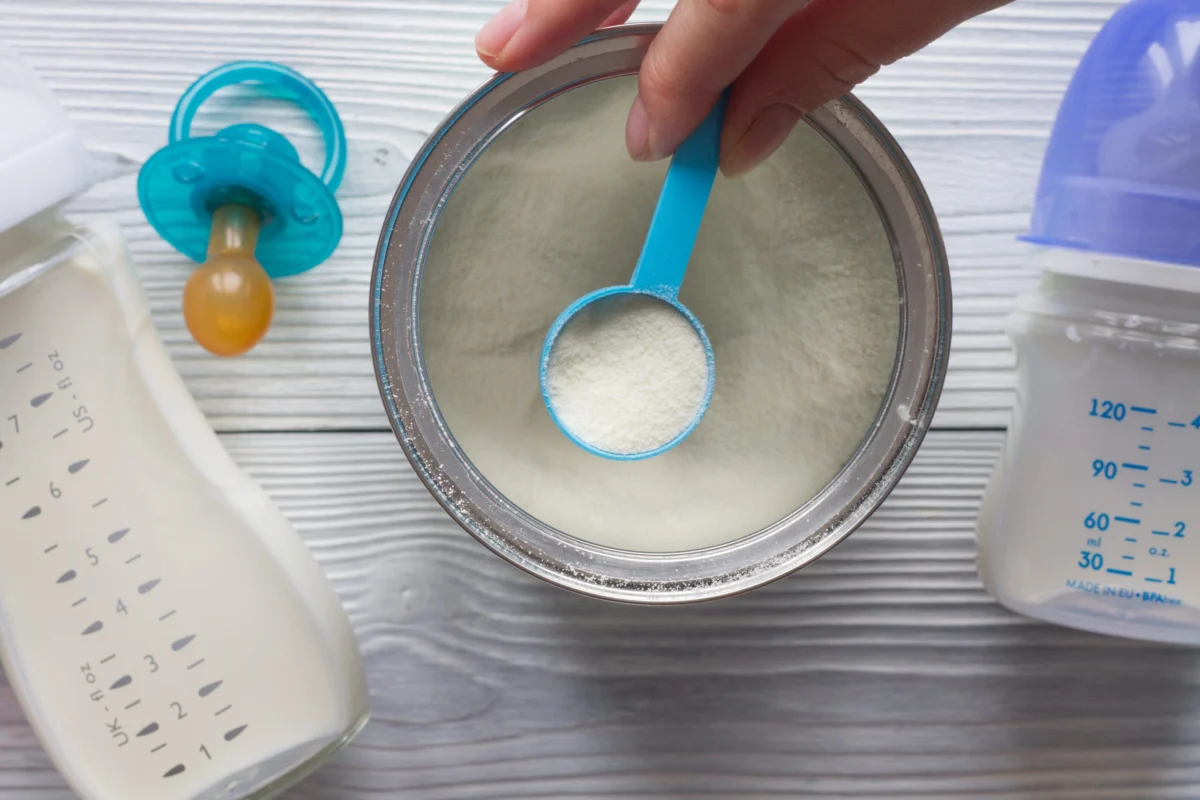
The recent instability in the United States infant formula supply chain has transcended the realm of simple logistical disruption, evolving into a profound public health concern. For millions of American families, the sight of barren store shelves—once a hallmark of disaster preparedness aisles—became a daily reality, forcing parents into a desperate search for the most fundamental requirement of their children’s survival. As the nation reflects on the vulnerabilities exposed by the pandemic and industrial consolidation, experts are calling for a structural overhaul of how we produce, regulate, and distribute infant nutrition.
Main Facts: The Anatomy of a Shortage
At its core, the infant formula crisis is a story of extreme fragility within a highly consolidated market. In the United States, the production of infant formula is dominated by a handful of major corporations. This oligopolistic structure means that a disruption at a single production facility can ripple outward, causing a nationwide deficit.
The crisis reached its zenith following the February 2022 closure of an Abbott Nutrition plant in Sturgis, Michigan, triggered by reports of bacterial contamination and subsequent infant illnesses. Because the U.S. market is so concentrated, the sudden halt in production at this facility—which accounted for a significant percentage of the national supply—led to an immediate and catastrophic shortage.
For many infants, formula is not a matter of preference; it is a physiological necessity. When human milk is unavailable, inaccessible, or insufficient, formula becomes the sole source of nutrition. For infants with specific medical conditions, such as metabolic disorders, severe allergies, or gastrointestinal issues, specialized formulas are not merely options—they are life-sustaining prescriptions. The inability to access these specialized products created a tier of vulnerability that left the most fragile infants at risk of severe health complications.
Chronology of the Crisis
The roots of the instability trace back to the early days of the COVID-19 pandemic. In 2020 and 2021, supply chain bottlenecks, labor shortages, and fluctuations in consumer demand created a baseline of instability.
- Early 2020: Pandemic-induced panic buying leads to sporadic shortages, highlighting the lack of inventory buffers in the retail sector.
- Late 2021: Ongoing supply chain issues are compounded by staffing shortages and the rising cost of raw materials, tightening the supply margin.
- February 2022: The FDA launches an investigation into the Abbott Nutrition plant in Sturgis, Michigan, following reports of Cronobacter sakazakii infections. The plant is voluntarily closed, and a massive recall is initiated.
- Spring 2022: Out-of-stock rates for formula soar, peaking at over 40% in some regions of the country.
- May 2022: The federal government invokes the Defense Production Act to prioritize ingredients for formula manufacturers and initiates "Operation Fly Formula," using military aircraft to import supplies from overseas.
- Late 2022–2023: Regulatory adjustments and a gradual return to full production capacity at major facilities stabilize the market, though the fragility of the system remains a subject of intense congressional and academic scrutiny.
Supporting Data and the Economic Landscape
The economic reality of the formula industry is one of "just-in-time" manufacturing, a model that prioritizes efficiency and low inventory costs over redundancy. According to data from the American Journal of Clinical Nutrition, the U.S. market is uniquely susceptible to shocks because of the high barriers to entry for new competitors.
Regulatory requirements, including stringent FDA labeling and safety protocols, ensure product quality but also create a high cost of entry. Furthermore, the WIC (Special Supplemental Nutrition Program for Women, Infants, and Children) program, which provides a significant portion of formula consumption, relies on state-level exclusive contracts. While these contracts save the government money, they also incentivize a market structure where a few companies control vast swaths of the supply, leaving little room for smaller manufacturers to scale up when a major player fails.
Data from the Bureau of Labor Statistics during the peak of the crisis showed an unprecedented spike in retail prices for formula, driven by supply-demand imbalances and the inability of generic brands to fill the void left by major manufacturers.
Official Responses: Government and Regulatory Action
The federal response to the crisis was characterized by a shift from reactive mitigation to aggressive intervention. The FDA faced significant criticism for the speed of its initial investigation and the delay in communicating the severity of the potential shortage to the public.
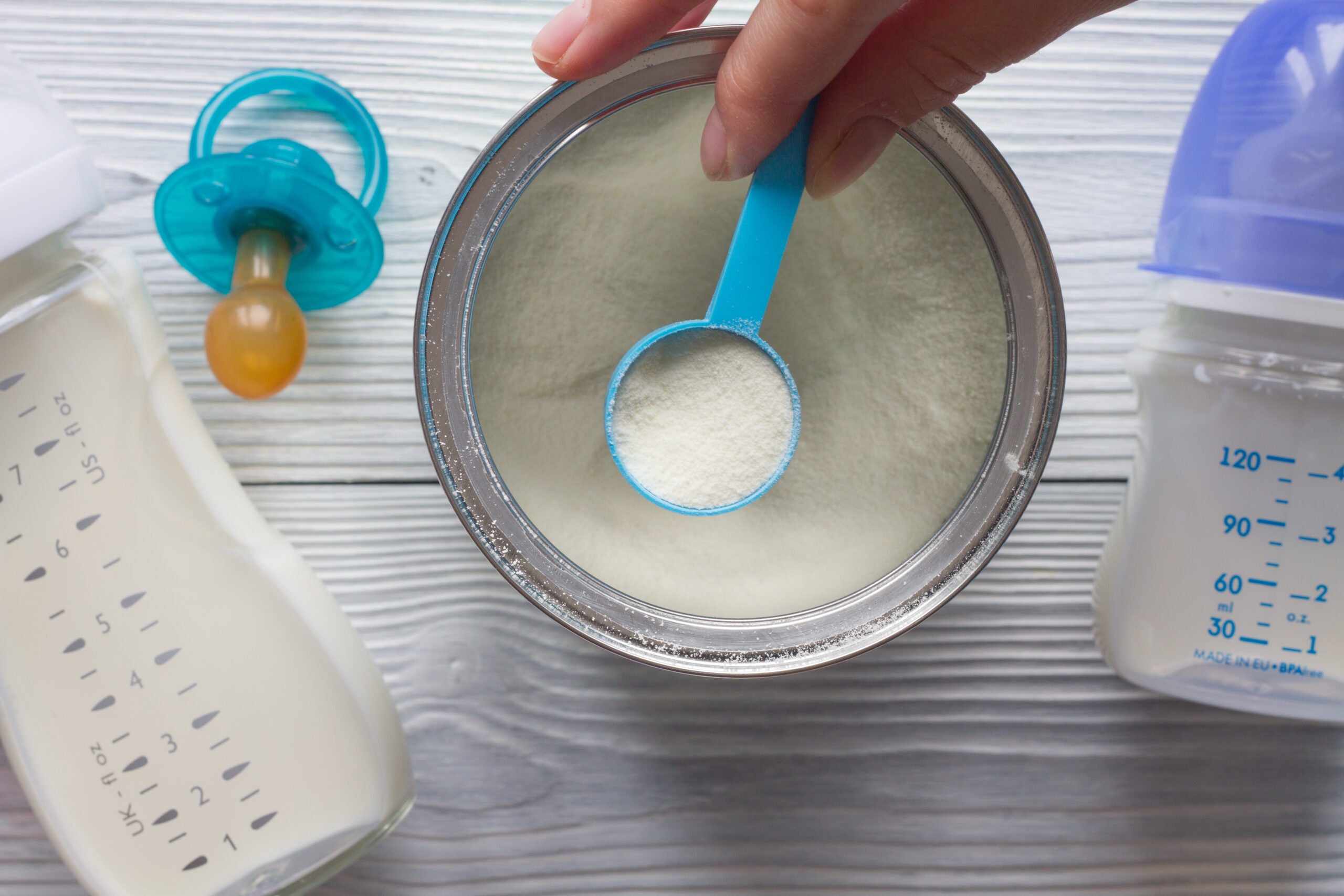
In response, the Biden administration took several high-profile steps:
- Defense Production Act: By prioritizing formula manufacturers for raw ingredients and packaging materials, the government attempted to bypass the commercial supply chain bottlenecks.
- Import Liberalization: The FDA temporarily eased import restrictions, allowing formula produced in countries with comparable safety standards (such as those in the European Union) to enter the U.S. market.
- Operation Fly Formula: This logistics initiative utilized Department of Defense assets to expedite the transport of millions of bottles of formula from international facilities to the U.S.
These measures successfully prevented a total collapse of the supply chain, but they also highlighted a stark reality: the U.S. had become dangerously dependent on international supply chains to maintain basic food security for infants.
Implications for Public Health and Policy
The implications of the crisis extend far beyond the immediate struggle for inventory. It has reignited the national conversation regarding the support structures available to new parents.
The Role of Breastfeeding and Lactation Support
While the medical community advocates for breastfeeding as the gold standard for infant nutrition, the crisis underscored the reality that breastfeeding is not a universal solution. For mothers returning to the workforce within weeks of giving birth—a common occurrence in the U.S. due to a lack of federal paid parental leave—breastfeeding is often physically and logistically impossible. The shortage served as a cruel reminder that when systemic support for families fails, the lack of alternatives for infant nutrition becomes a direct threat to child health.
Strategic Recommendations for Future Resilience
According to experts, preventing a recurrence requires a multi-faceted policy approach:
- Diversifying Supply: Reducing the reliance on a few large-scale manufacturing facilities. Encouraging the entry of smaller, regional producers could create a more robust network.
- Maintaining Strategic Reserves: Similar to how the Strategic National Stockpile manages medical supplies, there is a strong argument for maintaining a national buffer of infant formula, particularly for specialized medical formulas.
- Modernizing FDA Oversight: The FDA requires enhanced resources and more agile inspection protocols to identify contamination issues before they result in nationwide plant closures.
- Revisiting WIC Contracts: Reformulating the bidding process for WIC contracts could encourage a more competitive market, ensuring that no single company holds the power to disrupt the entire supply chain.
- Strengthening Global Partnerships: Maintaining permanent, streamlined pathways for safe international imports ensures that the U.S. can quickly access global supply chains during domestic emergencies.
Conclusion: Lessons Learned
The infant formula shortage of 2022 was more than a supply chain failure; it was a symptom of an economic and regulatory system that had optimized for profit and efficiency at the expense of resilience. As the nation moves forward, the focus must remain on creating a "fail-safe" environment for infant nutrition.
For parents, the most critical lesson remains the importance of vigilance. While the system has stabilized, the volatility of the past two years serves as a stark reminder of the importance of maintaining an emergency supply, consulting with pediatricians about safe alternatives, and staying informed about FDA updates.
Ultimately, the goal is to build a food system that recognizes the unique, non-negotiable needs of the most vulnerable members of society. By diversifying production, enhancing regulatory agility, and bolstering support for all methods of infant feeding, the U.S. can ensure that no family is ever again forced to wonder where their child’s next meal will come from. The security of our infants is not just a family matter—it is a national priority that demands sustained policy attention and institutional commitment.