










Updated on October 13, 2026
Sensitivity note: This article contains detailed information regarding mental health, bipolar disorder, and addiction. Some readers may find these topics triggering.
Cinema has long served as a mirror to the human condition, but for those living with bipolar disorder, that mirror has often been distorted by Hollywood tropes of "mad genius" or "unpredictable villainy." However, a burgeoning genre of nonfiction and biographical films is shifting the narrative. From raw, handheld documentaries to meticulously researched biopics, these films provide more than just entertainment; they offer a lifeline of representation, clinical insight, and a roadmap for recovery.
By examining the lives of world-class athletes, historical artists, and everyday individuals, these films dissect the complexities of the bipolar spectrum—a condition characterized by significant shifts in mood, energy, and activity levels. This comprehensive review explores the most impactful nonfiction films on the subject, their chronological evolution, and their broader implications for public health and destigmatization.
Main Facts: The Power of Lived Experience in Media
Bipolar disorder affects approximately 2.8% of the U.S. population, yet it remains one of the most misunderstood psychiatric conditions. The films selected for this analysis are chosen for their commitment to "lived experience"—the principle that the most authentic accounts of mental health come from those who have navigated the highs of mania and the crushing lows of depression.
Defining the Genres
To understand these films, one must distinguish between the three primary methods of storytelling used in mental health cinema:
- Documentaries: Nonfiction films that use real-life footage and interviews to document reality. (e.g., Of Two Minds)
- Biopics (Biographical Pictures): Feature films that dramatize the life of a real person, often using professional actors to recreate historical events. (e.g., The Dark Horse)
- Dramatizations: Films that may be "inspired by" true events but take significant creative liberties with the timeline or characters to enhance the narrative arc.
The common thread among the following selections is their rejection of caricature in favor of clinical and emotional accuracy.
Chronology: Two Decades of Mental Health Storytelling
The evolution of how bipolar disorder is depicted on screen reflects a broader societal shift toward mental health transparency.
- The Early 2000s (The Advocacy Era): Films like Biography: Patty Duke (2003) focused on "coming out" stories, where public figures used their platform to admit to struggles that were previously kept secret.
- The Mid-2000s (The Global Conversation): Stephen Fry’s 2006 documentary took the conversation to a global scale, moving beyond personal confession into systemic advocacy and the search for "The Secret Life" of the condition.
- 2011–2014 (The Realism Movement): A wave of independent documentaries like Up/Down and Of Two Minds focused on non-celebrities, highlighting the domestic and financial toll of the disorder.
- 2016–Present (The Neuro-Biological & Prestige Era): Recent films like Ride the Tiger and The Electrical Life of Louis Wain blend high-end production values with advanced neuroscience, seeking to explain the "why" behind the "what."
Supporting Data: An In-Depth Look at the Essential Films
1. The Dark Horse (2014)
Focus: Mania, Resilience, and Community Mentorship
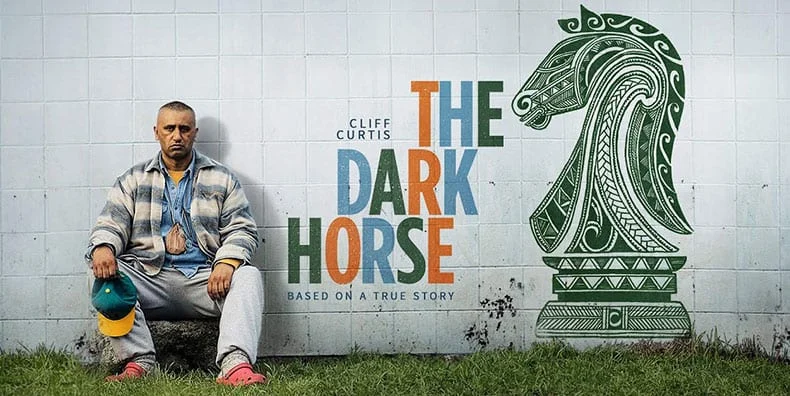
This New Zealand biographical drama tells the story of Genesis Potini, a brilliant speed chess player who lived with bipolar disorder. Rather than focusing solely on his hospitalizations, the film highlights his role in founding the Eastern Knights chess club for disadvantaged youth.
- Clinical Insight: It captures the "pressured speech" and hyper-focus of mania without losing sight of Potini’s humanity.
- Impact: Critically acclaimed, it won Best Picture at the 2014 New Zealand Film Awards and holds a 97% rating on Rotten Tomatoes.
2. Andy Irons: Kissed by God (2018)
Focus: Dual Diagnosis (Bipolar Disorder and Opioid Addiction)
Andy Irons was a three-time world champion surfer and a national hero in Hawaii. This documentary pulls back the curtain on the "People’s Champion," revealing a life bifurcated by extreme athletic success and private agony.
- Clinical Insight: It serves as a stark case study in "dual diagnosis," showing how individuals often use substances to self-medicate the erratic swings of bipolar disorder.
- Impact: The film led to the creation of the Andy Irons Foundation, focusing on mental health resources for youth.
3. Ride the Tiger: A Guide Through the Bipolar Brain (2016)
Focus: Neurobiology and Treatment Innovation
Produced by PBS, this documentary is less a biography and more a scientific exploration. It features prominent figures like former Congressman Patrick Kennedy and author Terri Cheney.
- Scientific Data: The film explores the concept of neuroplasticity and how the brain’s "wiring" differs in those with BD. It demystifies treatments like ECT (Electroconvulsive Therapy) and Lithium.
4. Stephen Fry: The Secret Life of the Manic Depressive (2006)
Focus: Destigmatization and Celebrity Advocacy
Stephen Fry’s two-part BBC documentary is often cited as a turning point in British mental health awareness. Fry interviews fellow luminaries like Carrie Fisher and Richard Dreyfuss.
- Key Insight: Fry explores the "creative trade-off"—the fear many artists have that treating their bipolar disorder will extinguish their "creative spark."
- Recognition: It won the International Emmy for Best Documentary in 2007.
5. The Electrical Life of Louis Wain (2021)
Focus: Historical Context and Visual Creativity
Starring Benedict Cumberbatch, this biopic explores the life of the Victorian artist known for his surreal, anthropomorphic cats.
- Artistic Representation: The film uses vibrant, "electric" cinematography to represent Wain’s sensory processing and manic episodes, providing a visual language for the internal experience of the disorder.
6. Bipolarized: Rethinking Mental Illness (2014)
Focus: Treatment Critique and Patient Autonomy
This documentary follows Ross McKenzie, who, after a diagnosis, seeks alternative therapies due to the debilitating side effects of traditional medication.
- Perspective: While controversial, the film is an essential watch for understanding the "psychiatric survivor" movement and the importance of personalized care.
Official Responses and Public Reception
The reception of these films by the medical community and the public has been overwhelmingly positive, though not without nuance.
Medical Community Response:
Psychiatrists often recommend Ride the Tiger or Of Two Minds to the families of newly diagnosed patients. Dr. Kay Redfield Jamison, a leading expert on bipolar disorder (who also lives with the condition), has frequently noted that accurate media representation reduces the "shame barrier" that prevents people from seeking treatment.
Critical Acclaim:
Film critics have praised The Dark Horse and The Electrical Life of Louis Wain for avoiding the "tragic victim" trope. Instead of ending with the character’s defeat, these films emphasize the concept of "recovery-in-place"—the idea that one can live a meaningful, productive life while managing a chronic mental health condition.
Audience Impact:
Data from mental health advocacy groups suggests that "celebrity disclosure" films, such as Stephen Fry’s, correlate with a spike in calls to mental health helplines. This phenomenon, often called the "Fry Effect," demonstrates the tangible public health benefits of high-profile nonfiction storytelling.
Implications: Why Mental Health Cinema Matters
The proliferation of these films carries significant implications for the future of mental health advocacy and clinical practice.
1. Humanizing the Diagnosis
By putting a face to the DSM-5 criteria, these films transform clinical symptoms into human stories. When an audience sees Andy Irons’ struggle or Genesis Potini’s brilliance, the diagnosis of "Bipolar I" or "Bipolar II" ceases to be a label and becomes a lived reality.
2. Education for Caregivers
Bipolar disorder does not exist in a vacuum; it affects families, friends, and colleagues. Films like Of Two Minds provide caregivers with a window into the internal states of their loved ones, fostering empathy and reducing the "caregiver burnout" that often stems from a lack of understanding.
3. Challenging the "Creativity Myth"
Many of these films tackle the dangerous idea that bipolar disorder is a "gift" that fuels art. By showing the devastating consequences of untreated episodes, they advocate for a balanced view: that while many people with BD are creative, stability is the foundation upon which sustainable creativity is built.
4. Policy and Funding
Documentaries that highlight the biological basis of the disorder, such as Ride the Tiger, provide a compelling case for increased federal funding for brain research. They move the conversation away from "moral failing" and toward "public health priority."
Conclusion: Choosing the Right Narrative
For those looking to deepen their understanding of the bipolar spectrum, the choice of film depends on the desired perspective:
- For scientific understanding, Ride the Tiger is the gold standard.
- For inspiration and resilience, The Dark Horse offers a powerful narrative of community impact.
- For raw honesty regarding addiction, Andy Irons: Kissed by God is essential viewing.
- For historical and artistic context, The Electrical Life of Louis Wain provides a unique aesthetic experience.
As cinema continues to evolve, these nonfiction works stand as vital tools for education, empathy, and the ongoing fight against mental health stigma. They remind us that while the "tiger" of bipolar disorder can be difficult to ride, it is a journey that no one has to take alone.