









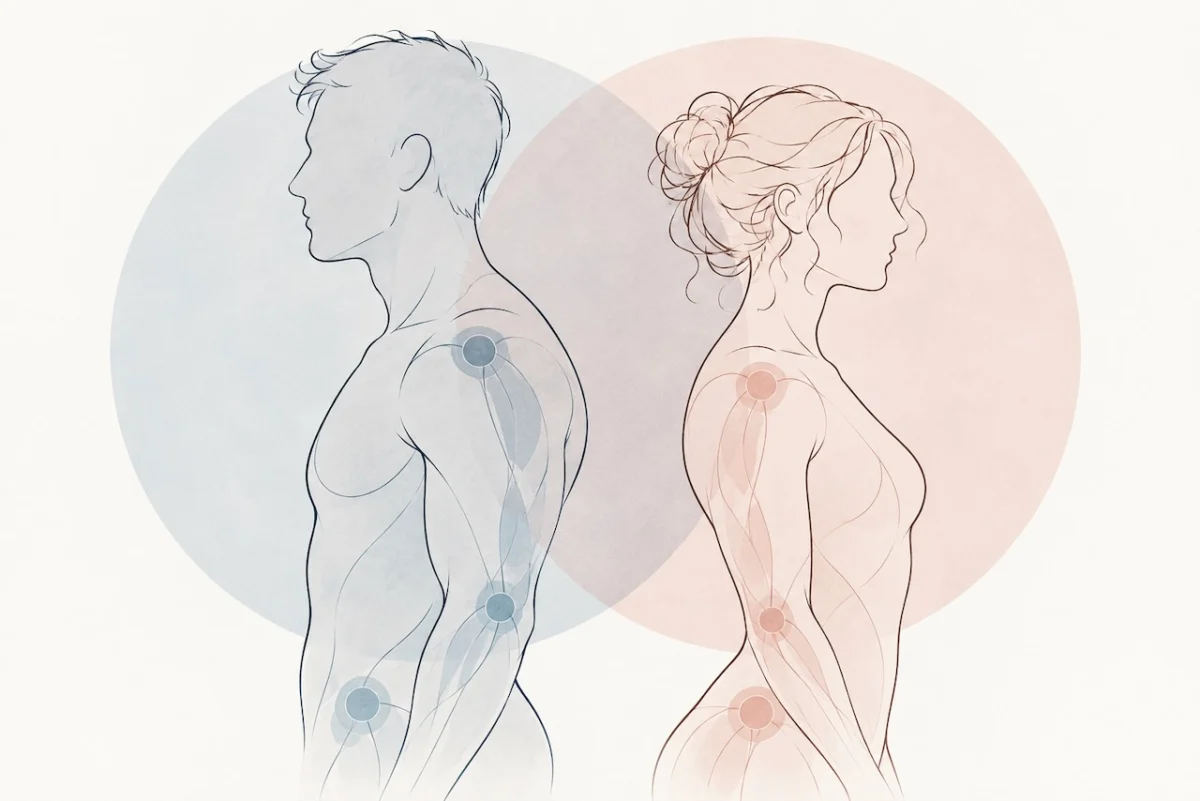
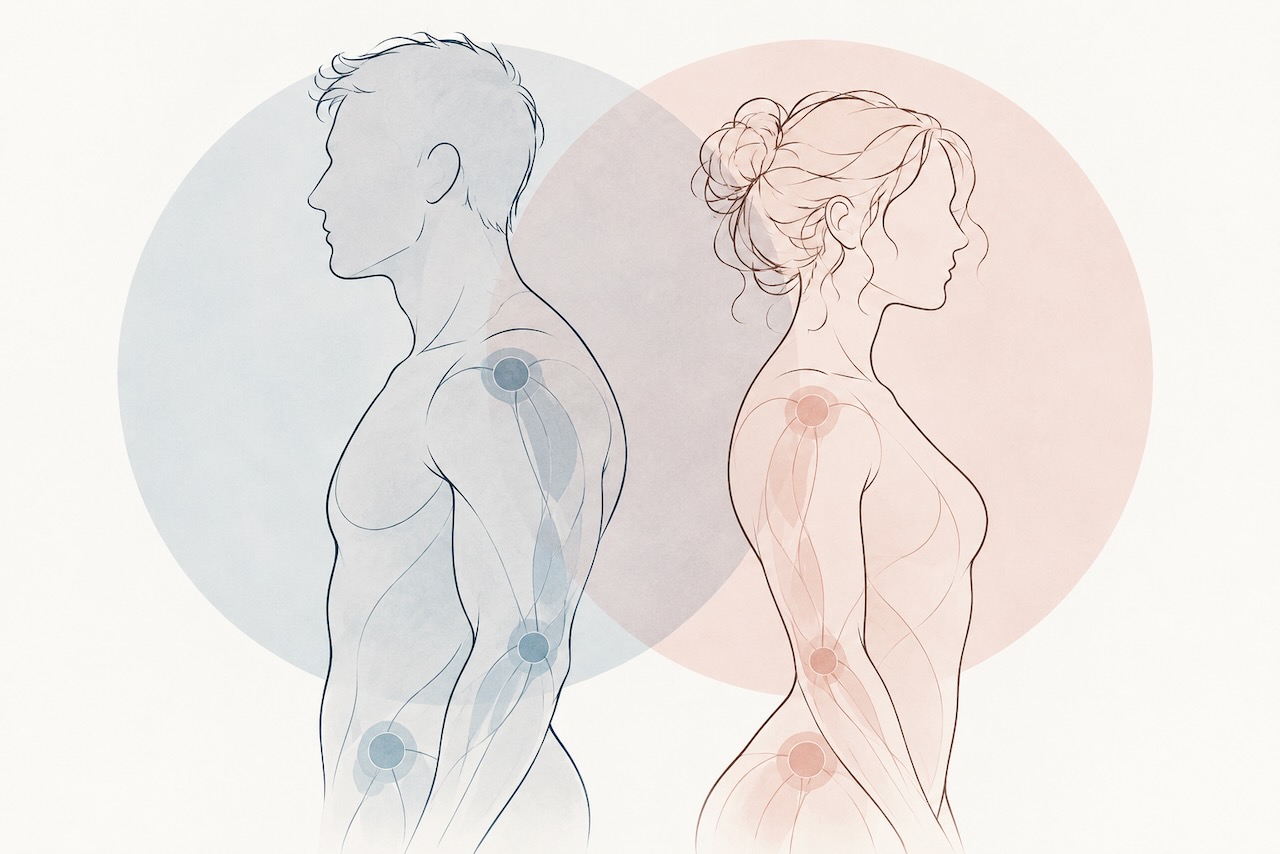
For decades, the clinical narrative surrounding Hypermobile Ehlers-Danlos syndrome (hEDS) and Hypermobility Spectrum Disorders (HSD) has been overwhelmingly framed through a female lens. A visit to any support group, specialized clinic, or online forum reveals a stark visual reality: the vast majority of patients are women. This demographic skew has led to a persistent medical bias, where the conditions are often perceived as "women’s diseases."
However, a landmark 2026 study from the Mayo Clinic’s EDS Clinic in Florida challenges this traditional understanding, suggesting that the clinical imbalance may be a combination of biological divergence and systemic diagnostic failure. By analyzing the experiences of over 2,400 patients, researchers have begun to map the distinct, and often overlooked, ways in which these connective tissue disorders manifest in men.
Main Facts: The Anatomy of a Disparity
The study, which examined data from 2,451 adults diagnosed with hEDS or HSD between 2019 and 2025, provides the most granular look at sex-based differences in hypermobility to date. The data confirms a profound clinical imbalance: in the hEDS cohort, 90.6% of patients were female, while in the HSD cohort, that number climbed to a staggering 95%.
Despite an expected 1:1 sex ratio for an autosomal dominant condition, the clinical reality is closer to a 10:1 ratio for hEDS and a 20:1 ratio for HSD. The central question posed by researchers is whether this gap is purely biological—driven by hormone-mediated differences in symptom severity—or if it represents a "diagnostic blind spot" where men are falling through the cracks of a system tuned to recognize female-typical symptoms.
Chronology: A Path to Discovery
The research journey leading to these findings reflects the evolving urgency in connective tissue research:
- 2019–2025: The data collection phase. Researchers at the Mayo Clinic in Florida gathered intake questionnaires covering 122 unique symptoms and comorbidities. The scope included neurological, gastrointestinal, sleep, immunological, and psychological health.
- Early 2026: Initial analysis began, focusing on the "disease burden"—the aggregate count of symptoms experienced by each patient.
- Late 2026 (Current Status): The study was released as a preprint. While awaiting formal peer review, its methodology and large sample size have already sparked significant discussion within the rheumatology and genetics communities.
The timeline of this research marks a shift from merely observing that "most patients are women" to actively investigating the "why" behind that observation.
Supporting Data: Where the Lines Diverge
The study’s core strength lies in its breakdown of the 122 symptoms, revealing that while men and women share many core challenges—such as chronic pain and fatigue—the secondary manifestations diverge significantly.
Neurological and Gastrointestinal Burdens
Women reported a higher frequency of symptoms across nearly every category. Neurological markers, including "brain fog," migraines, vertigo, and chronic neuropathy, were consistently more prevalent in female cohorts. Similarly, GI distress—specifically nausea, vomiting, and constipation—showed a strong female bias, particularly within the HSD population.
The Mast Cell Factor
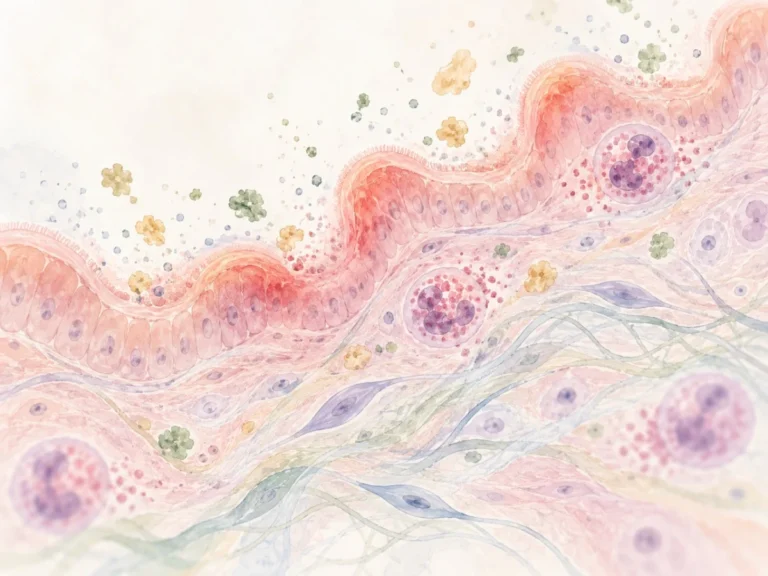
One of the most compelling findings involves mast cell activation. Researchers developed a "mast cell score" based on 11 categories of allergic and immune-mediated symptoms. Women with HSD exhibited significantly higher mast cell scores than their male counterparts. This suggests that for HSD patients, sex-based differences in immune regulation may be a primary driver of the higher symptom burden seen in women. In contrast, hEDS patients showed more equitable mast cell activity, suggesting that in hEDS, the genetic driver is more uniform across sexes.
The "Male-Typical" Symptoms
Only five of the 122 symptoms were more common in men: ADHD, autism spectrum disorder, developmental delays, snoring, and obstructive sleep apnea. Crucially, the researchers noted that these conditions are statistically more common in males in the general population, suggesting that men with hypermobility may simply be presenting with the "typical" male phenotype for neurodevelopmental and sleep issues, which may mask their underlying connective tissue disorder.
Official Perspectives and Expert Interpretation
While the study is currently a preprint, its implications have been widely noted by medical professionals who treat connective tissue disorders. Dr. Jacqueline Moltzau Anderson, a researcher involved in the analysis, highlights that the lower symptom burden in men should not be interpreted as an absence of pathology.
"We are seeing a different pattern of suffering," Dr. Anderson noted in her recent summary of the findings. "Because men are not reporting the same high-frequency, multi-systemic symptoms as women, they are often not flagged for further testing by primary care physicians. They are essentially being filtered out of the diagnostic process before they ever reach an EDS specialist."
The study authors argue that testosterone likely plays a protective role in joint stability, which may explain why men report fewer subluxations. However, this protection does not extend to the neurological or systemic manifestations, meaning the "hidden" symptoms in men are often the ones that go untreated.
Implications: The Road Toward Equitable Care
The implications of this research are twofold: they provide a mandate for clinical education and a framework for patient advocacy.
Clinical Awareness
Medical providers must be trained to look beyond the "classic" hypermobility profile. For a male patient presenting with chronic pain, early-onset sleep apnea, or neurodivergence, clinicians should consider whether these symptoms are occurring in the context of hEDS or HSD. The current diagnostic criteria, which were heavily influenced by female-heavy cohorts, may inadvertently be too narrow for male presentations.
Diagnostic Reform
The study highlights the danger of the "diagnostic gap." If a man is not suspected of having EDS because he does not report the same symptom density as a woman, his treatment plan will fail to address the root cause of his systemic issues. This creates a cycle where men remain under-diagnosed and, consequently, under-represented in future clinical trials.
The Path Forward
For the patient community, these findings serve as a tool for validation. Men who have felt dismissed by a healthcare system that views hypermobility as a condition that "doesn’t happen to guys" now have evidence-based data to support their pursuit of a diagnosis.
As the medical community moves toward a more personalized model of care, the distinction between hEDS and HSD—and the recognition of how sex influences these conditions—will be paramount. The goal is no longer to ask why there are so few men in the clinic, but rather to ensure that the ones who are there receive the same standard of care, diagnostic rigor, and symptom management as their female peers.
In conclusion, while the 2026 Mayo Clinic study confirms that the "typical" hEDS or HSD patient remains female, it successfully dismantles the myth that these are gender-exclusive conditions. By understanding the unique, lower-burden, yet highly impactful profile of hypermobility in men, the medical community can move closer to an inclusive standard of care that leaves no patient behind.