








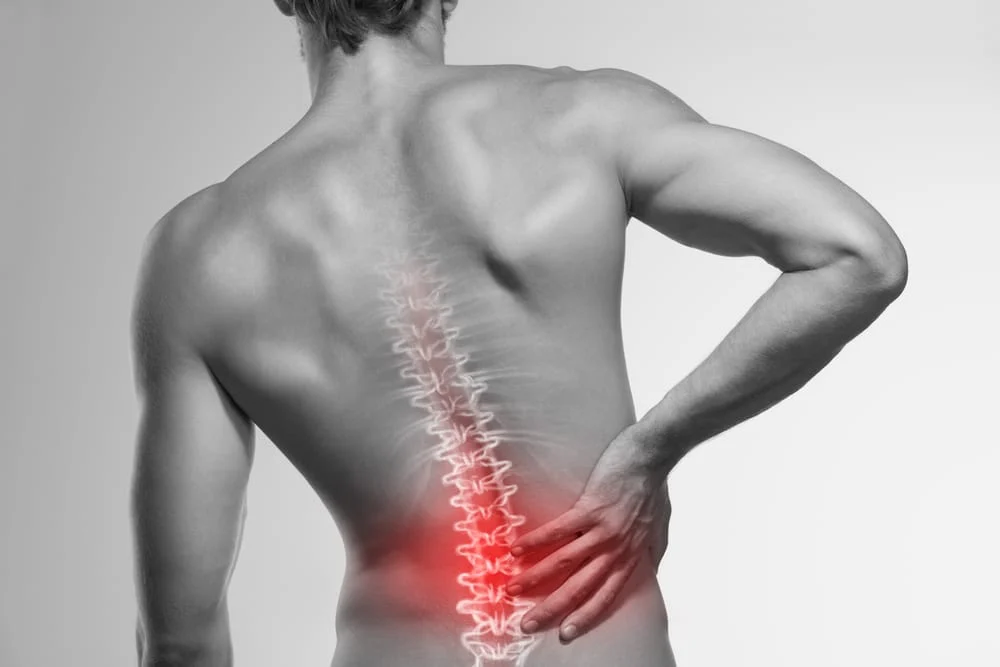
In the landscape of modern medicine, few conditions are as debilitating or as pervasive as chronic pain. For millions, the daily reality is a persistent, nagging struggle that dictates the boundaries of their existence, limiting mobility, productivity, and overall joy. At the forefront of this battle stands the Southwest Florida (SWFL) Pain Center, an institution that has redefined the standard of care by pivoting away from the traditional, often over-reliant model of pharmacological management toward a sophisticated, evidence-based approach known as Interventional Pain Management.
By merging cutting-edge diagnostic imaging with precision-guided surgical techniques, the SWFL Pain Center is proving that a pain-free life is not merely a distant hope, but an achievable reality for those who have long suffered in silence.
Main Facts: The Philosophy of Precision
The core mission of the SWFL Pain Center is predicated on a fundamental shift in medical philosophy: rather than masking symptoms with systemic medications—which often carry the risk of dependency and side effects—the center seeks to identify and treat the root cause of discomfort.
The facility’s approach is defined by what clinicians there call "high tech meets high touch." This refers to the synergy between advanced medical machinery and a patient-centered care model. The center specializes in interventional techniques that bypass the need for traditional open surgery or long-term medication regimens. By utilizing highly advanced imaging technologies, the medical staff can visualize the exact source of nerve, joint, or spinal irritation, allowing for microscopic accuracy in therapeutic delivery.
Key services offered include:
- Spinal Cord Stimulation (SCS): Utilizing electrical impulses to disrupt pain signals before they reach the brain.
- Radiofrequency Ablation (RFA): A procedure that uses heat to deactivate specific nerve endings, providing long-term relief for chronic joint and spinal pain.
- Discography: A diagnostic procedure used to determine the exact structural source of back pain.
- Fluoroscopy and Ultrasound-Guided Injections: Precision-targeted deliveries of anti-inflammatory agents to ensure maximum efficacy with minimal tissue disruption.
Chronology: The Transition Toward Interventional Care
The trajectory of pain management has evolved significantly over the last three decades. Historically, the medical community’s response to chronic pain was predominantly conservative, relying heavily on physical therapy or aggressive opioid prescription regimens. However, as the limitations of these methods became apparent—specifically regarding patient quality of life and the risks of long-term medication use—a demand for specialized interventional centers grew.
Phase 1: The Diagnostic Era (Early 2000s)
The early years of specialized pain centers focused on diagnostic clarity. Before the advent of high-resolution fluoroscopy, physicians often treated the "region" of pain rather than the specific nerve or disc involved. The integration of advanced imaging allowed clinics like SWFL to transition from "pain control" to "pain resolution."
Phase 2: The Technological Integration (2010–2017)
As surgical suites were brought on-site, the landscape changed. By removing the need for hospital-based outpatient departments, the SWFL Pain Center was able to provide a more controlled, sterile, and patient-friendly environment. This period marked the shift toward minimally invasive techniques like radiofrequency ablation, which moved pain management out of the recovery ward and into a same-day procedural model.
Phase 3: The Modern Era (Present Day)
Today, the center focuses on personalized treatment pathways. The current era is characterized by "bio-psychosocial" care, where the physical intervention is complemented by an environment designed to reduce the stress and anxiety often associated with medical treatment. The "artistic atmosphere" noted by local publications like Harborstyle Magazine is no accident; it is part of a deliberate design to lower cortisol levels and promote healing through a soothing physical environment.
Supporting Data: Why Interventional Approaches Succeed
The efficacy of interventional pain management is supported by a growing body of clinical data that highlights the failure of long-term conservative management for certain conditions.
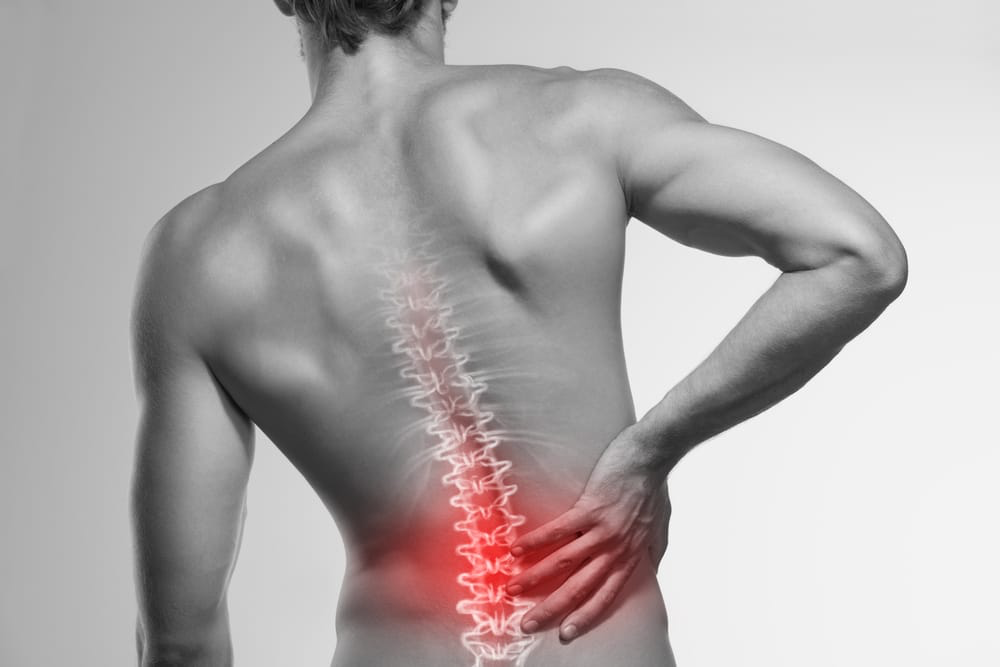
- The Failure of Conservative Care: Studies have shown that for patients with chronic radiculopathy or discogenic pain, oral medications provide only a 30% reduction in pain intensity. Conversely, interventional procedures—such as epidural steroid injections or nerve blocks—have demonstrated a 60% to 80% improvement in functional capacity scores within the first six months of treatment.
- Reduction in Opioid Dependency: The CDC and various health organizations have noted that interventional pain management is a critical tool in the national effort to curb opioid reliance. By addressing the physical cause of pain, patients often find they can taper off systemic medications entirely, drastically reducing the risks of sedation, cognitive decline, and addiction.
- Precision Metrics: The use of ultrasound and fluoroscopic guidance reduces the margin of error in procedures to less than 2 millimeters. This precision ensures that therapeutic agents are placed exactly where needed, minimizing damage to surrounding muscle and connective tissue, which translates to shorter recovery times and higher patient satisfaction ratings.
Official Responses and Clinical Perspectives
Medical directors at the SWFL Pain Center emphasize that the center’s "award-winning combination" is not just about the machinery, but the diagnostic rigor applied to every patient intake.
"We do not treat a chart; we treat a person," says one of the lead clinicians. "Many of our patients arrive having been told by other specialists that they simply have to ‘live with it.’ Our response is to perform a granular, systemic review of the spinal and nervous system to see what has been missed. Often, it is a very small, treatable nerve entrapment or disc issue that was invisible on lower-quality imaging."
The feedback from the patient community, as highlighted in regional coverage, underscores the "high touch" aspect of the practice. Patients frequently report that the soothing environment of the facility helps mitigate the clinical anxiety that often prevents individuals from seeking necessary care. The consensus among the clinical staff is that the physical environment is an extension of the therapeutic process.
Implications: The Future of Pain-Free Living
The implications of the success seen at the Southwest Florida Pain Center are far-reaching. As the aging population in Florida and across the United States continues to grow, the demand for effective, non-narcotic pain solutions will reach an all-time high.
Addressing the Aging Demographic
Chronic pain is often a byproduct of the natural wear and tear associated with aging. By providing sophisticated outpatient options, the SWFL Pain Center allows seniors to remain active and independent. The ability to manage chronic spinal or joint pain without the risks associated with general anesthesia or long-term hospital stays is a game-changer for this demographic.
The Shift in Healthcare Economics
From an economic standpoint, the interventional model is significantly more cost-effective than the "revolving door" model of chronic care. By addressing the root cause, the center reduces the need for repeated emergency room visits, physical therapy cycles that yield little progress, and the management of complications arising from long-term pharmaceutical use.
The "New Normal" for Chronic Pain
The standard established by the SWFL Pain Center suggests that the future of medicine lies in the personalization of care. Patients no longer need to accept a life defined by pain. By leveraging technological advancements—such as spinal cord stimulation and advanced ablation techniques—the center has set a benchmark for what a dedicated pain management facility should look like in the 21st century.
Final Thoughts
The journey to a pain-free life is rarely linear, but with the right diagnostic tools and a commitment to interventional precision, it is a journey that can reach a successful conclusion. The Southwest Florida Pain Center continues to serve as a beacon for those struggling with the limitations of chronic pain, proving that through a combination of high-tech innovation and a compassionate, high-touch environment, it is possible to reclaim one’s quality of life.
Whether dealing with the consequences of an injury, the wear of age, or chronic neurological conditions, the message from the center is clear: aggressive, targeted, and thoughtful medical intervention is the key to breaking the cycle of pain. As medical technology continues to advance, the SWFL Pain Center remains committed to being the vanguard of this quiet revolution in patient care.