









WASHINGTON, D.C. — In the high-velocity landscape of the nation’s capital, where the rhythm of life is often dictated by legislative calendars and the relentless "chaotic hustle" of professional ambition, it often takes a literal act of nature to force a collective pause. In September 2026, that pause was catalyzed by the fall of a single, 55-year-old oak tree in the north end of Dupont Circle.
What began as a routine casualty of a late-summer storm has evolved into a profound case study on urban community, the psychological necessity of "third spaces," and the power of shared vulnerability in an age of digital isolation.
Main Facts: The Storm and the Sentinel
On the night of September 13, 2026, a torrential storm swept through the District of Columbia. While the event was brief—lasting only a single night—its intensity was sufficient to cause widespread power outages, school cancellations, and the felling of numerous trees across the metropolitan area. To a city accustomed to the "fickle, thunderous summers" of the Atlantic coast, the storm initially appeared to be a mundane, if inconvenient, weather event.
However, for the residents of the Dupont Circle neighborhood, the storm’s most significant impact was not found in a downed power line, but in the loss of a fixture that had stood for over half a century. A massive oak tree, a silent witness to five decades of D.C. history, was snapped by the "wicked wind and pelting rain."
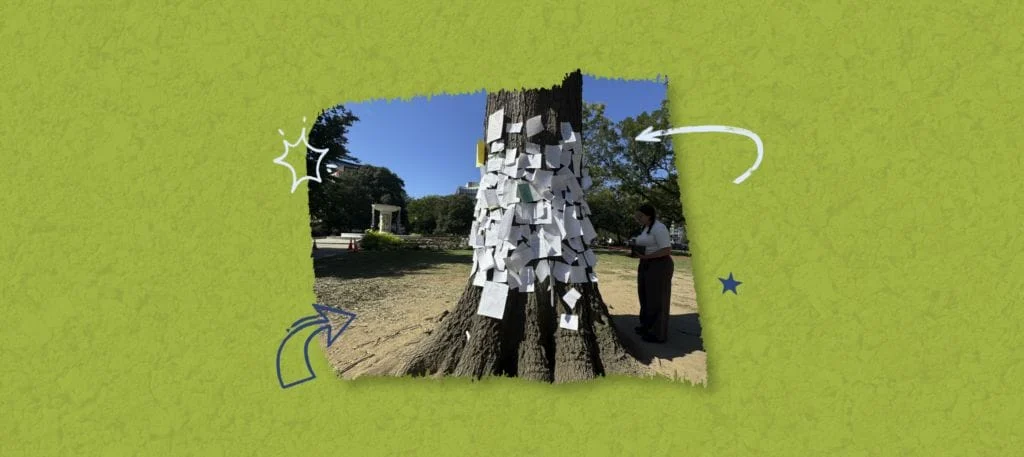
Today, where a towering canopy once provided shade for generations of Washingtonians, only a 15-foot stump remains. Its roots, described by locals as "knobs and bulging grooves like limbs hugging the soil for dear life," now serve as a physical reminder of what was lost. Yet, in its absence, the tree has facilitated a level of community engagement rarely seen in the modern urban environment, sparking a grassroots memorial movement characterized by handwritten notes, sketches, and public displays of grief and gratitude.

Chronology: From Destruction to Dialogue
The Night of the Storm
The weather event of September 2026 was deceptive. Most Washingtonians slept through the peak of the wind, unaware that the city’s landscape was being fundamentally altered. By dawn, the "outskirts of fickle" summer weather had moved on, leaving behind a trail of debris that necessitated the closure of several school districts.
The Discovery
As the community emerged on the morning of September 14, the loss of the Dupont Oak became a focal point. For many, the tree was more than flora; it was a "halfway marker toward home" or a sanctuary for "afternoons lazed underneath." The sight of the 15-foot stump jarringly interrupted the morning routines of commuters and residents.
The First Note
The transformation of the stump into a "Memorial Tree" began with a single anonymous gesture. Someone tacked a note to the remaining bark, posing a philosophical question that resonated with the neighborhood’s collective mood: “When you’re falling in Dupont and there’s nobody around, did you ever even crash or even make a sound?”
The Groundswell
Within 48 hours, the stump was covered in dozens of messages. The dialogue expanded across generations and backgrounds. Men in business suits, parents with strollers, teenagers, and elderly residents walking dogs began to "pause" at the site. The mundane act of passing through a park was replaced by the intentional act of reading, writing, and speaking to strangers about the shared history of the space.
Supporting Data: The Psychological Value of Urban Nature
The reaction to the fallen Dupont Oak is supported by a growing body of research regarding the "shared history of humans and oaks." According to data cited by the National Institutes of Health (NCBI), the relationship between humans and oak trees is deeply embedded in cultural and emotional frameworks, often translating into symbols of strength and resilience.
Furthermore, the "Memorial Tree" phenomenon addresses several modern psychological crises:
- The Digital Dopamine Loop: In a society described as "cycling between pushing the envelope and playing catch up," the fallen tree provided a "quiet interruption." It broke the impulse to seek the next "dopamine hit" from a screen, replacing it with a tangible, tactile connection to the physical world.
- The "Third Space" Necessity: Dupont Circle serves as a vital "third space"—a social environment separate from the two usual social environments of home ("first space") and the office ("second space"). The loss of a landmark within this space often triggers a "collective grief" that can lead to increased community bonding.
- Loneliness and Visibility: The notes on the tree frequently referenced the adage "to be loved is to be seen." In an era where urban residents often feel like "strangers" despite physical proximity, the memorial forced a moment of mutual recognition.
Official Responses and Advocacy Perspectives
Active Minds, a leading national nonprofit organization dedicated to mental health advocacy, has highlighted the Dupont Circle event as a vital reminder of the "ecosystem" of community care. The organization posits that the tree’s fall did more than clear a patch of sky; it cleared a path for vulnerability.
"We are only strangers as long as we don’t see one another," the organization noted in a statement following the event. "Let your routine be interrupted and celebrate the dose of community that comes in appreciating the mundane."
This sentiment aligns with Active Minds’ broader mission, including initiatives like the Mental Health Advocacy Institute (MHAI). The MHAI, which supports college students in implementing mental health action plans on their campuses, emphasizes that change—much like the community response in Dupont—begins with "small, intentional steps."
The advocacy community sees the Dupont Oak memorial as a real-world application of "peer education" and "stress management," where the community self-organized to process loss and reinforce social ties without the need for formal intervention.

Implications: Vulnerability as a Cultural Shift
The events in Dupont Circle mirror a larger cultural shift toward emotional wellness and the dismantling of stigma. The diverse array of notes—ranging from "praise and thanks" to "promises to not take for granted what we have"—reflects a growing comfort with public expressions of mental health needs.
Breaking Cultural Silence
The dialogue at the stump also touches on the challenges faced by immigrant families in the D.C. area. As explored in recent advocacy literature, many immigrant households operate under the phrase "log kya kahenge?" ("What will people say?"), which often prioritizes the image of strength over emotional expression. The public nature of the Dupont memorial, where residents of all backgrounds shared their "grief" and "hope," represents a departure from this culture of silence.
The Role of Youth Advocacy
The "teenagers with friends" who paused at the tree represent a generation increasingly defined by their willingness to mobilize for mental health. As seen in the stories of student advocates who have successfully lobbied for the "988 Suicide and Crisis Lifeline" to be added to student IDs, the youth response to the fallen oak is part of a larger trend of "turning ideas into action."
Conclusion: "And the Tree Was Happy"
As of late September 2026, the 15-foot stump in Dupont Circle remains a site of active conversation. While the physical tree is gone, its role as a "kindred" spirit to the neighborhood has been solidified. The event serves as a poignant reminder that in a "world of finite time and infinite possibilities," the most valuable asset a community possesses is its ability to "see" one another.
The final note tacked to the tree, a reference to Shel Silverstein’s The Giving Tree, perhaps summarizes the event best: "And the tree was happy." In its fall, the oak provided one last service to the city: it reminded a "chaotic" community that they are not alone in the storm, provided they are willing to stop, read the notes, and talk to the person standing next to them.

About Active Minds
Active Minds is the nation’s premier nonprofit organization supporting mental health awareness and education for young adults. Through a network of more than 600 campus chapters and national programs like the Mental Health Advocacy Institute, Active Minds is dedicated to opening the conversation about mental health and creating lasting systemic change.