








Introduction: A Silent Global Epidemic
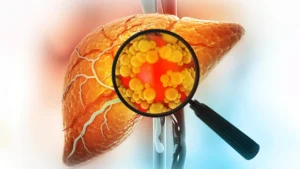
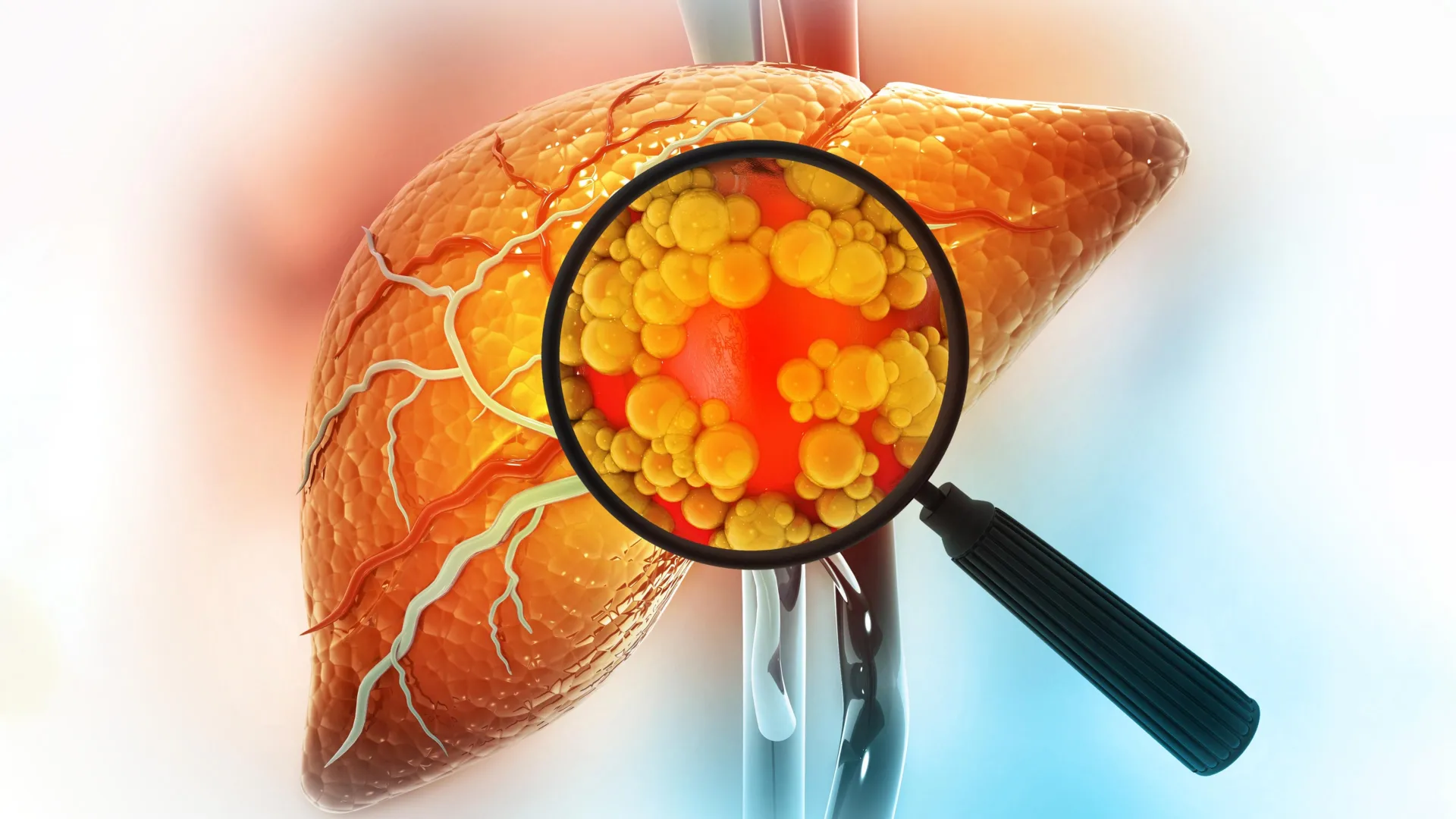
Metabolic dysfunction-associated steatotic liver disease (MASLD) has quietly emerged as one of the most pressing public health crises of the 21st century. Affecting approximately 40% of the adult male population worldwide, this condition—characterized by the abnormal accumulation of fat within the liver—represents a spectrum of disease ranging from simple steatosis to severe inflammation and fibrosis. While medical professionals have long identified obesity, type 2 diabetes, and high-fructose diets as primary drivers, the biological "crosstalk" between these factors has remained frustratingly opaque.
A groundbreaking study, recently published in the American Journal of Physiology-Endocrinology and Metabolism, has unveiled a critical missing piece of this puzzle. By investigating the synergistic relationship between hormonal health and dietary habits, researchers have discovered that low testosterone levels and high fructose consumption do not merely act independently to harm the liver; rather, they initiate a biological chain reaction involving the gut microbiome that significantly accelerates fat storage.
The Chronology of Discovery
The research, spearheaded by Hiroki Takahashi and Associate Professor Naoki Harada at the Graduate School of Agriculture, was born from a desire to understand why individual lifestyle modifications often fail to fully reverse liver damage in specific patient demographics.
Phase I: Experimental Design
To test the hypothesis that low testosterone exacerbates the liver-damaging effects of fructose, the team established a controlled environment using eight-week-old male mice. The subjects were divided into six distinct cohorts to isolate variables:
- Sham/Control: Normal testosterone, standard diet.
- Sham/Fructose: Normal testosterone, high-fructose intake.
- Sham/Fructose + Antibiotics: Normal testosterone, high-fructose, gut bacteria modulation.
- Castration/Control: Reduced testosterone, standard diet.
- Castration/Fructose: Reduced testosterone, high-fructose intake.
- Castration/Fructose + Antibiotics: Reduced testosterone, high-fructose, gut bacteria modulation.
Phase II: Multi-Level Analysis
Over the study period, the team did not rely on a single metric. Instead, they utilized a holistic approach, analyzing liver tissues, blood plasma markers, organic acids extracted from the cecum, and the complex microbial populations residing in the gut. This multi-layered data collection was essential to determine if the liver’s decline was a localized event or part of a systemic metabolic collapse.
Phase III: The Revelation
The researchers observed that while low testosterone alone or high fructose alone resulted in only modest increases in hepatic triglyceride levels, the combination was catastrophic. Mice lacking testosterone that were also fed a high-fructose diet showed a marked increase in liver weight and profound lipid accumulation. Critically, when the researchers introduced antibiotics to alter the gut microbiome, the severity of the liver fat accumulation was attenuated, providing the first major clue that the gut-liver axis was the primary site of this synergistic damage.
Supporting Data: Unveiling the Mechanism
The data derived from this study paints a compelling picture of how the body’s internal chemistry is subverted by modern dietary habits.
The Gut-Liver Axis
The most striking finding was the alteration of gut bacteria composition in the "Castration/Fructose" group. The researchers identified an unusual spike in pyruvate—a key intermediate in energy metabolism—within the cecum. In a healthy system, pyruvate is utilized for various metabolic processes; however, in this altered state, it appears to act as a metabolic "accelerator" for liver fat storage.
Synergistic Fat Accumulation
By isolating hepatocytes (liver cells) from the mice, the researchers were able to observe the direct interaction between fructose and the elevated pyruvate levels. The data showed that pyruvate and fructose act in tandem to promote the synthesis and storage of neutral lipids within these cells. This explains why, in the absence of testosterone, the liver becomes uniquely sensitized to the damaging effects of dietary sugar.
The Role of Antibiotics
The use of antibiotics in the study served as a vital "proof of concept." By disrupting the gut bacteria, the researchers successfully mitigated the rise in liver weight in the testosterone-deficient, high-fructose group. This confirms that the gut microbiome is not just a passive bystander but an active participant in the pathology of MASLD.
Official Responses and Expert Perspective
The research team has emphasized that while the findings are based on animal models, they carry profound implications for human clinical care.
"Upon examining this mechanism, we found that changes in the gut microbiota led to increased levels of pyruvate within the intestine," explained Hiroki Takahashi. "Furthermore, experiments using mouse-derived primary hepatocytes revealed that pyruvate acts synergistically with fructose to promote neutral lipid accumulation in hepatocytes."
Associate Professor Naoki Harada underscored the potential for future therapeutic intervention. "Going forward, we hope to clarify the mechanism by which pyruvate promotes triglyceride accumulation to pioneer the development of therapeutic drugs and the establishment of preventive methods through dietary interventions," Harada noted.
The study serves as a call to action for the medical community to reconsider how they approach patients with MASLD. Rather than focusing solely on caloric restriction or liver-specific treatments, the research suggests that endocrinological health (specifically testosterone levels) and the status of the gut microbiome must be evaluated in tandem to create effective, personalized treatment plans.
Implications: A New Era for Liver Health
The implications of this research extend far beyond the laboratory, offering potential breakthroughs in how we approach the treatment of fatty liver disease.
Reimagining Preventive Medicine
Currently, clinical guidelines for MASLD emphasize weight loss and exercise. While these remain the gold standard, this study suggests that for men with hypogonadism or low-normal testosterone, dietary fructose intake is exponentially more dangerous than it is for those with optimal hormone levels. This may necessitate a more nuanced dietary screening process for men entering mid-life.
The Potential for Targeted Pharmacotherapy
The discovery of the pyruvate-fructose synergy offers a new target for drug development. If scientists can develop compounds that modulate the production of pyruvate in the gut or inhibit its transport to the liver, they could potentially block the development of fatty liver disease even in individuals who struggle to adhere to strict dietary changes.
Bridging the Gap Between Endocrinology and Gastroenterology
This research effectively bridges the gap between two traditionally distinct fields: endocrinology and gastroenterology. By demonstrating that a hormonal deficit (testosterone) changes the microbial environment (gut bacteria), which then alters the metabolic processing of food (fructose), the study reinforces the concept of "systemic biology." It highlights that the liver is an organ influenced by a complex web of signals from the endocrine and digestive systems.
Conclusion: Looking Toward the Future
The journey from a basic observation about fatty liver disease to the identification of a specific biochemical mechanism involving gut-derived pyruvate marks a significant milestone in metabolic research. As the prevalence of MASLD continues to climb, the findings of Takahashi and Harada provide a roadmap for more sophisticated, biologically informed clinical strategies.
While further research in human clinical trials is necessary to confirm these pathways, the study published in the American Journal of Physiology-Endocrinology and Metabolism stands as a testament to the power of integrative science. It serves as a reminder that health is not merely the absence of disease, but a delicate balance of hormones, diet, and the microscopic communities that inhabit our bodies. For millions of men living with the shadow of metabolic dysfunction, this research offers a flicker of hope—and a clear path toward potential new treatments that could one day turn the tide on this pervasive epidemic.