








While modern pharmacology has revolutionized the treatment of autoimmune disorders and chronic inflammation, the delicate balance of the human immune system remains a complex frontier. A groundbreaking study conducted by researchers at the Norwegian University of Science and Technology (NTNU) has cast a spotlight on a class of widely prescribed anti-inflammatory medications, suggesting they may inadvertently roll out the red carpet for viral pathogens.
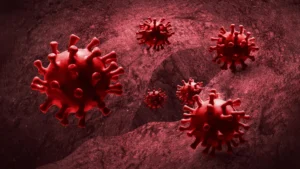
The study, published in NAR Molecular Medicine, indicates that Janus kinase (JAK) inhibitors—drugs frequently used to treat conditions like rheumatoid arthritis—may suppress critical antiviral signaling pathways. By dampening the body’s natural alarm system, these medications could potentially facilitate the infection and spread of viruses, including SARS-CoV-2, influenza A, and the Rift Valley fever virus.
The Core Findings: A Surprising Side Effect
At the heart of the research is a discovery that challenges the current clinical understanding of how JAK inhibitors interact with the body’s broader immune network. While these drugs are celebrated for their ability to quell the painful, damaging inflammation associated with autoimmune diseases, that same mechanism of action appears to interfere with the body’s innate antiviral defense.
"We have found a surprising and potentially serious side effect of a class of anti-inflammatory drugs," says Denis Kainov, a professor at the Department of Clinical and Molecular Medicine at NTNU. "They can help viruses spread more easily in the body."
The research team identified that JAK inhibitors disrupt the signaling pathways responsible for protecting healthy cells from viral infiltration. When these pathways are suppressed, the body’s "early warning system" against pathogens is effectively muted, allowing viruses to establish a foothold more rapidly than they would in an unmedicated individual.
Chronology of the Investigation
The journey to this discovery began with a multidisciplinary approach, combining virology, molecular biology, and advanced laboratory modeling.
Phase I: Initial Observations and Hypothesis
The research team, led by Professor Kainov and PhD fellow Erlend Ravlo, began by investigating why certain patients on immunosuppressive therapies experienced different outcomes during viral exposure. By analyzing the interaction between JAK inhibitors and cellular immune responses, the team observed that the drugs did more than just stop inflammation—they altered the gene expression patterns of the host cells.
Phase II: Advanced Laboratory Testing
To move beyond theory, the researchers employed cutting-edge techniques, including organoid technology—miniature, three-dimensional "organs-on-a-chip" grown in the lab. This allowed the team to simulate how drugs affect human tissue in the lungs, eyes, and brain. By observing how these tissues reacted to viruses like SARS-CoV-2 while under the influence of JAK inhibitors, the team was able to visualize the increased viral load and faster replication rates.
Phase III: Validation and Publication
The findings were subjected to rigorous gene expression analysis, confirming that the drugs significantly reduced the activity of genes explicitly involved in fighting viral infections. Following these successful validations, the team compiled their data for the NAR Molecular Medicine report, providing a comprehensive map of how JAK inhibitors interact with the immune signaling architecture.
Supporting Data and Technical Insights
The mechanisms at play involve the disruption of the JAK-STAT signaling pathway. This pathway is a fundamental communication link that cells use to respond to cytokines—proteins that alert the immune system to the presence of a threat.
The Role of Gene Expression
The researchers identified that the medication baricitinib, a prominent JAK inhibitor, acts as a biological "silencer" for genes tasked with mounting an antiviral response. In the study, the team observed that:
- Reduced Interferon Response: The drugs impede the production of interferons, the body’s primary antiviral proteins.
- Enhanced Viral Entry: Without the protective barrier usually induced by interferon signaling, viruses such as adenovirus and influenza A could penetrate cell membranes with higher efficiency.
- Cross-Tissue Impact: The negative effects were not localized to one organ system but were consistent across lung, ocular, and neural tissues, suggesting a systemic vulnerability.
Erlend Ravlo, the study’s first author, emphasized the gravity of these findings: "By suppressing certain immune responses, these medications interfere with the mechanisms that normally protect the body from viral infections. In particular, the drugs suppress an important immune signaling pathway that helps protect healthy cells from viral attacks."
Implications for Clinical Practice
The revelation that a life-changing medication for arthritis could increase susceptibility to viral infections poses a significant dilemma for clinicians. JAK inhibitors are a standard of care for millions of patients, providing relief from chronic pain and tissue destruction.
A Call for Clinical Caution
The researchers stop short of suggesting that patients should stop taking their medication, as doing so could lead to debilitating flares of their underlying conditions. Instead, they advocate for a more nuanced approach to prescribing.
"Healthcare professionals should exercise caution when prescribing these medications during periods of increased viral transmission," the authors suggest. For patients with autoimmune conditions living in areas experiencing high rates of viral outbreaks—such as during the peak of flu season or a COVID-19 surge—the risk-benefit profile of JAK inhibitors may require reassessment.
The "Hidden Risk" Factor
The study highlights a "hidden risk" for patients who may be harboring latent viruses. In some cases, a patient may be asymptomatic but carry a viral load that is kept in check by a robust immune system. By starting a JAK inhibitor, the patient may inadvertently shift the balance in favor of the virus, potentially leading to a sudden, severe manifestation of an otherwise dormant infection.
Research Perspectives: The Silver Lining
Interestingly, the research team notes that the very mechanisms that create risks for patients might be leveraged to advance medical science.
Utilizing Immune Suppression for Research
Under strictly controlled laboratory conditions, the ability to suppress specific immune responses is invaluable. Researchers use these drugs to create "permissive" environments in cell cultures, allowing them to study how viruses evolve or to test the efficacy of experimental antiviral drugs. By removing the body’s natural defenses, scientists can observe the behavior of a virus in a "pure" state, which helps in the development of new vaccines and therapies.
Future Directions
The team at NTNU is calling for further, large-scale studies to determine how these medications can be used more optimally. They suggest that personalized medicine could play a role: perhaps patients could undergo viral screening before starting JAK inhibitors, or perhaps intermittent dosing schedules could provide anti-inflammatory benefits without fully compromising the antiviral immune response.
"We recommend further studies to better understand how the drugs can be used optimally, especially during virus outbreaks or pandemics," says Aleksandr Ianevski, a co-author of the study.
A Collaborative Scientific Effort
The significance of this research is underscored by the high level of institutional support behind it. Professor Magnar Bjørås of the Department of Clinical and Molecular Medicine provided the critical scientific expertise necessary to navigate the complex molecular interactions uncovered in the study.
Financial backing for this project was secured through a robust network of health authorities and research councils, including:
- The Central Norway Regional Health Authority
- The South-Eastern Norway Regional Health Authority
- The Research Council of Norway
- The Swedish Research Council
This level of funding reflects the broader scientific community’s recognition that understanding the side effects of existing medications is just as vital as developing new ones. As the medical community moves toward a more integrated understanding of the immune system, the NTNU findings serve as a vital reminder that every medical intervention is a negotiation with the body’s complex, interconnected biological systems.
Conclusion
The findings from the Norwegian University of Science and Technology represent a pivotal moment in our understanding of JAK inhibitors. By identifying that these drugs can inadvertently act as "viral facilitators," the research provides a roadmap for more informed clinical decisions.
While the primary mission of JAK inhibitors remains the suppression of harmful inflammation, the future of patient care must account for the systemic impact on the body’s antiviral defenses. As healthcare providers look toward the future, the integration of these findings into clinical practice will be essential to ensuring that the treatment of one condition does not open the door to another. Through continued investigation and heightened awareness, the medical field can move toward a safer, more effective application of these powerful, yet complex, pharmaceutical tools.