




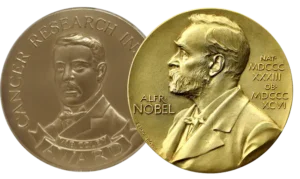

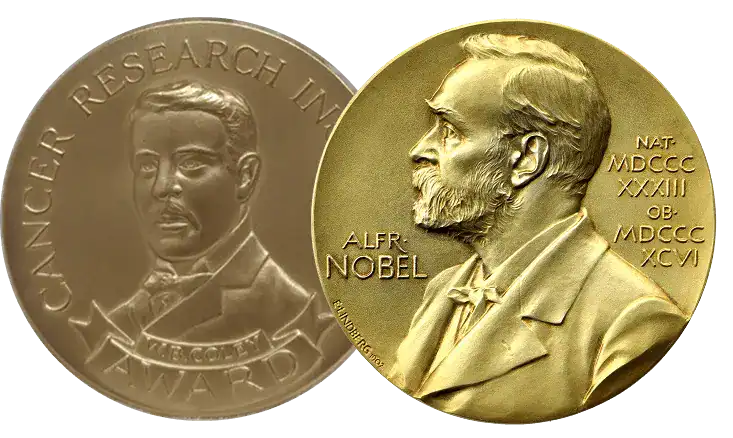
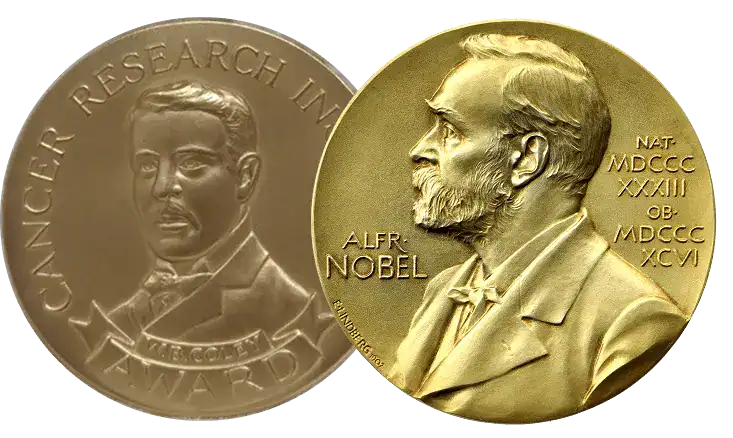
For over half a century, the Cancer Research Institute (CRI) has served as a lighthouse in the complex, often opaque world of immunological research. By establishing the William B. Coley Award for Distinguished Research in Basic and Tumor Immunology, the CRI has not merely honored excellence; it has acted as a high-fidelity radar for identifying the scientific paradigm shifts that would eventually define modern medicine.
The track record of the CRI is, by any objective standard, extraordinary. Among the scientists honored by the Institute, twelve have gone on to receive the Nobel Prize—the ultimate validation of their work’s impact on human health. This legacy of foresight, which identifies transformative genius before it is fully recognized by the broader scientific community, underscores the CRI’s role as a catalyst for the most significant medical breakthroughs of the last century.
The Pillars of Discovery: A Historical Perspective
The immune system is the body’s most sophisticated defense mechanism, a complex network of cells and proteins that protect against disease. For decades, the mainstream medical establishment viewed cancer primarily through the lens of surgery, radiation, and chemotherapy. It was the scientists supported and honored by the CRI who dared to look elsewhere, proposing that the immune system itself could be leveraged to eradicate malignant tumors.
This article examines the legacies of those trailblazers whose work transitioned from the quiet laboratories of basic research to the grand stages of Stockholm, and ultimately, to the bedside of millions of patients.
A Chronology of Scientific Foresight
The trajectory of these discoveries reveals a pattern: a fundamental breakthrough in understanding immune mechanics is followed by a period of rigorous validation, recognition by the CRI, and, eventually, global acknowledgment via the Nobel Committee.
1. The Genetic Blueprint: George Snell, PhD
In 1951, Dr. George Snell of the Jackson Laboratory unlocked the mysteries of the major histocompatibility complex (MHC). His discovery of the cell-surface proteins that dictate whether the immune system accepts or rejects foreign tissue laid the groundwork for modern transplantation and tumor immunology. The CRI recognized his monumental contribution with the Coley Award in 1978, two years before he was awarded the Nobel Prize in 1980.
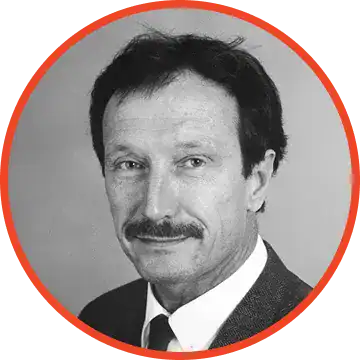
2. The T-Cell Revolution: Rolf Zinkernagel, MD, PhD
Dr. Rolf Zinkernagel’s 1973 discovery of how T cells distinguish between infected and healthy cells by recognizing both antigens and MHC proteins remains a cornerstone of adaptive immunity. His work provided the essential blueprint for modern vaccine design. Following his 1987 Coley Award, the Nobel Committee honored him in 1996.
3. The Messengers of Immunity: Ralph Steinman, MD
Perhaps one of the most poignant stories in medical history is that of Dr. Ralph Steinman, who discovered dendritic cells—the "scouts" of the immune system that activate T cells. His 1998 Coley Award preceded his Nobel Prize by thirteen years. In a tragic and historic turn, Dr. Steinman passed away just days before the 2011 Nobel announcement, having used his own experimental dendritic cell therapy to extend his life.
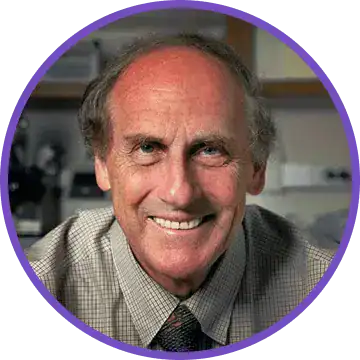
4. Precision Engineering: Sir Gregory Winter, PhD
Sir Gregory Winter revolutionized therapeutics by using bacteriophages to evolve new proteins, leading to the creation of therapeutic monoclonal antibodies. His 1999 Coley Award recognized the immense potential of this technology, which was later validated by his 2018 Nobel Prize in Chemistry.
5. The Innate Guardians: Jules Hoffmann, PhD, and Bruce Beutler, MD
The innate immune system was long considered a "primitive" response until Dr. Jules Hoffmann (discovered Toll receptors) and Dr. Bruce Beutler (identified TLR4 as a sensor for bacterial signals) fundamentally altered our understanding. Both were honored by the CRI—Hoffmann in 2003 and Beutler in 2006—before sharing the 2011 Nobel Prize.

6. The Peacekeepers: Shimon Sakaguchi, MD, PhD
Dr. Shimon Sakaguchi’s discovery of regulatory T cells (Tregs) solved a long-standing mystery: how the body prevents autoimmune diseases. His 2004 Coley Award anticipated the 2025 Nobel Prize, cementing his status as a pioneer in maintaining immune balance.
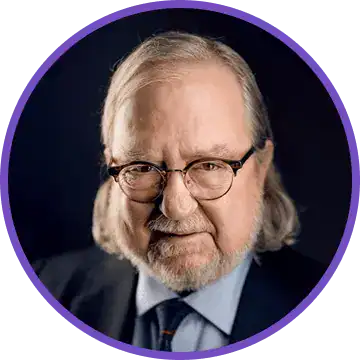
7. Releasing the Brakes: James P. Allison, PhD, and Tasuku Honjo, PhD
The field of cancer immunotherapy was permanently altered by the work of James Allison (who targeted the CTLA-4 checkpoint) and Tasuku Honjo (who characterized PD-1). Their work proved that cancer could be treated by "releasing the brakes" on the immune system. The CRI supported these efforts early, granting them Coley Awards in 2005 and 2014, respectively, leading to their shared Nobel Prize in 2018.
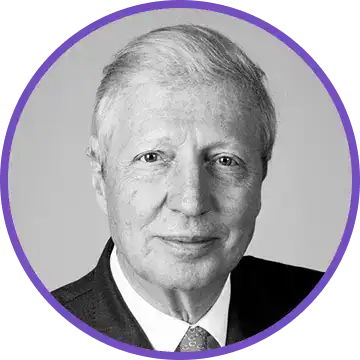
8. The Viral Link: Harald zur Hausen, MD
Dr. zur Hausen’s discovery that HPV causes cervical cancer was a paradigm shift in oncology, linking infectious agents to malignancy. His 2006 Coley Award preceded his 2008 Nobel Prize, and his work has since saved millions of lives through vaccine development.
9. The mRNA Frontier: Drew Weissman, MD, PhD, and Katalin Karikó, PhD
The most recent recipients, Weissman and Karikó, were recognized for their work on modifying mRNA to create safe, effective vaccines. After receiving the Coley Award in 2021, they were honored with the Nobel Prize in 2023, effectively ending the COVID-19 pandemic and opening a new era of personalized cancer vaccines.

Supporting Data: The Impact of Recognition
The CRI’s ability to "see around the corner" is not a matter of luck but of rigorous scientific peer review. By focusing on fundamental immunology—the "basic" science that many funding bodies deem too high-risk—the CRI ensures that unconventional, bold ideas receive the oxygen they need to grow.
The data shows a distinct trend: the interval between the initial major discovery and the Nobel Prize is often measured in decades. During this "valley of death" in funding, CRI support acts as a critical bridge. Whether through research grants or the prestige of the Coley Award, the Institute provides the scientific community with the validation necessary to continue pursuing difficult, often controversial, hypotheses.
Official Responses and Institutional Philosophy
"The mission of the Cancer Research Institute has always been to pursue the cure by understanding the host," says a spokesperson for the organization. "When we honor these scientists, we are not just looking at the past; we are highlighting the pathways that will yield the next generation of life-saving therapies. The fact that so many of our awardees go on to receive the Nobel Prize is a testament to the fact that we look for the ‘why’ and the ‘how’ of the immune system, rather than just the immediate clinical result."
Members of the CRI’s Scientific Advisory Council, many of whom are Nobel laureates themselves, maintain that the focus must remain on basic research. "If you understand the rules of the immune system, you can write the rules for treating cancer," says one senior fellow.
The Broader Implications: A Future Defined by Immunity
The implications of these combined discoveries are staggering. We have moved from an era of "blunt force" cancer treatment to an era of "targeted precision."
- Checkpoint Inhibition: Thanks to Allison and Honjo, we can now "unmask" tumors so the immune system can identify and destroy them.
- mRNA Technology: Thanks to Weissman and Karikó, we can potentially "program" the immune system to recognize cancer-specific mutations.
- Regulatory Control: Thanks to Sakaguchi, we are learning how to prevent the immune system from damaging the body, a key challenge in autoimmune disorders and long-term immunotherapy.
As we look toward the future, the work supported by the CRI continues to expand. The focus is shifting toward "cold" tumors—cancers that have historically been resistant to immunotherapy—and the development of more durable, long-lasting responses that could effectively turn cancer into a manageable, or even curable, condition.
Conclusion
The Cancer Research Institute does not simply fund science; it curates the history of medical progress. By standing behind the visionaries of the immune system, the CRI has played an indispensable role in the most significant medical revolution of our time. As the baton passes from the pioneers of the 20th century to the innovators of the 21st, the story remains the same: the immune system is our greatest ally, and those who seek to understand it are the true architects of a healthier world.
The legacy of the William B. Coley Award serves as a reminder that the most profound breakthroughs often start as quiet observations in a lab. With the continued support of organizations like the CRI, the next Nobel-worthy discovery is already being made—likely in a laboratory that the world has not yet begun to watch.