









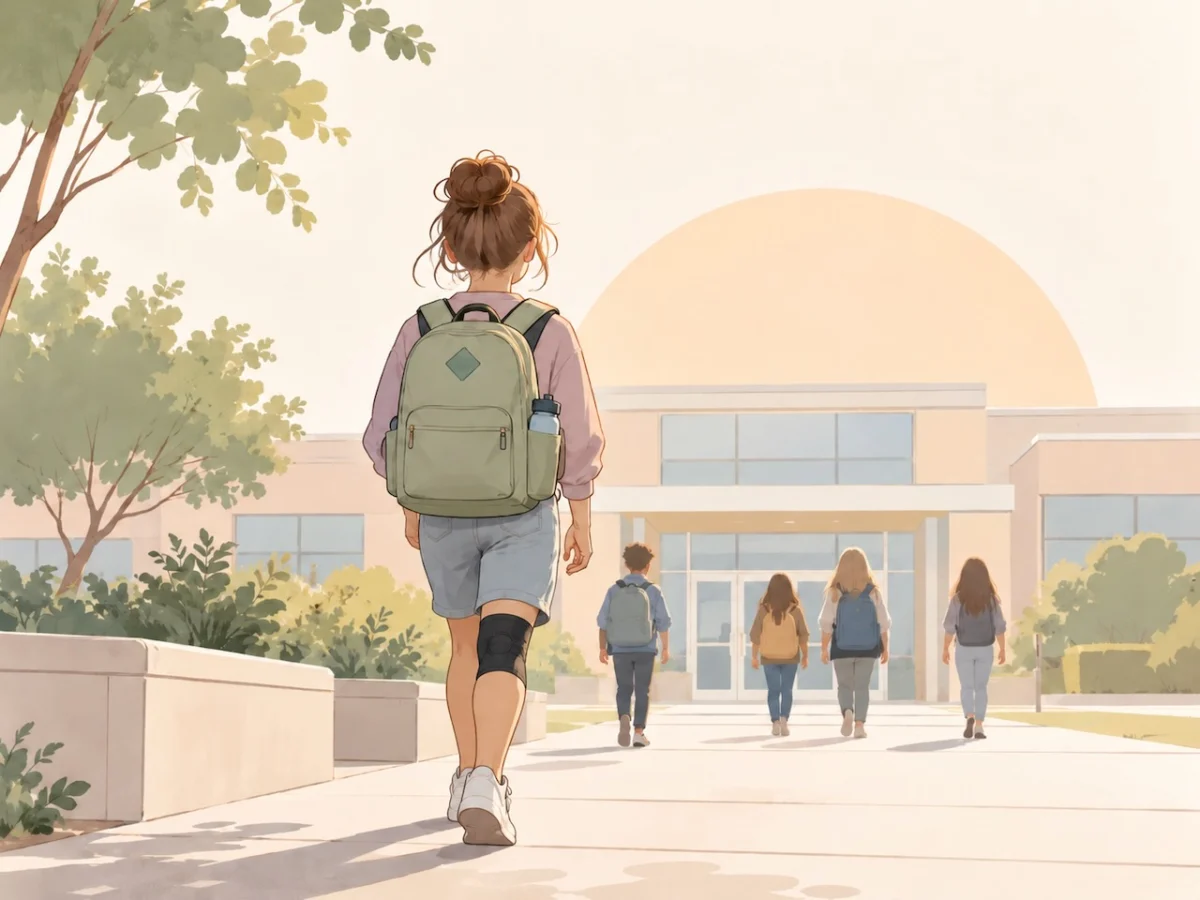
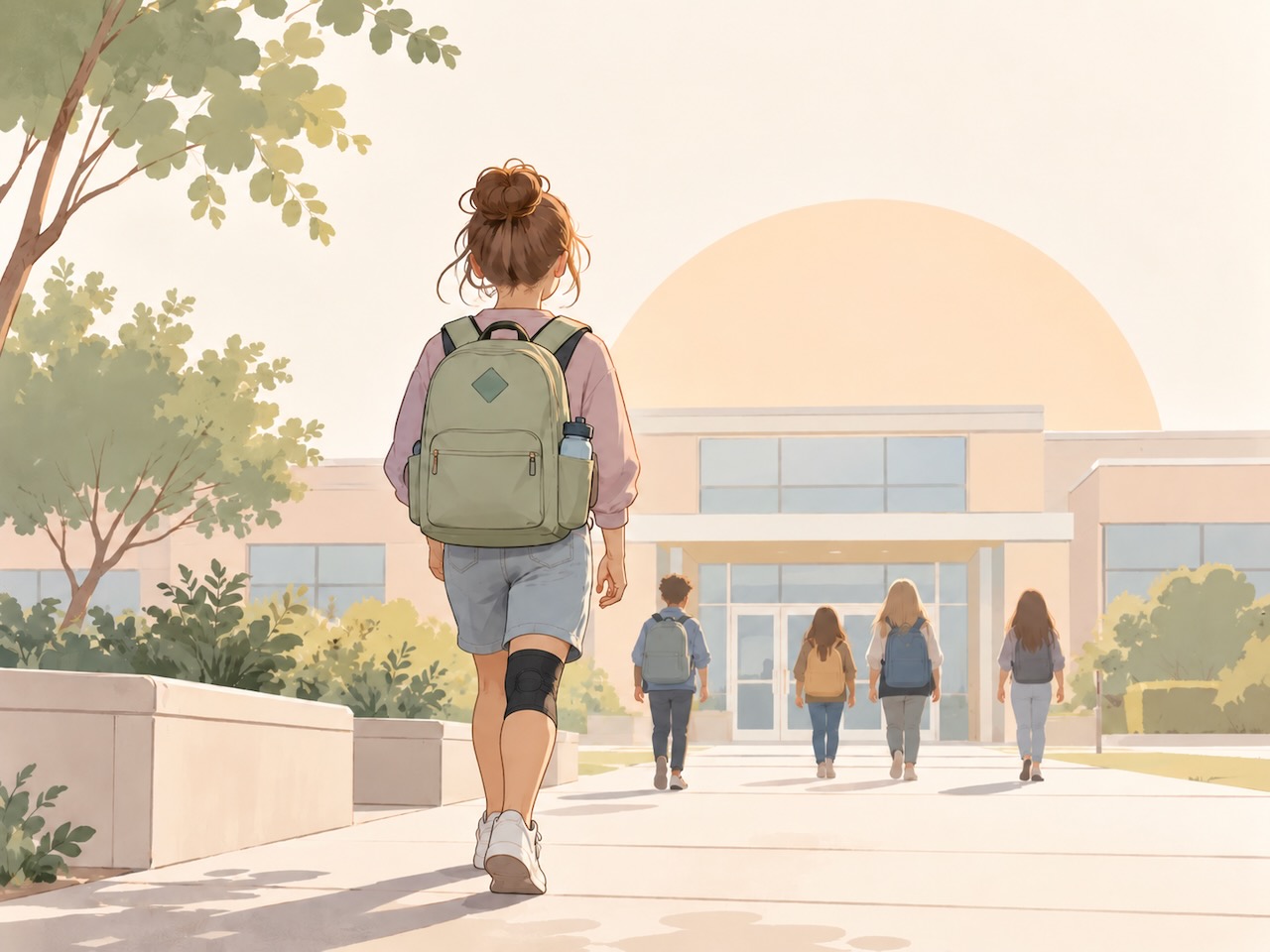
For most families, the "Back-to-School" season is defined by crisp notebooks, fresh sneakers, and the anticipation of new academic horizons. However, for parents of children living with Ehlers-Danlos Syndrome (EDS) and related Hypermobility Spectrum Disorders (HSD), the late-summer period is often marked by a different kind of preparation. It is a season of administrative labor, medical documentation, and the quiet anxiety of wondering whether the educational system—designed for the able-bodied majority—will accommodate the unpredictable realities of chronic illness.
As we move into the 2026–2027 academic year, the conversation surrounding "success" for students with invisible disabilities is shifting. No longer is it enough to simply measure a child’s progress by grades or standardized test scores; for many, success is the mere act of maintaining engagement while navigating systemic barriers, physical pain, and the emotional toll of a dynamic, often misunderstood, health condition.
The Reality of Dynamic Disability in the Classroom
Ehlers-Danlos Syndrome is a group of hereditary disorders that affect connective tissues, primarily the skin, joints, and blood vessel walls. For a student, this often translates to chronic pain, joint dislocations, severe fatigue, and postural orthostatic tachycardia syndrome (POTS), among other manifestations.
Unlike a static disability that remains constant, EDS is often "dynamic." A student may be able to walk to class one morning and require a mobility aid or homebound instruction by the following week. This fluctuation creates a fundamental tension within the rigid, clockwork structure of the modern public school system.
Educational institutions are frequently tasked with implementing Individualized Education Programs (IEPs) or 504 plans, yet the reality is often hindered by systemic underfunding and a lack of specialized training. While the intentions of educators are often noble, the bureaucratic machinery of public education rarely accounts for the "invisible" nature of these conditions. When a student appears "fine" on the surface, the physical energy required for them to simply sit in a chair for six hours is often completely invisible to their peers and teachers.
The 2026 Data: A Wake-Up Call on Student Inclusion
A landmark study published in late 2026, The Experiences of Youth With Disabilities In Accessing Supports Under Section 504, has brought these frustrations into the clinical light. By interviewing 20 students between the ages of 12 and 18, the researchers uncovered a troubling trend: students are rarely empowered participants in their own accommodations.
Key Findings:
- Marginalization in Planning: The majority of students reported that they were excluded from the decision-making process regarding their own 504 plans, leaving them feeling like subjects of a document rather than architects of their own success.
- The Burden of Self-Advocacy: Students with invisible disabilities reported an exhausting cycle of having to "remind" teachers of their legal accommodations, which often resulted in an emotional toll that further exacerbated their symptoms.
- Compliance Gaps: Even when accommodations were formally documented, the study found a significant gap between the legal mandate and the daily classroom practice, validating the lived experience of families who feel they are constantly fighting for basic access.
These findings suggest that while legislation provides the framework, parental advocacy remains the engine that drives actual compliance.
Chronology of an Advocacy Year: A Guide for Parents
To ensure that the academic year is as seamless as possible, parents and caregivers should approach the school year as a strategic, multi-phased operation.
Phase 1: Pre-Season Preparation (July–August)
Before the first bell rings, establish a "Resource Network." Identify local nonprofits that specialize in disability advocacy. Many organizations now offer educational advocates who can attend IEP meetings, providing a layer of objective, professional support that helps keep the focus on the student’s needs rather than the school’s administrative constraints.
Phase 2: Communication and Education (September)
Avoid waiting for an incident to occur. Schedule proactive meetings with teachers. When communicating the child’s needs, specificity is the key to success.
- Instead of: "My child has fatigue."
- Try: "My child’s fatigue is cyclical; they may require rest periods during recess to ensure they have the energy to complete their final academic period of the day."
Utilizing resources like the "Signs That Your Student May Be Struggling With EDS" (provided by the Norris Lab) can be a vital tool for bridging the knowledge gap. Providing teachers with clear, concise, and non-judgmental information helps transform them from skeptical observers into active allies.
Phase 3: Monitoring and Adjusting (October–December)
Success should be monitored not just through grades, but through the child’s "Social and Emotional Access." Are they feeling isolated? Is the physical toll of the school day preventing them from participating in friendships? This is the time to ask for adjustments. If a student is struggling with the transition between classes, consider requesting a "buddy system" or extra passing time.
Implications for the Future of Education
The current model of education, which prizes uniformity and attendance consistency, is increasingly at odds with the lives of neurodivergent and chronically ill students. The overlap between EDS, HSD, and neurodivergence—such as Autism and ADHD—is becoming a focal point of current research. As we recognize these comorbidities, the implications for school policy become clear: flexibility is not a luxury; it is a fundamental human right in the context of education.
Schools must move toward a model of "Universal Design for Learning" (UDL). In a UDL framework, accessibility is built into the curriculum from the start, rather than being "bolted on" as an afterthought in a 504 plan. This would involve:
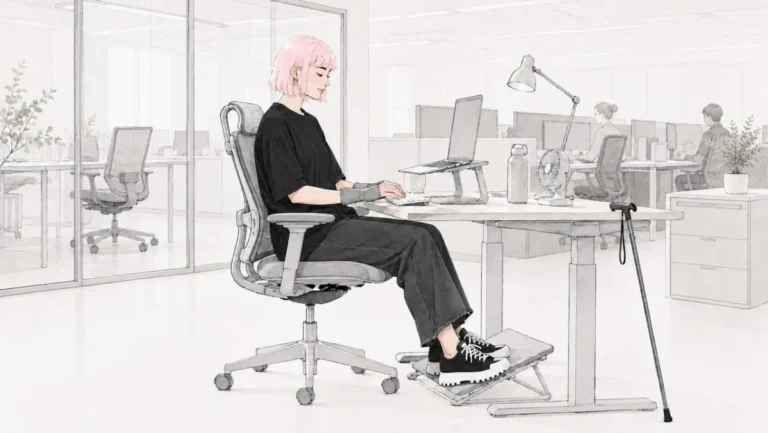
- Flexible Seating: Allowing students to move, stand, or use specialized chairs without needing medical clearance for every minor change.
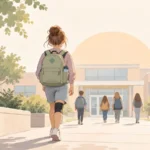
- Digital-First Materials: Ensuring that all students have access to digital versions of textbooks and notes, reducing the physical burden of handwriting and heavy backpacks.
- Hybrid Attendance Policies: Recognizing that a student who is learning from home due to a medical flare is still a student who deserves to be connected to their classroom community.
The Balancing Act: Autonomy vs. Advocacy
Perhaps the most challenging aspect of this journey for parents is knowing when to step in and when to step back. The case of an 11-year-old student with Complex Regional Pain Syndrome, who preferred to keep his medical condition private despite his physical vulnerability, serves as a poignant reminder of the student’s need for agency.
At a certain age, the desire to "fit in" becomes a primary driver for the child. Parents must balance the instinct to protect their children with the child’s developmental need for autonomy. This means having ongoing, honest conversations with the child about what they want the world to know, and what they prefer to keep private. Teaching a child to self-advocate—to explain their own boundaries—is perhaps the most valuable skill they can take from their K-12 experience into adulthood.
Conclusion: A New Checklist for Success
As we look toward the remainder of the 2026 school year, it is time to redefine what a successful academic year looks like for the EDS community. Success is not just a high GPA or perfect attendance. Success is found in:
- Agency: The student’s ability to articulate their own needs.
- Belonging: The student’s ability to maintain friendships despite the limitations of their physical body.
- Hope: The maintenance of a student’s curiosity and passion for learning, even when medical barriers arise.
Every student deserves an education that recognizes their unique path. By bridging the gap between medical reality and educational policy, and by empowering students to be the voice of their own needs, we can move closer to an environment where all children—regardless of their connective tissue or energy levels—are given the tools to thrive.
The "Back-to-School" checklist is no longer just about supplies; it is about building a supportive, flexible, and inclusive community where every student has the chance to become who they are capable of becoming. That is the only checklist that truly matters.