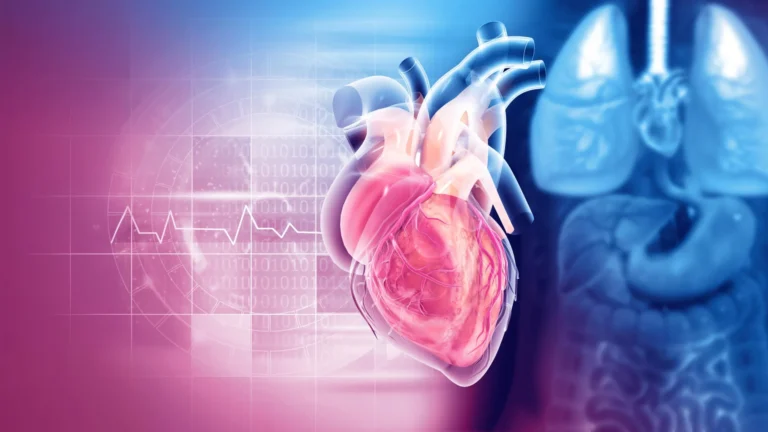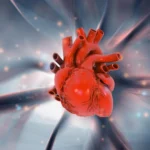




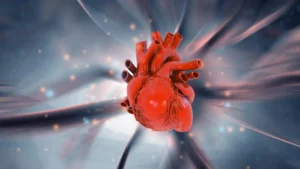

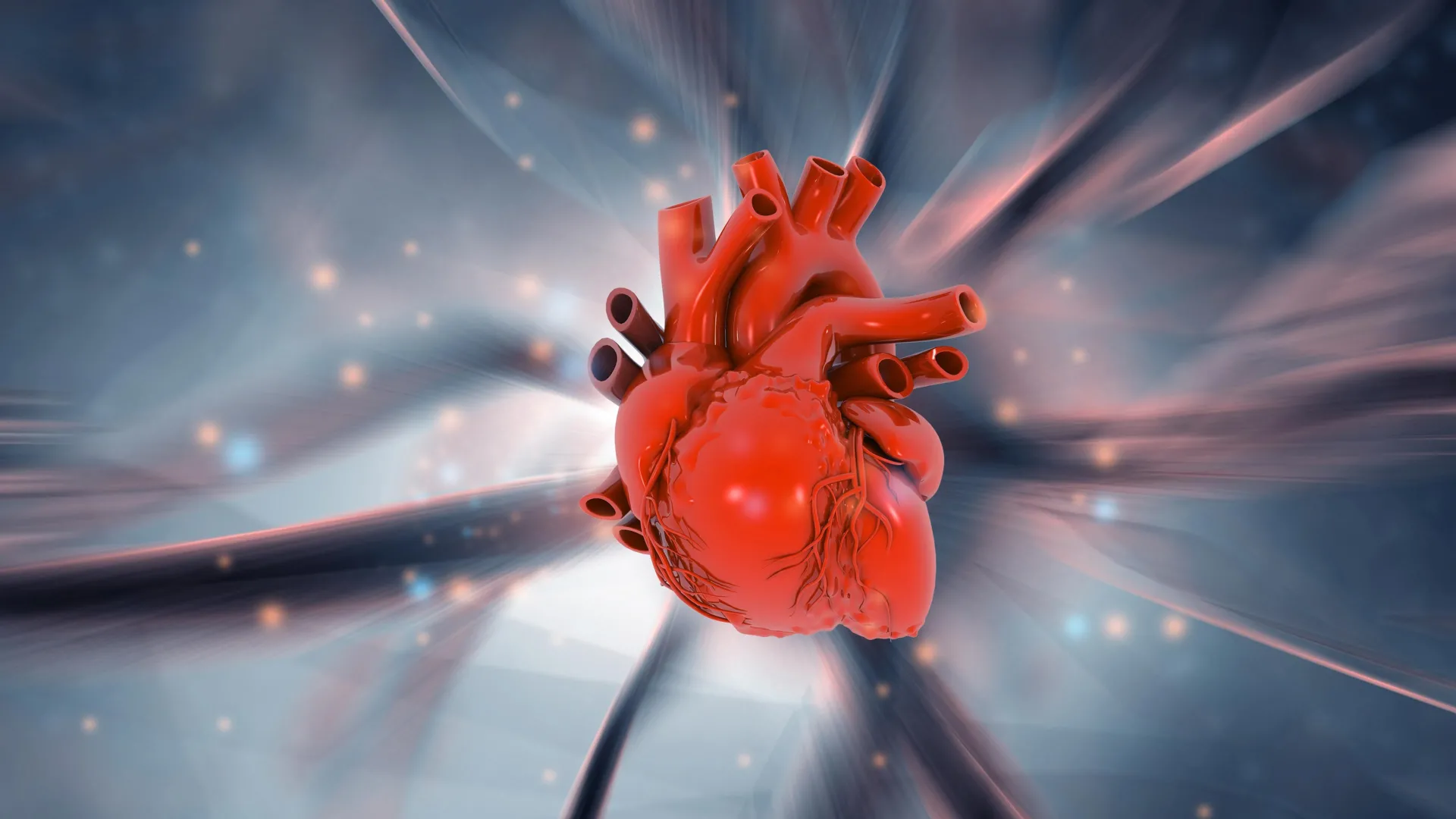
In a landmark revelation that promises to rewrite the textbooks of cardiology, a collaborative team of researchers from the University of Sydney, the Baird Institute, and Royal Prince Alfred Hospital has confirmed that the human heart possesses an inherent, albeit limited, ability to regenerate muscle cells following a cardiac event. This discovery shatters the long-held medical consensus that heart muscle lost during an infarction is permanently replaced by inert scar tissue, offering a flicker of hope for the millions suffering from the debilitating consequences of heart failure.
The study, published in the prestigious journal Circulation Research, marks a significant pivot in how clinicians approach the aftermath of a heart attack. While the medical community has long observed cellular regeneration in murine models, confirming this phenomenon in human biology represents a monumental leap forward in translational medicine.
The Paradigm Shift: Challenging Conventional Wisdom
For decades, the standard medical narrative surrounding heart attacks has been one of finality. When a coronary artery is blocked, oxygen deprivation leads to the mass death of cardiomyocytes—the specialized cells responsible for the heart’s rhythmic contraction. Historically, it was believed that once these cells perished, they were replaced by fibrous, non-contractile scar tissue. This scarring stiffens the heart wall, impeding its ability to pump blood efficiently and often leading to a progressive decline in health known as heart failure.
Dr. Robert Hume, the study’s first author and Lead of Translational Research at the Baird Institute for Applied Heart and Lung Research, notes that this discovery reframes the heart not as a static organ, but as one capable of a biological "repair response."
"Until now, we have operated under the assumption that because heart cells die after an attack, those areas were irreparably damaged," Dr. Hume explained. "Our research demonstrates that while the heart is indeed scarred following an infarction, it simultaneously attempts to produce new muscle cells. This changes our entire perspective on the regenerative potential of the adult heart."
Chronology of the Discovery
The journey to this discovery was not linear; it was built upon years of prior research into animal models and the refinement of human tissue sampling techniques.
The Foundation: Animal Models
For years, scientists had documented increased mitosis—the process of cellular division—in the heart muscle of mice post-infarction. While these studies were promising, the transition from mouse biology to human physiology is notoriously fraught with failure. Many therapies that appeared to "cure" heart disease in laboratory mice failed to produce the same results in human clinical trials, largely due to the distinct differences in cardiac physiology.
The Breakthrough: Human "Pre-Mortem" Tissue
The turning point for the Sydney-based team was the development of a unique sampling methodology. Professors Paul Bannon and Sean Lal, working across the University of Sydney and the Royal Prince Alfred Hospital, pioneered a technique to collect living, "pre-mortem" heart tissue from consenting patients undergoing routine bypass surgery.
By collecting samples from both diseased and healthy sections of the same heart, the researchers created a "living model" of human cardiac biology. This allowed the team to bypass the limitations of animal studies and observe cellular behavior in a environment that accurately mirrors the human condition.
The Findings
Through rigorous analysis of these tissue samples, the team successfully identified evidence of cardiomyocyte proliferation in human tissue. They observed that the heart, in the wake of an ischemic event, attempts to replace lost muscle, providing direct, empirical evidence of an internal repair mechanism that had previously remained hidden from clinical view.
The Weight of the Burden: Why This Matters
To understand the magnitude of this discovery, one must examine the global burden of cardiovascular disease (CVD). Despite rapid advancements in acute cardiac care—such as angioplasty, stenting, and pharmacological interventions—CVD remains the leading cause of mortality worldwide.
In Australia, the statistics are sobering: cardiovascular disease accounts for nearly 24 percent of all deaths. A severe heart attack can result in the destruction of up to one-third of the heart’s muscle mass. While modern medicine is exceptional at keeping patients alive through the initial "event," the long-term prognosis is often bleak.
Many survivors enter a state of chronic heart failure, where the heart’s pumping efficiency is permanently compromised. Currently, the only definitive "cure" for advanced heart failure is a heart transplant. However, this option is statistically negligible compared to the volume of patients in need. In Australia, approximately 144,000 people live with heart failure, yet only about 115 heart transplants are performed annually. This profound discrepancy between supply and demand underscores the urgent need for regenerative therapies that do not rely on donor organs.
Official Perspectives and Expert Analysis
The research team, led by senior author Professor Sean Lal—a heart failure cardiologist at the Royal Prince Alfred Hospital—emphasizes that while the discovery is revolutionary, it is not an immediate panacea.
"The heart’s natural regenerative response is currently not robust enough to replace all of the muscle destroyed during a heart attack," Professor Lal clarifies. "Our goal is not to suggest that the heart heals itself perfectly, but rather to understand the mechanics of this natural response so that we can amplify it."
The team has already begun identifying specific proteins that appear to trigger this regenerative activity. By comparing these human proteins to those identified in earlier mouse studies, researchers are building a roadmap for future drug development.
"Using living human heart tissue models in our work means we have significantly more accurate and reliable data," Professor Lal added. "We have already identified several proteins involved in regeneration. The prospect of translating this into a therapeutic agent that can ‘switch on’ the heart’s natural ability to repair itself is an incredibly exciting prospect for the future of cardiology."
Implications for Future Medicine
The implications of this study extend far beyond a single paper. The existence of a latent regenerative capacity in the human heart opens the door to a new era of "regenerative cardiology."
1. Development of Small Molecule Therapies
If researchers can identify the specific chemical signals that stimulate cardiomyocytes to divide, it may be possible to develop pharmaceuticals—"regenerative boosters"—that patients could take post-heart attack to accelerate the repair process and minimize the formation of scar tissue.
2. Precision Medicine and Modeling
The "pre-mortem" tissue sampling technique developed by Professors Bannon and Lal serves as a new gold standard for cardiac research. By testing potential drugs on living human heart tissue rather than animal models, pharmaceutical companies can drastically reduce the failure rate of new heart failure medications, ensuring that only the most effective treatments reach human clinical trials.
3. Preventing the Transition to Heart Failure
By intervening at the moment of injury to boost muscle regeneration, clinicians may eventually be able to prevent the cascade of events that leads to congestive heart failure. If the heart can replace its lost muscle before the scar matures, the patient’s long-term cardiovascular health could be vastly improved, reducing the need for invasive surgeries or lifelong reliance on heavy medication.
Conclusion: A New Horizon
The research from the University of Sydney and the Baird Institute serves as a beacon of progress in a field that has long been defined by the permanence of heart muscle loss. By proving that the adult human heart is not a static organ, but a dynamic biological entity capable of a response, the team has provided a new target for medical innovation.
While the path from this discovery to a clinical therapy is long and complex, the foundational science is now firmly in place. The transition from "managing" heart failure to "reversing" it is no longer a distant, theoretical goal—it is a concrete target for future investigation. As scientists continue to unravel the molecular mysteries of how the heart rebuilds itself, they move one step closer to a world where a heart attack is no longer the beginning of a slow decline, but a manageable event followed by the heart’s own remarkable recovery.