







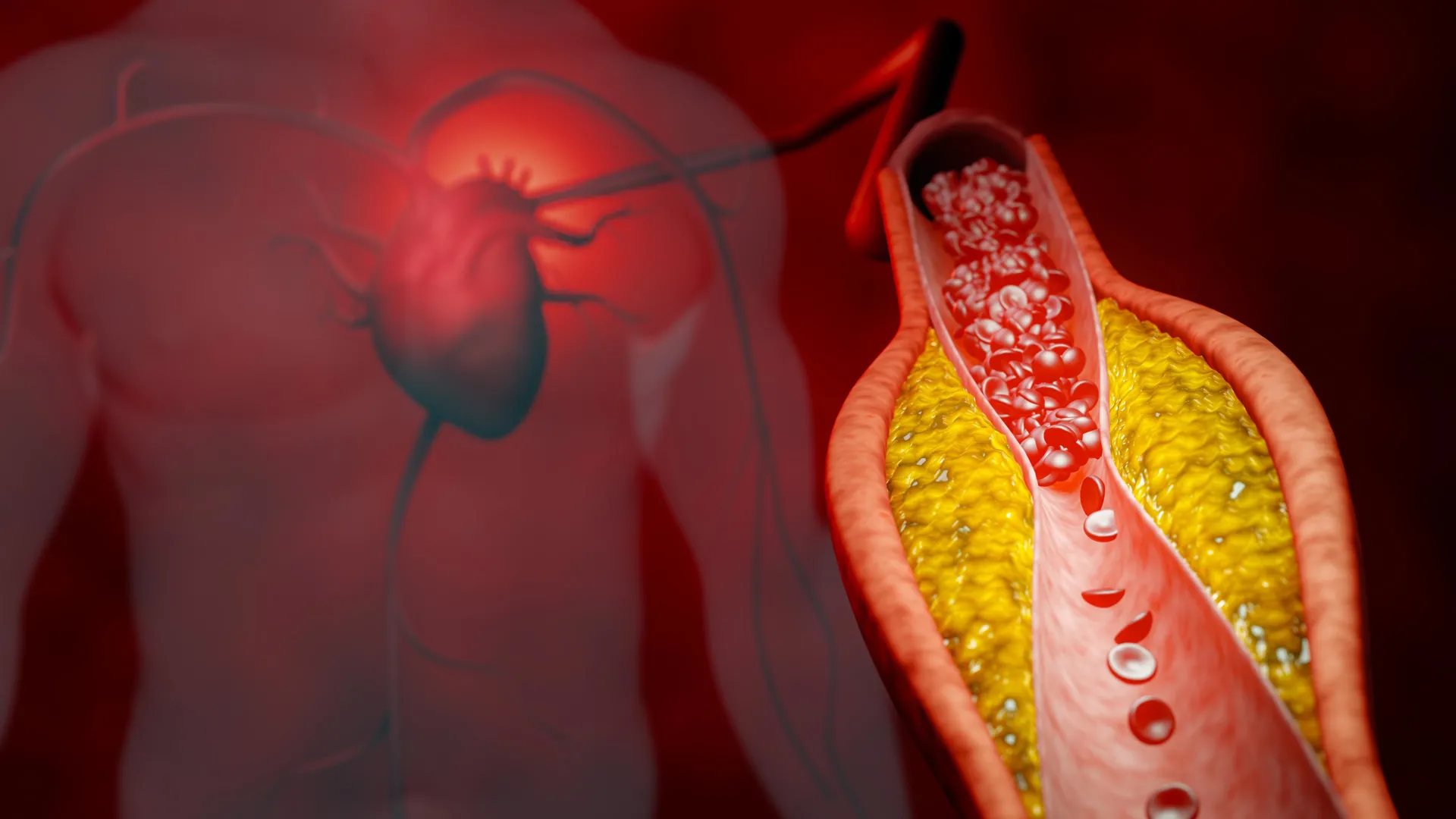
For decades, the silent, incremental buildup of cholesterol within the human arterial system has served as the primary precursor to the world’s leading cause of death: cardiovascular disease. While medical science has long relied on the stalwart efficacy of statins to manage lipid levels, a new, pioneering study from an international team of researchers has unveiled an experimental strategy that could revolutionize how we approach hypercholesterolemia.
By deploying specially engineered DNA molecules known as polypurine hairpins (PPRHs), scientists from the University of Barcelona and the University of Oregon have successfully suppressed the production of the PCSK9 protein. This breakthrough, published in the journal Biochemical Pharmacology, offers a potential pathway to lower "bad" cholesterol levels with precision, stability, and a lower risk of the muscle-related side effects commonly associated with traditional cholesterol-lowering medications.
The Biological Culprit: Understanding the PCSK9 Mechanism
To appreciate the significance of this research, one must understand the biological "tug-of-war" occurring within our cells. Low-density lipoprotein cholesterol (LDL-C)—often colloquially termed "bad" cholesterol—circulates in the bloodstream. Healthy cells utilize LDL receptors (LDLR) on their surface like microscopic "hooks" to capture this cholesterol and pull it inside for processing.
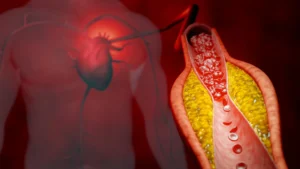
However, a protein known as PCSK9 (proprotein convertase subtilisin/kexin type 9) acts as a biological saboteur. PCSK9 binds to these LDL receptors, effectively marking them for degradation within the cell. When these receptors are destroyed, they can no longer clear LDL from the blood, leading to a surplus of cholesterol that deposits itself as fatty plaques on arterial walls—a condition known as atherosclerosis.
Over the past decade, PCSK9 has emerged as a high-priority target in cardiovascular pharmacology. By inhibiting this protein, scientists can effectively "rescue" the LDL receptors, allowing the body to naturally clear its own bloodstream of excess cholesterol.
The Innovation: Polypurine Hairpins (PPRHs)
While existing therapies, such as monoclonal antibodies and small interfering RNAs (siRNAs), have made strides in targeting PCSK9, the research team led by Professors Carles J. Ciudad and Verònica Noé of the University of Barcelona has introduced a novel alternative: Polypurine Hairpins (PPRHs).
What are PPRHs?
PPRHs are short, single-stranded DNA molecules—specifically oligonucleotides—engineered to recognize and bind with extreme precision to specific sequences within a gene. Unlike other gene-silencing technologies that rely on complex delivery mechanisms, PPRHs are designed to interfere with gene transcription—the very first step in the process where DNA instructions are converted into RNA.
By binding to specific polypyrimidine sequences in the PCSK9 gene via Watson-Crick base pairing, these hairpins physically obstruct the transcription process. They effectively "silence" the gene before it can produce the problematic PCSK9 protein.
Chronology of the Study
The development of this experimental strategy followed a rigorous, multi-stage research trajectory:
- Design and Synthesis: The researchers identified two specific PPRH candidates, dubbed HpE9 and HpE12, targeting the 9th and 12th exons of the human PCSK9 gene, respectively.
- In Vitro Validation: The team tested these molecules in HepG2 cells (a human liver cell line). The results were immediate and profound, showing significant reductions in both PCSK9 RNA and the resulting protein levels.
- In Vivo Testing: Recognizing the promise of the in vitro data, the team moved to transgenic mice engineered to express the human PCSK9 gene. This model provided the necessary biological environment to observe how the molecules performed in a living system.
- Data Analysis and Publication: Following the successful reduction of cholesterol levels in the animal models, the findings were compiled and subjected to peer review, culminating in their recent publication in Biochemical Pharmacology.
Supporting Data: From Laboratory Bench to Living Organism
The efficacy of the PPRH strategy was highlighted by the disparate performance of the two tested molecules. While both showed promise, HpE12 proved to be the superior performer.
In HepG2 cell cultures, HpE12 reduced PCSK9 RNA levels by a staggering 74%. Perhaps more importantly, the level of the actual PCSK9 protein was reduced by 87%. This dramatic decline in the target protein led to a corresponding increase in the density of LDL receptors on the cell surfaces.
The in vivo results were equally compelling. A single injection of HpE12 into the transgenic mice resulted in:
- 50% reduction in plasma PCSK9 levels.
- 47% reduction in total cholesterol levels by the third day following the injection.
These figures represent a significant therapeutic impact, particularly given that the results were achieved through a single, controlled administration, suggesting a high degree of potency and biological availability.
Official Perspectives: Insights from the Research Team
The research team, which includes a collaborative effort with Nathalie Pamir of the University of Oregon, emphasizes that the primary advantage of their approach lies in the unique properties of the PPRH molecules themselves.
"Specifically, one of the arms of each chain of the HpE9 and HpE12 polypurines binds specifically to polypyrimidine sequences of exons 9 and 12 of PCSK9, respectively, via Watson-Crick bonds," explains Professor Carles J. Ciudad. By obstructing RNA polymerase or preventing the attachment of transcription factors, the PPRHs essentially put a "lock" on the gene’s expression.
Professor Verònica Noé highlights the practical implications for patients, particularly those who struggle with the side effects of conventional treatments. "PPRHs, especially HpE12, are therapeutic oligonucleotides with many advantages, including low cost of synthesis, stability and lack of immunogenicity," she states. "In addition, such a PPRH-based approach against PCSK9 would not lead to side effects such as the myopathies [muscle pain and weakness] associated with statin therapy."
Implications: A New Era of Cardiovascular Medicine?
The implications of this research are far-reaching. If these results can be replicated in clinical human trials, the medical community could gain access to a highly customizable, stable, and cost-effective method for cholesterol management.
Comparing PPRHs to Existing Therapies
The current landscape of PCSK9-targeted therapies includes:
- Monoclonal Antibodies (e.g., Evolocumab, Alirocumab): These are highly effective but require periodic injections and can be expensive to produce.
- siRNA therapies (e.g., Inclisiran): These represent a massive leap forward in duration of effect, but the PPRH approach may offer a distinct chemical profile that provides greater stability or lower production costs.
The researchers note that because PPRHs are DNA-based and lack the complex structural requirements of antibodies, they may be less likely to trigger an immune response—a common hurdle in long-term biologic therapy.
Future Challenges
Despite the excitement surrounding these findings, the path to clinical application remains long. The transition from mouse models to human physiology is the most significant hurdle in medical research. Future studies will need to address:
- Safety and Toxicology: Ensuring that blocking PCSK9 at the genetic level does not produce unintended off-target effects in human subjects.
- Delivery Mechanisms: Determining the optimal method to deliver these DNA hairpins to the liver (the primary site of cholesterol regulation) in human patients.
- Long-term Efficacy: Evaluating how long the effect of a single dose lasts and whether repeated dosing maintains safety and efficacy over months or years.
Conclusion
The collaboration between the University of Barcelona and the University of Oregon represents a sophisticated intersection of molecular biology and cardiovascular medicine. By moving beyond traditional enzyme inhibition and targeting the transcriptional source of cholesterol-regulating proteins, the team has opened a door to a new generation of "genetic" heart health.
While we are likely years away from seeing PPRHs in a pharmacy, the ability to achieve a 47% reduction in cholesterol via a single targeted intervention is a landmark result. As the research transitions into further clinical validation, it offers a beacon of hope for the millions of individuals whose cardiovascular health remains compromised by high cholesterol—and for whom traditional statin therapy may be insufficient or poorly tolerated.
In the ongoing war against heart disease, the polypurine hairpin may well be the next great weapon in our arsenal. For now, the scientific community watches with anticipation, waiting to see if these small, engineered DNA strands can translate their laboratory success into a global standard of care.