




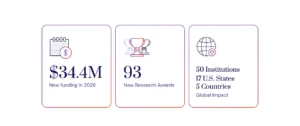



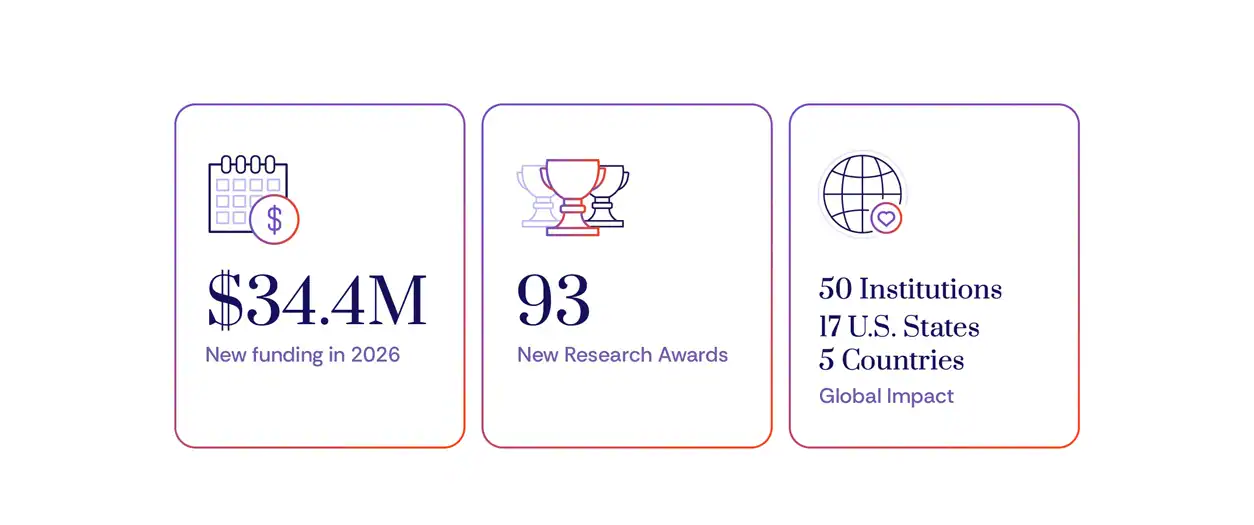
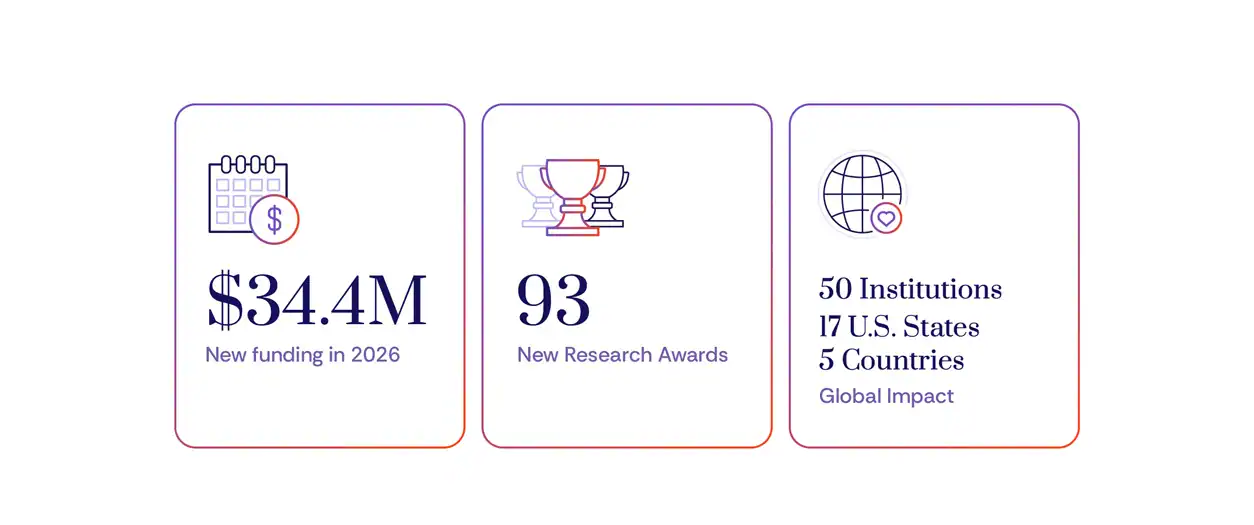
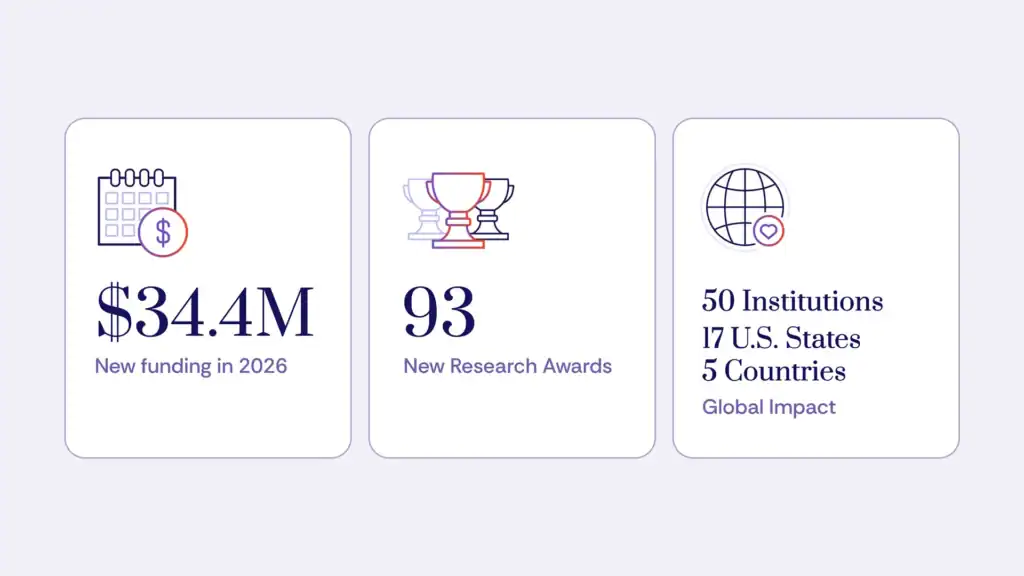
In an era defined by fiscal volatility and shrinking research budgets, the Cancer Research Institute (CRI) has taken a definitive stand against the tide of scientific stagnation. For many in the global biomedical community, the past fiscal year was marked by a pervasive sense of caution; for the CRI, however, it was a year of unprecedented commitment. By distributing $34.4 million in new research funding, the organization has signaled that the pursuit of life-saving cures cannot—and will not—be put on hold.
The Mandate of Resilience: A Record-Breaking Fiscal Year
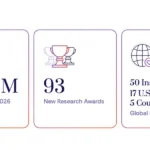
The 2025–26 fiscal year saw the Cancer Research Institute achieve a historic milestone, awarding 93 distinct grants that represent the largest financial commitment in the organization’s seven-decade history. These funds were not concentrated in a single hub but were dispersed across 50 elite research institutions spanning five countries and 17 states.
This massive infusion of capital is more than a line item on a balance sheet; it is a strategic maneuver designed to protect the "scientific pipeline." When federal and private funding fluctuates, the most vulnerable projects—often those led by brilliant, early-career investigators—are frequently the first to be abandoned. The CRI’s decision to scale up during this period of uncertainty serves as a vital buffer, ensuring that innovative ideas do not vanish before they have the chance to be tested.
Chronology of a Commitment
The trajectory of the CRI’s impact is best understood through its multi-generational approach to philanthropy. For over 70 years, the institute has functioned as a venture capitalist for the immune system, funding high-risk, high-reward research long before it becomes mainstream or "safe."
- 1953–2020: The Foundation of Discovery. Decades of steady investment in fundamental immunology established the bedrock of modern immunotherapy, leading to breakthroughs that have saved countless lives.
- 2024–2025: Identifying the "Valley of Death." In response to growing reports of promising researchers leaving the field due to a lack of transition funding, the CRI conducted an internal review of the scientific landscape.
- 2025–2026: The Launch of IGNITE. Recognizing the precarious nature of the postdoc-to-independent-researcher transition, the CRI officially launched the IGNITE (Inspiring Growth and Nurturing Independence Through Excellence) Award program.
- September 2026: The Annual Impact Report. The release of the latest impact report confirms that this targeted approach has successfully secured the independence of nearly a hundred investigators during a global funding crunch.
Supporting Data: The Anatomy of the Investment
The $34.4 million investment is segmented to address different stages of the research lifecycle. By diversifying its portfolio, the CRI ensures that the field of cancer immunotherapy remains robust from the bench to the bedside.
- Postdoctoral Fellowships: These awards serve as the "nursery" for the next generation of oncology leaders, providing them with the resources to hone their technical skills under the mentorship of world-class scientists.
- IGNITE Awards: These grants are specifically designed to bridge the transition from supervised training to independent lab leadership. This is the stage where most potential discoveries are lost, and the IGNITE program is the CRI’s strategic solution to this attrition.
- CRI Lloyd J. Old STAR Awards: Designed for established investigators, these awards prioritize "high-risk, high-impact" research. By giving seasoned scientists the freedom to pursue unconventional hypotheses, the CRI continues to push the boundaries of what is possible in immuno-oncology.
Case Study: Dr. Simone Park and the Future of Memory T Cells
To understand the tangible outcomes of the CRI’s mission, one need look no further than Dr. Simone Park, a researcher at the University of Pennsylvania and an inaugural recipient of the IGNITE Award.
Dr. Park’s work focuses on tissue-resident memory T cells (TRM). These specialized immune cells are the "sentinels" of the body; they reside in tissues rather than circulating in the blood, waiting to strike at cancer cells that attempt to recur. Dr. Park’s research is investigating the biological mechanisms that allow these cells to persist for years, potentially holding the key to preventing cancer relapse.
"The transition to independence is the most daunting phase of a scientist’s life," says an institute spokesperson. "Dr. Park’s journey—from a CRI-supported postdoctoral fellow to an independent investigator—is the exact blueprint we are trying to replicate. Her research is not just data; it is a potential shield for cancer patients worldwide."
Official Perspectives: The Philosophy of Long-Term Support
The leadership at the CRI emphasizes that the organization does more than write checks; it curates an ecosystem. The institute’s strategy involves:
- Clinical Integration: Beyond lab research, the CRI actively advances clinical studies, ensuring that biological discoveries move into human trials.
- Technological Empowerment: By equipping researchers with advanced computational skills and data science tools, the CRI ensures its scientists are prepared for the AI-driven future of medical research.
- Patient-Centric Advocacy: The institute maintains a robust support network for patients and caregivers, translating complex immunotherapy jargon into actionable, accessible information.
"Uncertainty is an environmental factor, but it is not a scientific one," noted a senior representative of the CRI. "If we allow external economic or political pressures to dictate which questions we ask, we are no longer doing science; we are doing administration. Our commitment is to the people—the researchers with the vision to see beyond the current crisis and the patients who rely on that vision."
Implications for the Future of Oncology
The ripple effects of this year’s funding are expected to be felt for years to come. By prioritizing early-career independence, the CRI is preventing a "brain drain" in oncology. When talented scientists are forced to abandon their research for more stable industries, the loss is not just to the individual, but to the future health of the global population.
Furthermore, the emphasis on "tissue-resident" and "long-term protection" signals a shift in the field. Immunotherapy is moving away from simply shrinking primary tumors toward creating a permanent, systemic surveillance system within the body. The CRI’s investment in these specific areas positions it at the forefront of this evolution.

Conclusion: The Work Ahead
As the 2026 Annual Impact Report makes clear, the Cancer Research Institute has navigated a turbulent year by adhering to a simple, unyielding principle: progress requires people. By shielding its researchers from the volatility of the outside world, the CRI has created a sanctuary for high-level thought and experimentation.
The challenges remaining in the fight against cancer are immense. The biology of metastasis, the mechanisms of resistance to therapy, and the complexities of the tumor microenvironment still present formidable hurdles. However, with the newly established IGNITE program and a robust pipeline of supported investigators, the CRI has demonstrated that it is not merely reacting to the state of the world—it is actively shaping a future where cancer is no longer an insurmountable uncertainty, but a manageable, and ultimately curable, disease.
The organization’s message is clear: the record-setting fiscal year is not a peak, but a platform. There is extraordinary work still ahead, and for the scientists and patients involved, the most important discoveries are yet to come.