




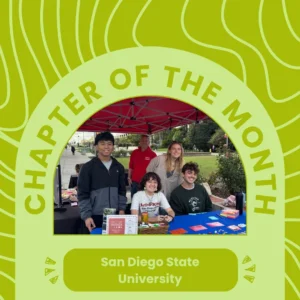


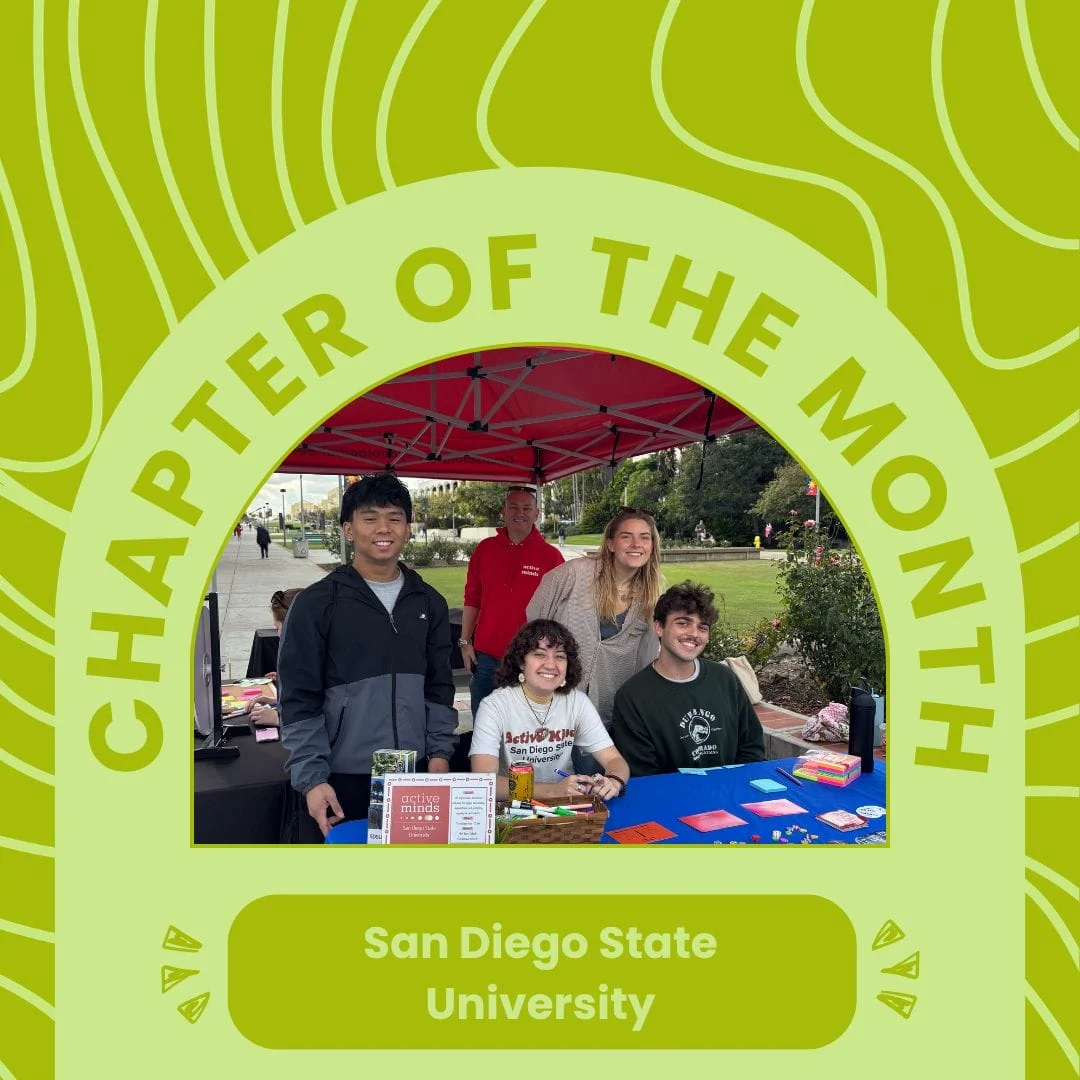
SAN DIEGO, CA — In a move that highlights the growing importance of intersectional advocacy in higher education, Active Minds, the nation’s leading nonprofit organization dedicated to student mental health, has officially named San Diego State University (SDSU) as its "Chapter of the Month" for October 2026. This prestigious recognition comes as the SDSU chapter celebrates over a decade of service, specifically noted for its innovative approach to cultural inclusivity and its robust partnership with campus clinical services.
As universities across the United States grapple with an escalating mental health crisis among young adults, the SDSU chapter of Active Minds has emerged as a model of how student-led initiatives can effectively supplement professional counseling services. By focusing on the unique needs of a diverse student body—including immigrant populations and first-generation college students—SDSU is setting a new standard for what it means to foster a "culture of care" on a modern campus.
Main Facts: A Decade of Dedication to Student Well-being
The recognition of San Diego State University is not merely a reflection of a single successful event, but rather a testament to a sustained, thirteen-year commitment to destigmatizing mental health. Founded in 2013, the SDSU chapter has evolved from a small group of concerned students into a cornerstone of the university’s social fabric.
Central to the chapter’s success is its strategic alliance with SDSU’s Counseling and Psychological Services (CPS). Unlike many student organizations that operate in a vacuum, Active Minds SDSU acts as a bridge, funneling students toward professional resources while simultaneously providing a low-pressure, peer-centered environment where conversations about mental health can begin organically.

Currently, the chapter maintains a core membership of 20 to 30 active students who attend regular general body meetings and social events. However, its reach extends far beyond its roster. Through aggressive "tabling" efforts and high-visibility campus outreach, the organization engages thousands of students annually, providing information on free short-term therapy covered by student tuition—a resource that remains underutilized at many large public institutions.
Chronology: From Founding to the 2026 Spotlight
The journey of Active Minds at SDSU is a narrative of steady growth and adaptation to the changing landscape of student life.
- 2013: The Foundation. The chapter was established during a period of national awakening regarding the mental health needs of Millennials and Gen Z. Its initial goal was simple: to bring the conversation out of the shadows and onto the SDSU "Heppner Greek Quad" and "Centennial Walkway."
- 2015–2020: Integration and Expansion. The chapter solidified its partnership with CPS, moving beyond awareness to active resource navigation. During this time, the chapter began focusing on the specific demographics of the San Diego area, recognizing that mental health looks different across various cultural and socioeconomic backgrounds.
- 2021–2024: Navigating the Virtual Shift. Like many organizations, the chapter had to pivot during the global pandemic. This era saw the rise of telehealth advocacy and virtual support systems, ensuring that students remained connected even when the physical campus was closed.
- 2025–2026: The Intersectionality Era. In the last two years, the chapter has doubled down on its "Embracing Culture" initiative. This phase has been defined by collaborations with cultural resource centers, acknowledging that for many students—particularly those from immigrant or underserved communities—traditional Western models of therapy may feel inaccessible or stigmatizing.
- October 2026: National Recognition. Following a record-breaking Suicide Prevention Month in September, the national office of Active Minds selected SDSU for its top monthly honor, citing the chapter’s ability to create "inclusive environments through a collaborative lens."
Supporting Data: The Impact of Peer-Led Outreach
The effectiveness of the SDSU chapter is backed by the sheer scale of its engagement. During September’s Suicide Prevention and Awareness Month, the chapter hosted its annual candlelight event, a tradition that has grown significantly in scope. This year, the event featured more than 100 student-created lanterns, each decorated with messages of hope and resilience. These lanterns lined the university’s main walkway, serving as a physical manifestation of the campus’s commitment to life and health.
The data surrounding student mental health underscores why such initiatives are vital. National surveys by Active Minds have historically shown that over half of college students do not know where to seek help when experiencing a mental health crisis. By contrast, SDSU’s chapter focuses on "resource literacy." By emphasizing that short-term therapy is already covered by tuition, they remove the financial "barrier of entry" that often prevents students from seeking help.
Furthermore, the chapter’s focus on the San Diego region is data-driven. San Diego is home to a high density of immigrant and refugee populations. Within the SDSU student body, these groups often face "dual stigma"—the general stigma surrounding mental health and the cultural stigma that may view seeking help as a sign of weakness or a betrayal of family privacy. The chapter’s "Embracing Culture" outreach directly addresses this by hosting events in tandem with cultural resource centers, effectively "meeting students where they are."
Official Responses: Leadership and Advocacy Perspectives
Leaders of the SDSU chapter emphasize that the "vibe" of the organization is its most potent tool for change. In a statement regarding their advocacy philosophy, chapter representatives noted that creating a welcoming environment is the first step toward clinical intervention.
"Potential new members and others in our community will quickly pick up on the overall ‘vibe’ of your chapter," a chapter spokesperson stated. "We strive to offer warmth and genuine connection. Whether a student is joining our leadership team or just taking a positive sticky note as they pass our table, they are participating in a movement that says they are worthy of care."
The chapter’s mantra—"You are worthy of care and connection. Everyone deserves the opportunity for mental wellbeing"—serves as the guiding principle for all activities. This peer-centered approach helps make conversations that were once considered taboo feel approachable and even empowering.

National advocates for Active Minds have also weighed in on the SDSU model. They point to the chapter’s success as evidence that "campus culture" is a social determinant of health. By changing the environment in which students live and study, the chapter is effectively providing a form of "preventative medicine."
Implications: The Future of Campus Mental Health
The success of the San Diego State University chapter has broader implications for the future of higher education policy and student advocacy.
1. The Shift Toward Intersectionality
SDSU’s focus on cultural perspectives suggests that the "one-size-fits-all" approach to campus mental health is becoming obsolete. Future advocacy will likely require a deeper integration with multicultural affairs offices to ensure that BIPOC (Black, Indigenous, and People of Color) and immigrant students feel represented in mental health narratives.
2. Peer-to-Peer Advocacy as a Clinical Supplement
As university counseling centers face high demand and long waitlists, peer-led groups like Active Minds are becoming essential triage points. They provide the "care and connection" that can sustain a student while they wait for a professional appointment. The SDSU model proves that a strong relationship between student groups and professional services (CPS) can create a more seamless "continuum of care."

3. Policy and National Advocacy
The work at SDSU aligns with national legislative efforts often championed by Active Minds, such as The Brandon Act and H.R. 3011, which focus on mental health support for military personnel and veterans—a significant demographic in the San Diego area. As student advocates become more sophisticated, their influence is expected to move beyond the campus gates and into state and federal policy discussions.
4. The "Fill Your Own Cup" Philosophy
The SDSU chapter also champions a modern definition of self-care. Moving away from the "unrealistic expectations" often found on social media, the chapter promotes self-care as a communal act. By investing in their own well-being, students are better equipped to support their peers. This philosophy is vital in preventing "advocacy burnout" among student leaders who are often juggling intense academics with their volunteer work.
Conclusion: A Blueprint for Resilience
As San Diego State University accepts the October 2026 Chapter of the Month award, the message to the broader academic community is clear: mental health advocacy is most effective when it is inclusive, collaborative, and culturally competent.
By transforming the campus walkway into a path of light during their suicide prevention vigil, and by turning a "taboo" subject into a daily conversation at a tabling event, the students of SDSU are doing more than just raising awareness. They are building a sanctuary of support in a world that can often feel isolating. As they move forward, the SDSU chapter of Active Minds remains a beacon for other universities, proving that when students come together to foster a healthier culture, the impact can be felt for generations to come.