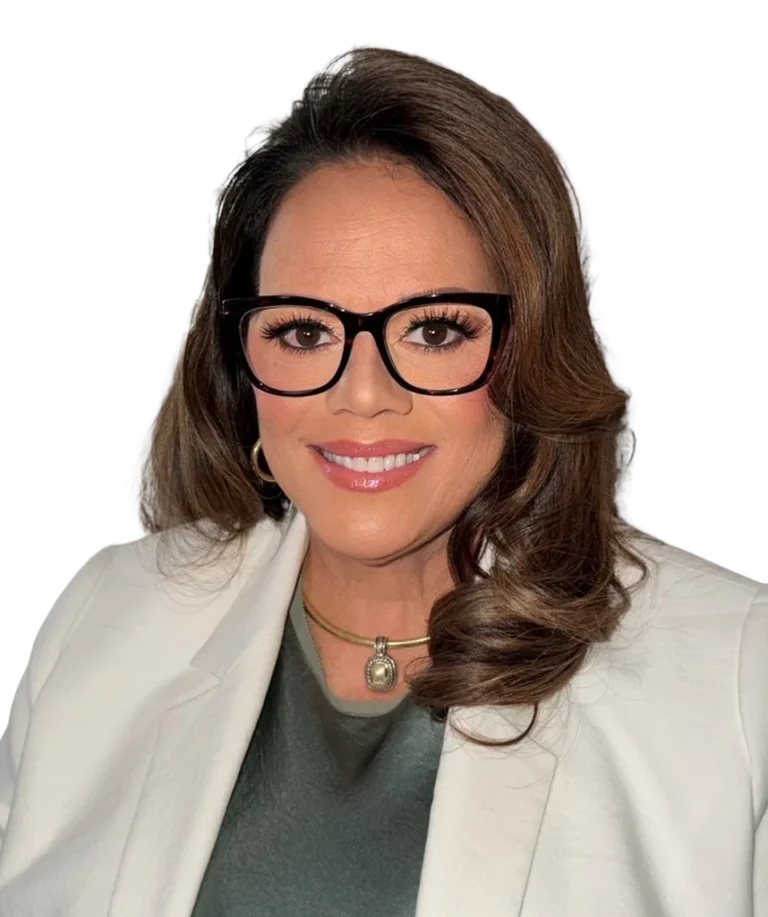










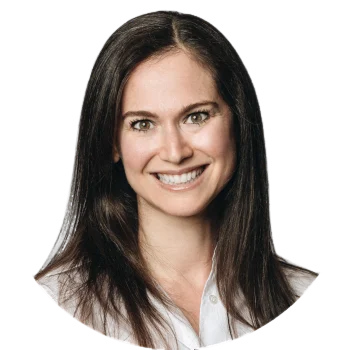
As the lines between personal caregiving duties and professional obligations continue to blur, October’s "Work-Family Month" serves as a poignant reminder of a growing silent crisis in the American workforce. In the latest installment of the Caregiving Club On Air podcast (Season 6, Episode 76), host Sherri Snelling sits down with Lindsay Jurist-Rosner, the Founder and CEO of Wellthy, to dissect the challenges of the "lifespan caregiving" model and the urgent need for structural workplace reform.
The Paradigm Shift: Lifespan Caregiving
The traditional view of caregiving—often narrowly defined as caring for an aging parent—has undergone a radical transformation. Today, we are in the era of "lifespan caregiving," a term that encompasses the full spectrum of care needs, from pediatric support for children with complex medical conditions to the daily management of eldercare, spousal support, and sibling assistance.
According to data cited during the interview, more than 63 million Americans are currently providing care for an adult, while approximately 72 million are balancing the demands of parenthood. Perhaps most staggering is the statistic that one in six parents is actively caring for a child with complex needs. When these responsibilities collide with the 9-to-5 corporate structure, the resulting "caregiving crunch" threatens both employee mental health and long-term organizational productivity.
Interview Highlights: Wellthy’s Strategy
Lindsay Jurist-Rosner, whose company Wellthy has become a leader in care navigation, emphasizes that caregiving is no longer a niche issue but a core workforce imperative. Wellthy’s recent acquisition of Cleo, a platform specializing in family and child care services, marks a strategic move to address the entirety of the caregiving cycle under one umbrella.

"Care navigation is the missing link," Jurist-Rosner explained. Families often find themselves overwhelmed by the Byzantine nature of the American healthcare system—insurance disputes, finding reputable in-home help, and managing long-term care facilities. By providing professional care advocates, companies can offload the mental and administrative burden from their employees, allowing them to remain productive and present in the workplace.
Chronology of the Caregiving Crisis in the Workplace
- The Pre-2020 Era: Caregiving was largely treated as a private, domestic matter. Employee Assistance Programs (EAPs) existed but were rarely utilized for the complex, long-term logistics of care.
- The Pandemic Inflection Point: COVID-19 forced a massive, abrupt transition to home-based work, exposing the fragility of the childcare and eldercare infrastructure. The "Sandwich Generation"—employees caring for both children and aging parents—reached a breaking point.
- The Current Landscape: Companies have moved from offering superficial perks (like flexible hours) to institutionalizing comprehensive care benefits. Organizations like Wellthy are now being integrated as standard employee benefits, mirroring the growth of health insurance or retirement planning.
- The Future Vision: The move toward "culture change" where managers are trained to identify signs of caregiver burnout and offer proactive support.
Supporting Data and Workforce Implications
The economic stakes for employers are higher than ever. When caregivers are not supported, organizations face increased absenteeism, "presenteeism" (where employees are at their desks but mentally preoccupied by care crises), and high turnover rates.
Research indicates that caregiving support is a top-tier recruitment tool. Modern employees, particularly those in the Millennial and Gen Z cohorts, are prioritizing benefits that offer flexibility and tangible care support. By failing to provide these resources, companies risk losing top-tier talent who are forced to exit the workforce due to unmanageable family obligations.
Furthermore, the "Gen C" (Generation Caregiver) continuum suggests that caregiving is a phase most employees will enter at some point in their careers. Consequently, caregiving benefits should not be viewed as an "extra," but as a fundamental component of a sustainable business model.

Official Responses and Expert Perspectives
During the discussion, Sherri Snelling highlighted several key strategies for both employees and employers. For managers, the focus must be on empathy and flexibility. Training managers to recognize that a drop in performance might be linked to a caregiving crisis—rather than a lack of motivation—is critical.
"Caregiving in the workplace is not one-size-fits-all," Snelling noted, referencing her extensive body of work on the subject. "We are seeing a move from a simple benefits checklist to a total culture change."
The dialogue also addressed the financial wellness of caregivers. With the costs of long-term care skyrocketing, many employees are finding their own financial futures at risk as they spend their savings on their parents’ care. This creates a secondary crisis: a future generation of employees who may be unable to retire because they have depleted their assets on familial caregiving.
The Path Forward: Resources and Education
For those navigating these challenges, the Caregiving Club and partners like Wellthy offer a roadmap for relief. Key resources include:
- Care Navigation Services: Platforms like Wellthy provide the human expertise needed to manage medical, legal, and financial caregiving tasks.
- Elder Care Locator: A government-backed service (eldercare.gov) that remains a vital starting point for those seeking local assistance.
- Wellness Hacking: Initiatives like the "Self-Care in 7 Minutes" series underscore the importance of the caregiver’s mental health. If the caregiver collapses, the entire system of care fails.
- Professional Development: Managers and HR leaders are encouraged to utilize resources that teach them how to implement caregiving-friendly policies that improve retention without sacrificing output.
Implications: A Call for Institutional Change
The conversation between Snelling and Jurist-Rosner serves as a rallying cry for the C-suite. The implications of the current trajectory are clear: companies that ignore the realities of the lifespan caregiving workforce will face declining loyalty and a shrinking talent pool.
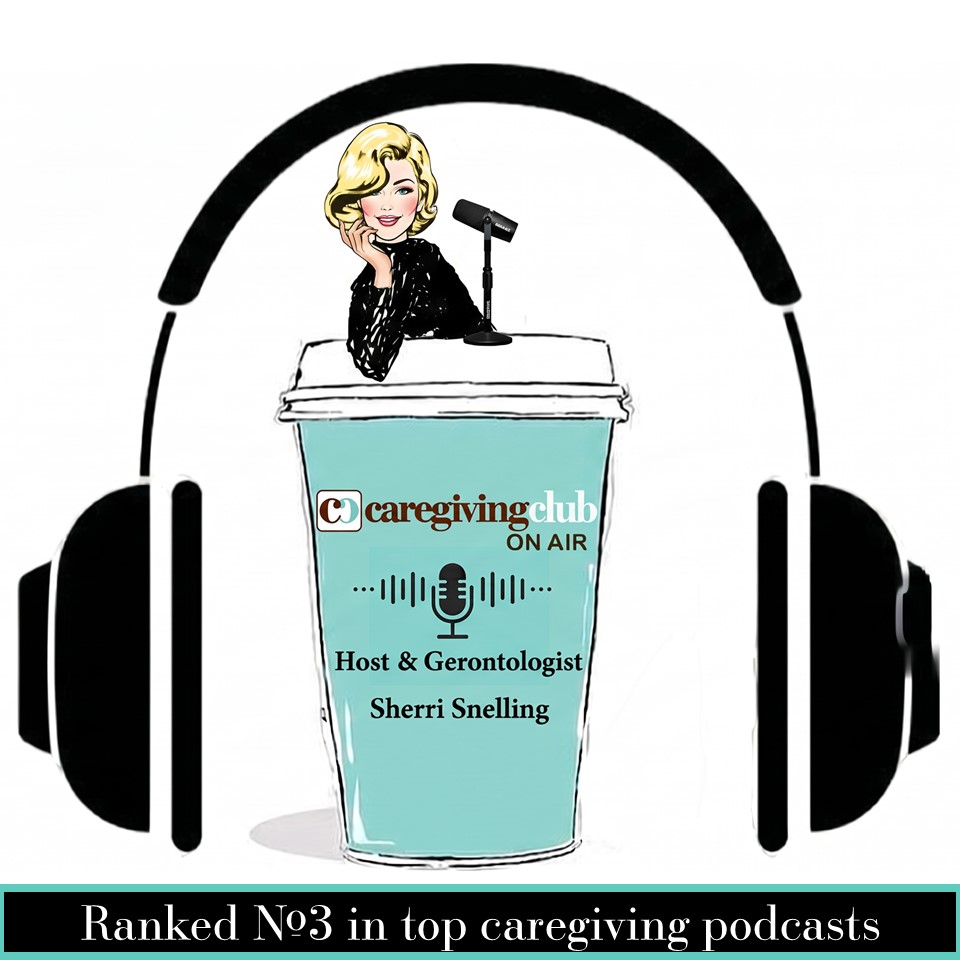
The move to integrate "Caregiving Club News" segments onto YouTube and the expansion of the Caregiving Club On Air podcast (which recently reached #3 on the Feedspot list of top caregiving podcasts) reflects a growing public hunger for information. As society continues to age and the complexities of modern work increase, the integration of professional caregiving support will become the definitive hallmark of a progressive, competitive employer.
In closing, the message for October’s Work-Family Month is that caregiving is not a personal failure, but a shared societal challenge. Whether through federal policy, corporate benefits, or community-based support, the infrastructure of care must evolve as rapidly as the workforce it serves.
About the Resources Mentioned:
- Wellthy: wellthy.com – Comprehensive support for families navigating the care ecosystem.
- Elder Care Locator: eldercare.gov – A vital public service for finding local aging-related resources.
- Caregiving Club On Air: Available on Apple Podcasts, Spotify, and the official Caregiving Club YouTube channel.
- Educational Reading: For further insights, readers are encouraged to explore Sherri Snelling’s articles, including "Caregiving Redefined: How the Gen C Continuum Reflects a New Era of Care" and "The Future of Caregiving in the Workplace," which detail the shift from benefit checklists to systemic culture change.
This article is based on Season 6, Episode 76 of the "Caregiving Club On Air" podcast. For more information, visit CaregivingClub.com.