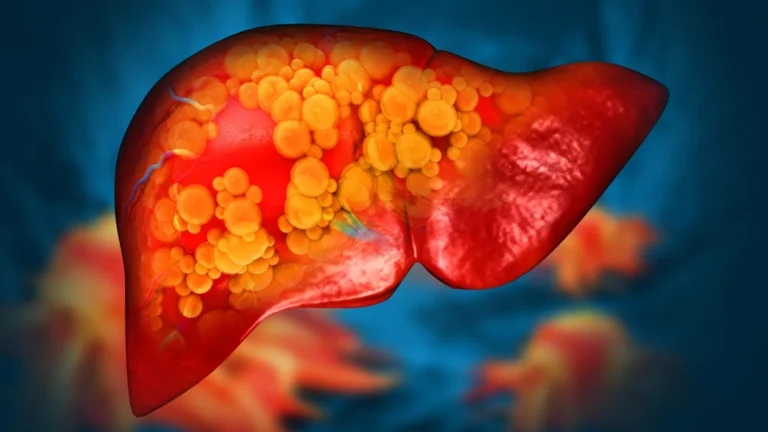










For decades, the medical approach to obesity has been dominated by a singular strategy: suppressing appetite. From early pharmaceutical interventions to the recent global revolution of GLP-1 agonists like semaglutide and tirzepatide, the primary goal has been to alter how the brain perceives hunger, effectively forcing the body to consume fewer calories.
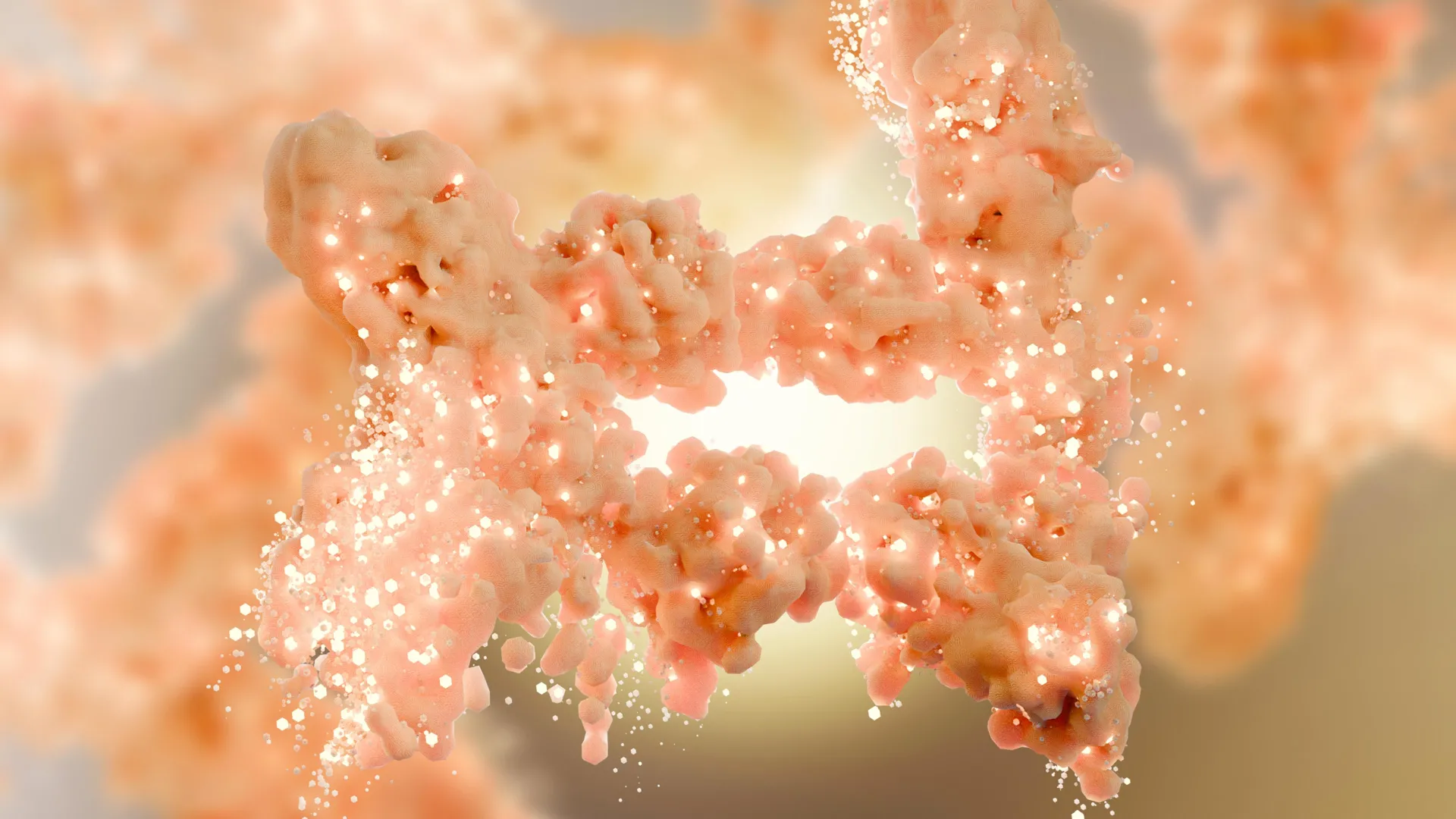
However, a groundbreaking series of studies from the Weizmann Institute of Science suggests that the future of metabolic health may lie not in the brain, but in the microscopic powerhouses within our cells. Researchers have identified a protein, MTCH2—affectionately nicknamed "Mitch"—that acts as a master regulator of whether cells store fat or burn it. By manipulating this protein, scientists have successfully reprogrammed how cells utilize energy, offering a tantalizing, albeit early, glimpse into a new generation of weight-management therapies.
The Discovery: Unlocking the MTCH2 Switch
The story of MTCH2 began with a fundamental question: What if we could shift the body’s metabolic baseline rather than just limiting its fuel intake? Professor Atan Gross and his team at the Weizmann Institute sought to understand the mechanisms that drive energy expenditure at a cellular level.
Their focus landed on MTCH2, a protein located on the outer membrane of mitochondria—the cellular organelles responsible for converting nutrients into adenosine triphosphate (ATP), the body’s energy currency. In initial laboratory experiments, the team discovered that when MTCH2 was disabled, the cells underwent a dramatic metabolic shift. They began consuming significantly higher amounts of fuel, specifically fats and carbohydrates, and showed a marked inability to develop into mature fat cells.
This discovery, published in The EMBO Journal in January 2025, provided the first evidence that MTCH2 acts as a gatekeeper, deciding how the cell allocates resources between storage and consumption.
A Chronology of Scientific Breakthroughs
The investigation into MTCH2 has unfolded in distinct, accelerating phases, shifting from basic cellular biology to complex whole-body metabolism.
Phase 1: The Muscle Connection (Prior Experiments)
Before the 2025 breakthrough, Professor Gross’s team experimented with disabling MTCH2 specifically in the muscle tissue of mice. The results were immediate and profound. The genetically modified mice displayed increased metabolic activity, improved physical endurance, and a complete resistance to diet-induced obesity. These mice were not just thinner; they were physically superior, showing improved heart function and a greater density of oxygen-using fibers in their muscles.
Phase 2: The Human Cell Validation (January 2025)
Led by doctoral student Sabita Chourasia, the research moved to human cell cultures. By using genetic engineering to remove MTCH2, the team observed that the cells’ mitochondrial networks became fragmented. This fragmentation forced the mitochondria into a state of "energy inefficiency," where they were required to work harder and consume more fuel to meet the cell’s demand. The cells began to burn lipids from their own membranes, effectively cannibalizing their structure to fuel the metabolic fire.
Phase 3: The CPT1 Mechanism (October 2025)
The research reached a significant milestone on October 3, 2025, with the publication of a follow-up study in Nature Communications. An international team of researchers discovered exactly how MTCH2 exerts its influence. They found that MTCH2 interacts with an enzyme called CPT1 (carnitine palmitoyltransferase 1), which acts as a checkpoint for fatty acid entry into the mitochondria. By modulating this interaction, MTCH2 effectively controls how much fat is "burned" versus how much is stored.
The Problem with Current Weight Loss: Lean Mass Preservation
The search for alternatives to appetite-suppressing drugs is not merely academic; it is driven by a growing concern regarding body composition. Modern clinical data suggests that the rapid weight loss achieved by current medications often comes at a cost.
A comprehensive 2026 analysis of 20 clinical trials, involving 15,782 participants, highlighted a troubling trend: when individuals lose weight via pharmacological intervention, a significant portion—between 25% and 39%—is lean body mass, including muscle tissue.
Preserving lean mass is critical for long-term health, mobility, and metabolic rate. The loss of muscle is a common side effect of weight loss, regardless of the method, though resistance training can mitigate it. Because MTCH2 appears to boost metabolic efficiency without requiring a decrease in food intake, it represents a potential "holy grail": a way to reduce body fat while sparing the vital muscle tissue necessary for longevity.
Official Responses and Scientific Implications
The scientific community has noted the potential, though the researchers remain cautious. Professor Atan Gross emphasizes that while the results are striking, moving from mouse models to human therapy is a complex, multi-year process.
"We discovered that deleting Mitch led to a major drop in fats in membranes," Gross explained in a press statement. "At the same time, we saw an increase in fatty substances used to produce energy. We showed that Mitch determines the fate of fat in human cells."
However, the team acknowledges that "switching off" a protein is a drastic measure. MTCH2 is involved in essential biological processes, including cell survival and mitochondrial regulation. Blocking it globally could have unintended side effects. Furthermore, fat is not inherently "bad"; healthy adipose tissue is essential for hormone production and energy storage. The challenge for future researchers will be to find a way to modulate MTCH2 locally—perhaps specifically in fat tissue—without disrupting the delicate systemic balance of the body.
Supporting Data: Why It Matters
The evidence gathered by the Weizmann team suggests that MTCH2 influences metabolism through two primary pathways:
- Enhanced Fatty Acid Oxidation: By influencing CPT1, MTCH2 forces the mitochondria to process more fats as fuel.
- Inhibition of Adipogenesis: In the absence of MTCH2, precursor cells fail to mature into fat-storing adipocytes. Experiments showed that while 80–90% of normal precursor cells became fat cells within six days, only 5–10% of those lacking MTCH2 followed the same path.
These findings were further bolstered by the 2025 Nature Communications study, which showed that mice lacking MTCH2 in their fat tissue maintained healthy weight levels on a high-fat diet, showing improved glucose tolerance and lower cholesterol levels, all without a decrease in food consumption or an increase in physical activity.
The Future of Obesity Treatment
The discovery of the MTCH2 switch marks a paradigm shift in how we view the biology of obesity. For decades, obesity has been treated as a behavioral or neurological challenge—a failure of the brain to signal "fullness." The Weizmann Institute’s work frames obesity as a cellular and metabolic regulatory failure.
If researchers can develop a targeted approach to modulate MTCH2, the next generation of weight-loss drugs might not be appetite suppressants at all. Instead, they could be "metabolic adjusters" that encourage the body to treat excess fat as a primary fuel source rather than a storage asset.
As the scientific community continues to explore the nuances of mitochondrial health, one thing is clear: the path to healthy, sustained weight loss may be hidden deep within the structure of our cells. While the road from a laboratory petri dish to a pharmacy shelf is long and fraught with regulatory hurdles, the "Mitch" protein has provided a new, compelling target in the global fight against metabolic disease.
For now, the advice remains rooted in the tried-and-true: until pharmacological breakthroughs catch up to these discoveries, combining a balanced diet with resistance training remains the most effective way to preserve lean muscle while managing body fat. But the future of metabolism is shifting, and the power to control energy usage may soon be within our reach.