






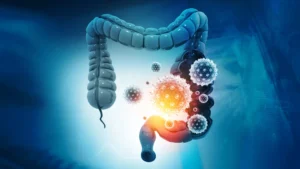



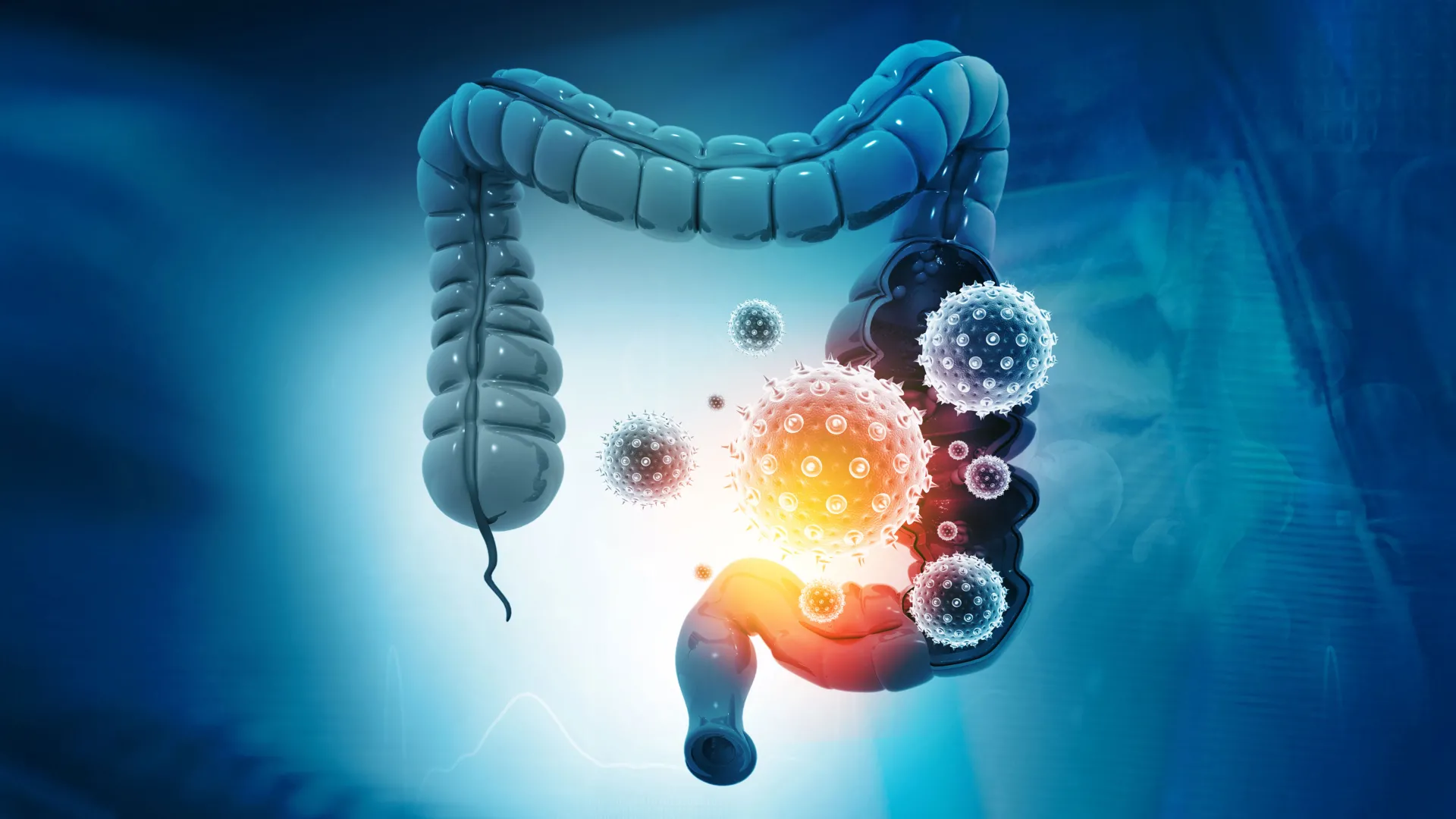
For nearly two decades, the medical community has grappled with a persistent, silent threat residing within the human gut. Bacteroides fragilis, a common bacterium found in the digestive tracts of up to 20% of healthy individuals, is usually benign. However, specific strains possess a sinister capability: they secrete a potent toxin known as BFT (B. fragilis toxin). This toxin has long been linked to chronic inflammation, the destruction of the colon’s protective lining, and, most alarmingly, the promotion of colorectal cancer.
While researchers had previously established the "what" and the "why" of this bacterial attack, the "how" remained an elusive mystery. How does this toxin initiate its assault on healthy intestinal cells? A breakthrough study published in Nature by a multi-institutional team led by Johns Hopkins Medicine has finally identified the missing link: a protein called claudin-4. This discovery not only clarifies a fundamental biological process but has already yielded a "molecular decoy" capable of neutralizing the toxin before it can cause harm.
The Chronology of a Medical Mystery
The path to this discovery was paved by years of dedicated, sometimes frustrating, scientific inquiry. The story of BFT began to take shape in 2009, when a landmark study—also led by Cynthia Sears, M.D., of the Johns Hopkins Kimmel Cancer Center—demonstrated that the B. fragilis toxin could directly promote the development of colon tumors in animal models. This provided the "smoking gun" connecting gut bacteria to the complex etiology of colorectal cancer.
In the years that followed, researchers observed that BFT systematically dismantled E-cadherin, a critical protein responsible for maintaining the tight seals between colon cells. When E-cadherin is compromised, the intestinal barrier weakens, allowing pathogens and inflammatory agents to seep into surrounding tissues.
However, there was a glaring contradiction in the evidence: BFT did not appear to bind directly to E-cadherin. It was clear that an intermediary was involved—a receptor that acted as a gateway for the toxin. Despite repeated attempts to isolate this receptor, it remained invisible to researchers for years. It wasn’t until the application of CRISPR-Cas9, the revolutionary gene-editing technology, that the team was able to systematically disable genes in colon cells to observe which, when missing, rendered the cells immune to the toxin.
The CRISPR Breakthrough: Identifying the "Missing Link"
The research team, led by Johns Hopkins M.D./Ph.D. candidate Maxwell White, collaborated with the laboratory of Matthew Waldor at Harvard Medical School to conduct a genome-wide CRISPR screen. By methodically turning off individual genes within colon epithelial cells, they sought to identify the precise molecular "door" the toxin uses to enter or attach to the cell.
The results were unequivocal. When the gene responsible for producing claudin-4 was disabled, BFT lost its ability to bind to the cells entirely. Without this crucial attachment, the toxin was rendered inert; it could not access or damage the E-cadherin proteins.
"It took a while to get the assay working and validate the approach, but once we were able to do the screen, claudin-4 was a clear, resounding top hit," says White. "That was an exciting moment."
The discovery was surprising to many in the field. Scientists had long hypothesized that a bacterial toxin of this nature would interact with a G protein-coupled receptor—the cellular equivalent of a communication switchboard. Claudin-4, however, serves an entirely different biological function: it is a structural component of the "tight junctions" that keep cells adhered to one another. By hijacking a structural protein rather than a signaling one, BFT displays a sophisticated, perhaps even unique, mechanism of pathogenesis that researchers had not previously documented.
Supporting Data: From Laboratory Bench to Structural Biology
To move beyond functional observation, the researchers needed physical evidence. In collaboration with structural biologists F. Xavier Gomis-Rüth and Ulrich Eckhard at the Molecular Biology Institute of Barcelona, the team utilized advanced molecular interaction measurements to prove that BFT and claudin-4 form a tight, one-to-one complex.
This binding is the catalyst for the entire cascade of destruction. Once the toxin is "docked" onto the claudin-4 receptor, it gains the leverage required to engage its protease activity—a biological process of enzymatic "cutting"—to dismantle the protective architecture of the gut lining.
While the team has confirmed the binding interaction, they acknowledge that the precise, atomic-level three-dimensional structure of this complex remains a subject of ongoing study. Even with the assistance of cutting-edge AI-driven protein folding models like AlphaFold, the exact interface of the BFT-claudin-4 bond requires further crystallization studies. Mapping this interface could prove invaluable for future drug development, allowing researchers to design "lock-and-key" inhibitors that perfectly fit into the binding site to prevent the toxin from latching on.
Official Perspectives: The Potential for Therapeutic Intervention
The implications of this discovery are vast, extending far beyond the biology of the colon. Dr. Cynthia Sears, the Bloomberg-Kimmel Professor of Cancer Immunotherapy, emphasizes that understanding the mechanics of bacterial toxins is a gateway to new diagnostic and therapeutic frontiers.
"Understanding how bacterial toxins work can open doors to new approaches for detection and therapy for associated diseases, including diarrhea, colorectal cancer, and bloodstream infections," Dr. Sears notes.
The most immediate application of these findings is the development of a molecular decoy. By creating a soluble version of the claudin-4 protein, the researchers have effectively built a "trap." When introduced to the system, the BFT toxin binds to these decoy proteins instead of the actual colon cells. In initial trials with mice, this approach successfully intercepted the toxin, preventing it from damaging the intestinal barrier and, by extension, preventing the subsequent inflammation.
This strategy represents a paradigm shift: rather than attempting to repair tissue damage after it has occurred or using antibiotics that might wipe out healthy gut flora, scientists could theoretically deploy decoys to neutralize the toxin at its source.
Future Implications: Prevention and Beyond
While the results in murine models are highly encouraging, the research team is cautious about the road ahead. The transition from animal studies to human clinical trials is complex. Questions remain regarding the pharmacokinetics of such decoys—how long they remain active in the body, the optimal method of delivery, and whether they can be developed into stable small-molecule drugs or more sophisticated biologics.
Furthermore, while the study provides a clear mechanism for how BFT causes inflammation and tissue damage, the long-term prevention of colorectal cancer remains a multi-factorial challenge. The research does not suggest that neutralizing BFT will be a "cure-all," but it does provide a specific, actionable target for mitigating one of the many biological stressors that contribute to carcinogenesis.
A New Era of Targeted Medicine
The research, which received partial support from the National Institutes of Health, highlights the power of interdisciplinary collaboration. By combining the gene-editing capabilities of CRISPR, the structural insights of crystallography, and the clinical expertise of oncology, the team has managed to decode a biological puzzle that has persisted since 2009.
As the team looks toward the next phase of development, the focus will shift toward optimizing these decoys. Small molecules are a primary candidate for future therapeutics, as they are often easier to manufacture, stabilize, and administer than larger biological proteins.
For the millions of people who carry Bacteroides fragilis in their gut, this discovery offers a glimpse into a future where the risk of toxin-induced cancer could be actively managed. By blocking the first step of a long, destructive process, science has once again shown that the most effective way to solve a complex disease may be to identify the simplest, most fundamental point of vulnerability.
This research, supported by the Bloomberg~Kimmel Institute for Cancer Immunotherapy, Janssen Research and Development, Cancer Research UK, and the National Institutes of Health, stands as a testament to the importance of foundational science in the fight against cancer. As Dr. Sears and her team continue their work, the scientific community watches with anticipation, hopeful that this "missing link" will lead to the next generation of life-saving, preventive medicine.