




For decades, the Mediterranean diet has been the gold standard of nutritional science, consistently linked to lower rates of heart disease, metabolic disorders, and cognitive decline. Yet, while its epidemiological success is well-documented, the "how"—the precise biological machinery triggered by olive oil, legumes, and fresh produce—has remained somewhat elusive.
A groundbreaking new study from the USC Leonard Davis School of Gerontology is changing that narrative. Researchers have identified a sophisticated biological mechanism that bridges the gap between the dinner plate and the cell, suggesting that the Mediterranean diet may protect the body by stimulating the production of tiny, powerful proteins secreted by our mitochondria.
The Microprotein Connection: A New Frontier in Gerontology
The study, led by USC Leonard Davis Instructional Associate Professor of Gerontology Roberto Vicinanza, centers on two specific mitochondrial microproteins: humanin and SHMOOSE. Mitochondria, famously dubbed the "powerhouses of the cell" for their role in ATP energy production, are increasingly understood as complex signaling hubs that dictate how our bodies age.
Unlike standard proteins, which are encoded by the cell’s nuclear DNA, these microproteins are encoded by the mitochondria themselves. For years, the segments of mitochondrial DNA responsible for these proteins were dismissed as "junk" or non-functional. However, the USC team’s research—built upon two decades of investigation by senior author and USC Distinguished Professor Pinchas Cohen—reveals that these molecules act as critical molecular messengers.
"These microproteins may act as molecular messengers that translate what we eat into how our cells function and age," Vicinanza explained. "It’s a new biological pathway that helps explain why the Mediterranean diet is so powerful."
Chronology of Discovery: From Mitochondrial Mysteries to Nutritional Science
The investigation into these microproteins is not an overnight development; it is the culmination of twenty years of rigorous inquiry into the "mitochondrial genome."
- 2003: Professor Pinchas Cohen and his research team identify humanin, a breakthrough discovery that opened the door to understanding how mitochondrial-derived peptides impact human longevity.
- The Following Decade: Subsequent studies link humanin to improved insulin sensitivity, enhanced cardiovascular resilience, and neuroprotection, positioning it as a key player in metabolic health.
- The Recent Past: Cohen’s lab identifies SHMOOSE (Small Human Mitochondrial ORF Over SErine tRNA), a microprotein that has garnered significant interest for its potential to protect neurons against the amyloid plaque accumulation associated with Alzheimer’s disease.
- The Current Study: Vicinanza and his team take the leap from lab-based discovery to clinical observation, analyzing blood samples from older adults to see if dietary habits correlate with the concentrations of these proteins.
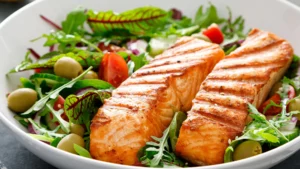
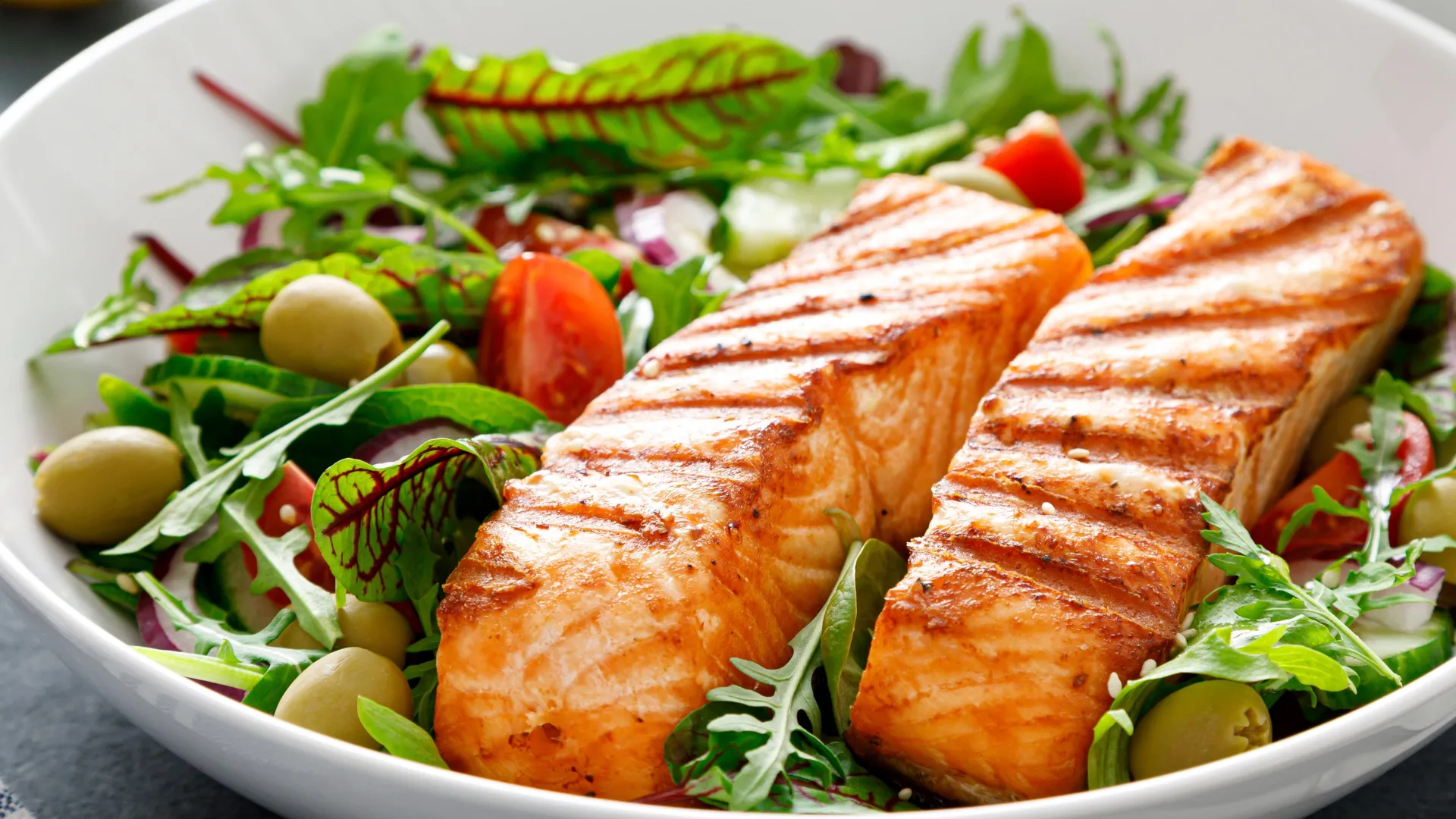
The findings were striking: individuals who adhered strictly to a Mediterranean-style diet—rich in olive oil, fish, beans, and vegetables—displayed significantly elevated levels of both humanin and SHMOOSE. Conversely, those who drifted away from these patterns toward diets high in refined carbohydrates showed lower levels of these protective markers.
Supporting Data: Dissecting the Nutritional Influence
The study did not merely correlate "healthy eating" with "good outcomes"; it began to map specific food groups to specific microprotein profiles.
The Specificity of Diet
The data revealed a nuanced relationship between dietary intake and mitochondrial response:
- Humanin Levels: Strongly associated with the consistent consumption of olive oil, fish, and legumes.
- SHMOOSE Levels: Linked to higher olive oil intake and, crucially, a reduction in refined carbohydrates (such as white bread, pastries, and processed sugars).
The researchers also measured "oxidative stress"—the state where reactive oxygen species (harmful byproducts of metabolism) overwhelm the body’s defenses. Participants with high adherence to the Mediterranean diet exhibited lower markers of oxidative stress, suggesting that these microproteins might actively buffer the body against the cellular "rusting" that drives chronic disease.
The Nox2 Mechanism
Perhaps the most compelling piece of data involves the enzyme Nox2. This enzyme is responsible for producing the reactive oxygen species that damage blood vessels and tissues. The study observed an inverse relationship: as humanin levels rose, Nox2 activity decreased. This provides a tangible, measurable pathway through which the Mediterranean diet may offer cardiovascular protection—not just through general "healthy living," but through the direct modulation of oxidative enzyme activity.
Official Responses and Expert Perspective
The implications of these findings have sent ripples through the scientific community. Dr. Pinchas Cohen, senior author of the study, emphasized the potential for these findings to transition into clinical practice.
"These findings suggest that specific components of the Mediterranean diet may directly influence mitochondrial biology," Cohen stated. "Humanin and SHMOOSE could serve as biomarkers for adherence to the Mediterranean diet and have clinical significance."
For medical professionals, the concept of a "biomarker" for diet is a game-changer. Currently, nutritional studies rely heavily on self-reported questionnaires, which are notoriously prone to error. If clinicians could test for humanin and SHMOOSE levels, they would have an objective, biological snapshot of a patient’s dietary health and their cells’ response to that diet.
Vicinanza, who has spent significant time in Italy promoting the Mediterranean diet as a UNESCO-recognized cultural and health treasure, sees this research as the ultimate bridge between history and science. "We’re connecting centuries-old dietary traditions with cutting-edge molecular biology," he noted. "It supports the idea that healthy eating patterns with little to no ultra-processed foods reflect how humans have eaten over long periods and may create conditions to which mitochondria—ancient cellular organelles—are likely adapted."
Implications for the Future: Precision Nutrition and Healthy Aging
The study serves as a foundational step toward the emerging field of "precision nutrition." By moving beyond the one-size-fits-all dietary advice, scientists hope to eventually tailor nutritional strategies to an individual’s specific mitochondrial health.
Moving Toward Causality
While the study establishes a clear association, the authors are careful to note its limitations. As an observational study, it cannot definitively prove that the diet caused the increase in microproteins, nor that the microproteins alone prevent disease. The next phase of research will focus on interventional trials—controlled experiments where dietary changes are tracked over time to see if they reliably trigger an increase in these proteins and, subsequently, a measurable improvement in health outcomes.
The Path to Clinical Utility
If causality is confirmed, the potential for therapeutic intervention is immense. Future research could explore:
- Diagnostic Screening: Using microprotein panels to assess the metabolic health of aging populations.
- Targeted Nutritional Therapy: Developing specific "mitochondrial-boosting" meal plans for those at high risk for Alzheimer’s or heart disease.
- Molecular Supplementation: Investigating whether the pathways stimulated by these proteins can be augmented or supported through targeted nutritional interventions.
As the global population ages, the search for mechanisms to prolong "healthspan"—the period of life spent in good health, free from chronic disease—has become a top priority. By uncovering the role of humanin and SHMOOSE, the USC Leonard Davis School has provided a compelling new argument for the Mediterranean diet: it is not just food; it is a signal that tells our cells to stay young, resilient, and protected against the passage of time.
The findings suggest that the secret to a longer, healthier life may be hidden in the tiny, ancient engines within our cells—and that the key to turning those engines on may be as simple as an extra serving of legumes or a drizzle of high-quality olive oil.