









In the ongoing quest to preserve cognitive health as we age, science has often looked toward complex pharmaceutical interventions. However, a groundbreaking series of studies from the Maastricht University Medical Center in the Netherlands suggests that one of the most effective tools for maintaining brain vitality may already be sitting in our pantry. New research indicates that the regular consumption of unsalted, skin-roasted peanuts can significantly improve how the brain responds to insulin—a critical factor in memory, cognitive function, and the potential prevention of age-related neurological decline.
The Science of Insulin and the Brain: A Vital Connection
While insulin is colloquially understood as the hormone responsible for managing blood sugar levels in the body, its role within the cranium is far more nuanced and essential. In the brain, insulin acts as a facilitator for neuronal health. It is instrumental in the growth and survival of nerve cells, acts as a bridge for communication between synapses, and provides the energy necessary for complex cognitive tasks.
As humans age, the brain’s sensitivity to insulin—its ability to effectively "hear" and utilize the hormone’s signals—often begins to wane. This phenomenon, known as brain insulin resistance, is increasingly recognized by the scientific community as a precursor to cognitive impairment and a potential risk factor for neurodegenerative conditions, including Alzheimer’s disease.
The research conducted by the Institute of Nutrition and Translational Research in Metabolism (NUTRIM) at Maastricht University Medical Center sought to determine if dietary intervention could reverse or mitigate this decline. By focusing on the humble peanut, researchers have identified a accessible, nutrient-dense food that may serve as a powerful ally in the preservation of mental acuity.
Chronology of the Research: A Rigorous Methodology
The journey to these findings was paved by a series of controlled, academic investigations led by Dr. Peter J. Joris and his research team. The process was meticulously structured to ensure scientific validity and eliminate external variables.
The 2025 Foundation
The current findings build upon a pivotal study published earlier in 2025 in the journal Clinical Nutrition. In that initial investigation, the team observed 31 healthy adults between the ages of 60 and 75 over a 16-week period. During this time, participants consumed 60 grams—roughly two standard servings—of peanuts daily. The results were striking: the group exhibited a 3.6% increase in overall cerebral blood flow (CBF) and a 5.8% improvement in verbal memory performance. These findings established a baseline, suggesting that peanuts were not merely a snack, but a bioactive intervention capable of enhancing vascular and cognitive health.
The NUTRIM Breakthrough
Building on this success, the team moved to understand the mechanisms behind these improvements. Published in the peer-reviewed journal Food & Function, the latest study utilized a randomized, controlled crossover trial. This design is considered the "gold standard" in nutritional research because each participant acts as their own control, comparing their brain health during a period of peanut consumption against a period of total avoidance.
For 16 weeks, the 31 participants were provided with premeasured packets of unsalted, skin-roasted peanuts. They were given the flexibility to integrate the nuts into their daily routines—whether eaten all at once or spread across meals—ensuring high adherence rates. Through this rigorous structure, researchers were able to isolate the specific impact of the peanut intake on brain insulin sensitivity.
Supporting Data: Inside the Brain’s Response
The researchers employed some of the most sophisticated diagnostic tools available in modern neuroscience to measure the impact of the dietary shift. The primary instrument was arterial spin labeling magnetic resonance imaging (ASL-MRI), which allows for the non-invasive mapping of blood flow throughout the brain.
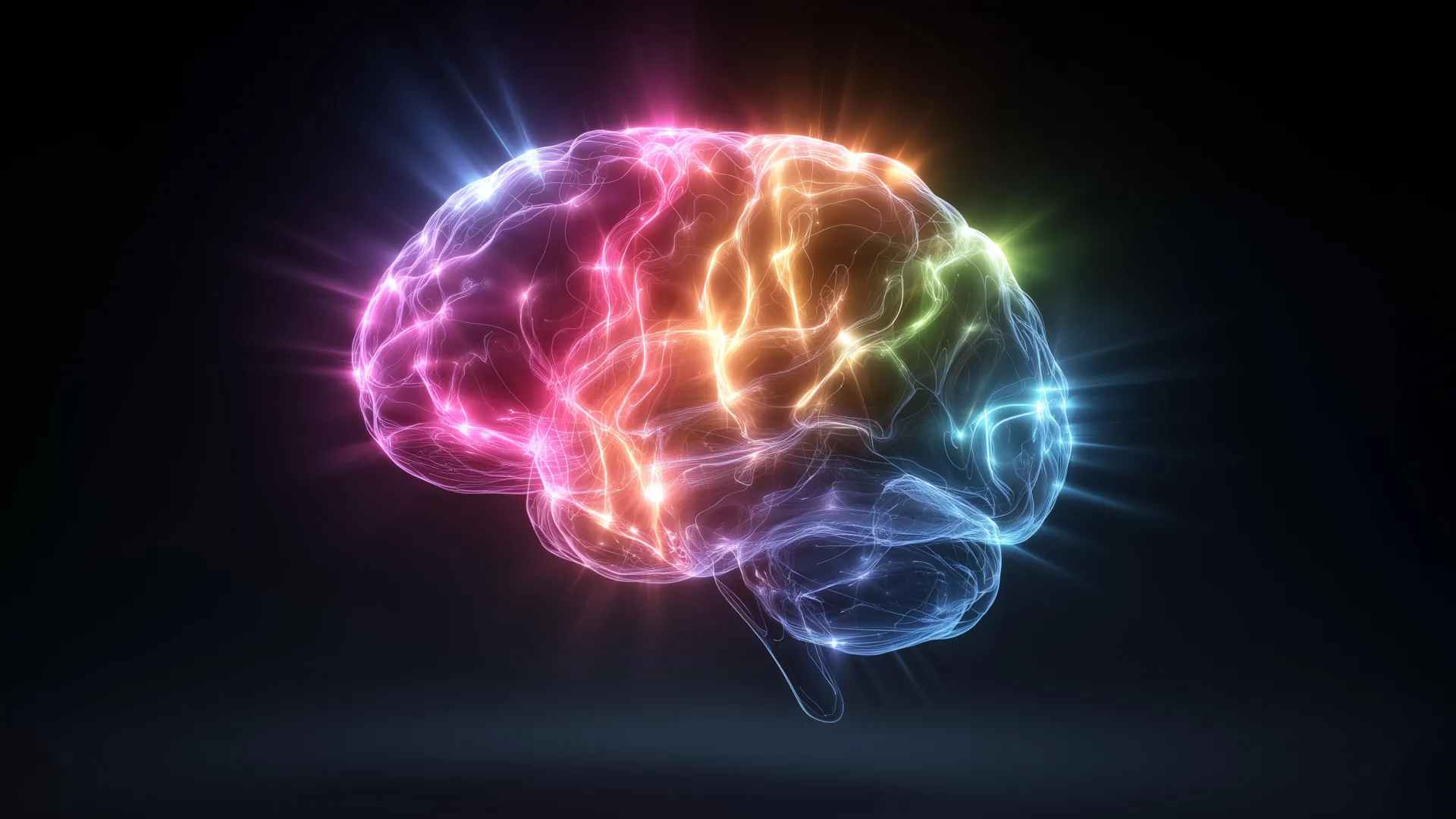
By administering insulin intranasally and then tracking the brain’s response via ASL-MRI, the team identified specific regions in the right hemisphere—including the lingual gyrus, hippocampus, parahippocampal gyrus, and posterior cingulate gyrus—that showed enhanced insulin responsiveness. These regions are not arbitrary; they are the command centers for memory formation, spatial navigation, and the processing of complex information.
To ensure a comprehensive analysis, the team also performed abdominal MRI scans to assess intrahepatic lipid (IHL) content, or fat accumulation in the liver. Furthermore, they utilized the Cambridge Neuropsychological Test Automated Battery (CANTAB), a global standard for computerized cognitive testing, to quantify the behavioral outcomes of the improved physiological responsiveness.
The "Nutrient Symphony": Why Peanuts Work
One of the most intriguing aspects of the study is the researchers’ refusal to attribute the benefits to a single "super-nutrient." Instead, Dr. Joris and his team argue that the peanut represents a "nutrient symphony."
"Multiple nutrients present in peanuts, including unsaturated fats, dietary fiber, vitamins and minerals and bioactive phytochemicals, could potentially contribute to the observed brain benefits," Dr. Joris explains.
The nutritional profile of the peanut is exceptionally dense. It contains:
- Unsaturated Fats: Essential for maintaining the integrity of neuronal membranes.
- Bioactive Phytochemicals: Compounds that act as antioxidants, reducing the oxidative stress that often precedes brain aging.
- L-Arginine: A critical amino acid and a precursor to nitric oxide (NO). Nitric oxide is a vasodilator, meaning it helps relax blood vessels, thereby improving the efficiency of blood flow—and oxygen delivery—to the brain.
The presence of these compounds in concert likely creates a synergistic effect, protecting the brain from inflammation and enhancing the metabolic pathways that insulin relies upon to function.
Official Responses and Expert Perspective
The implications of this research are significant for public health, particularly in an era of aging populations. Dr. Peter J. Joris, senior author and associate professor in the Department of Nutrition and Movement Sciences at NUTRIM, views these findings as a bridge between simple dietary choices and long-term neurological wellness.
"Our study found that daily peanut consumption beneficially affected insulin responsiveness in memory-related brain regions in older adults," Dr. Joris stated. "These findings suggest that enhanced regional brain insulin responsiveness may contribute to the cognitive benefits of unsalted, skin-roasted peanut intake."
The study, while partially funded by The Peanut Institute Foundation, maintains a high level of academic independence. The researchers emphasized that the foundation had no role in the study design, data analysis, or the writing of the manuscript. This transparency is crucial for the credibility of nutritional science, ensuring that the results are based solely on the clinical data observed by the team, which included Ph.D. candidate Lucia Kerkhof as a key researcher.
Implications: A Simple Strategy for Cognitive Aging?
The potential for this research to influence dietary guidelines is profound. If a simple, accessible, and affordable food item like the peanut can improve insulin sensitivity in the brain, it offers a scalable intervention that individuals can adopt immediately.
Enhancing Cognitive Reserve
The study suggests that we may be able to bolster our "cognitive reserve"—the brain’s ability to improvise and find alternate pathways to complete tasks despite age-related damage. By improving insulin responsiveness in the hippocampus and surrounding regions, daily peanut consumption may help older adults maintain their ability to encode new memories and access old ones more efficiently.
A Holistic Approach to Longevity
This research is part of a larger trend in medicine that emphasizes the gut-brain axis and the impact of systemic metabolic health on mental function. By reducing the load on the body’s insulin system through healthy fats and fiber—and simultaneously supporting vascular health through nitric oxide precursors—the peanut serves as a multi-functional tool for longevity.
Looking Toward Future Research
While the findings are promising, the researchers acknowledge that this is just one piece of the puzzle. Future studies will likely investigate whether these benefits extend to populations already experiencing mild cognitive impairment (MCI) or if long-term, multi-year consumption yields even greater dividends in delaying the onset of clinical dementia.
In conclusion, the work conducted at Maastricht University provides a compelling argument for the role of nutrition in brain health. By proving that 60 grams of peanuts a day can sharpen the brain’s ability to communicate and function, Dr. Joris and his team have provided a scientifically backed, dietary-based path toward protecting the aging mind. For those looking to support their cognitive health, the solution may be as simple as reaching for a handful of unsalted, skin-roasted peanuts.