









In the modern digital landscape, wellness trends often emerge with the speed of a viral video. From TikTok tutorials to Instagram reels, social media users are currently captivated by the versatile, viscous amber liquid known as castor oil. Whether it is being massaged into the navel, applied as an eye lubricant, or used in abdominal packs, the current "discovery" of castor oil has sparked a global conversation about holistic health.
However, for practitioners at The Ayurvedic Institute, this viral phenomenon is not a new trend; it is the rediscovery of a therapeutic pillar that has been central to Ayurvedic medicine for millennia. Known in Sanskrit as Eranda, the castor plant has long been revered for its unique ability to harmonize the body’s internal landscape. As the modern world pivots back toward ancestral wisdom, understanding the classical application of this potent oil is essential for those seeking safe and effective integration into their daily routines.
Main Facts: The Pharmacology of Eranda
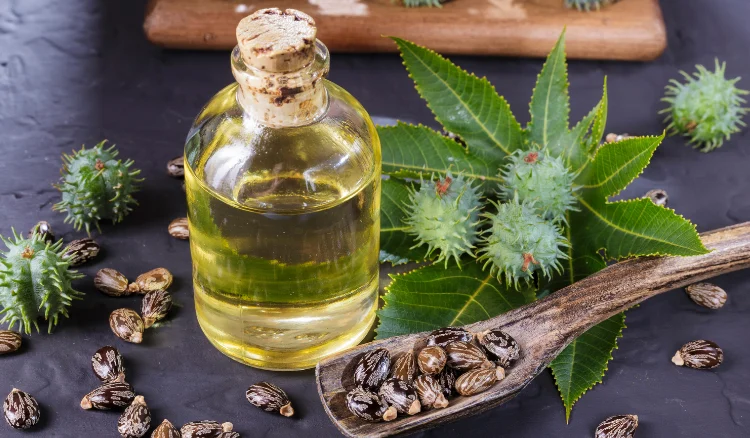
The castor plant is botanically significant, but in the context of Ayurveda, it is medicinal gold. Ancient texts frequently compare its broad, palmate leaves to the open hand of a celestial musician—a symbol of the healing gesture of giving.
What distinguishes castor oil from other therapeutic oils is its rare, balanced energetic profile. According to Ayurvedic principles, it possesses a unique combination of attributes:
- Qualities (Gunas): Heavy, oily, sharp, and subtle.
- Tastes (Rasa): Sweet, pungent, and astringent.
- Energy (Virya): Heating when ingested, but cooling when applied topically.
- Post-Digestive Effect (Vipaka): Sweet.
This complex nature allows castor oil to balance all three doshas—Vata, Pitta, and Kapha—provided it is used with the appropriate carrier and intention. Because it is both penetrating (due to its sharpness) and nourishing (due to its sweetness), it serves as a "yogavahi," or a substance that carries other herbs deeper into the bodily tissues.
Chronology: A Thousands-Year-Old Legacy
The clinical use of castor oil is not a modern innovation; it is a legacy passed down through centuries of observation.
- Ancient Period: Eranda was documented in classical Ayurvedic texts as a primary treatment for digestive stagnation, joint inflammation, and skin ailments. Its role as a purgative and a tissue-cleanser was established long before the advent of modern pharmacology.
- 20th Century: Dr. Vasant Lad, a world-renowned authority on Ayurveda, brought these classical teachings to the West, emphasizing that while the oil is powerful, it is not a "one-size-fits-all" remedy. His decades of clinical practice have underscored that the timing, dose, and method of application must be tailored to the individual.
- The Digital Era (2020–Present): With the rise of social media-driven wellness, anecdotal reports of castor oil’s benefits have exploded. While this has democratized access to the information, it has also led to a "universalist" approach—a dangerous misunderstanding that ignores the core Ayurvedic tenet of individual constitution.
Supporting Data: Tailoring the Oil to Your Dosha
The most critical mistake in contemporary wellness circles is the assumption that castor oil works the same way for everyone. In Ayurveda, your unique constitution dictates the protocol.
External Applications for Vata (Movement and Air)
Vata imbalances often manifest as dryness, cracking joints, and rough skin. To treat this, practitioners recommend blending castor oil with sesame oil—the warming, grounding "king" of Vata oils. The combination allows the castor oil to penetrate deep into the tissue, lubricating the channels and softening the skin. For joint pain, a warm castor oil compress is a classical remedy, providing relief without the harshness of synthetic chemical patches.
External Applications for Pitta (Fire and Heat)
Pitta types suffer from internal and external heat. When alochaka pitta (the sub-dosha of the eyes) is elevated, the eyes become dry and irritated. Dr. Lad recommends a single drop of high-quality castor oil in each eye before sleep—a practice that provides cooling relief. For sun protection, a mixture of castor and neem oil creates a cooling, anti-inflammatory barrier that respects the skin’s sensitivity.
External Applications for Kapha (Earth and Water)
Kapha imbalance is marked by accumulation—congestion, weight gain, and sluggishness. Here, castor oil is used to move stagnant energy. Applying warm oil to the nabhi (navel) in circular strokes is a profound practice. Because the navel is the meeting point of prana (life force) and apana vayu (downward moving energy), this practice helps stimulate the liver and spleen, encouraging the release of accumulated "ama" (metabolic toxins).
Official Responses and Clinical Perspectives
The Ayurvedic Institute maintains a firm stance: while castor oil is a miracle of nature, its potency demands respect.
"What most wellness content gets wrong," experts note, "is treating castor oil as universal. One recommendation for everyone is never how it works."
The Institute highlights that internal use, in particular, requires the oversight of a qualified practitioner. While the oil is a celebrated purgative used in formulas like Gandharva Haritaki to cleanse the colon, improper internal consumption can cause severe digestive distress. Furthermore, there are significant contraindications: castor oil should not be used internally during pregnancy, by those with ulcerative gastrointestinal conditions, or by those suffering from acute inflammatory bowel issues.
Implications: The Path Forward
The current craze for castor oil is a symptom of a larger cultural shift—a collective yearning for "what actually works." People are increasingly disillusioned with synthetic pharmaceuticals and are returning to the earth, seeking wisdom that has been stress-tested by thousands of years of human experience.
However, the implication of this trend is that we must move from "content consumption" to "conscious application." Following a TikTok trend without understanding one’s own dosha is not true wellness; it is merely another form of guesswork.
How to Engage Safely
- Start Externally: External applications are generally well-tolerated and provide a gentle introduction to the oil’s properties.
- Consult a Professional: Before attempting any internal protocol, consult an Ayurvedic practitioner who can assess your unique constitution and current state of imbalance.
- Prioritize Quality: The efficacy of the oil depends on its purity. Always source organic, cold-pressed castor oil to ensure that you are receiving the plant’s full therapeutic benefit without synthetic contaminants.
- Educate Yourself: The wisdom of Ayurveda is a vast, interconnected system. Relying on fragments of information found online can be misleading. Utilizing resources like The Ancient Ayurvedic Guide to Castor Oil or enrolling in foundational studies allows for a more holistic, safe, and effective integration of these ancient tools into your modern lifestyle.
In conclusion, Eranda offers a potent gift to those who know how to receive it. As we continue to navigate the intersection of ancient tradition and modern life, the story of castor oil serves as a reminder that the most effective health solutions are often those that have stood the test of time, provided they are applied with wisdom, precision, and an understanding of the individual. The path to health is not a trend; it is a long-term commitment to understanding the unique rhythms of your own body.