









Published November 1, 2026
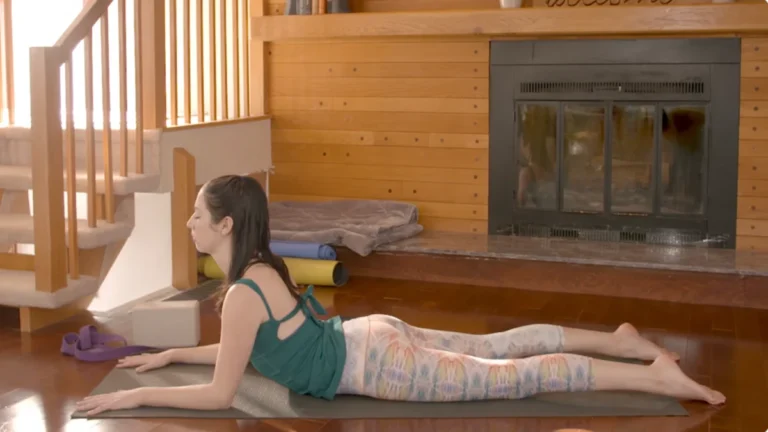
For millions of yoga practitioners, the local studio is a sanctuary. It is a space designed for tranquility, physical exertion, and community. Yet, for many, the ritual of the studio experience is fundamentally interrupted by the reliance on "communal equipment"—the weathered, thin, and often questionable yoga mats and props provided for general use.
As the wellness industry shifts toward a more individualized approach to health, the trend of practitioners "bringing their own gear" has evolved from a matter of mere convenience to a nuanced practice of hygiene, biomechanical optimization, and psychological comfort.
The Shift: Moving Beyond Studio-Provided Equipment
For years, the standard yoga studio model relied on the "gym-like" convenience of shared mats, blocks, and straps. The logic was simple: remove the friction of entry. By providing gear, studios lowered the barrier to entry for newcomers. However, seasoned practitioners are increasingly rejecting this model, citing a lack of personal agency and concerns regarding hygiene.
The catalyst for this shift is often a "lightbulb moment"—a realization that the equipment used for a high-intensity, sweat-drenched vinyasa flow is the same equipment that has been used by hundreds of others. For some, the transition is prompted by health scares, such as skin conditions or fungal infections like plantar warts, which can thrive in damp, shared environments. For others, it is a pursuit of performance.
A Chronology of the DIY Yoga Movement
To understand the rise of personal yoga gear, one must look at the evolution of the practitioner’s journey over the last two decades:
- The Early Years (Pre-2005): The era of the "studio-first" mindset. Practitioners relied almost exclusively on what was available in the corner of the studio, viewing personal gear as an unnecessary expense or a burden to transport.
- The Hygiene Awakening (2005–2015): Increased awareness of dermatological health and the rise of boutique yoga culture encouraged practitioners to invest in their own mats. This period marked the decline of the "community mat" as a primary choice for regulars.
- The Performance Optimization Era (2015–2022): With the democratization of fitness science, practitioners began to view blocks, straps, and bolsters as tools for biomechanical adjustment rather than just generic props.
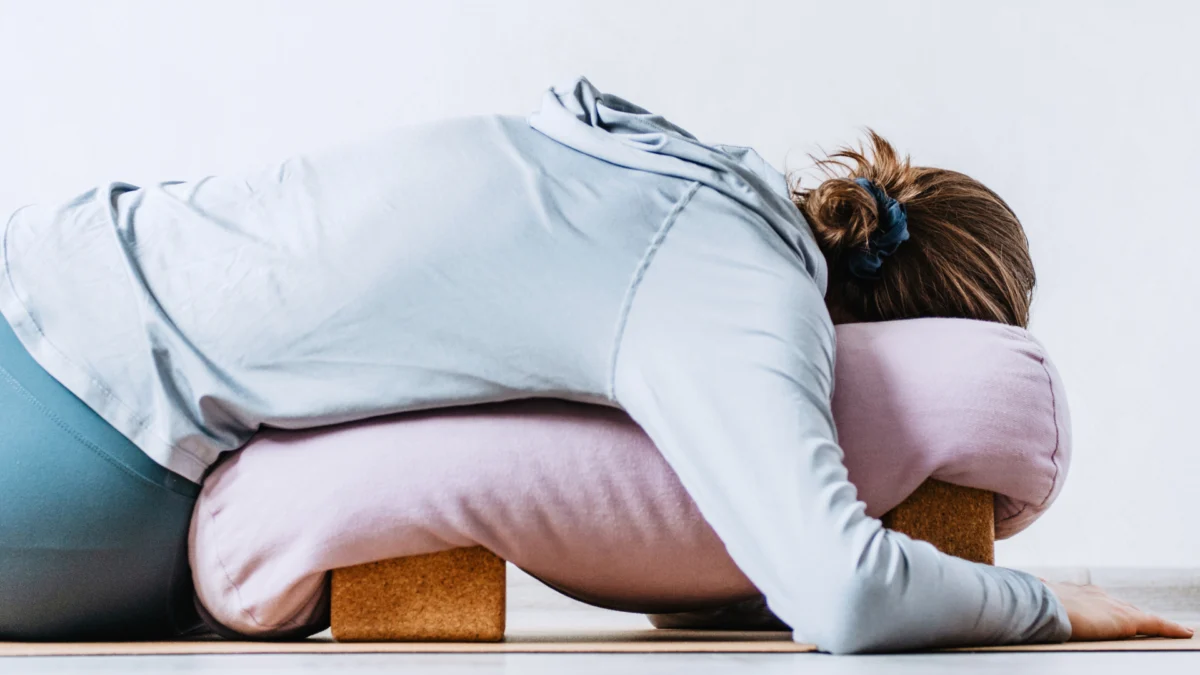
- The "Cocooning" Phase (2023–Present): Today, practitioners view their personal props as an extension of their identity. The practice is no longer just about the pose; it is about creating a "private sanctuary" within a public space, utilizing customized tools that accommodate individual anatomy and aesthetic preference.
Supporting Data: Why Personalization Matters
The argument for bringing one’s own equipment is supported by three primary pillars: hygiene, biomechanical functionality, and psychological consistency.
The Hygiene Imperative
While most studios maintain cleaning protocols, the porous nature of foam blocks and the fabric weave of straps make them difficult to sanitize fully. Research into high-touch gym equipment suggests that non-porous surfaces can harbor bacteria for extended periods. When a practitioner carries their own props, they eliminate the "unknown factor" of the previous user’s sweat, skin oils, and hygiene habits.
Biomechanical Customization
The belief that "a block is a block" is increasingly viewed as a misconception. Yoga props vary significantly by:
- Density and Material: Foam (lightweight, soft) vs. Cork (stable, heavy) vs. Wood (firm, traditional).
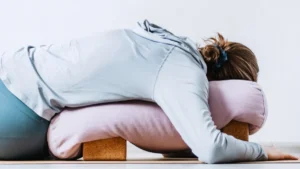
- Geometry: Rectangular blocks for height vs. circular/ovoid shapes for spinal release.
- Texture: Variations in grip and tactile feedback which influence nervous system regulation during deep holds.
The Power of Consistency
When a practitioner uses the same strap, knotted to their specific dimensions, they remove the "fumbling factor." In advanced postures like Natarajasana (Dancer Pose), the ability to reach a pre-set loop allows the practitioner to remain in a state of flow. They are not interrupted by the need to adjust equipment, allowing the mind to stay focused on the breath and the internal alignment of the pose.
Official Perspectives: The Studio vs. The Practitioner
The transition to personal gear has created a complex dynamic between studio owners and their students.
"From a studio management perspective, we appreciate students who bring their own gear," says Sarah Jenkins, a studio director in Denver. "It reduces our overhead costs on cleaning supplies and replacement gear. However, we must remain inclusive. We provide high-quality, sanitized equipment to ensure that anyone—regardless of their ability to afford a premium mat—can practice. The goal is to provide a baseline of safety while encouraging the long-term, invested student to develop their own kit."
Conversely, independent health advocates argue that studios should provide more education on the lifespan of props. "Many studios keep bolsters for five or even ten years," says physical therapist and yoga instructor Dr. Marcus Thorne. "Over time, the structural integrity of these props degrades. A compressed bolster no longer provides the necessary support for restorative poses, which can lead to misalignment. The student bringing their own, well-maintained prop is effectively practicing a safer form of yoga."
Implications for the Future of the Practice
The rise of the "DIY Prop" movement has profound implications for the future of the wellness industry:
1. The Death of the "Generic" Studio
Studios are beginning to pivot. Rather than being suppliers of equipment, they are becoming facilitators of experience. We are seeing a shift toward "minimalist" studios that encourage personal kits, potentially freeing up floor space that was previously dedicated to prop storage.
2. The Rise of the "Yoga Lifestyle" Brand
The equipment market is booming. As practitioners seek to curate their "cocoon," they are looking for products that reflect their aesthetic and functional values. From eco-friendly recycled cork to hand-woven, artisan-made Mexican blankets, the prop is becoming a status symbol and an expression of personal ritual.
3. Heightened Mind-Body Connection
Perhaps the most significant implication is psychological. By "marinating in their own space," practitioners report higher levels of comfort. When a person surrounds themselves with familiar textures, smells, and colors, they enter a state of "psychological safety" faster. This reduces the cortisol spikes associated with being in a new or sterile environment, allowing for deeper meditative states.
Conclusion: Crafting the Cocoon
For the dedicated practitioner, the act of packing a bag with a custom mat, a knotted strap, a preferred cork block, and a signature blanket is the first step of the practice. It is an act of preparation, intention, and self-respect.
While the shared studio environment will always remain a vital part of the community, the evolution toward personal, curated equipment represents a maturation of the individual’s path. By controlling the environment—even in a small, portable way—the practitioner transforms the studio from a gym-like room of strangers into a private, sacred space. In the end, yoga is not just about what you do; it is about how you feel while doing it. When you are supported by tools that you know, trust, and love, the practice ceases to be a series of movements and becomes a true home for the body and mind.