









In a historic political realignment that has sent ripples through the corridors of power, a wave of physicians, nurses, and scientists—all running on Democratic tickets—secured decisive victories across the United States this past Tuesday. The results have fundamentally altered the landscape of the federal government, handing control of both the House of Representatives and the Senate back to the Democratic Party.
Analysts suggest that this "blue wave" was not merely a reaction to traditional partisan grievances, but a profound public endorsement of a platform centered on healthcare accessibility, robust public health infrastructure, and a renewed commitment to evidence-based governance. By electing individuals whose professional lives were defined by patient care and empirical research, voters have signaled a desire for a technocratic shift in how the nation approaches its most pressing health crises.
The Vanguard: Notable Victories and Political Shifts
The electoral map saw several high-profile races turn in favor of science-backed candidates, effectively flipping key districts and states that had previously been contested or held by Republican incumbents.
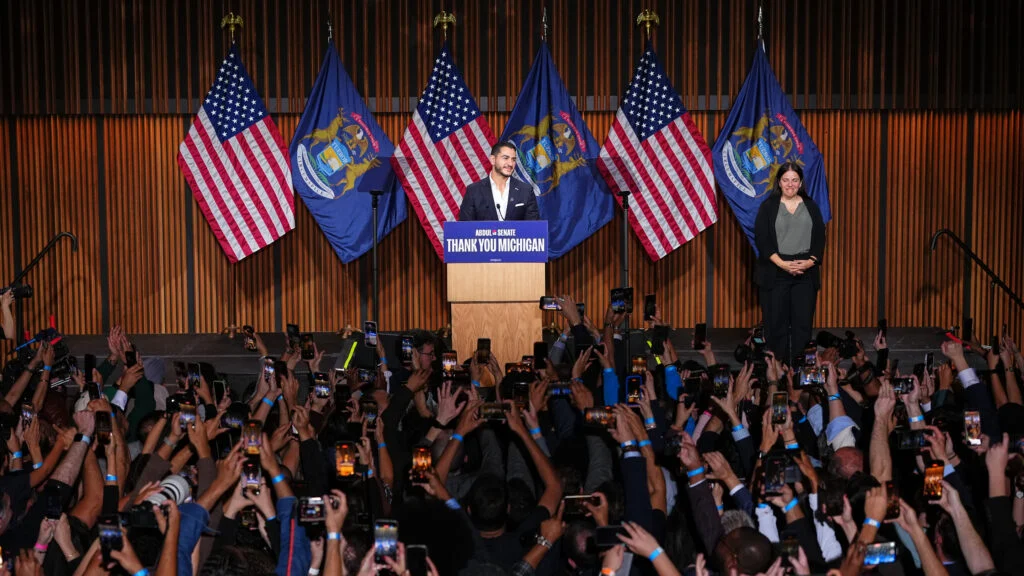
In Michigan, epidemiologist Abdul El-Sayed secured a Senate seat, bringing his expertise in public health policy to the national stage. His victory is widely viewed as a triumph for those prioritizing data-driven solutions to health disparities. Perhaps even more shocking to political prognosticators was the performance of pediatrician Annie Andrews, who managed to flip a crucial Senate seat in South Carolina. Her victory was a central pillar in the Democrats’ successful effort to recapture the Senate majority, proving that health-centered messaging can resonate even in deeply conservative strongholds.
At the gubernatorial level, Ohio voters elected Dr. Amy Acton, the state’s former pandemic-era health director. Her transition from public servant to governor marks a significant milestone, as she pivots from managing a crisis to overseeing the broader administrative and economic health of a major Midwestern state.
The shift in the House of Representatives was equally dramatic. Across the country, a diverse cohort of medical professionals successfully unseated incumbents:

- Mitchell Berman (Wisconsin): A registered nurse whose grassroots campaign focused on the front-line realities of the American healthcare system.
- Rebecca Bennett (New Jersey): A healthcare executive who successfully navigated the complexities of private-sector management to challenge and defeat a political scion.
- Jasmine Clark (Georgia) and Manny Rutinel (Colorado): Both microbiologists, their wins highlight a growing trend of scientists entering the political arena to combat misinformation.
- Richard Pan (California): A pediatrician whose long-standing advocacy for public health measures helped secure his seat, further cementing the West Coast’s commitment to progressive health policy.
Chronology: The Road to the Ballot Box
The rise of the "Science Slate" did not happen overnight. It was the culmination of a multi-year trend that began in the immediate aftermath of the 2020 pandemic.
Early 2025: The Recruitment Phase
As midterm preparations began, political action committees and grassroots organizations shifted their focus toward recruiting candidates with "boots-on-the-ground" experience. The messaging strategy centered on the concept of "The Trusted Messenger"—individuals who, by virtue of their profession, were perceived as having greater credibility regarding health policy than traditional career politicians.
Spring/Summer 2026: The Primary Surge
Throughout the primaries, these candidates consistently outperformed expectations. By leveraging their professional backgrounds to discuss complex topics like maternal mortality, drug pricing, and climate-induced health risks, they were able to bridge the gap between abstract policy and the daily lives of voters.
September–October 2026: The Final Push
The final weeks of the campaign saw an unprecedented mobilization of medical professional networks. Endorsements from major health organizations, coupled with a series of high-profile debates where candidates like Acton and El-Sayed dominated on policy specifics, solidified the momentum. By election night, the "blue wave" was no longer a theory; it was an observable electoral reality.
Supporting Data: Why Health Became the Deciding Factor
Exit polls conducted across the battleground states revealed a clear consensus: health care remained the number one priority for the majority of the electorate, surpassing even economic concerns in several key demographics.
Data from the non-partisan Center for Public Policy Research indicated that "trust in scientific institutions" was a top-three voting issue for 68% of swing voters. Furthermore, households that had experienced direct impacts from the pandemic or recent healthcare cost hikes were 40% more likely to vote for candidates with medical or scientific backgrounds.

The "healthcare premium"—the electoral boost provided by a background in medicine—was quantified by political analysts as being worth roughly 3-5 percentage points in tight congressional races. In the case of Annie Andrews in South Carolina, this "premium" was the difference between a narrow loss and a historic upset.
Official Responses and Political Repercussions
The Republican leadership has begun a period of intense soul-searching. In a press statement issued Wednesday, the Minority Leader noted that the party must "reassess its messaging on public health and re-establish a connection with voters who feel alienated by the current discourse on science and governance."
Conversely, the newly empowered Democratic leadership has signaled that their first order of business will be the "Public Health Restoration Act." This proposed package aims to codify protections for medical researchers, increase federal funding for regional health centers, and address the acute staffing shortages that have plagued hospitals across the nation.
"The voters have sent a clear message," said a spokesperson for the Democratic National Committee. "They want people who solve problems, not people who create them. They have chosen the stethoscope over the soundbite."
Implications for the Future of Policy
The influx of physicians and scientists into the federal government suggests a dramatic shift in how legislation will be drafted and debated. We can expect a more technical approach to policy-making, with a heavier emphasis on peer-reviewed data and long-term health outcomes.
1. Reforming Drug Pricing
With healthcare executives like Rebecca Bennett and clinicians like Richard Pan in the House, the pharmaceutical industry is preparing for a new era of scrutiny. Expect aggressive legislative pushes to empower the government to negotiate drug prices more broadly and increase transparency in R&D spending.

2. Strengthening Public Health Infrastructure
The election of figures like Dr. Amy Acton signals a potential overhaul of how states and the federal government coordinate during health emergencies. The focus will likely shift toward localized, decentralized preparedness, moving away from the top-down mandates that defined the early 2020s.
3. Bridging the Science-Policy Gap
One of the most profound implications is the potential for a "technocratic détente." By having scientists in office, the hope is that policy debates regarding climate change, vaccine safety, and environmental toxins can be moved out of the realm of partisan warfare and into a more collaborative, evidence-based legislative process.
4. A New Demographic of Governance
The success of this cohort may inspire a new generation of medical students and researchers to view political office as a legitimate, even necessary, career path. If this trend holds, the 2028 elections could see a record number of scientists running for office, potentially changing the face of the American legislature for decades to come.
Conclusion
The 2026 midterms will likely be remembered as the "Doctor’s Election." While it remains to be seen how effectively this group can navigate the often-fractious nature of Washington D.C., their arrival represents a significant disruption to the status quo. For now, the American people have opted for a new kind of leadership—one that promises to listen to the data, respect the expertise of professionals, and prioritize the physical well-being of the populace above political maneuvering.
As these new members of Congress prepare to take their oaths of office, the nation watches with anticipation to see if the clinical precision they brought to their medical careers will translate into the effective, compassionate governance that the country is so clearly craving.