










By Nicole Lou, Senior Staff Writer, MedPage Today
November 3, 2026
For decades, the clinical management of aortic stenosis (AS) has been defined by a rigid threshold: intervention is typically reserved for those who have crossed the line into "severe" disease. However, findings from the landmark PROGRESS trial, presented at this year’s Transcatheter Cardiovascular Therapeutics (TCT) conference, suggest that this binary classification may be doing a disservice to patients.
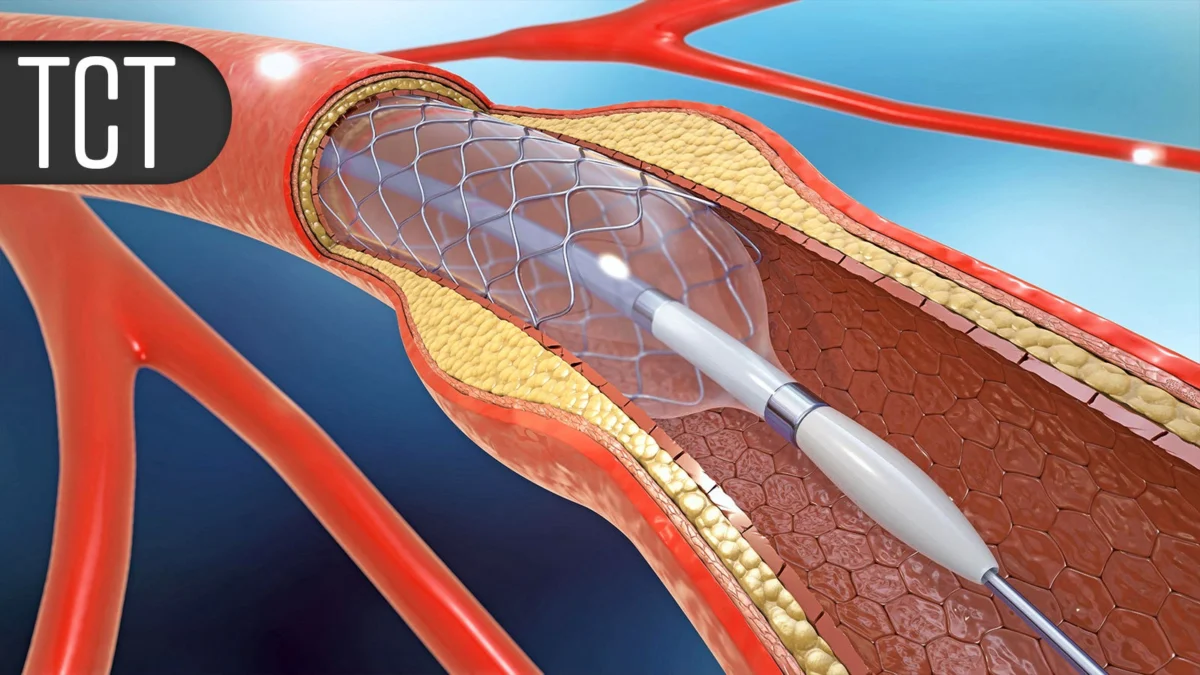
The first randomized study to compare upfront transcatheter aortic valve replacement (TAVR) against traditional clinical surveillance in patients with moderate AS, the PROGRESS trial indicates that early intervention can significantly reduce the risk of death and heart failure. The results, published simultaneously in the New England Journal of Medicine, provide a compelling argument for shifting away from watchful waiting toward a more proactive, "clinically significant" approach to valve disease.
The Main Facts: A Shift in Clinical Paradigm
The PROGRESS trial enrolled 744 patients aged 65 and older who presented with moderate AS and at least one "at-risk" feature—such as valve-related symptoms or significant diastolic dysfunction. Participants were randomized in a 1:1 ratio to receive either immediate TAVR using the balloon-expandable Sapien 3 platform or to undergo standard clinical surveillance.
At the two-year mark, the data demonstrated a clear clinical advantage for the early intervention group. The composite endpoint of death from any cause or a heart failure event occurred in only 16.7% of the upfront TAVR cohort, compared to 23.9% in the clinical surveillance group. This yielded a hazard ratio of 0.67, with a P-value of 0.02, confirming the superiority of early TAVR.
The safety profile of the procedure also remained well within the bounds of clinical expectation. The TAVR group recorded a 5.9% safety event rate at 30 days, significantly lower than the prespecified performance goal of 13.7%. The vast majority of these events were hospitalizations related to the procedure or device, rather than catastrophic complications.
Chronology: From Screening to Clinical Breakthrough
The trial’s journey from inception to publication reflects the urgent need for better data in the intermediate-risk space. Between October 2021 and January 2024, researchers screened 1,294 patients across international sites, with 87.1% of the cohort recruited from the United States and the remainder from Japan, Australia, the Netherlands, Canada, and Switzerland.
Key Study Milestones:
- Late 2021: Patient enrollment begins, focusing on individuals with moderate aortic valve area (AVA) criteria and elevated peak velocities.
- Early 2024: Enrollment concludes after reaching the target of 744 participants. The demographic breakdown revealed a mean age of 78, with 39% women and a mean Society of Thoracic Surgery (STS) risk score of 3.0%.
- November 2026: Final data analysis is presented at the TCT annual conference. The results show that 57.4% of the surveillance group required a "delayed" aortic valve replacement (AVR) within 24 months, with 80% of those patients having already progressed to severe AS by the time they reached the operating table.
The findings underscore a sobering reality: moderate AS is not a benign, static condition. As lead investigator Philippe Généreux, MD, of the Gagnon Cardiovascular Institute at Morristown Medical Center, noted, the disease often progresses faster than current clinical models predict.
Supporting Data: Dissecting the Outcomes
The success of the PROGRESS trial lies in its granular look at heart failure outcomes and patient-reported quality of life. While the rate of death alone did not show a statistically significant difference between the two groups (8.4% for TAVR vs. 7.3% for surveillance), the impact on heart failure events was stark.
Patients in the surveillance arm were significantly more likely to experience heart failure events (19.0% vs. 10.8%). When looking specifically at heart failure hospitalizations, the TAVR group saw a dramatic reduction (7.4% vs. 14.9%, HR 0.48).
Health Status and Quality of Life
Beyond clinical events, the study utilized the Kansas City Cardiomyopathy Questionnaire (KCCQ) to measure the patient experience. The TAVR cohort reported a mean KCCQ score of 79.6 at 30 days post-procedure. Furthermore, the proportion of patients who achieved a meaningful improvement in symptoms (10+ points on the KCCQ) at both one and two years was significantly higher in the TAVR arm (39.0% vs. 23.2%).
Généreux highlighted that the surveillance group often experienced a "dip" in their KCCQ scores as their condition worsened, followed by a recovery only after they finally underwent their delayed valve replacement. This "rollercoaster" of health status is exactly what early intervention aims to prevent.
Official Responses and Expert Consensus
During the TCT press conference, the cardiology community responded with a mix of enthusiasm and cautious optimism. Pinak Shah, MD, of Mass General Brigham in Boston, described the trial as a "truly practice-changing study."
"This really underscores the importance of close follow-up and the fact that AS is not a benign disease," Dr. Shah remarked. "We have to be very careful with patient selection. For most, the lifetime management is going to be important. A lot of these patients are probably going to come back for repeat procedures."
The consensus among the panel was that the PROGRESS trial validates the "Heart Team" approach. By referring patients with moderate AS to specialized valve clinics earlier, physicians can perform comprehensive evaluations to determine if the patient has the specific "at-risk" features that would necessitate an early intervention, rather than waiting for the valve to fail completely.
Implications: A New Era for AS Management
The implications of the PROGRESS trial are far-reaching, potentially expanding the pool of TAVR candidates significantly. Research by Généreux and his colleagues has previously shown that patients with moderate AS outnumber those with severe AS by nearly 2:1. If clinicians shift their criteria for intervention, it could change how hundreds of thousands of patients are managed annually.
Moving Beyond the Dichotomy
Dr. Généreux argued that the medical community should consider moving away from the traditional "moderate vs. severe" dichotomy. Instead, he proposes a shift toward intervening on "clinically significant" AS. This approach would prioritize the patient’s underlying physiology, symptoms, and the progression of valve damage rather than relying on a static measurement of the valve area.
Limitations and Future Directions
Despite the positive findings, the trial did have notable exclusion criteria. Patients with anatomical features unsuitable for transfemoral TAVR, those with significant comorbidities, and those with very low ejection fractions were not included. Therefore, the findings cannot be universally applied to every patient with moderate AS.
Furthermore, the trial is designed for long-term follow-up—up to 10 years—which will be critical in determining the "lifetime management" strategy for younger or lower-risk patients. Because these patients may eventually require a second procedure, the durability of the initial TAVR and the long-term impact of early intervention remain subjects of ongoing study.
As it stands, the PROGRESS trial provides a robust foundation for a more proactive clinical stance. By identifying the "optimal timing" for intervention, the trial suggests that we can successfully mitigate the risk of heart failure and improve the quality of life for a vast patient population previously relegated to the waiting room.
"The future will tell, but I strongly believe based on the data today that this is the optimal timing of intervention to ensure optimal treatment for a patient," Dr. Généreux concluded. "You need to follow these patients. You cannot abandon them."