









Published November 5, 2026
In an era defined by fast-paced digital engagement and sedentary work environments, the pursuit of mindfulness and physical well-being has never been more critical. For many, the prospect of starting a yoga practice can feel daunting—a landscape dominated by complex inversions and images of extreme flexibility. However, seasoned yoga instructor Taylor Lorenz, the creative force behind the popular digital platform Taylor’s Tracks, is championing a return to the roots of the discipline. With over 800 hours of specialized training in Vinyasa, Hatha, and Yin yoga, Lorenz emphasizes that the true essence of yoga lies not in the aesthetic of a pose, but in the accessibility of the movement.
This guide outlines a curated 15-minute sequence designed to demystify yoga for beginners, ensuring that every individual—regardless of their current fitness level or flexibility—can reap the profound physical and mental benefits of a consistent practice.
The Philosophy of Foundational Movement
The primary objective of Lorenz’s latest sequence is to strip away the "performance" aspect of yoga. By focusing on repeating shapes such as forward bends, lateral stretches, and gentle spinal twists, practitioners can develop a rhythmic flow that calms the nervous system while building functional strength.
"Returning to the basics is not a regression; it is a refinement," Lorenz notes. By utilizing props—specifically two yoga blocks or even common household items like thick books—practitioners can bridge the gap between their current range of motion and the ideal form of a pose. This approach mitigates the risk of strain and encourages a sustainable habit that prioritizes longevity over immediate athletic achievement.
A Chronological Guide to Your 15-Minute Flow
Phase I: Grounding and Spinal Awakening
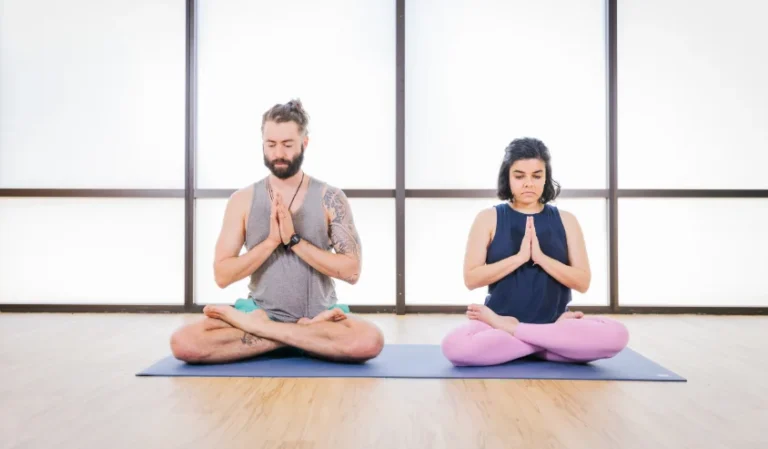
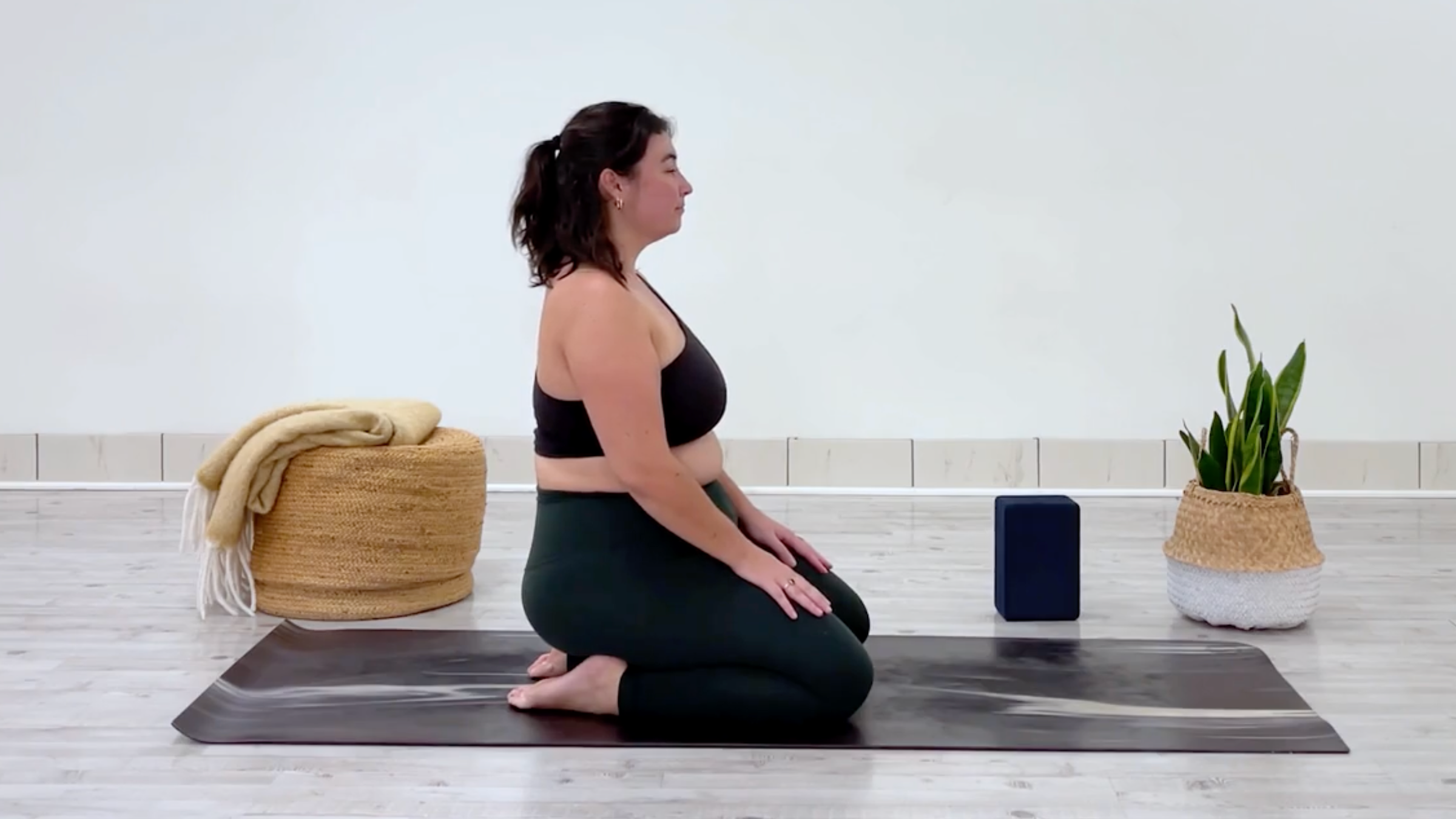
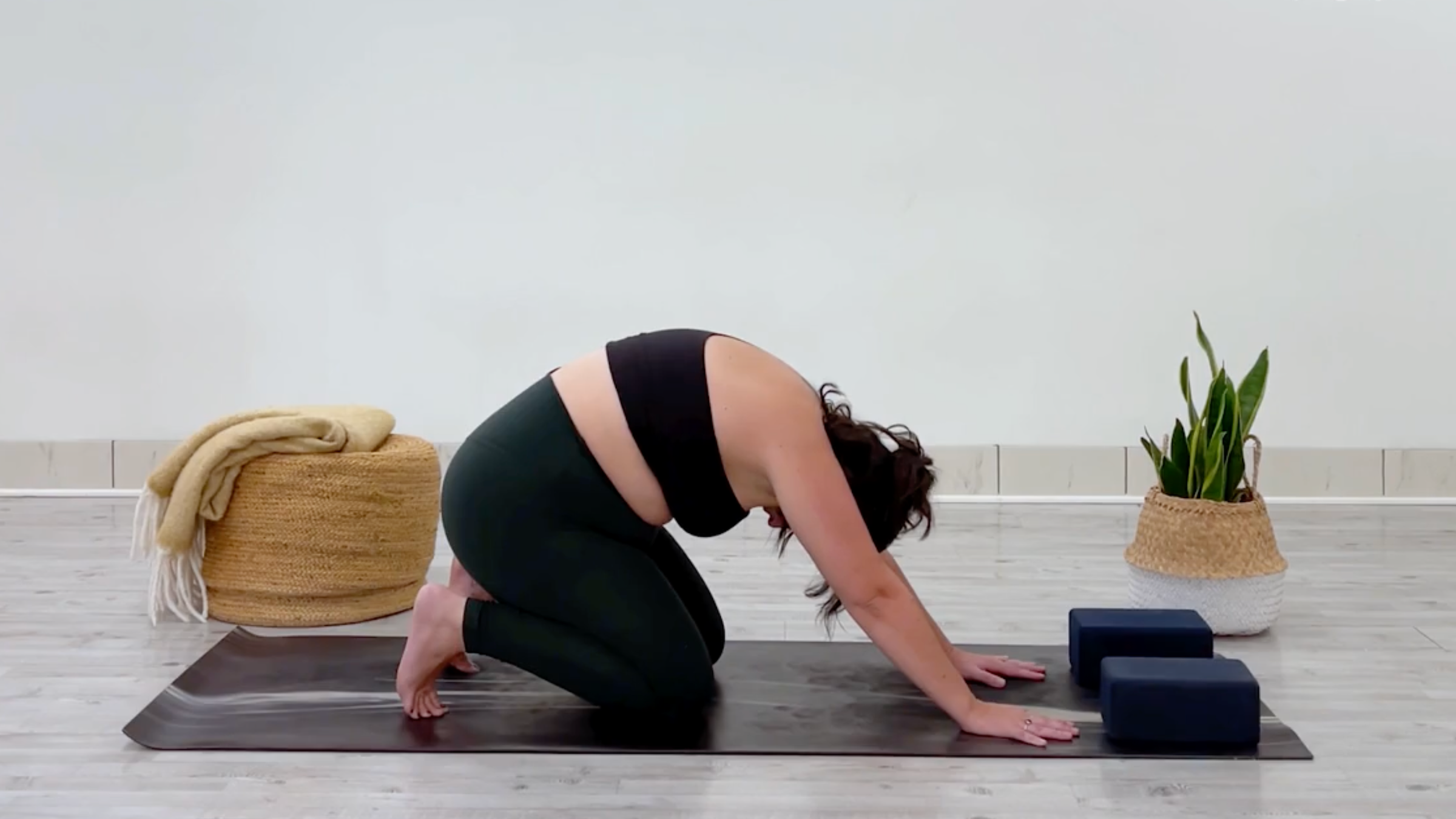
The practice begins in Thunderbolt Pose (Vajrasana). By kneeling and sitting back on the heels, the practitioner anchors their awareness. For those experiencing discomfort in the ankles or knees, Lorenz suggests placing a block beneath the sit bones to elevate the hips, thereby reducing pressure on the lower joints. Spending one full minute in this stillness prepares the mind for the movement to come.
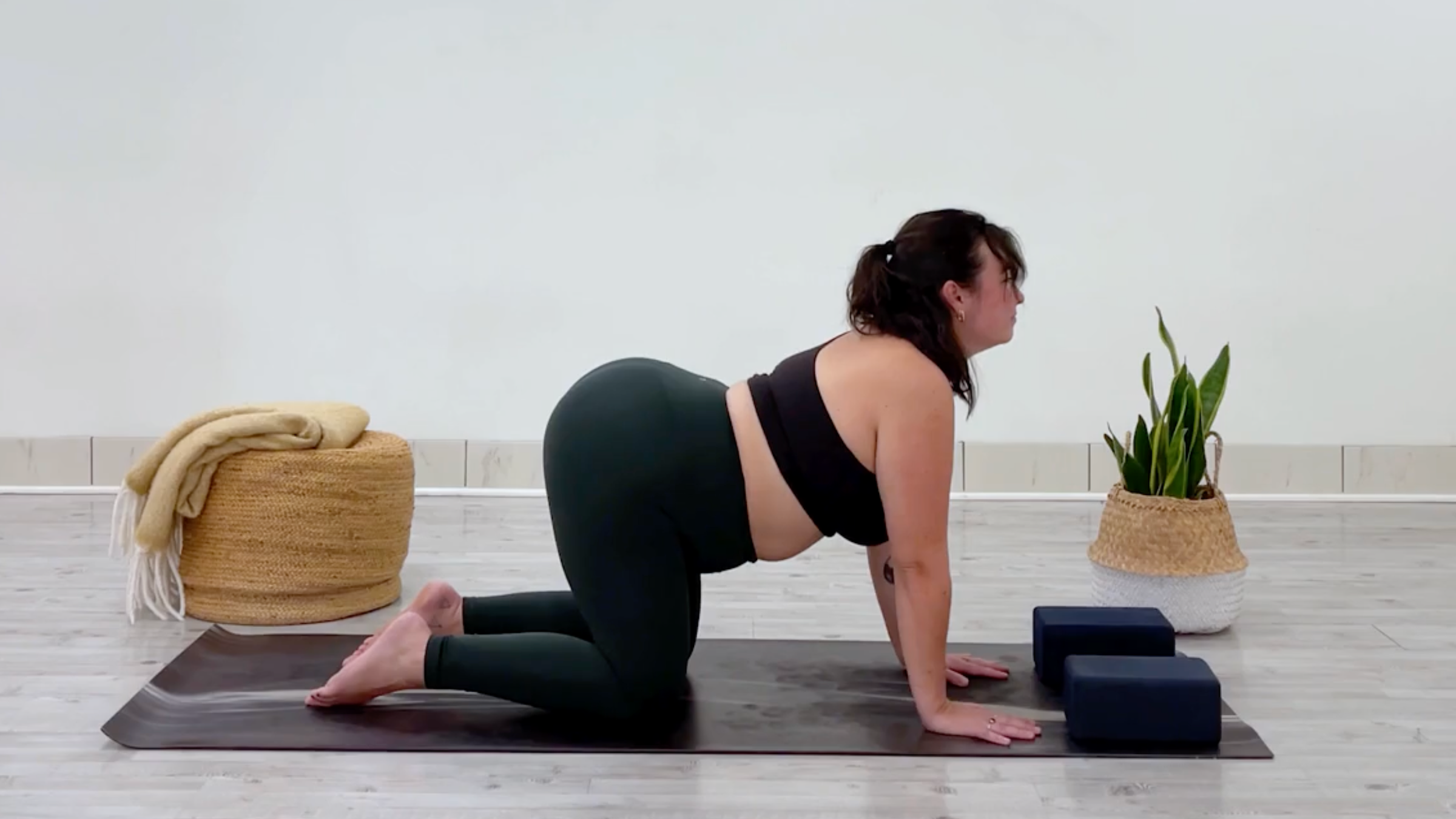
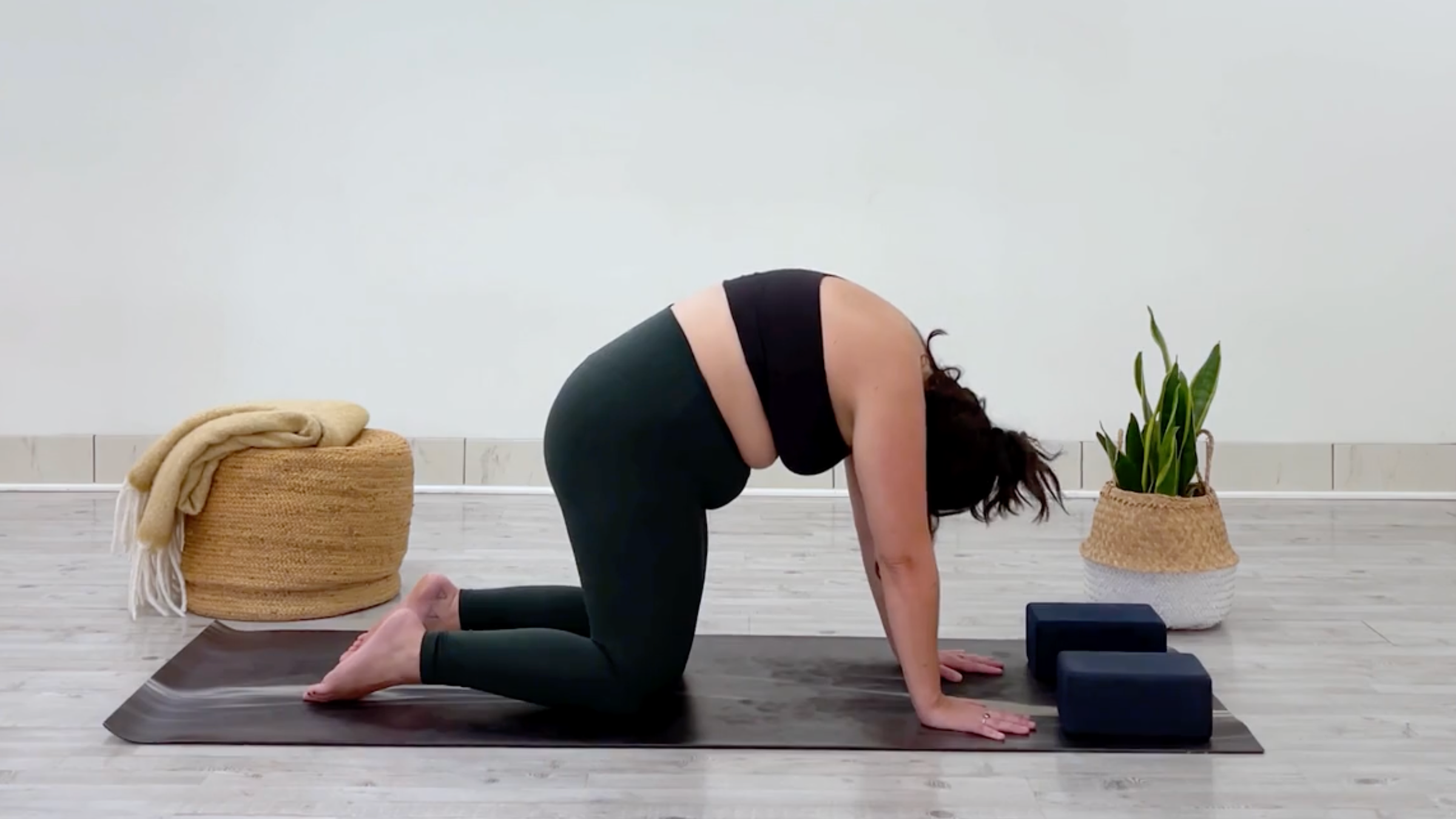
Transitioning to all fours, we move into Cat-Cow (Marjaryasana-Bitilasana). This classic flow is the cornerstone of spinal health. On an inhalation, the belly drops and the chest opens in Cow Pose; on an exhalation, the spine arches and the chin tucks in Cat Pose. Repeating this three times syncs the breath with movement, effectively warming the connective tissues of the torso.
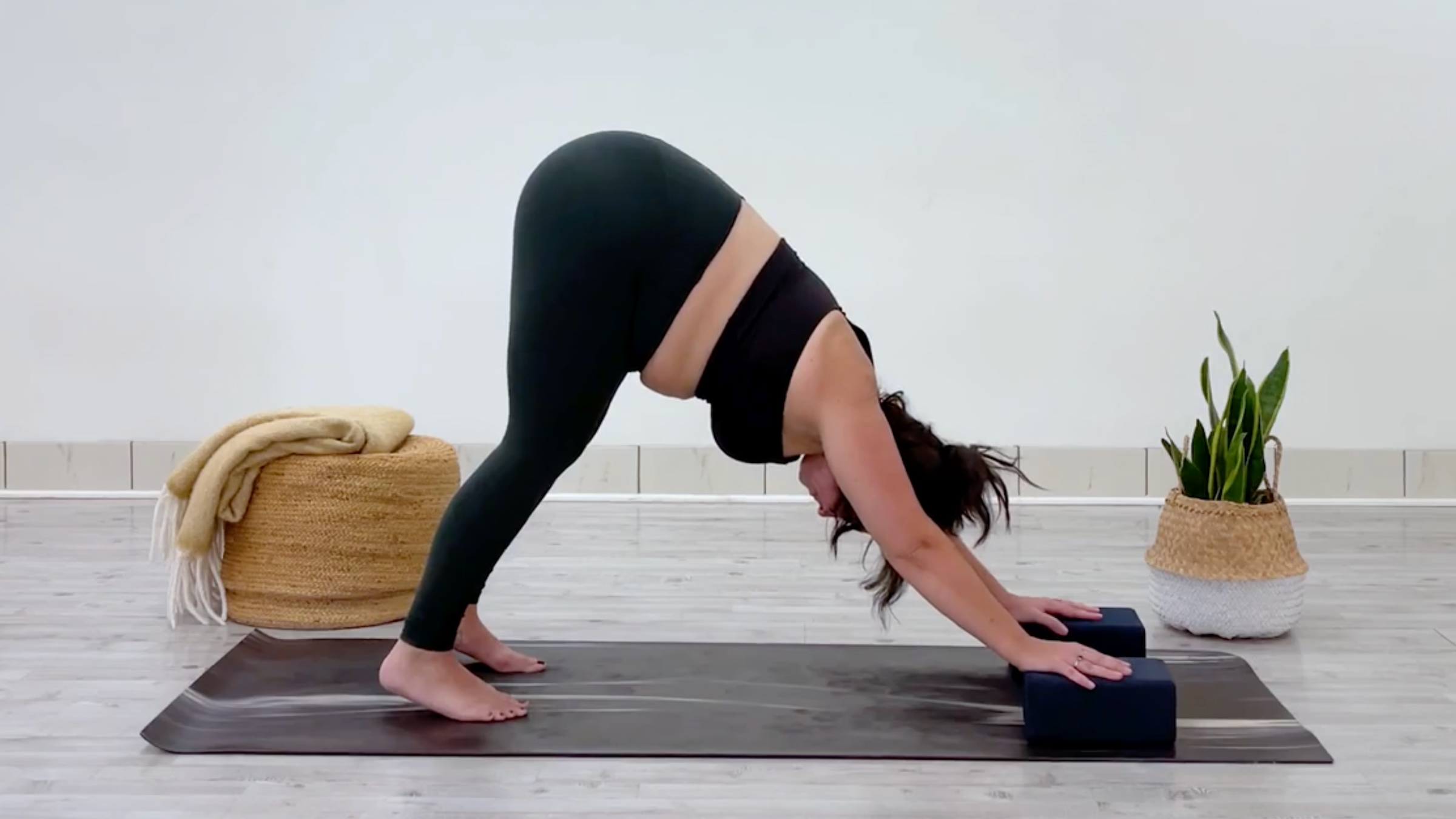
Phase II: The Inverted Flow
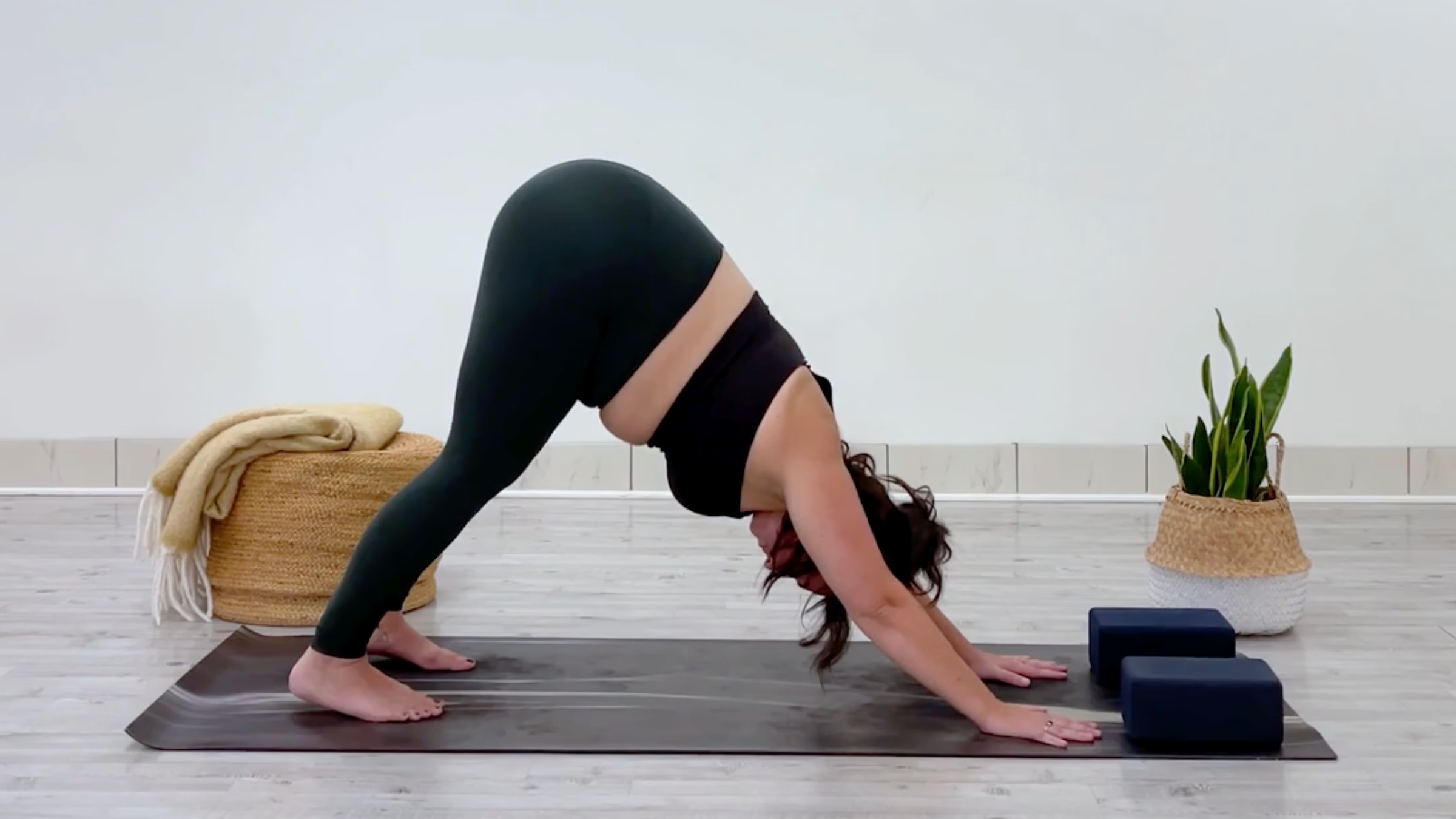
Moving into Downward-Facing Dog (Adho Mukha Svanasana), the body forms an inverted V shape. This pose is essential for lengthening the hamstrings and decompressing the spine. Beginners are encouraged to keep a generous bend in the knees—a modification that is often overlooked but critical for those with tight posterior chains. "Pedaling out the feet," or alternating the bending of knees, helps release tension in the calves and ankles.
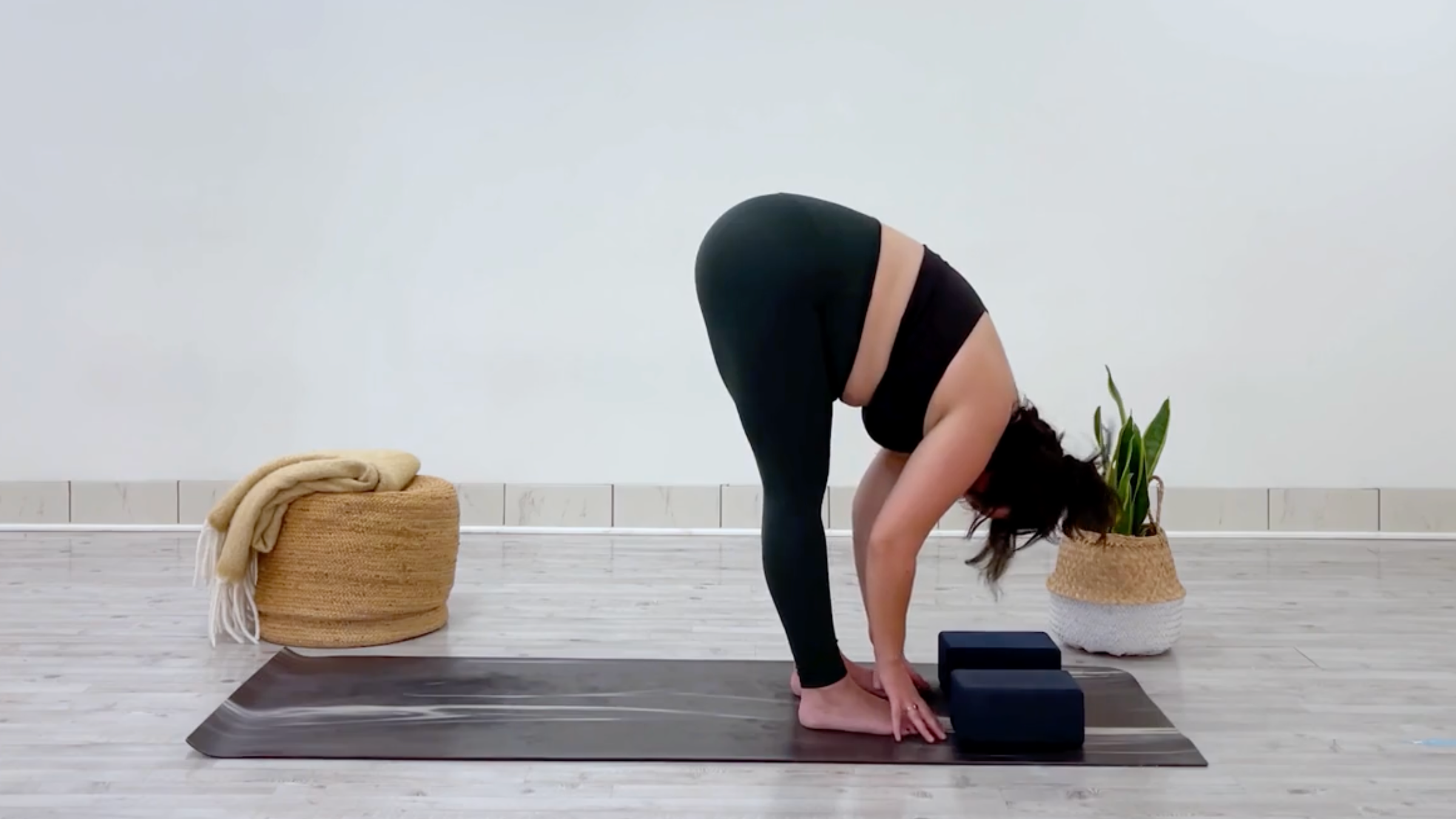
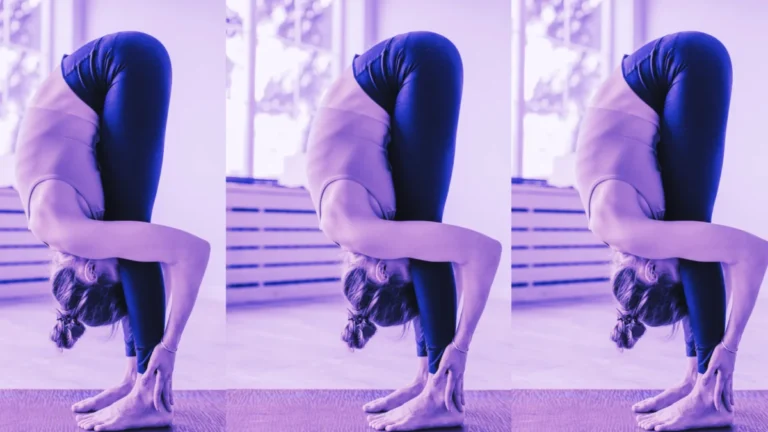
As you walk the feet toward the hands, you enter a Standing Forward Bend (Uttanasana). Here, gravity acts as a tool, allowing the neck to relax and the head to hang heavy. Placing blocks under the hands provides a sturdy foundation, allowing the hamstrings to open without straining the lower back.
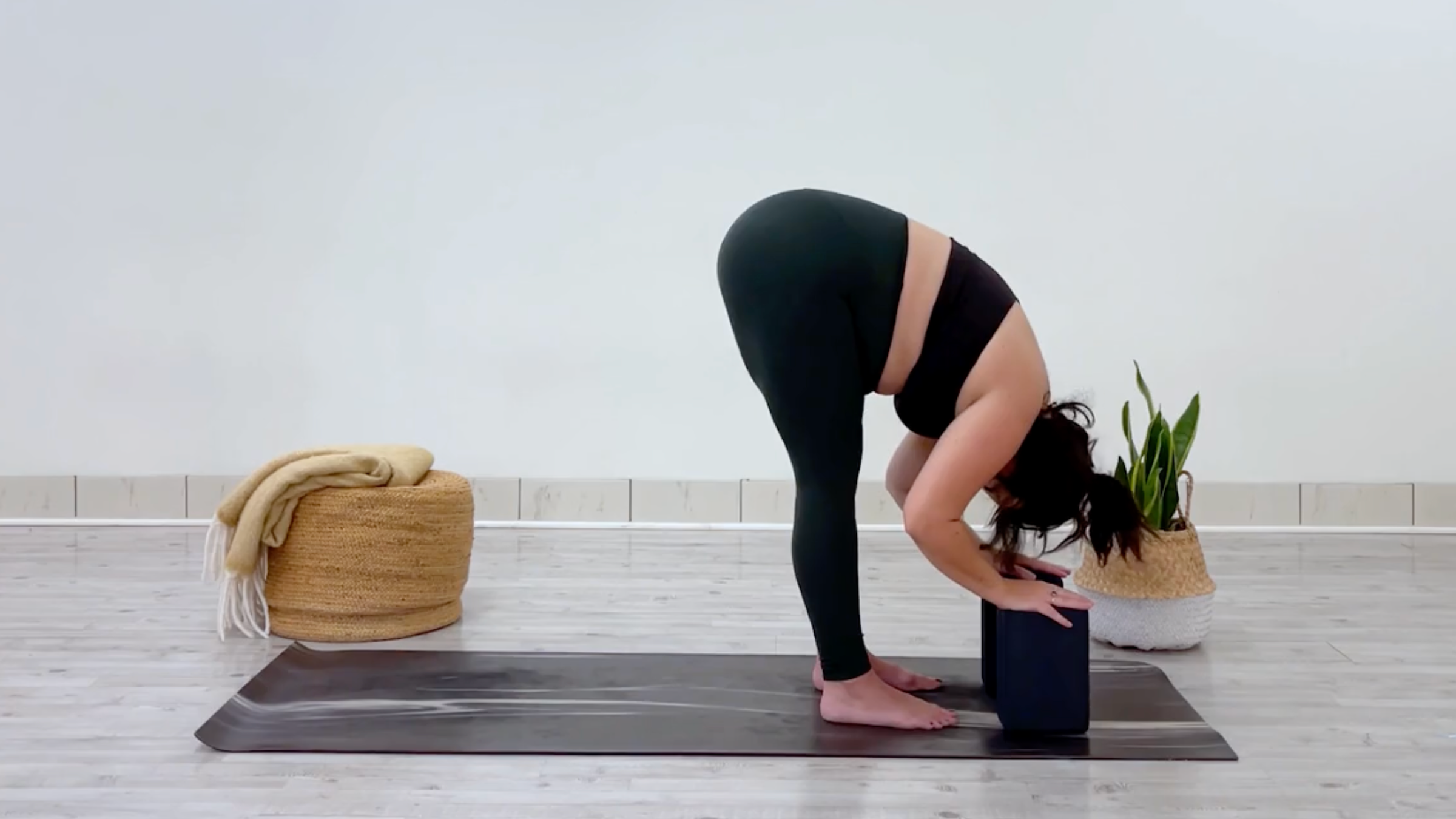
Phase III: Standing Stability and Balance
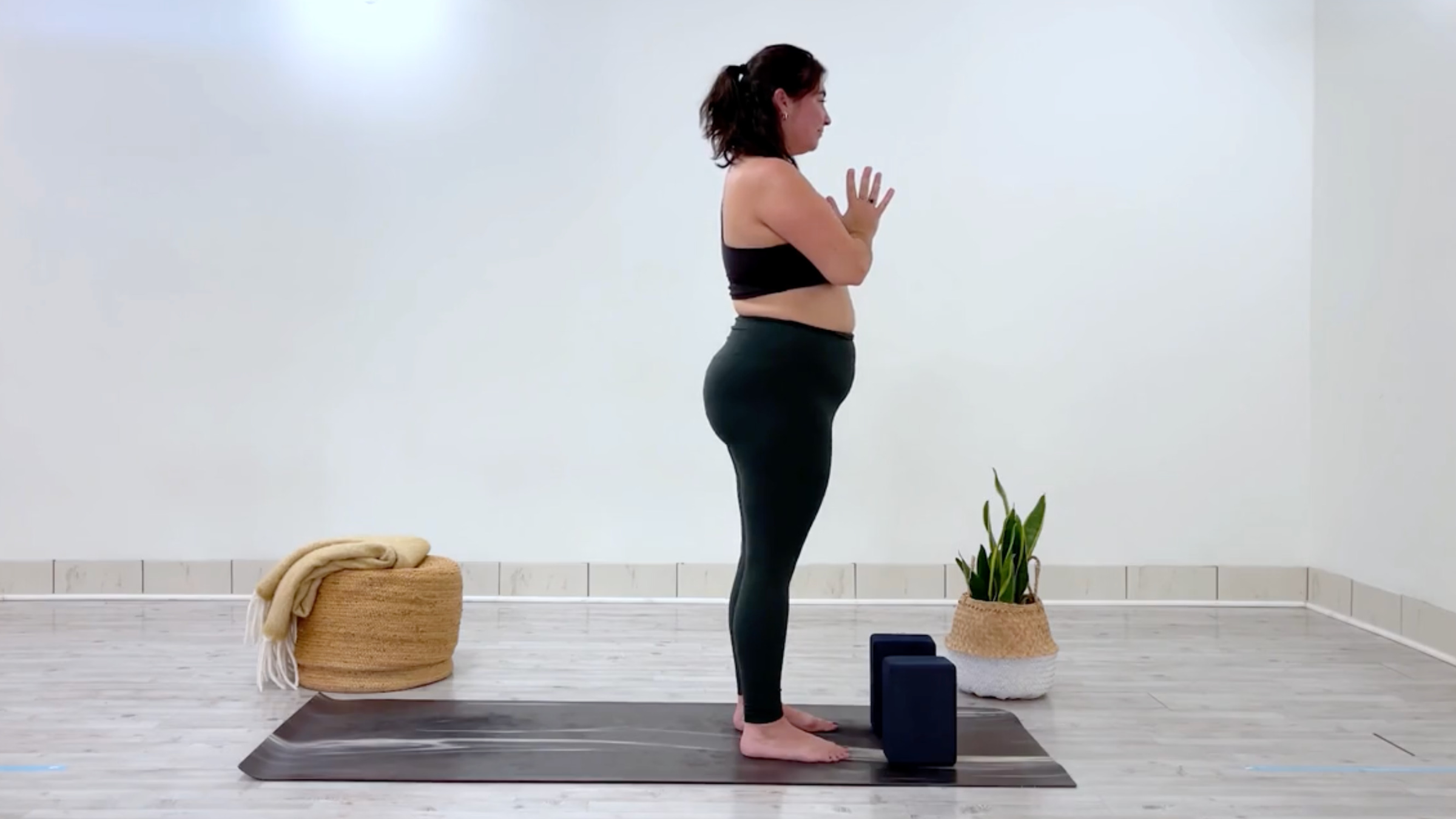
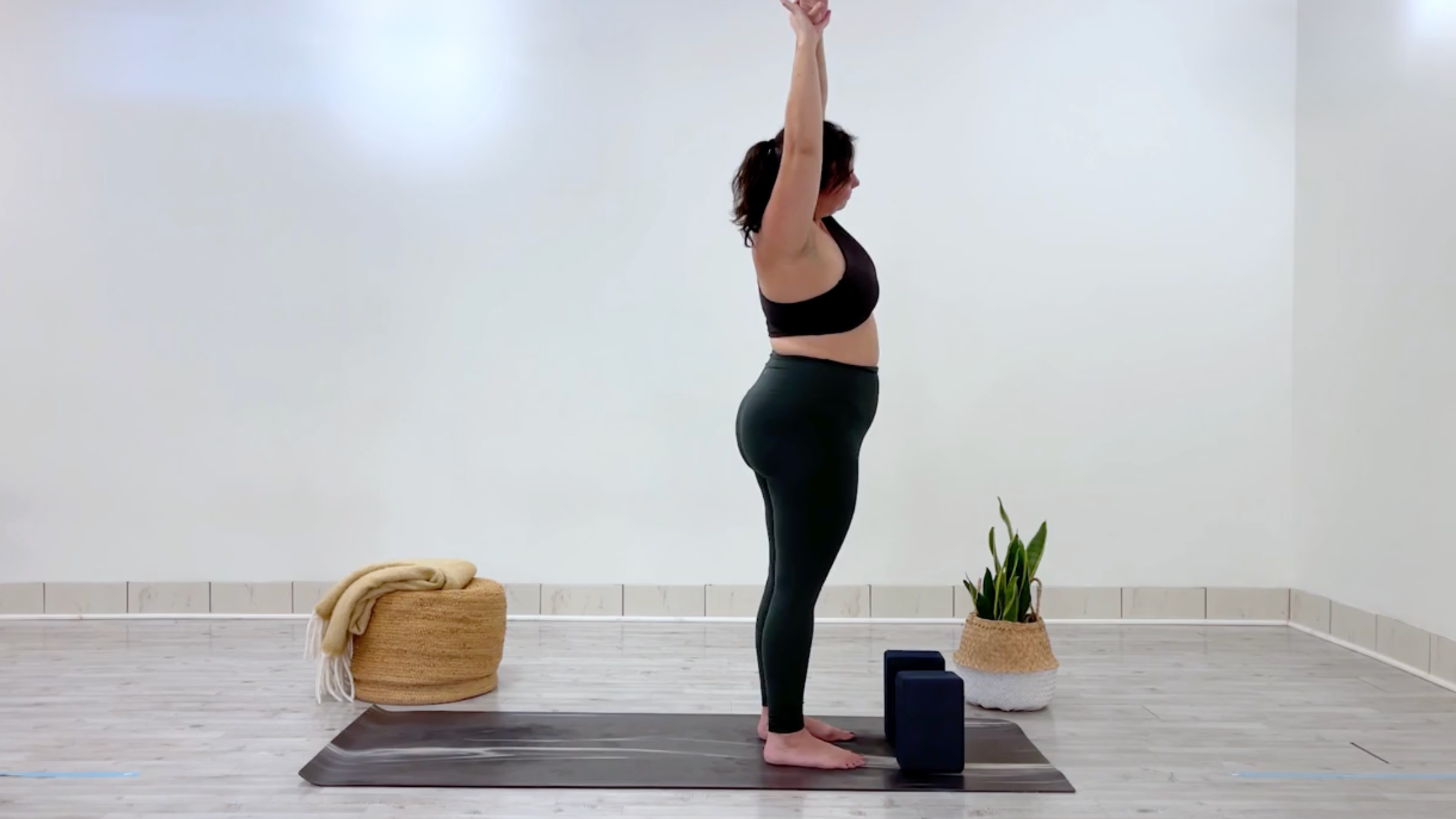
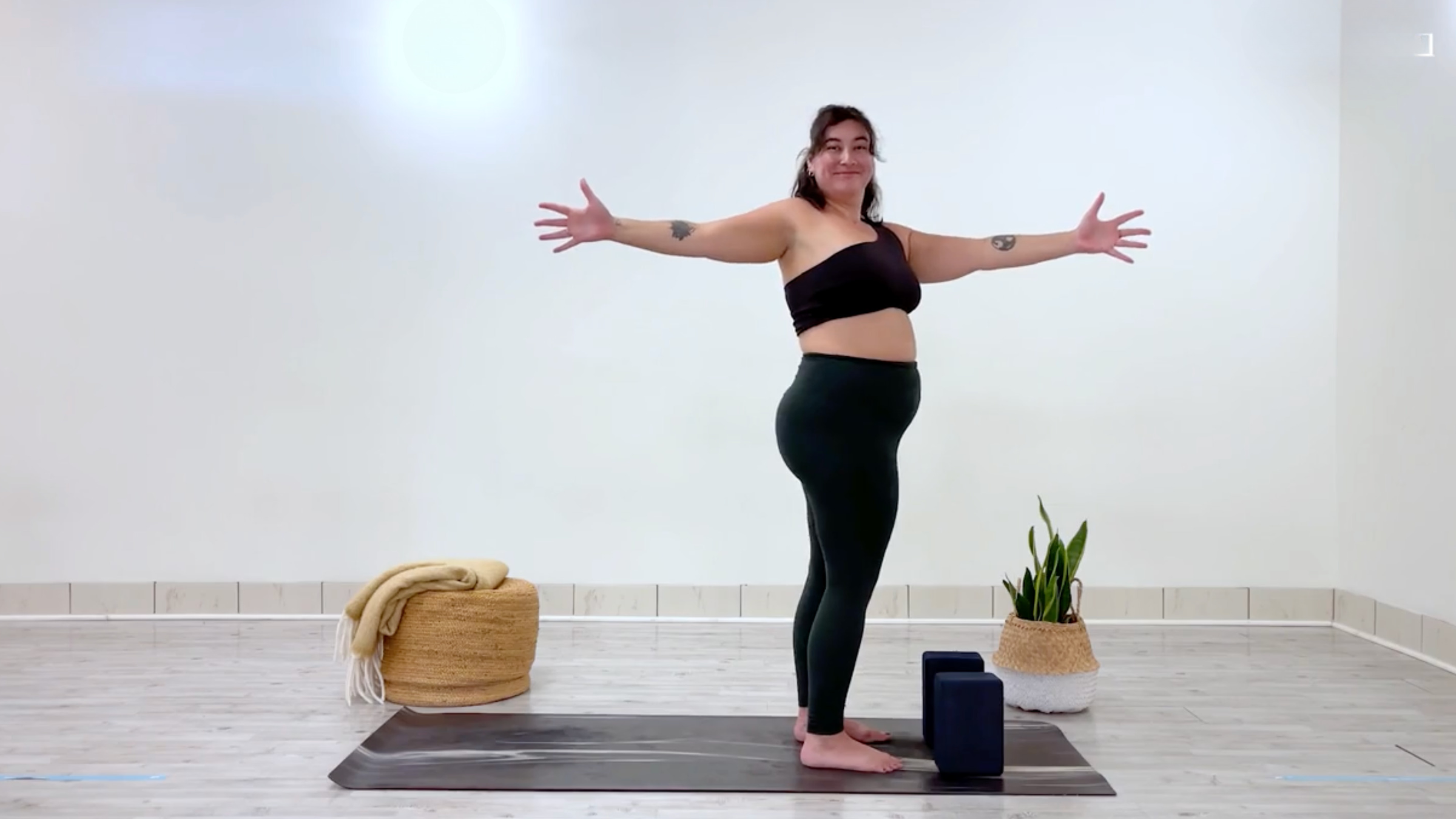
Rising into Mountain Pose (Tadasana), the practitioner finds their center. From here, the flow introduces Standing Side Bends and Standing Twists. By reaching overhead and grasping the left wrist, the practitioner elongates the side body, while the twist encourages spinal mobility. These movements, when repeated on both sides, balance the body’s energy and improve rotational range of motion.
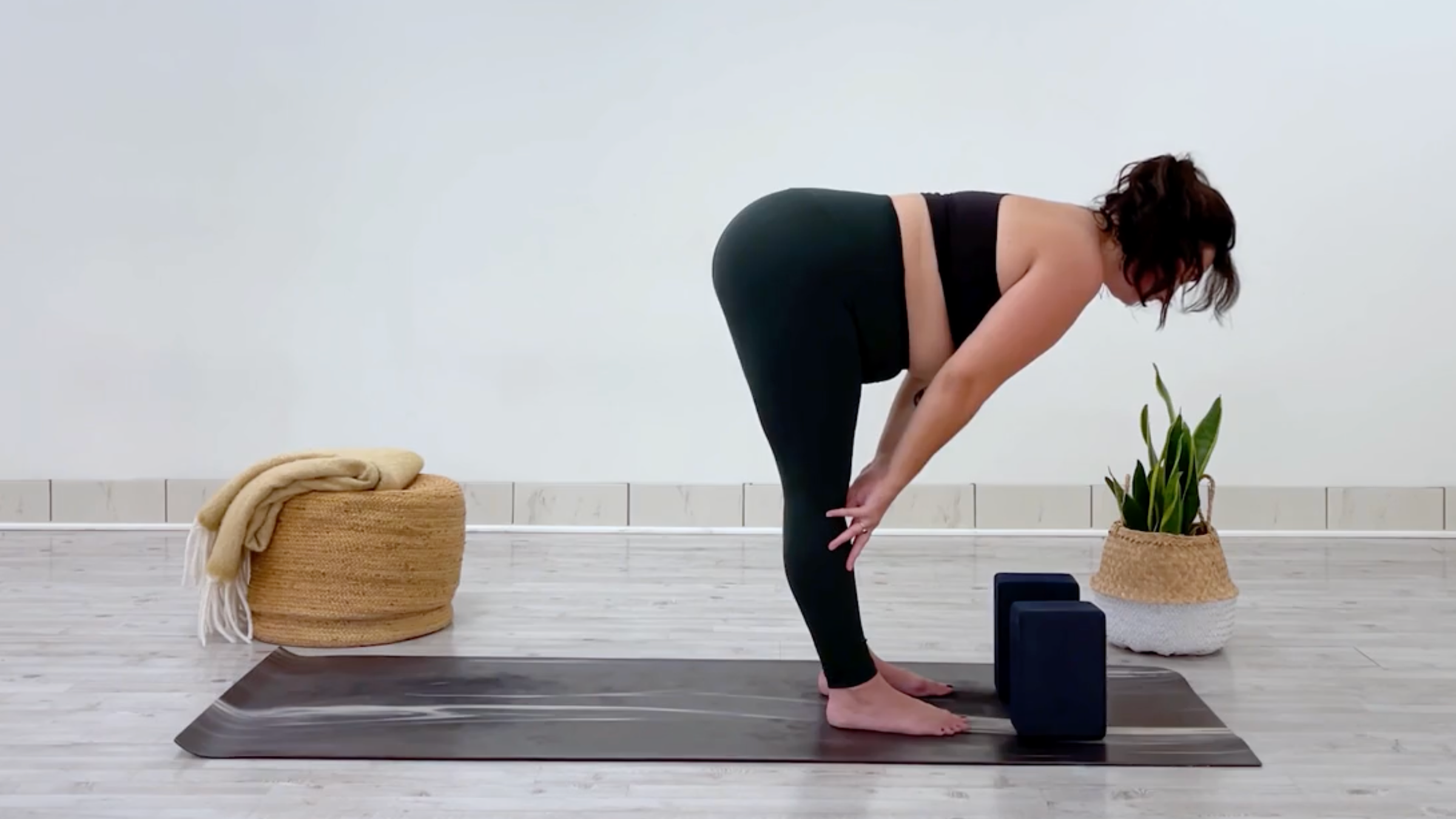
Phase IV: The Lunge Sequence
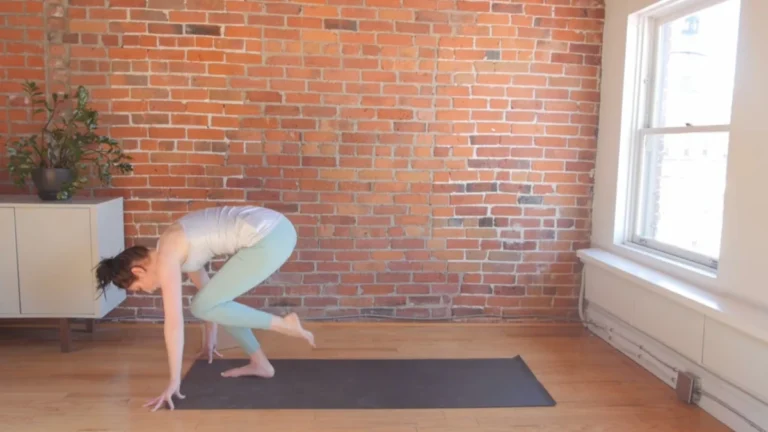
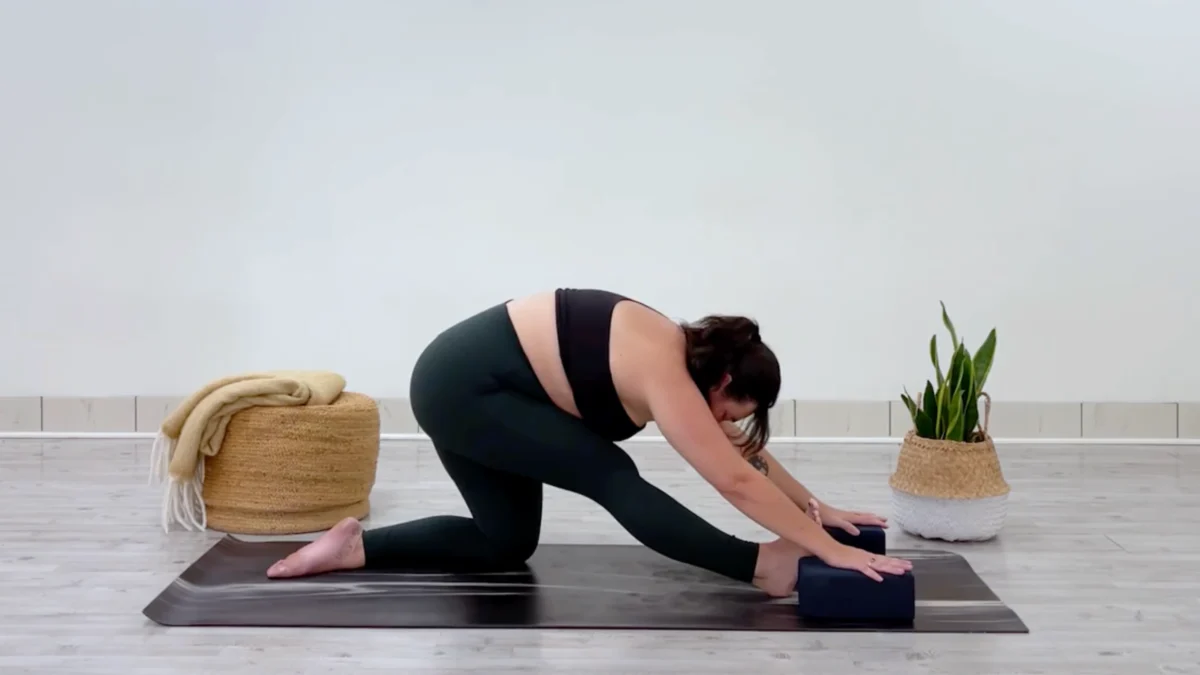
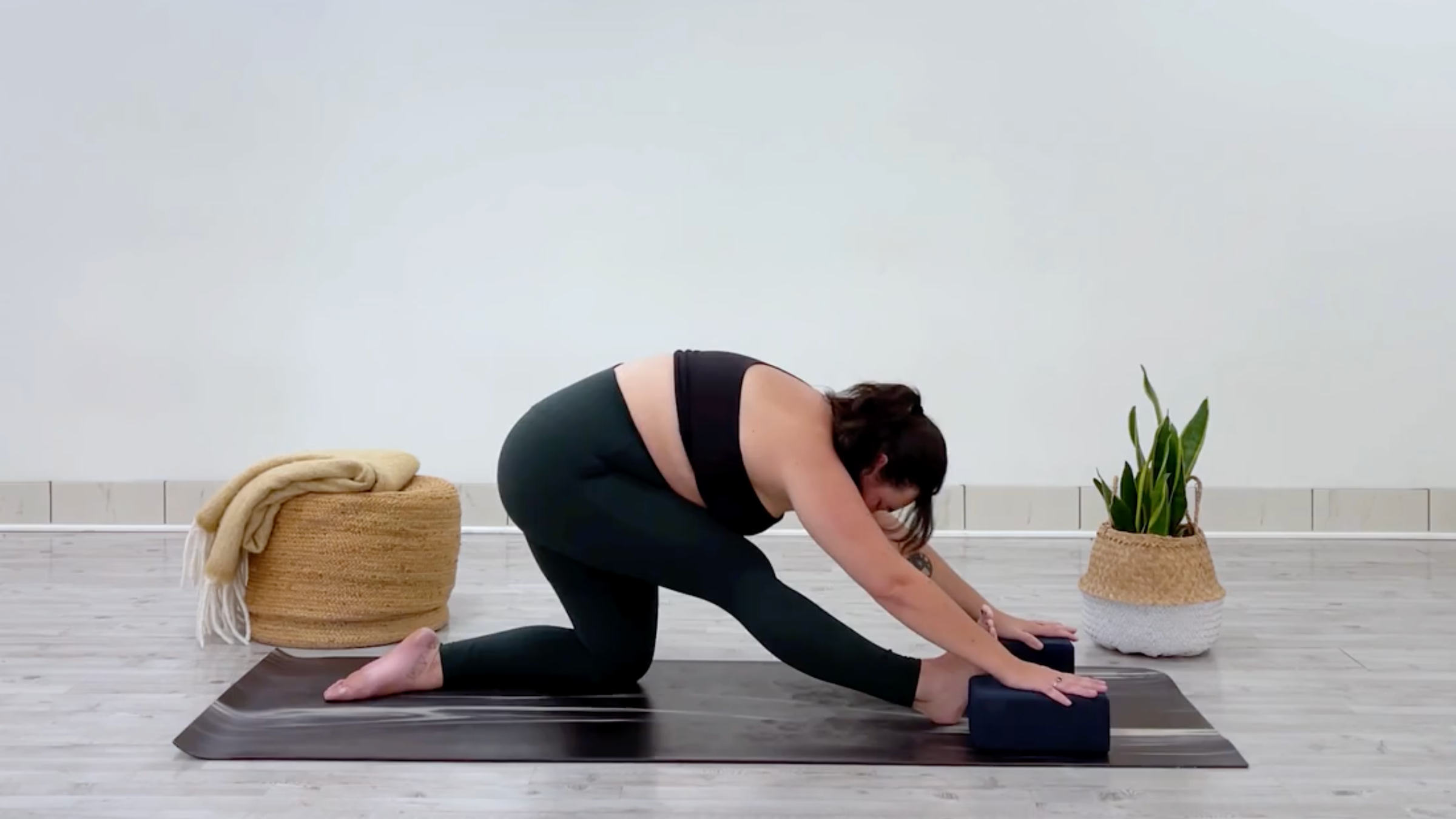
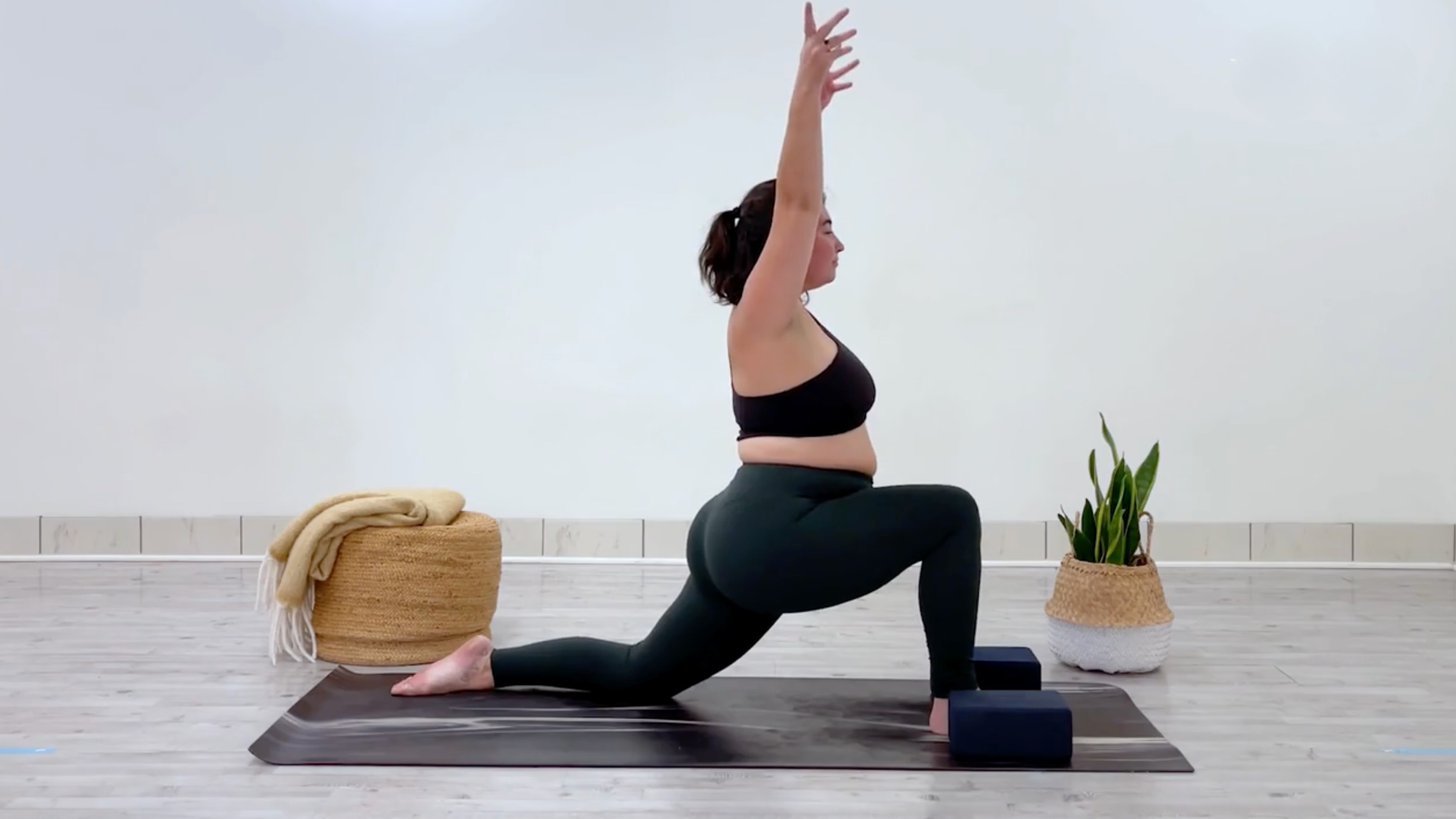
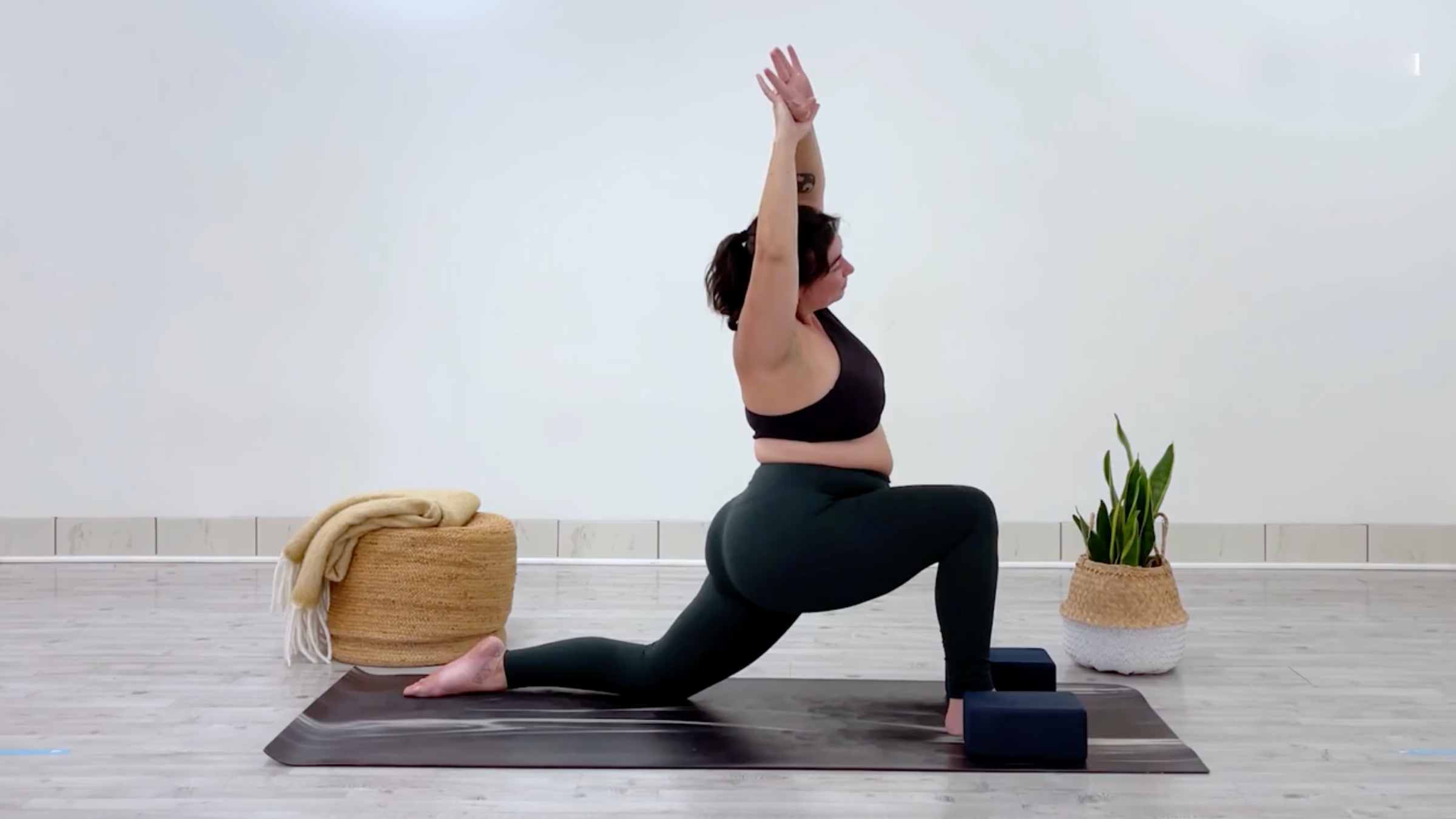
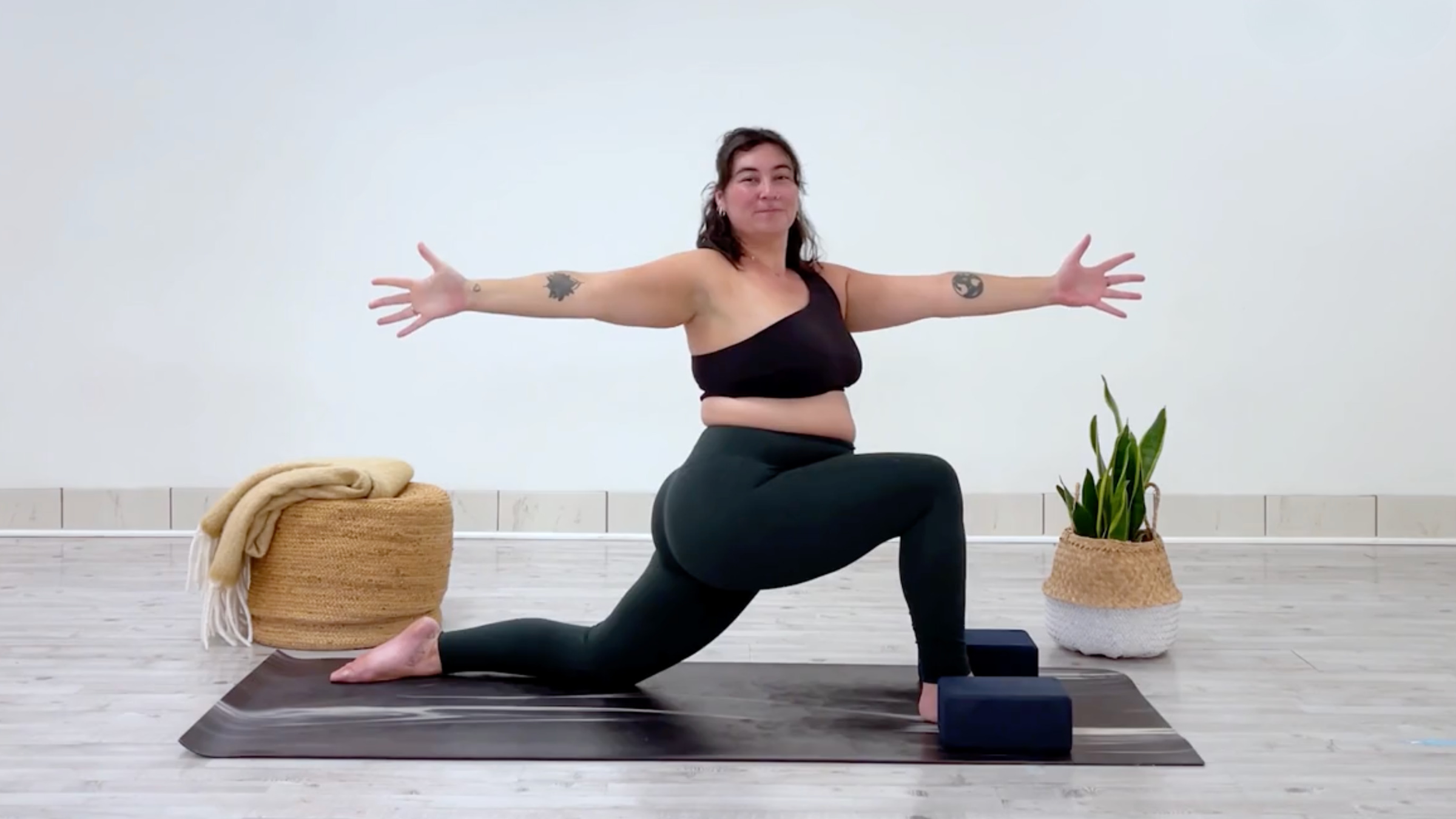
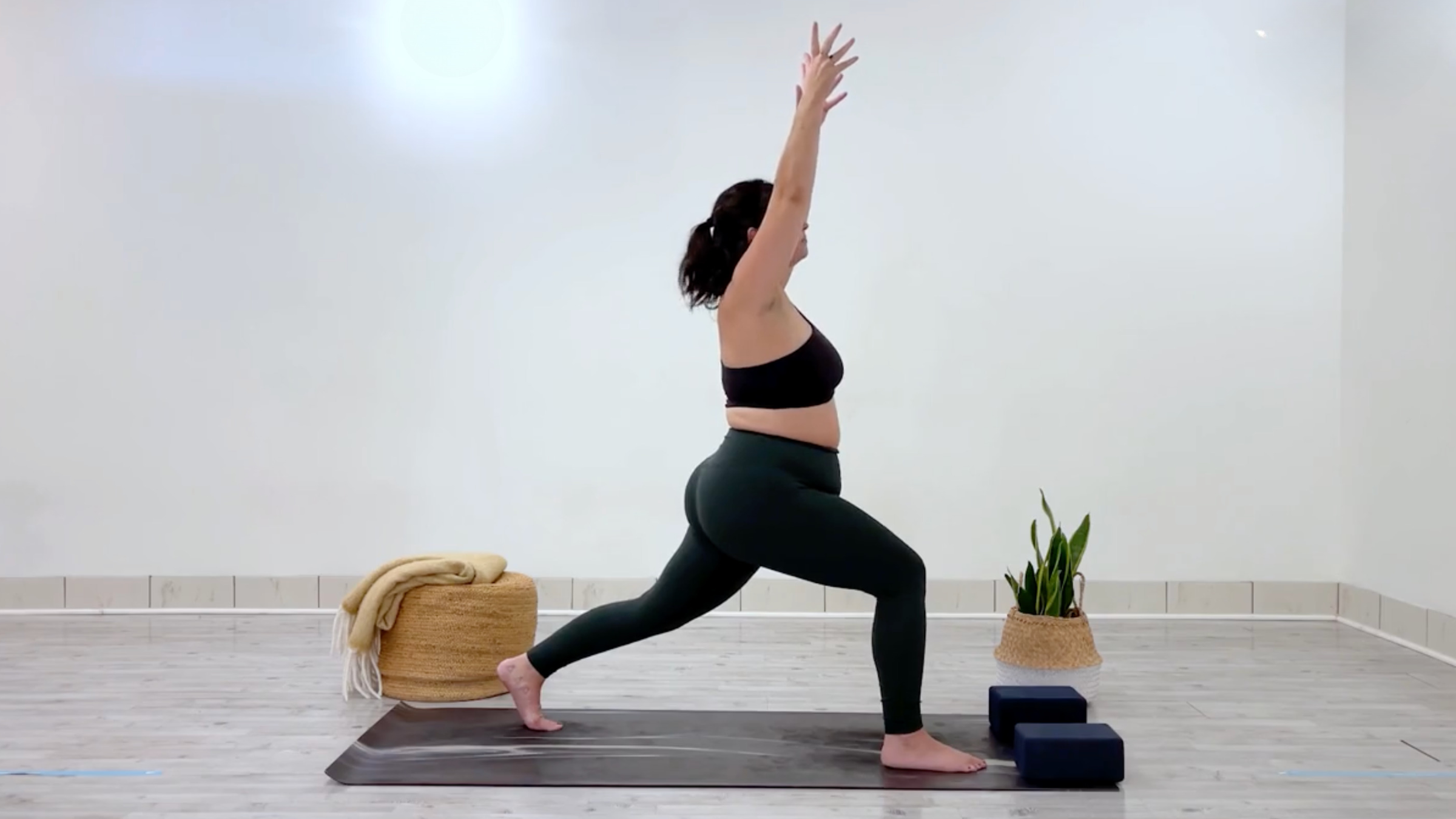
Stepping into Low Lunge (Anjaneyasana), the focus shifts to hip mobility. By dropping the back knee, the practitioner can safely deepen the stretch. The addition of a side bend and a gentle revolved twist in this position challenges balance while opening the thoracic spine. Following this with Half Splits (Ardha Hanumanasana) targets the hamstrings of the front leg. The use of blocks here is highly recommended to maintain a long, neutral spine rather than rounding the back.
Phase V: Strength and Culmination
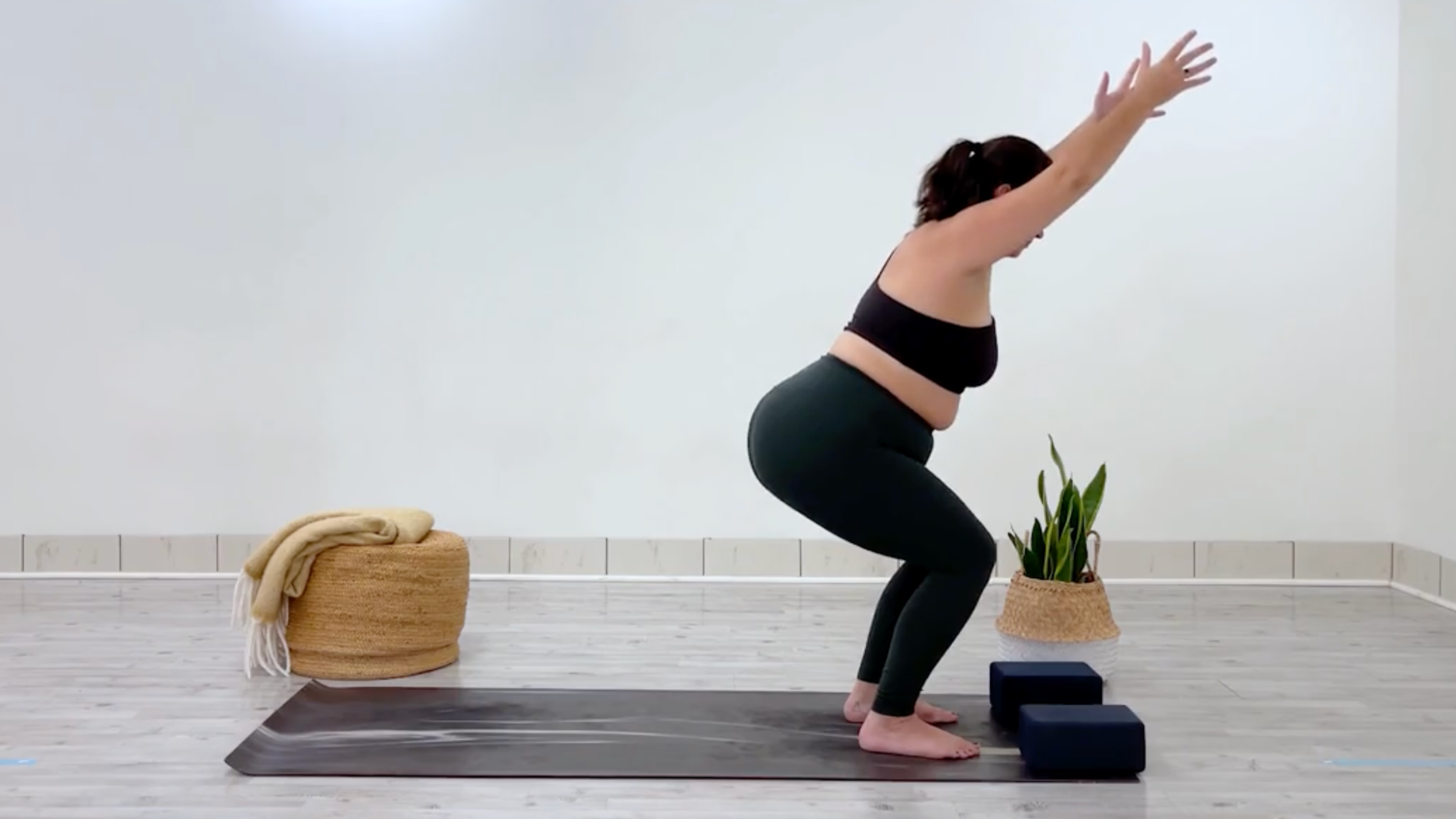
The sequence concludes with Chair Pose (Utkatasana), which builds heat in the quadriceps and core, and Pyramid Pose (Parsvottanasana), which offers a deep, grounded stretch. Finally, the practitioner moves to the floor for Bound Angle Pose (Baddha Konasana). Sitting with the soles of the feet together, one can gently fold forward, allowing the hips to open passively.
The practice concludes with Savasana (Corpse Pose). Often referred to as the most important pose in yoga, it allows the body to integrate the benefits of the movement through complete stillness. Three to five minutes in this state can significantly lower cortisol levels and reset the autonomic nervous system.
Supporting Data: Why Yoga Works for Beginners
Scientific literature increasingly supports the efficacy of beginner-level yoga. A 2024 study published in the Journal of Holistic Wellness indicated that even short, 15-minute daily sessions are correlated with a 20% reduction in reported anxiety levels among office workers. Furthermore, the use of props—as encouraged by Lorenz—has been shown to increase the "adherence rate" of new practitioners. By removing the physical barrier of "not being flexible enough," individuals are more likely to maintain a long-term practice, which is the primary driver of physical transformation.
Official Perspectives on Injury Prevention
Physical therapists and yoga educators alike emphasize the importance of "listening to the body." In the context of the provided sequence, the emphasis on modifying poses with blocks is not a sign of weakness but a clinical necessity. Over-stretching or forcing the body into alignment before the muscles are adequately warm can lead to ligamentous strain.
Lorenz’s approach aligns with modern kinesiological standards:
- Dynamic Warming: The flow starts with spinal mobility (Cat-Cow) before moving to deeper stretches.
- Prop-Supported Alignment: Utilizing blocks ensures the spine remains elongated, preventing the "hunching" that often causes lower back pain in beginners.
- Breath Integration: By linking breath to movement, the practitioner engages the parasympathetic nervous system, which naturally reduces muscle tension.
Implications for Long-Term Wellness
The implications of adopting a 15-minute daily yoga habit extend far beyond the mat. Practitioners who incorporate these fundamental shapes often report improved posture during working hours, enhanced sleep quality, and a greater sense of bodily awareness.
In a world where we are often disconnected from our physical selves, Taylor Lorenz’s sequence serves as a vital bridge. It offers a low-barrier, high-reward method for individuals to reclaim their mobility and peace of mind. Whether performed in a living room, an office space, or a dedicated studio, these foundational movements are the building blocks of a healthier, more resilient life.
As you conclude your session by bringing your hands to your heart, take a moment to acknowledge the effort made. Yoga is not about touching your toes; it is about what you learn on the way down. By showing up consistently, you are not just practicing a series of stretches—you are cultivating a lifelong partnership with your own body.