








Published November 4, 2026
For millions of individuals worldwide, the search for relief from chronic lower back pain often leads them to the yoga mat. Yoga is frequently touted as a panacea for musculoskeletal issues, offering a blend of strength, flexibility, and mindfulness. However, a growing body of evidence suggests that for those already suffering from lumbar discomfort, the way yoga is performed is just as critical as the practice itself.
Monica Bright, a dedicated yoga instructor specializing in injury mechanics and movement science, warns that without proper technique, the very movements intended to provide relief can inadvertently exacerbate existing tension. By breaking down common biomechanical errors, practitioners can transform their relationship with their bodies, shifting from a cycle of pain to one of restorative healing.
The Anatomy of Discomfort: Main Facts and Observations
Lower back pain remains one of the most pervasive health challenges globally. According to research published in the National Institutes of Health (NIH), the lumbar region is the most common site for physical pain, often stemming from a combination of sedentary lifestyles, improper lifting mechanics, and chronic stress.
When a person with existing lumbar sensitivity enters a yoga class, they often arrive with the expectation that "stretching it out" is the ultimate solution. However, Bright emphasizes that "not all movement is healing." If the body is moved through ranges of motion that bypass the stability of the core or force the spine into unnatural positions, the protective muscles of the back—the erector spinae and multifidus—may respond by tightening further, effectively "bracing" the body against perceived danger. This paradox explains why many students find their condition worsening rather than improving after a session.
A Chronological Approach to Mindful Movement
To understand how to mitigate this pain, it is essential to look at the progression of a typical yoga practice. The journey toward a pain-free practice begins long before the first sun salutation.
The Preparatory Phase: Setting the Intention
Before beginning any movement, the practitioner must establish a baseline of physical awareness. This involves checking in with the nervous system. Are you entering the mat from a place of stress, or are you grounded? If the body is in a state of high alert, the physical tissues are less likely to yield to deep stretches.
The Active Practice: Moving with Intent
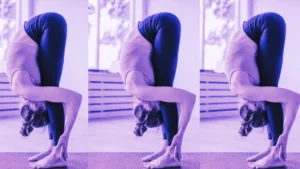
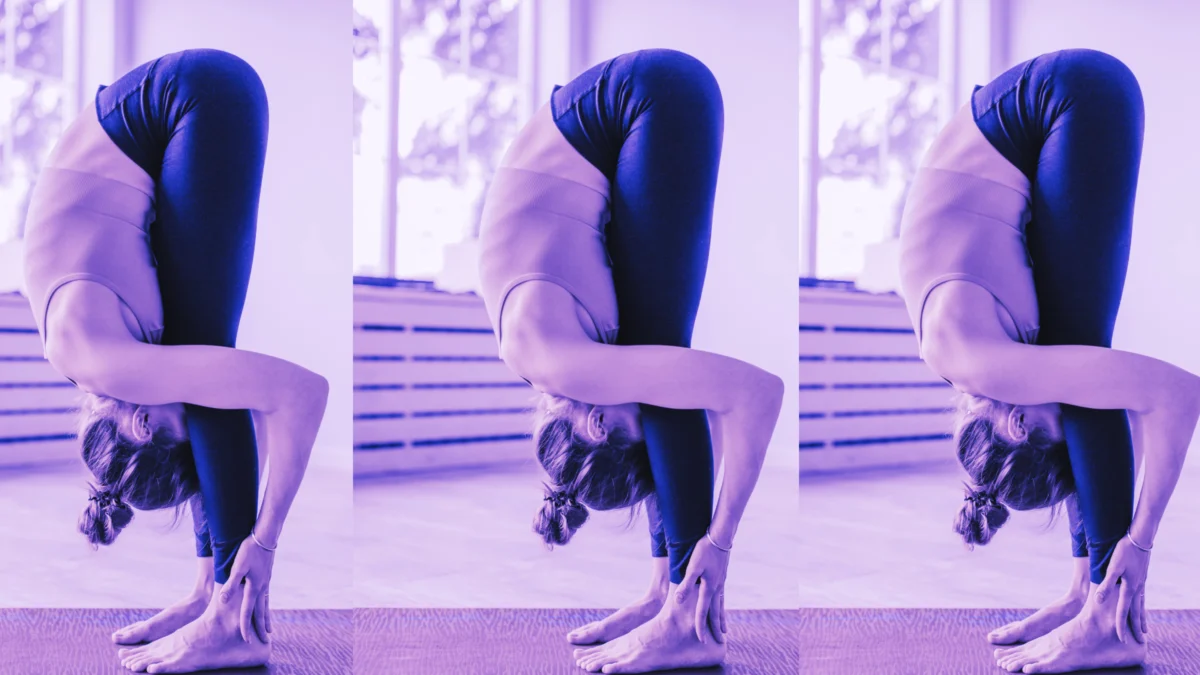
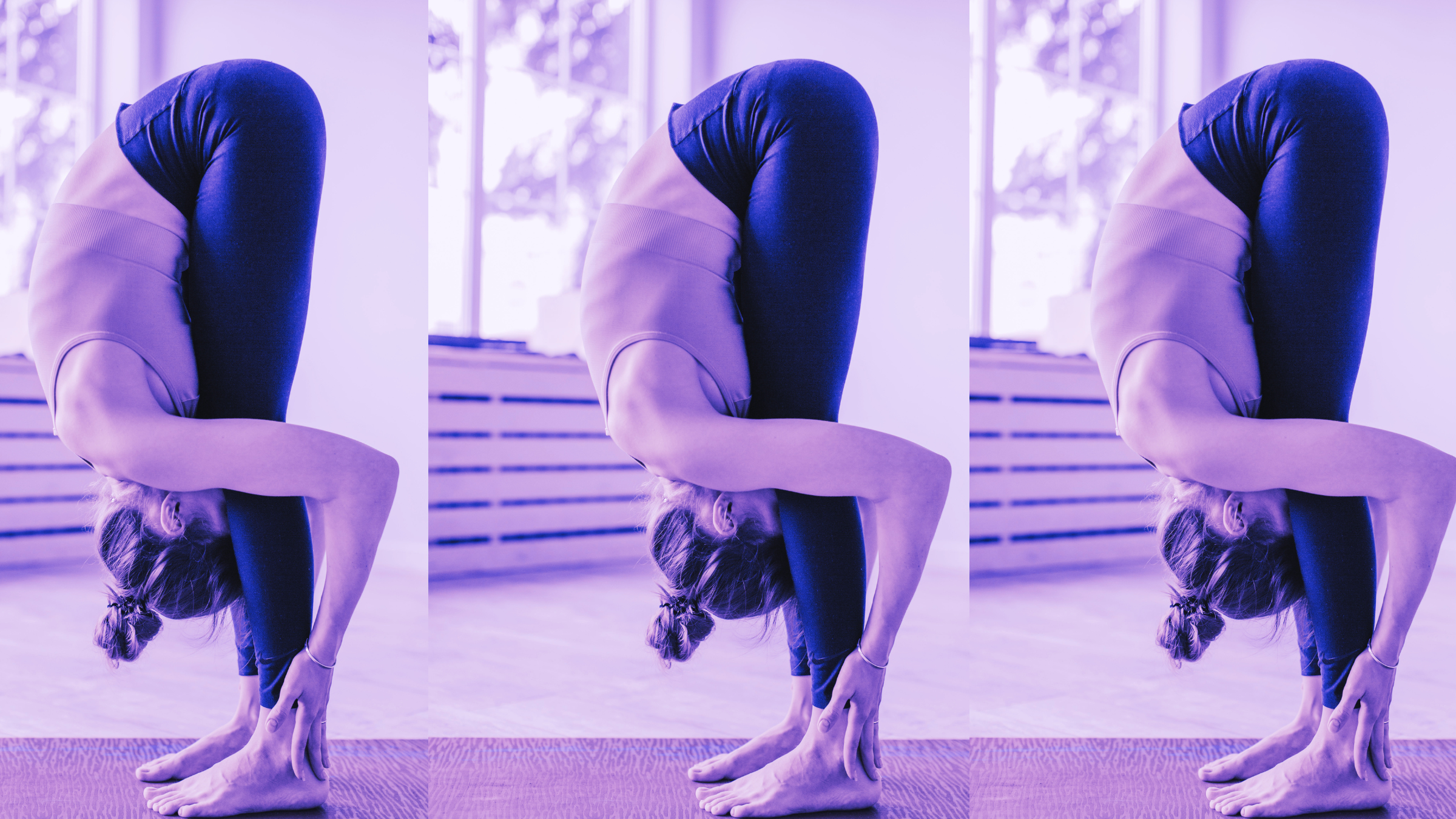
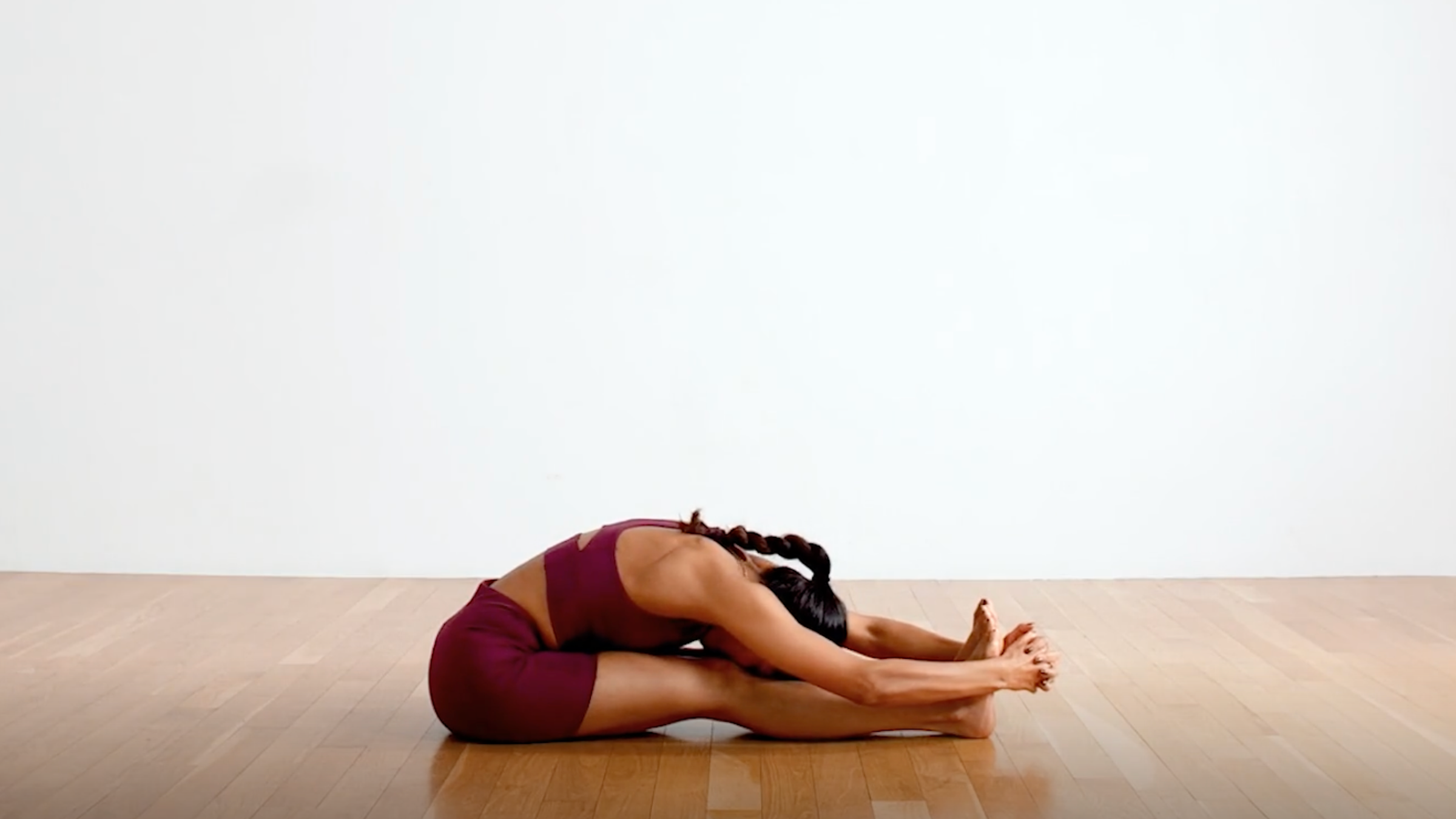
As the practice begins, the emphasis should shift from achieving the "perfect pose" to maintaining functional integrity. Chronologically, this means prioritizing spinal alignment over the depth of the fold. Whether moving through Seated Forward Bend or Chair Pose, the transition should be slow and deliberate, allowing the neuromuscular system to adjust to the changing gravitational load.
The Integration Phase: Cooling Down and Resetting
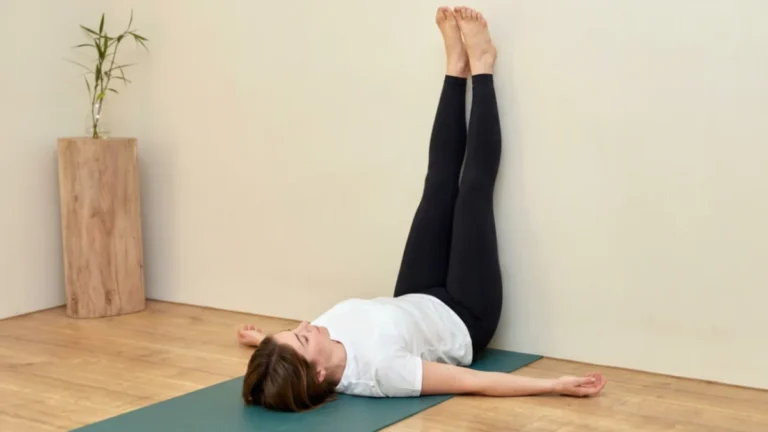
The conclusion of a practice is the most critical time for the lower back. By utilizing restorative poses like Legs Up the Wall or Child’s Pose, the practitioner signals to the nervous system that the session is concluding, facilitating a shift from the sympathetic (fight-or-flight) to the parasympathetic (rest-and-digest) state.
Supporting Data: The Science of Movement
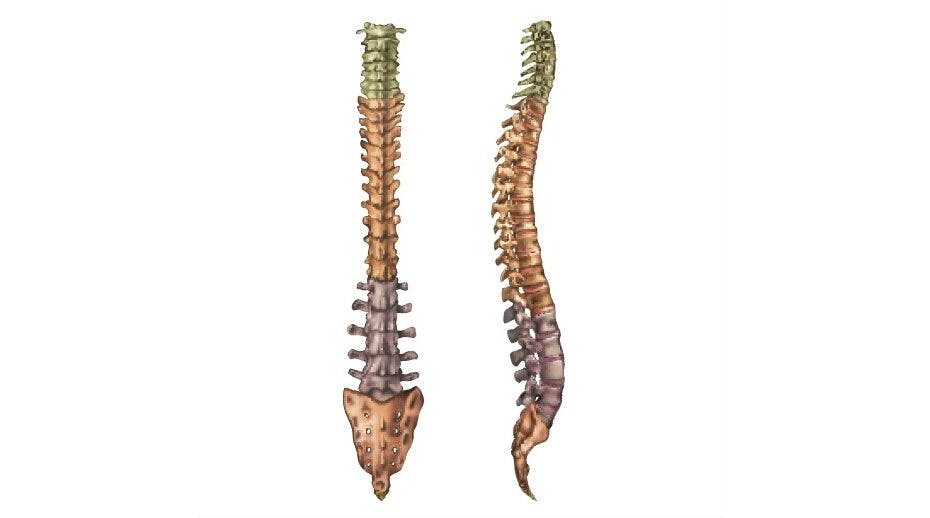
The mechanical stress placed on the lumbar spine is often a result of ignoring the body’s natural curvature. The human spine is not a straight rod; it is a complex, curved structure designed to distribute weight efficiently. The cervical (neck) and lumbar (low back) regions naturally curve inward (lordosis), while the thoracic (mid-back) region curves outward (kyphosis).
The "Neutral Spine" Debate
Many practitioners mistakenly believe that to "stretch" the lower back, they must round the spine during forward folds. Research into spinal mechanics suggests this is often counterproductive. For individuals with lumbar soreness, "flattening" the spine by tucking the tailbone—a common instruction in some fitness-based yoga styles—can lead to increased pressure on the intervertebral discs.
According to anatomical studies, maintaining the natural concave curve of the lumbar spine while hinging at the hips (rather than the waist) significantly reduces shearing forces on the lumbar vertebrae. This is particularly vital in poses like Chair Pose, where the tendency to tuck the pelvis can lock the lower back, creating tension rather than the intended strength-building effect.
Official Perspectives and Expert Analysis
"The goal of yoga is not to push past discomfort," says Bright. "It is to find the alignment in which your lower back feels safe."
Medical professionals and movement therapists are increasingly aligning with the view that individual variations are a necessity, not a compromise. Official clinical guidelines for chronic pain management now prioritize patient-led adjustments. This means that if a student feels sharp or radiating pain, the "correct" version of the pose is the one that utilizes props—such as blocks, bolsters, or blankets—to support the body’s current capacity.
The Role of the Nervous System
The nervous system is the silent partner in every yoga practice. Recent studies into the "Mind-Body Connection" highlight that when a person experiences anxiety or chronic pain, the nervous system becomes hyper-vigilant. This internal state can cause the body to "brace," limiting range of motion and increasing pain perception.
Experts suggest that techniques such as Box Breathing or lengthening the exhalation act as a "braking system" for the nervous system. By consciously downregulating this response, the muscles around the lumbar spine are more likely to relax, allowing for a deeper, more sustainable stretch.
Implications: Moving Forward with Awareness
The implications of these findings are profound for the yoga community. The culture of "no pain, no gain" is being replaced by a culture of "listening to the signal."
1. The Necessity of Slowing Down
Moving too fast is a primary culprit in lower back aggravation. When speed is prioritized, the body loses its ability to sense the subtle signals of strain before they become injuries. By moving at a pace that allows for constant self-inquiry—"How does this feel?"—practitioners can prevent the minor tweaks that often lead to long-term chronic issues.
2. The Empowerment of Variations
There is a pervasive myth that using props is a sign of a "beginner" or "weaker" student. This couldn’t be further from the truth. Using a blanket under the hips in a Seated Forward Bend to elevate the pelvis is a sophisticated choice that creates the necessary space for the lumbar spine to hinge correctly. These variations are not regressions; they are intelligent adaptations.
3. Cultivating a Personalized Practice
Ultimately, the journey to a healthy back is an individual one. By recognizing the role of the nervous system and honoring the body’s natural anatomy, practitioners can move from a state of frustration to one of relief.
The takeaway for the yoga community is clear: success is not measured by the ability to touch your toes, but by the ability to move through your life with a spine that is strong, stable, and pain-free. As you continue your practice, remember that you are the ultimate authority on your body. If a movement causes sharp sensations or increased tension, pivot. Use a prop, slow your breath, or choose a variation that allows you to remain present, aware, and, most importantly, comfortable.
In the words of Bright, "Your yoga practice should be a conversation with your body, not a demand. Listen closely, and the back will eventually follow."