









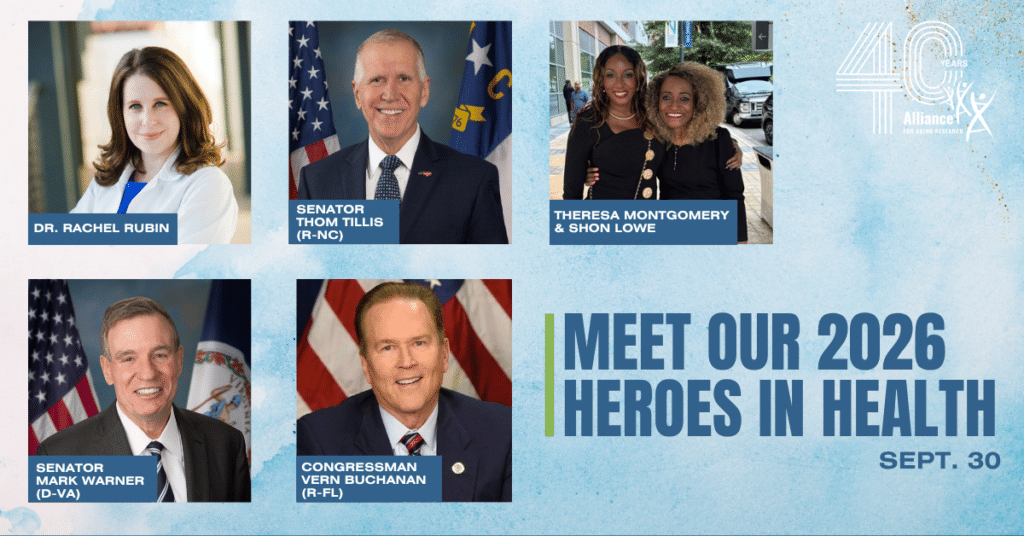
As the demographic landscape of the United States continues to shift toward an older population, the imperative to prioritize healthy aging has never been more critical. Each year, the Alliance for Aging Research convenes a distinguished group of policymakers, clinicians, and patient advocates in Washington, D.C., to recognize those whose work has fundamentally improved the quality of life for seniors.
On Wednesday, September 30, 2026, the organization will host its annual Heroes in Health celebration. This prestigious event serves not only as a gala but as a pivotal gathering for the aging community to align on strategies for tackling the most pressing challenges in longevity, medical innovation, and caregiving. This year, the Alliance has unveiled a slate of honorees whose combined efforts represent the multifaceted approach required to address the complexities of an aging society.
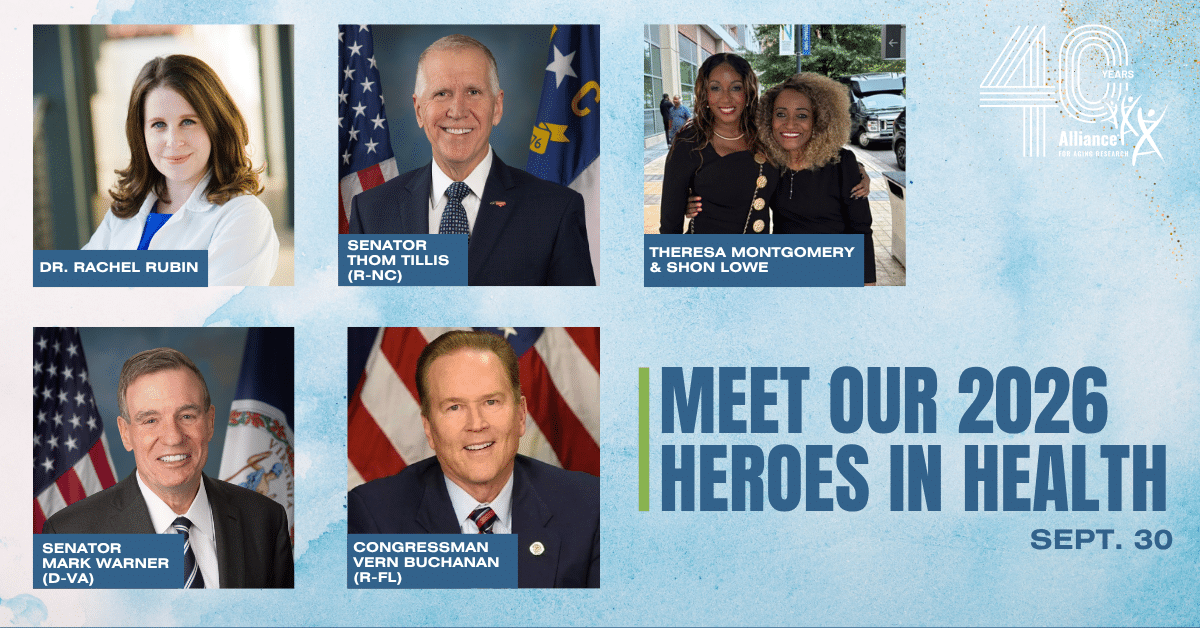
The 2026 Honorees: A Profile in Leadership
The Heroes in Health awards recognize individuals from diverse sectors—ranging from the halls of Congress to the frontlines of clinical research—who have demonstrated an unwavering commitment to the health and well-being of older Americans.
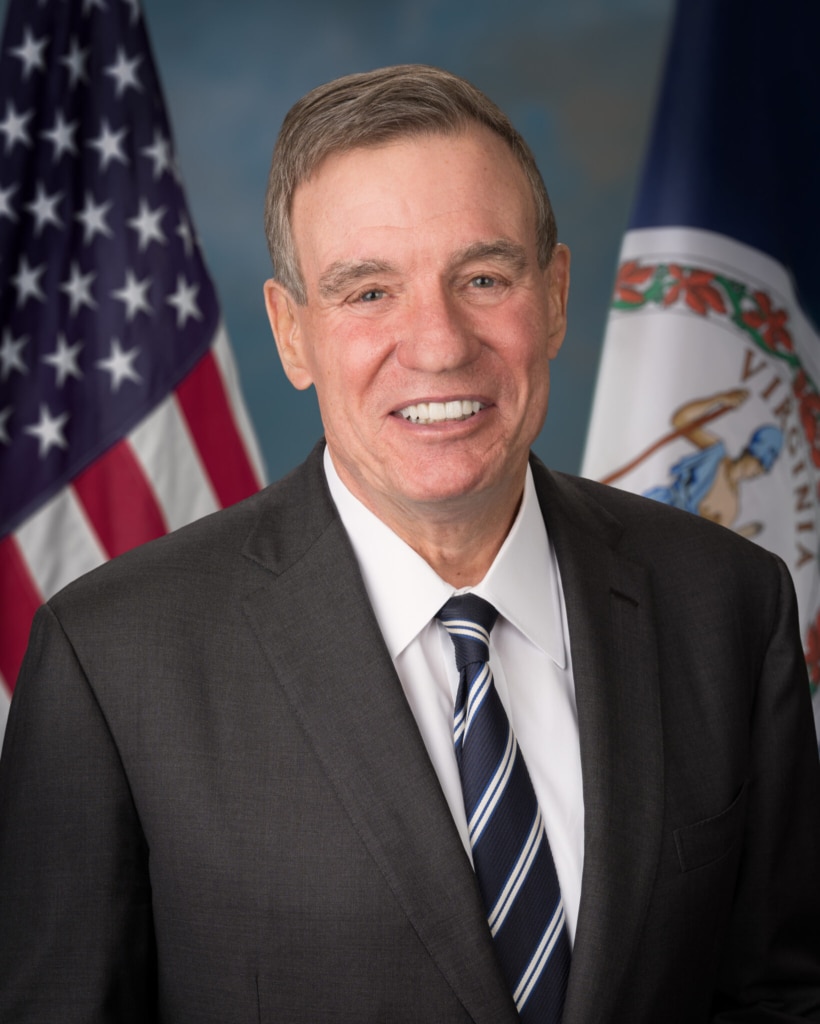
Senator Mark Warner (D-VA): Claude Pepper Award for Advancing Healthy Aging
Senator Mark Warner’s inclusion as the recipient of the Claude Pepper Award reflects his long-standing commitment to bipartisan governance. Since joining the U.S. Senate in 2009, Warner has leveraged his background as a tech entrepreneur and former Governor of Virginia to influence critical policy areas. His work on the Senate Finance and Budget Committees has been instrumental in shaping the fiscal environment for healthcare infrastructure. By prioritizing issues such as AI in medical diagnostics and cybersecurity for health records, Senator Warner has positioned himself as a forward-thinking advocate for a modern, technology-enabled aging experience.
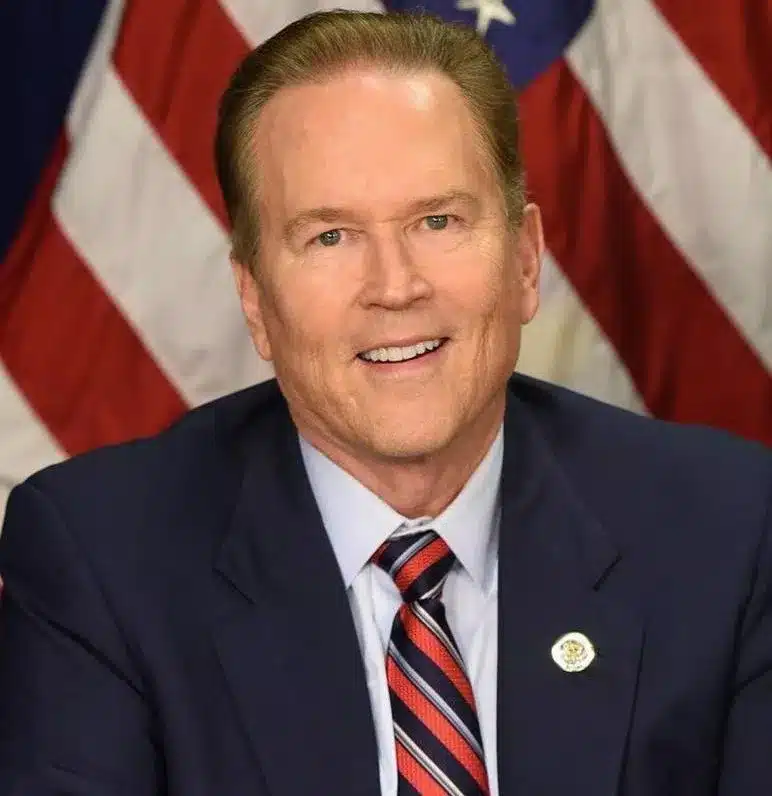
Congressman Vern Buchanan (R-FL): Distinguished Public Service Award
Representing a state with one of the largest elderly populations in the nation, Representative Vern Buchanan has become a central figure in federal healthcare oversight. As the Vice Chair of the House Ways and Means Committee and Chair of the Health Subcommittee, Buchanan oversees the operational integrity of Medicare and Medicare Advantage. His leadership has been central to the legislative dialogue surrounding prescription drug affordability and access to quality care. His efforts to strengthen democratic institutions through the House Democracy Partnership further underscore his commitment to the public good.
Dr. Rachel S. Rubin: Silver Innovator Award
Dr. Rachel S. Rubin, a nationally renowned urologist and sexual medicine specialist, receives the Silver Innovator Award for her groundbreaking work in addressing the "taboo" aspects of geriatric health. Dr. Rubin has challenged the status quo in sexual health, pelvic pain, and menopause management. Notably, her advocacy was a driving force behind the 2025 American Urological Association (AUA) guidelines for Genitourinary Syndrome of Menopause. By spearheading efforts to remove outdated FDA boxed warnings on hormone therapy, Dr. Rubin has empowered millions of women to seek evidence-based care without the stigma that has historically hindered geriatric sexual health.
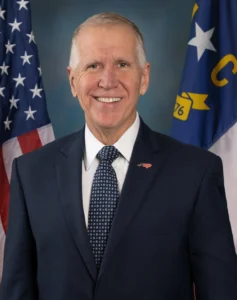
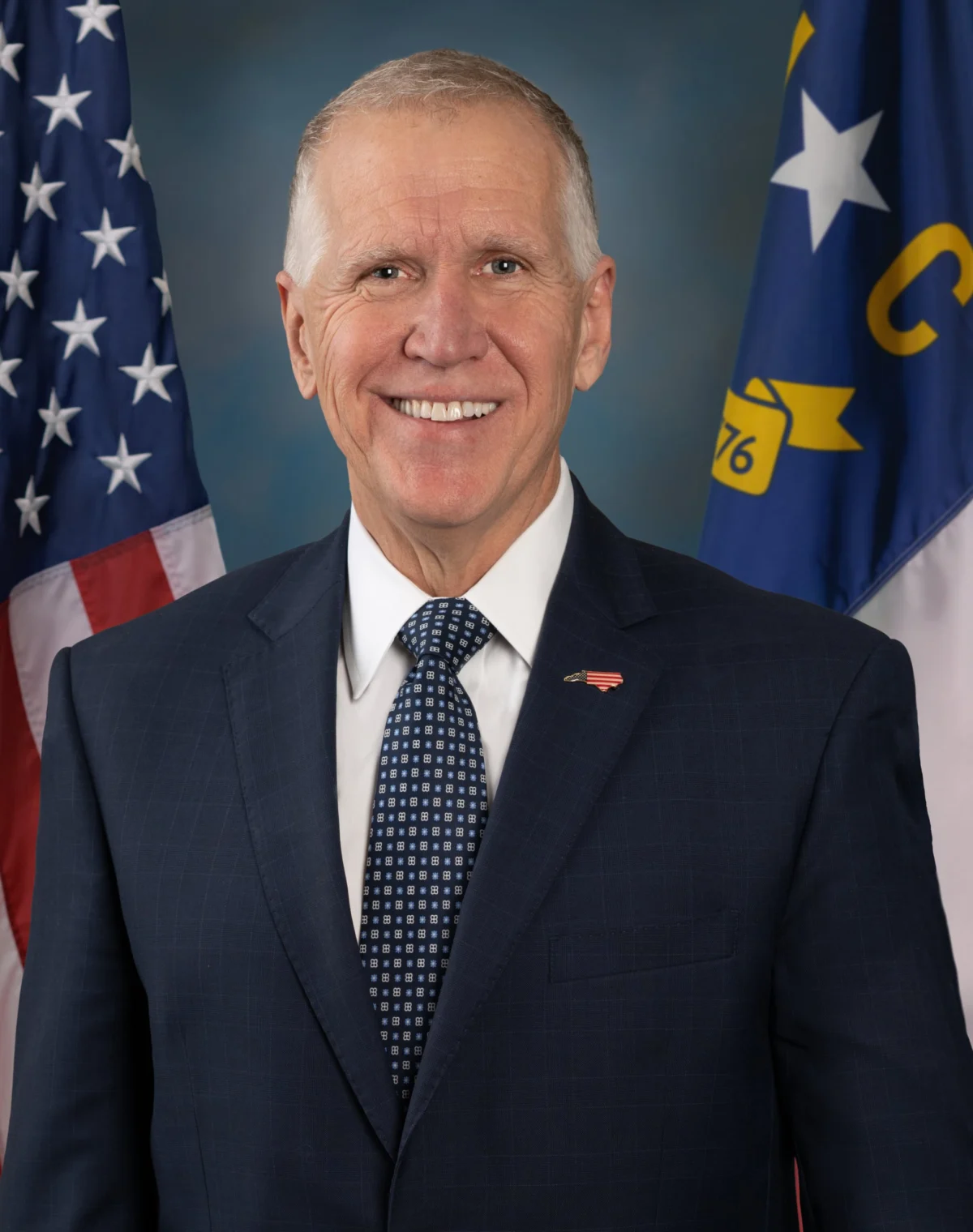
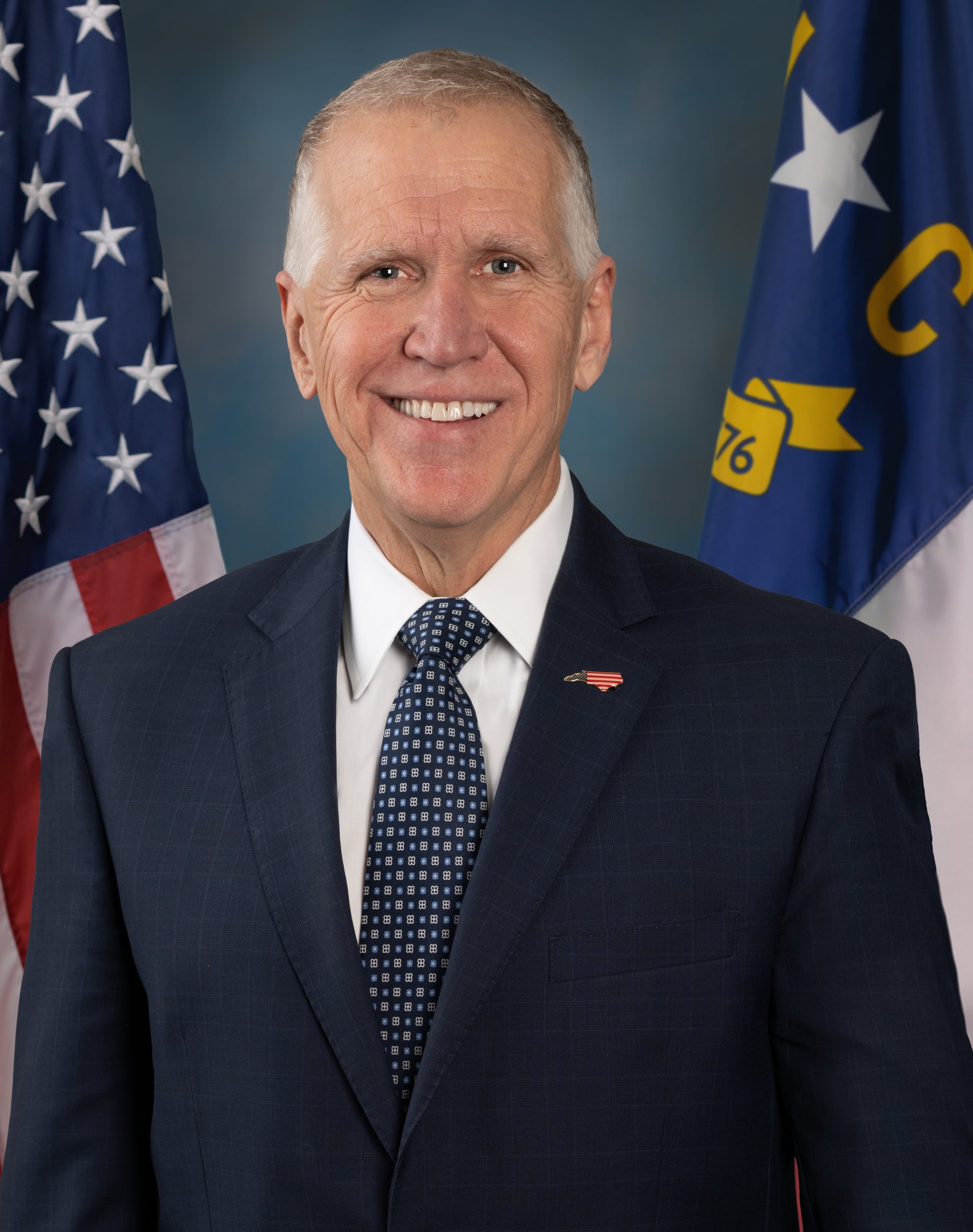
Senator Thom Tillis (R-NC): Daniel Perry Founder’s Award
Senator Thom Tillis, currently in his second term, is recognized for his legislative rigor on the Senate Finance and Veterans’ Affairs Committees. His background as Speaker of the House in the North Carolina General Assembly provided him with a unique expertise in regulatory reform, which he has translated into his national work. Senator Tillis has been a consistent partner in shaping policies that impact the economic stability of the healthcare system, ensuring that innovation in medicine is supported by robust legislative frameworks.
Theresa “Terrie” Montgomery & Shon Lowe: Perennial Hero Awards
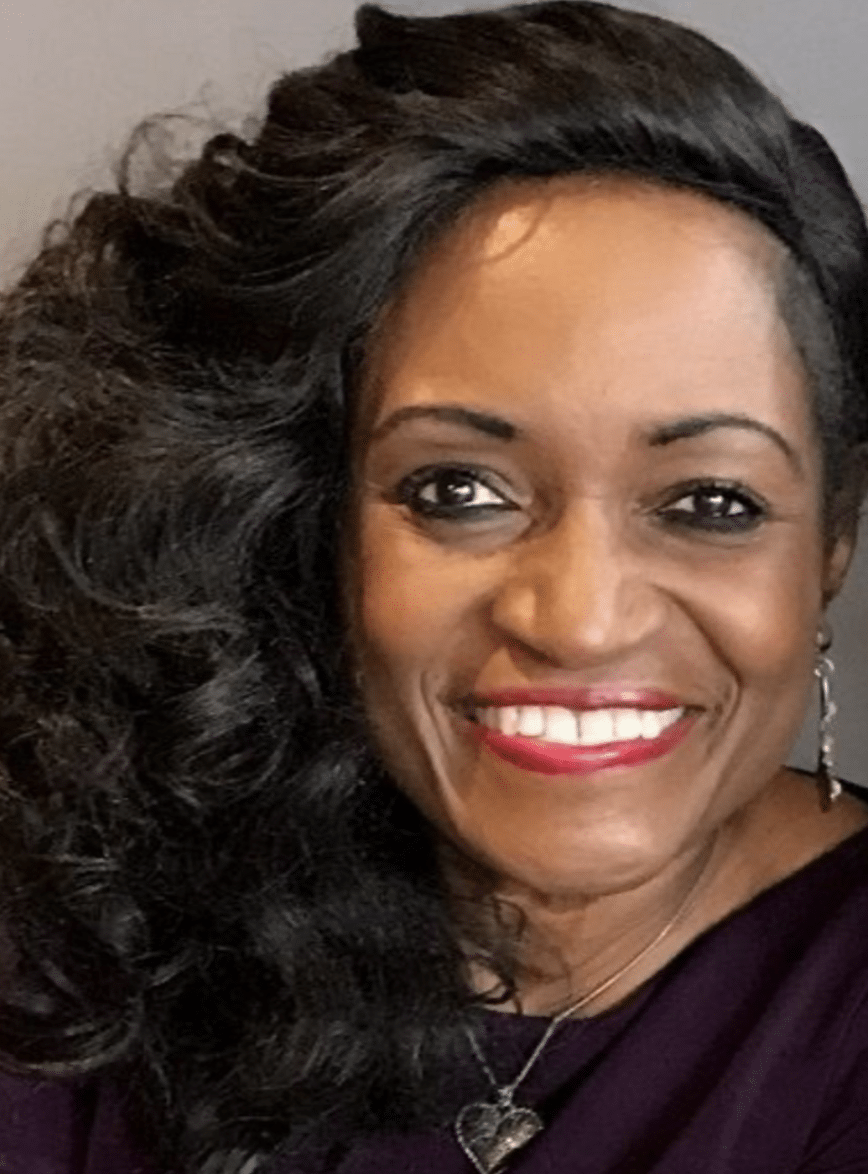
Perhaps the most poignant honors of the 2026 ceremony go to Theresa Montgomery and Shon Lowe. This mother-daughter duo has become a national force in dementia advocacy. Montgomery, creator of the “MADD: Make A Dynamic Difference” movement, and Lowe, a fierce advocate for brain health equity, have transformed their personal experience with frontotemporal dementia and Alzheimer’s into a platform for public education. As producers of the Walking the Talk of Dementia podcast and members of the Alliance for Aging Research’s Advisory Council, they have bridged the gap between patient experience and high-level policy. Their work emphasizes the critical need for early detection and culturally informed care for Black families disproportionately affected by dementia.
Chronology of Advocacy: A Commitment to Change
The Alliance for Aging Research has built a legacy of identifying the "heroes" of the sector through a deliberate, year-long process. The selection of these specific individuals follows a timeline of critical milestones in the health policy arena:
- Early 2025: Initial assessments of legislative progress regarding Medicare Advantage and menopause research are conducted by the Alliance’s policy team.
- Late 2025: Dr. Rachel Rubin’s contributions to the AUA guidelines gain national traction, marking a shift in how medical boards view menopause treatment.
- Spring 2026: Advocacy groups, including the Voices of Alzheimer’s and the National Council of Dementia Minds, report an increase in public engagement, largely driven by the outreach efforts of Montgomery and Lowe.
- Summer 2026: Review of committee legislative records confirms the impact of Senators Warner and Tillis, alongside Rep. Buchanan, in maintaining the stability of senior health funding in an increasingly complex fiscal year.
- September 30, 2026: The official ceremony in Washington, D.C., formalizing these recognitions.
Supporting Data: The Need for Targeted Action
The urgency behind these awards is rooted in demographic and clinical data. By 2030, all baby boomers will be age 65 or older, meaning one in five Americans will be of retirement age.

- Dementia Prevalence: As highlighted by the work of Montgomery and Lowe, the number of Americans living with Alzheimer’s is projected to nearly double by 2050. Their focus on "early detection" is supported by data suggesting that early intervention can significantly delay the onset of severe symptoms.
- Hormone Therapy Utilization: Data cited by Dr. Rubin shows that for decades, millions of women suffered from untreated menopausal symptoms due to inaccurate risk perceptions stemming from previous FDA warnings. Her success in revising these guidelines represents a tangible shift in public health outcomes.
- Fiscal Sustainability: The work of Rep. Buchanan and Senators Warner and Tillis is vital to the solvency of Medicare. With health spending projected to rise, their legislative focus on streamlining tax codes and infrastructure investment is essential to preventing a funding crisis in the coming decade.
Official Responses and Strategic Implications
The Alliance for Aging Research views these awards as more than a celebratory gesture; they are a strategic alignment of stakeholders.
"The challenges facing our aging population are too vast for any single group to solve," noted a spokesperson for the Alliance. "By honoring both the architects of our laws and the architects of patient culture, we create a ecosystem where policy is informed by reality."
The implication of this year’s honoree list is clear: the future of aging in America relies on a "three-pillar" approach. First, legislative stability, provided by the bipartisan efforts of leaders like Senators Warner and Tillis and Rep. Buchanan. Second, clinical innovation, represented by the evidence-based breakthroughs of Dr. Rubin. And third, lived experience, championed by advocates like Montgomery and Lowe, who ensure that the human element remains at the center of the research agenda.
Conclusion: Looking Toward 2027 and Beyond
As the Heroes in Health celebration approaches, the message to the public is one of optimism tempered by realism. The honorees represent a spectrum of progress, from the technical intricacies of tax policy to the deeply personal narrative of dementia care.
For the Alliance for Aging Research, the event is a call to action. As we look toward the remainder of the decade, the collaboration between these policymakers and advocates will serve as the blueprint for maintaining a high quality of life for the aging demographic. The 2026 awards are not merely a conclusion to a year of hard work, but a starting point for the next phase of the longevity revolution. The Alliance invites all stakeholders—policymakers, scientists, and the public—to join them in recognizing these individuals and continuing the essential work of ensuring that every American has the opportunity to age with dignity, health, and purpose.