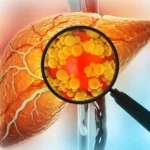









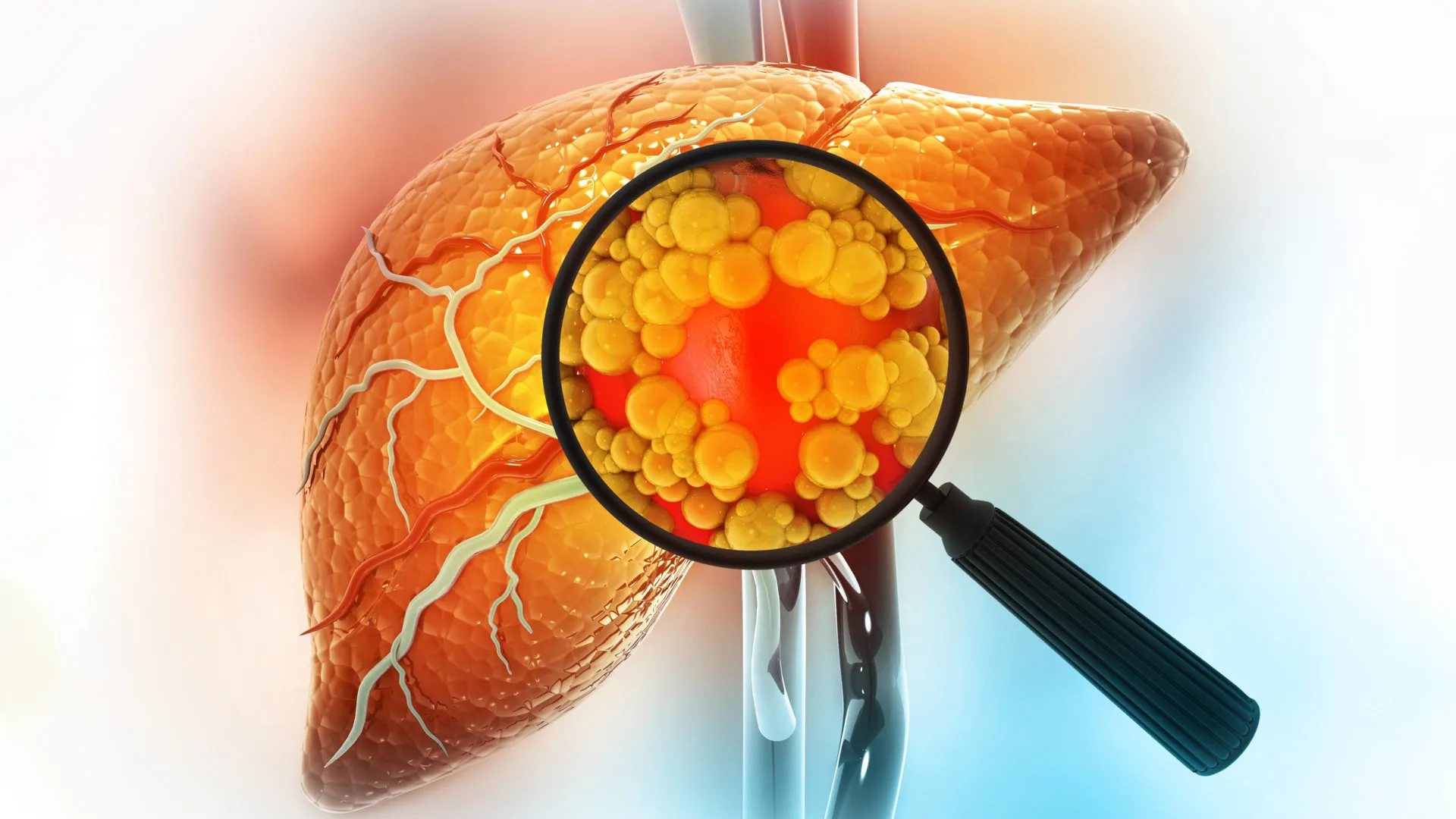
Metabolic dysfunction-associated steatotic liver disease (MASLD)—formerly known as non-alcoholic fatty liver disease—has emerged as one of the most pressing public health crises of the 21st century. Affecting approximately 40% of the adult male population globally, this condition represents a spectrum of liver damage, beginning with simple fat accumulation and progressing toward severe inflammation, fibrosis, and potential liver failure.
While medical science has long understood that obesity, type 2 diabetes, and dietary habits are key contributors to liver health, the precise molecular mechanisms driving this disease have remained elusive. A groundbreaking study recently published in the American Journal of Physiology-Endocrinology and Metabolism has shed new light on this puzzle, uncovering a potentially dangerous synergy between hormonal health and dietary intake. Led by researchers at the Graduate School of Agriculture, the study reveals that the combination of low testosterone and high fructose consumption creates a "perfect storm" for fatty liver development, mediated significantly by the gut microbiome.
The Global Burden of MASLD
MASLD is characterized by the excessive buildup of fat in liver cells (steatosis). As the liver struggles to process dietary nutrients, the accumulation of lipids triggers a cascade of metabolic distress. While the disease is often associated with the metabolic syndrome—a cluster of conditions including high blood pressure, elevated blood sugar, and excess body fat—it has become increasingly clear that endocrine health, specifically testosterone levels, plays an under-researched but critical role.
Testosterone is not merely a reproductive hormone; it is a metabolic regulator. Previous clinical observations have suggested that men with hypogonadism (low testosterone) are statistically more likely to develop metabolic disorders. However, whether this is a causative factor or merely a correlation has been a subject of intense scientific debate.
Chronology of the Investigation
To untangle the relationship between hormonal status, dietary sugar, and liver health, a research team led by graduate student Hiroki Takahashi and Associate Professor Naoki Harada embarked on a multi-phase experimental study.
Phase 1: Experimental Design
The researchers utilized eight-week-old male mice to isolate the variables of testosterone deficiency and fructose-heavy diets. The subjects were divided into six distinct experimental groups:
- Sham/Control: Normal testosterone, standard diet.
- Sham/Fructose: Normal testosterone, high-fructose diet.
- Sham/Fructose + Antibiotics: Normal testosterone, high-fructose diet, with gut microbiome suppression.
- Castration/Control: Reduced testosterone (via surgery), standard diet.
- Castration/Fructose: Reduced testosterone, high-fructose diet.
- Castration/Fructose + Antibiotics: Reduced testosterone, high-fructose diet, with gut microbiome suppression.
Phase 2: Biological Data Collection
Over the study period, the team meticulously analyzed several biological markers. They assessed the physical morphology of the liver, blood plasma composition, organic acids present in the cecum (a part of the large intestine), and the diversity of the gut bacteria. This comprehensive approach allowed the team to track not just the symptoms of fatty liver, but the systemic changes occurring in the gut-liver axis.
Supporting Data: The Synergy of Fat Accumulation
The results were stark. While mice with low testosterone levels or high fructose intake showed only modest, individual increases in liver triglycerides, the combination of the two produced a dramatic, synergistic effect.
The researchers observed that mice subjected to both castration and a fructose-heavy diet exhibited significantly heavier livers and a massive increase in fat accumulation compared to the control groups. Crucially, this effect was mitigated when the mice were administered antibiotics, which altered their gut bacterial composition. This suggested that the gut microbiome was not merely a bystander, but a primary engine driving the progression of the disease.
Key Findings:
- The Pyruvate Link: The study identified that the combination of low testosterone and high fructose led to an increase in pyruvate levels in the cecum.
- Cellular Cooperation: Further experiments on isolated mouse hepatocytes (liver cells) confirmed that pyruvate works in tandem with fructose to accelerate the storage of neutral lipids, effectively forcing the liver to accumulate fat at a much faster rate than either factor could induce on its own.
- Microbial Mediation: The modulation of liver gene activity was found to be directly linked to the microbial environment of the gut, providing a clear biological pathway for how dietary choices interact with hormonal health.
Official Perspectives and Expert Insight
The research team emphasizes that these findings represent a fundamental shift in how we perceive the "gut-liver axis." By identifying the specific role of pyruvate as a metabolic intermediary, the study provides a concrete target for future medical interventions.
"Upon examining this mechanism, we found that changes in the gut microbiota led to increased levels of pyruvate within the intestine," explained Hiroki Takahashi. "Furthermore, experiments using mouse-derived primary hepatocytes revealed that pyruvate acts synergistically with fructose to promote neutral lipid accumulation in hepatocytes."
Associate Professor Naoki Harada underscored the long-term goals of this research, highlighting the potential for both pharmacological and lifestyle-based solutions. "Going forward, we hope to clarify the mechanism by which pyruvate promotes triglyceride accumulation to pioneer the development of therapeutic drugs and establish preventive methods through dietary interventions," Harada stated.
The study’s publication in the American Journal of Physiology-Endocrinology and Metabolism provides a rigorous foundation for this next phase of research, moving the conversation from observational correlations to mechanistic understanding.
Implications for Public Health and Future Medicine
The implications of this research are vast, particularly as the prevalence of both metabolic syndrome and low testosterone continues to rise in aging populations.
Rethinking Dietary Guidelines
Current nutritional advice often focuses on caloric restriction or the reduction of saturated fats. This study suggests that for individuals with hormonal imbalances or low testosterone, the consumption of high-fructose sweeteners—common in soft drinks, juices, and ultra-processed foods—may be exponentially more damaging than it is for the general population. Understanding that "what you eat" interacts with "your hormonal state" could lead to more personalized nutritional guidelines.
The Gut Microbiome as a Therapeutic Target
The fact that antibiotic intervention reduced the severity of fatty liver in the study suggests that the gut microbiome is a viable target for treatment. While the use of broad-spectrum antibiotics is not a viable long-term treatment for fatty liver due to the risk of resistance and disruption of beneficial flora, the study paves the way for the development of "prebiotics" or "probiotics" specifically designed to modulate gut bacteria to prevent pyruvate spikes.
New Avenues for Pharmacological Development
If researchers can identify a way to block the synergistic action of pyruvate and fructose within the liver, it could lead to the development of a new class of drugs designed to protect liver health even in patients who may be predisposed to metabolic dysfunction. By targeting the metabolic pathways that facilitate fat storage, rather than just the symptoms of the disease, medical professionals could potentially reverse or halt the progression of MASLD before it reaches the stage of permanent organ damage.
The Need for Human Clinical Trials
While the results are compelling, the research team is careful to note that these findings are currently confined to murine models and isolated liver cells. The transition to human clinical trials will be the next major hurdle. Researchers will need to determine whether the same pyruvate-fructose synergy occurs in human gut environments and whether testosterone replacement therapy, when combined with dietary modifications, can effectively reduce liver fat in human subjects.
Conclusion
The study by Takahashi and Harada serves as a poignant reminder of the interconnectedness of the human body. Health is not merely the absence of disease, but a delicate balance of hormones, nutrition, and internal microbial ecology. By uncovering the role of gut-derived pyruvate in the progression of fatty liver disease, the research offers a glimmer of hope for millions.
As we continue to navigate the complexities of modern diet and its impact on the human body, the "silent synergy" between hormones and sugar intake will likely become a cornerstone of metabolic health research. For now, the study provides a clear, actionable insight: the path to liver health may involve a more nuanced approach to nutrition—one that accounts for the hormonal profile of the individual and the profound influence of the gut microbiome.