









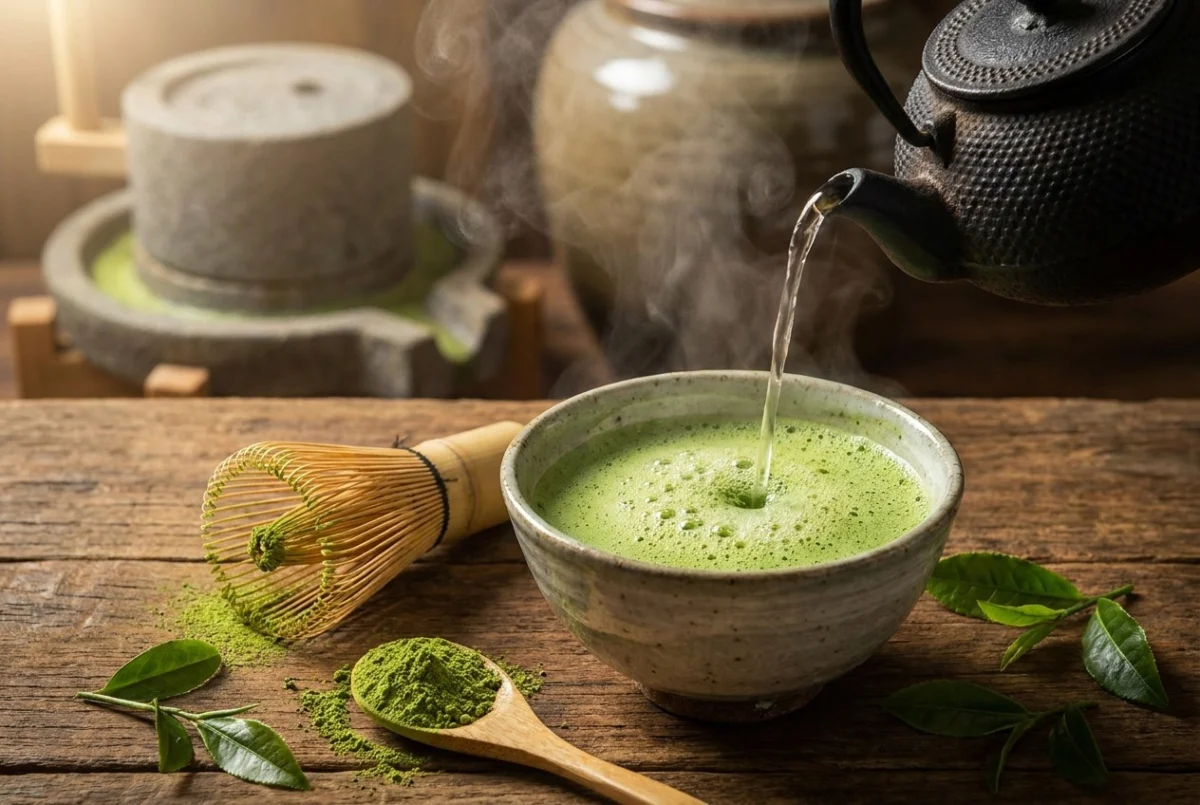
As the global obsession with caffeine shows no signs of waning, a growing segment of the population is pivoting away from the jittery intensity of espresso and toward a more nuanced, centuries-old alternative: matcha. Once confined to the austere, quiet halls of Zen Buddhist temples, this vibrant, finely milled green tea powder has surged into the mainstream, marketed as a "cleaner" energy source.
However, as reported in The Epoch Times on October 26, 2026, the shift to matcha is not merely a change in beverage choice—it is a lesson in quality, preparation, and biological response. For those accustomed to the automated simplicity of a coffee machine, matcha demands a different kind of engagement, one that rewards the curious and the careful.
Main Facts: The Anatomy of a Superfood
Unlike standard green tea, where leaves are steeped and then discarded, matcha represents the consumption of the entire leaf. By whisking stone-ground powder directly into water, the drinker consumes the full nutritional payload of the Camellia sinensis plant. This distinction is critical to understanding its profile.
Matcha is uniquely rich in polyphenols—most notably epigallocatechin gallate (EGCG)—and the amino acid L-theanine. According to registered dietitian Asako Miyashita, this whole-leaf delivery system provides a significantly higher concentration of antioxidants compared to traditional steeped teas. When combined with naturally occurring caffeine, the L-theanine creates a pharmacological synergy: it works to temper the "fight-or-flight" response often associated with coffee, resulting in a state of "relaxed alertness."
Chronology: From Zen Rituals to Modern Kitchens
The journey of matcha is deeply historical, anchored in the spiritual practices of the East.
- 1191 AD: The Buddhist monk Eisai returned from China to Japan, bringing with him not only tea seeds but the methodology for preparing powdered tea. This act laid the foundation for the Japanese tea ceremony (chanoyu).
- 12th–16th Century: Matcha became a cornerstone of Zen Buddhism, utilized as a tool to maintain focus during long sessions of meditation.
- The Modern Era: While it remained a niche cultural artifact for centuries, the early 2020s saw a meteoric rise in matcha’s popularity in the West, driven by health-conscious consumers seeking to move away from the high-acidity, high-caffeine crash associated with mass-market coffee.
- 2026: Matcha has cemented its status as a sophisticated lifestyle staple, with research increasingly focusing on its cognitive and metabolic benefits.
Supporting Data: The Science of Focus
The physiological impact of matcha is a subject of ongoing nutritional research. A 2025 study highlighted that the combination of L-theanine and caffeine provides modest, measurable improvements in attention tasks and mood regulation.
Caffeine functions by blocking adenosine receptors in the brain, the chemical messengers that signal sleepiness. However, where coffee acts as a blunt instrument, matcha’s L-theanine promotes alpha brain waves, which are associated with a calm, meditative state.
Regarding dosage, a 2020 review provides a roadmap for the modern consumer: a single gram of high-quality matcha contains between 19 and 44 milligrams of caffeine. A standard 2-gram serving—typical for a morning cup—delivers roughly 38 to 89 milligrams of caffeine. To put this in perspective, an average 8-ounce cup of coffee contains approximately 95 to 100 milligrams. For most healthy adults, staying within the recommended 400-milligram daily limit is easily achievable with matcha, though individual sensitivity remains the primary factor in determining a "safe" dose.
Official Responses and Expert Guidance
Registered dietitian Asako Miyashita emphasizes that the marketplace is currently flooded with low-quality products. For the uninitiated, identifying "true" matcha can be daunting.
The Quality Checklist
Miyashita warns that digital marketplaces are often deceptive. High-quality matcha should possess a vibrant, almost electric green hue. A dull, olive, or yellowish color is a red flag, indicating that the tea has oxidized or is past its peak freshness. Furthermore, the scent should be evocative of the earth—grassy, vegetal, or reminiscent of fresh seaweed.
"The term ‘ceremonial grade’ is largely a marketing construct," Miyashita notes. It is not a legally regulated term, and it does not guarantee purity or superior nutritional content. Consumers are better served by investigating the provenance:
- Harvest Date: Freshness is paramount.
- Processing: Look for shade-grown leaves that have been de-veined and de-stemmed.
- Third-Party Testing: Given that tea plants can absorb minerals from the soil, reputable suppliers should provide certification regarding heavy metal and pesticide residue levels.
Implications: The Ritual of Preparation
Perhaps the most significant barrier to matcha adoption is the learning curve of preparation. Unlike coffee, which is forgiving of temperature extremes, matcha is temperamental.
The Thermal Threshold
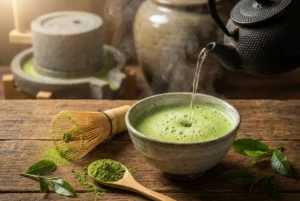
Miyashita advises that water temperature should never exceed 170°F (77°C). Water that is too hot "scalds" the delicate powder, drawing out bitter tannins that ruin the flavor profile.
Styles of Consumption
- Usucha (Thin Tea): The most common method, using 2 grams of powder whisked into 2 ounces of water. This creates a frothy, bright, and light beverage.
- Koicha (Thick Tea): A more intense, concentrated experience using 4 grams of powder in just 1 ounce of water. This is traditionally reserved for high-quality leaves that are naturally sweeter.
- The Modern Latte: To bridge the gap for coffee drinkers, many turn to the matcha latte. The critical rule, according to Miyashita, is to "pre-mix." The powder must be whisked into a small amount of warm water until it forms a perfectly smooth paste before any milk—dairy or plant-based—is introduced. Failure to do this results in clumpy, unappealing drinks.
The Cultural Philosophy
While one does not need to master the rigorous etiquette of the Japanese tea ceremony to enjoy a morning cup, there is an inherent philosophy of mindfulness involved. Japanese tea master Yoshitsugu Nagano describes the act of preparing matcha as a "training ground for social interaction."
The ritualized movements—the deliberate whisking, the focus on temperature, the aesthetic appreciation of the bowl—serve as a meditative counterpoint to the hurried, "grab-and-go" culture of modern life. For the individual, this practice fosters gratitude and presence, transforming a simple beverage into an act of self-care.
Conclusion: A Sustainable Habit
As matcha continues its trajectory as a prominent coffee alternative, the path forward for consumers is one of education. By moving away from generic labels and toward high-quality, ethically sourced powder, and by embracing the ritual of preparation, individuals can move past the temporary jolt of caffeine. Instead, they can embrace a sustained, nuanced energy that honors both the biological needs of the body and the ancient traditions of the past.
Whether one is looking to reduce their coffee intake or simply seeking a more refined daily ritual, matcha offers a compelling, time-tested solution. As Miyashita and Nagano both suggest, the secret to a great cup of matcha is not just in the ingredients, but in the attention paid to the process itself.