




Date: November 7, 2026
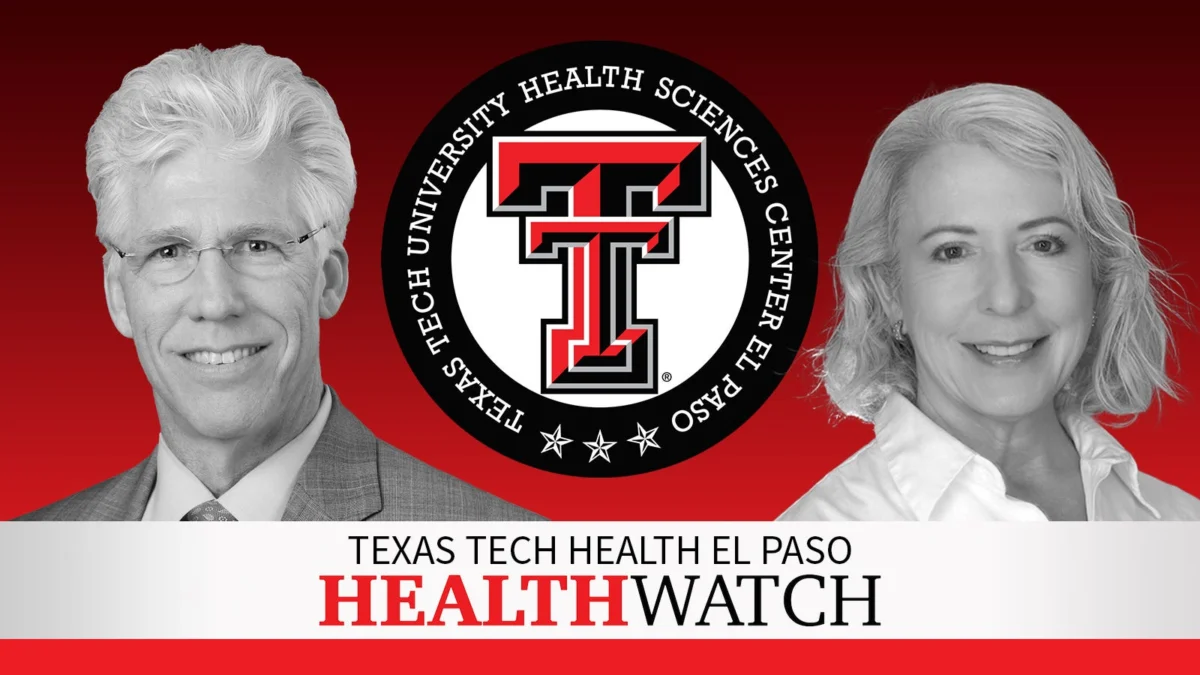
Host Perspectives: Elizabeth Tracey (Johns Hopkins Medicine) & Rick Lange, MD (Texas Tech Health El Paso)
In the rapidly evolving landscape of 21st-century medicine, the ability to tailor treatments to individual biological markers is moving from an aspirational goal to clinical reality. This week, TTHealthWatch, the flagship podcast from Texas Tech University Health Sciences Center in El Paso, breaks down the latest medical headlines—ranging from the potential to spare breast cancer patients from toxic chemotherapy to the use of synthetic psychedelic agents in treating refractory depression.
Main Facts: The Four Pillars of Current Clinical Inquiry
This week’s medical discourse centers on four distinct areas of advancement, each challenging established clinical paradigms:
- Cardiac Intervention: Assessing whether non-invasive CT angiography (CTA) can safely guide cardiac stent placement, potentially replacing more invasive intravascular ultrasound (IVUS).
- Mental Health: Evaluating the efficacy of intranasal mebufotenin—a synthetic psychedelic derived from toad venom—in patients with treatment-resistant depression.
- Orthopedic Management: Examining the controversial use of high-volume corticosteroid injections for Achilles tendinopathy, a condition affecting approximately one in 13 people.
- Oncology: Investigating “de-escalation” strategies in HER2-positive early breast cancer, where PET imaging and circulating tumor DNA (ctDNA) markers may allow some patients to forgo chemotherapy entirely.
Chronology of Scientific Developments
Cardiac Stent Placement: Efficiency vs. Precision
The New England Journal of Medicine recently published an international randomized non-inferiority trial involving 1,100 patients. Traditionally, clinicians rely on intravascular ultrasound (IVUS) during percutaneous coronary intervention (PCI) to ensure stents are placed optimally. However, the study sought to determine if pre-procedure CT angiography—a non-invasive method—could provide sufficient guidance.
The results were compelling: at 12 months, the rate of "target vessel failure" was 4.1% for the CTA-guided group compared to 4.6% for the IVUS-guided group. The findings suggest that CTA is non-inferior to invasive imaging, potentially simplifying the procedure, though radiation exposure remains a factor that necessitates careful clinical judgment.
Psychedelic Medicine for Treatment-Resistant Depression
Published in JAMA, the study on mebufotenin offers a glimpse into a new psychiatric armamentarium. Patients aged 18–75 with moderate to severe depression, who had failed two to five prior treatments, were given a single intranasal dose of the drug alongside psychological support.
Key data points included a 35% response rate in the 8 mg group and a 34% response rate in the 12 mg group at 29 days. Notably, patients could be discharged just two hours post-administration, a significant logistical advantage over other therapies like ketamine or psilocybin, which often require longer monitoring periods.
Achilles Tendinopathy: The Injection Dilemma
In a study covered by The BMJ, researchers addressed the prevalence of Achilles tendinopathy. With nearly 50% of patients failing to see improvement through exercise alone, many turn to high-volume saline injections with or without corticosteroids.
The findings were sobering: there were no statistically significant differences between sham injections and high-volume injections over a one-year follow-up period. While steroids provided initial, short-term relief, they were followed by a rapid decline. The study concluded that patience and conservative management (exercise and anti-inflammatories) remain the gold standard, as natural resolution often takes three to six months.
De-escalating Breast Cancer Treatment
Nature Medicine highlighted a phase II trial exploring whether HER2-positive breast cancer patients can skip chemotherapy. By using FDG-PET imaging and monitoring circulating tumor DNA (ctDNA) after two cycles of initial therapy, clinicians identified a cohort of patients who responded solely to HER2-targeting antibodies (trastuzumab and pertuzumab).
At a 5.6-year follow-up, invasive disease-free survival was nearly 90%, with only one distant recurrence observed in the high-response group. This suggests that biological monitoring could soon replace the "one-size-fits-all" chemotherapy approach for early-stage patients.
Supporting Data and Comparative Analysis
| Study Area | Key Finding | Clinical Implication |
|---|---|---|
| Cardiac Stents | CTA non-inferior to IVUS | Reduces reliance on invasive imaging |
| Depression | 35% response at 29 days | Faster, outpatient-friendly psychedelic therapy |
| Achilles Tendon | Injections show no long-term benefit | Reaffirms focus on physical therapy |
| Breast Cancer | ~33% responded to antibodies alone | Avoids unnecessary chemotherapy toxicity |
Official Perspectives and Expert Commentary
Dr. Rick Lange on Procedural Innovations
Dr. Lange, President of Texas Tech Health El Paso, emphasizes that while the cardiac imaging results are promising, they are currently limited to elective procedures. "You don’t really have all the data until you’re in the middle of the procedure," he notes, cautioning that while CTA is efficient, it does not entirely eliminate the need for the clinical expertise required during active intervention.
Regarding Achilles tendinopathy, Dr. Lange points out a peculiar finding: despite the lack of long-term difference, the steroid injection group was deemed "cost-effective" because patients were able to return to work faster during the initial window of efficacy. However, he warns that clinicians must manage patient expectations, as recovery remains a lengthy process.
Elizabeth Tracey on the Future of Cancer Diagnostics
Elizabeth Tracey, a veteran medical journalist, posits that the integration of ctDNA monitoring will eventually revolutionize oncology. "I’m going to go out on a limb," she suggests, "and prognosticate that at some point, circulating tumor DNA will supplant imaging." She argues that while imaging often misses metastatic clusters in difficult-to-visualize areas, blood-based biomarkers provide a more sensitive, continuous "liquid biopsy" of a patient’s systemic disease status.
Implications for Future Clinical Practice
The common thread connecting these disparate studies is the movement toward precision and minimization. Whether it is reducing the toxicity of cancer treatment, shortening the recovery time for psychiatric interventions, or simplifying diagnostic pathways in cardiology, the medical field is increasingly prioritizing patient quality of life.
1. Shift Toward Biological Monitoring
The success of the HER2-positive breast cancer trial suggests that the future of oncology lies in real-time molecular monitoring. By adapting treatment based on how a tumor responds to initial targeted therapy, clinicians can spare patients the debilitating side effects of systemic chemotherapy.
2. Psychedelics as Practical Tools
The research into mebufotenin indicates that if psychedelic-assisted therapy is to move into the mainstream, it must solve the "logistics problem." By reducing the required observation time from 8–12 hours to 2 hours, this treatment moves closer to being a viable, scalable option for the millions suffering from treatment-resistant depression.
3. Re-evaluating "Standard" Orthopedic Care
The findings on Achilles tendinopathy serve as a reminder that "common" interventions—like high-volume injections—require the same level of rigorous evidence-based scrutiny as pharmaceutical drugs. When evidence suggests that traditional physical therapy is as effective as more invasive procedures, the clinical imperative is to favor the less risky option.
4. Integrating Technology and Accessibility
The cardiac study highlights a broader trend in medicine: the migration of diagnostic data from the operating room to the pre-operative planning phase. By leveraging pre-existing technology like CTA, healthcare systems can potentially reduce the cost and duration of complex procedures without compromising safety or clinical outcomes.
As TTHealthWatch continues its weekly analysis, the takeaway for both providers and patients is clear: medicine is becoming more targeted, less invasive, and increasingly reliant on the synergy between advanced imaging and molecular diagnostics. The challenge moving forward will be ensuring these high-tech interventions are accessible and cost-effective for the broader patient population.