








By Sree Roy
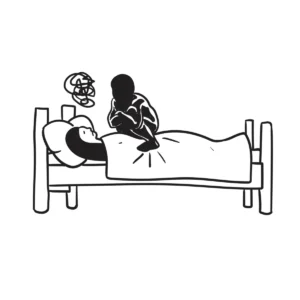
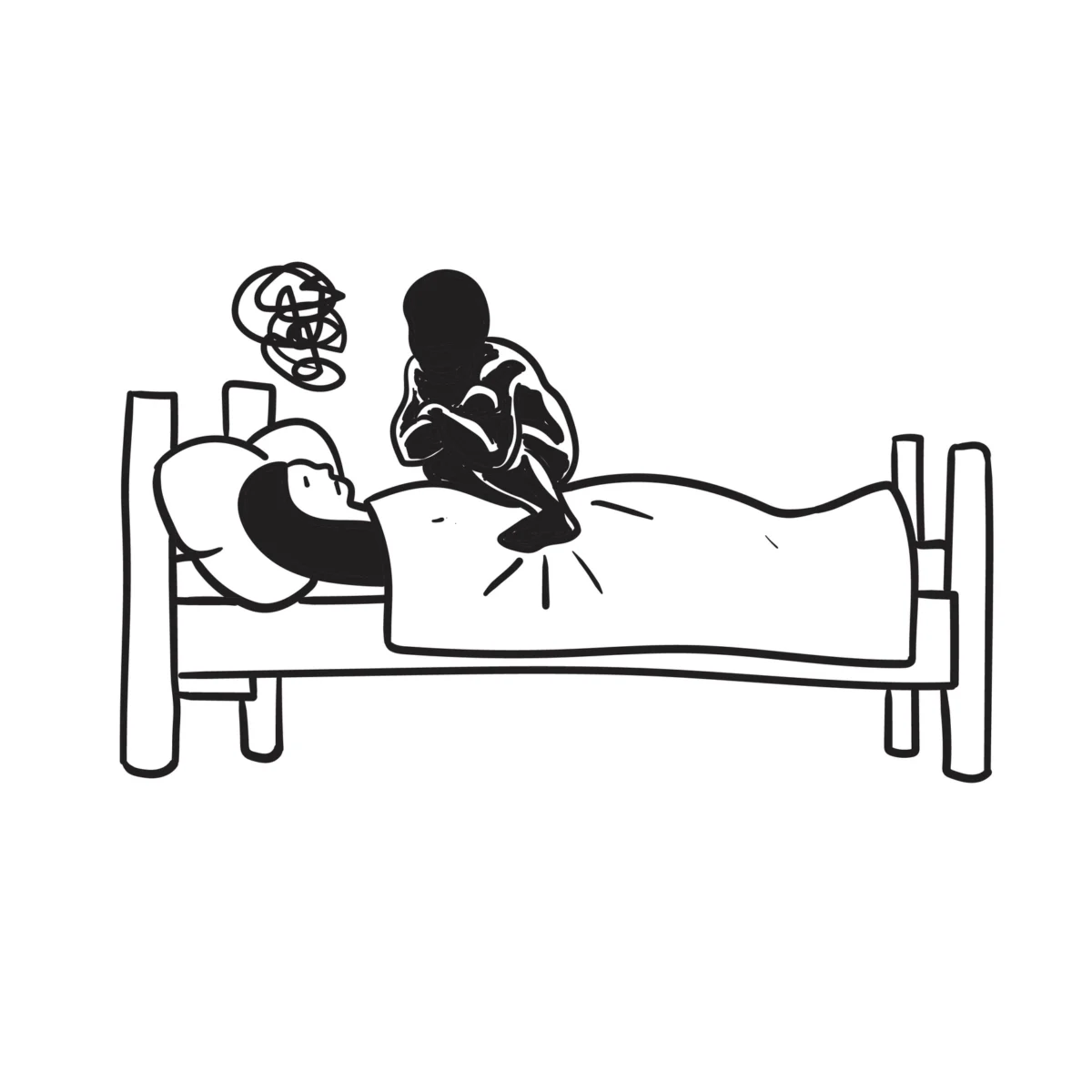
For many, the experience is chillingly visceral: a sudden, terrifying awakening where the mind is fully alert, but the body remains trapped in an iron-clad state of total immobilization. This phenomenon, known as sleep paralysis, is often accompanied by vivid, nightmarish sensory hallucinations—the feeling of a presence in the room, crushing weight on the chest, or unsettling auditory disturbances.
In the digital age, a quick internet search following such an episode frequently leads patients to a startling, self-diagnosed conclusion: narcolepsy. While narcolepsy is one of the most widely recognized terms in sleep medicine, it remains profoundly misunderstood by the general public. For the clinical community, the challenge lies in separating transient, benign instances of sleep paralysis from the complex, life-altering neurological reality of narcolepsy. As medical experts emphasize, while sleep paralysis can be a hallmark symptom of narcolepsy, it possesses zero diagnostic specificity in isolation.
Main Facts: The Physiology of a Frozen State
At its core, sleep paralysis is not a mysterious ailment, but rather a hiccup in the brain’s transition between wakefulness and REM (rapid eye movement) sleep. During normal REM sleep, the brain actively inhibits motor neurons, effectively paralyzing the skeletal muscles to prevent individuals from physically acting out their dreams.
“During REM sleep, the brain normally switches off most voluntary muscle movement so we do not physically act out our dreams,” explains Dr. Muhammad Qasim, a pulmonology and respiratory specialist. “In sleep paralysis, awareness returns before that muscle paralysis has fully switched off.”
This "lingering REM physiology" typically lasts from several seconds to a few minutes. While the sensation of being unable to move or speak is profoundly distressing, it is generally considered physiologically harmless. However, when these episodes become frequent, the diagnostic focus must shift from the paralysis itself to the broader clinical picture.
“Sleep paralysis by itself is not a sign of narcolepsy,” says Dr. Michael Todd, a sleep neurologist at Florida Medical Clinic Orlando Health. “It is a feature or a symptom that patients with narcolepsy can have. But independent of the other narcolepsy symptoms, it itself does not indicate narcolepsy. It doesn’t indicate a higher risk for narcolepsy.”
Chronology and Patterns: When to Be Concerned
While the occasional episode of sleep paralysis is a common, often benign human experience, clinicians look for specific chronological patterns that signal potential underlying pathology.
Behavioral sleep medicine specialist Dr. Shelby Harris, PsyD, notes that the "wider clinical picture" is what distinguishes a transient stress response from a chronic disorder. “Frequent, recurring episodes raise my suspicion far more than rare or isolated ones,” she says. “So do episodes at sleep onset rather than only upon waking, onset in the teens or twenties around the same time daytime sleepiness began, and vivid dreamlike hallucinations while falling asleep or waking up.”
The Age of Onset
Narcolepsy typically manifests during adolescence or early adulthood. When a patient presents with recurrent episodes of sleep paralysis that first surfaced during this developmental window, it warrants a deeper investigation. According to Dr. Taruj Ali, medical director of sleep at Mary Washington Health System, the age of onset and the pattern of symptoms are critical data points. “Narcolepsy often begins in adolescence or young adulthood, so recurrent symptoms starting in that window raise my attention,” Dr. Ali notes.
Supporting Data: Prevalence vs. Rarity
To understand why a clinical differential is so vital, one must look at the statistical chasm between isolated sleep paralysis and narcolepsy.
- Prevalence of Sleep Paralysis: Systematic reviews suggest that approximately 7.6% of the general population will experience at least one episode of sleep paralysis. This figure climbs significantly in specific cohorts, reaching 28.3% among students and 31.9% among psychiatric patients, often linked to sleep deprivation, irregular schedules, and high stress.
- The Rarity of Narcolepsy: In contrast, narcolepsy is a rare neurological disorder. Recent studies estimate its prevalence at approximately 37.7 per 100,000 individuals, or roughly 0.0377% of the population.
The sheer disparity in these numbers serves as the primary reassurance for clinicians to offer patients. Because the vast majority of people experiencing sleep paralysis are simply sleep-deprived or suffering from disrupted circadian rhythms, labeling them with a rare neurological disorder is both clinically inaccurate and emotionally damaging.
Official Perspectives: The Primacy of Daytime Sleepiness
When assessing a patient for narcolepsy, the medical community maintains a unified front: if excessive daytime sleepiness (EDS) is absent, a diagnosis of narcolepsy is effectively ruled out.
“The main symptom of narcolepsy is excessive daytime sleepiness, in spite of having sufficient nighttime sleep,” says Dr. Scott Nass, a family medicine physician at SwiftCareMD. “Many patients experience difficulty staying awake for their jobs, school, conversation with others, or while driving. In addition, some people with narcolepsy have described short periods of time when they fall asleep without being able to stop it.”
Dr. Todd echoes this sentiment with clinical finality: “If you’re screening someone for narcolepsy, the key feature is excessive daytime sleepiness. Without excessive daytime sleepiness, there is no narcolepsy.”
Ruling Out Confounding Factors
Before assuming a narcolepsy diagnosis, clinicians are tasked with investigating other, more common culprits of daytime fatigue. Poor sleep hygiene, untreated obstructive sleep apnea (OSA), chronic anxiety, and post-traumatic stress disorder (PTSD) are all frequent drivers of both daytime sleepiness and disrupted sleep-wake cycles.
“Screen for all of those things,” Dr. Todd advises, “because those things are much more likely to lead to sleep paralysis than narcolepsy.”
Implications for Clinical Practice
For primary care providers and non-sleep specialists, the goal is to filter the "worried well" from patients who require urgent specialist intervention.
The Screening Toolkit
Clinicians can employ a targeted, two-pronged screening approach before requesting specialized polysomnography:
- Objective EDS Assessment: Move beyond the subjective question, "Are you tired?" Instead, ask specifically about unintentional sleep. "Do you fall asleep during meetings, during conversations, or while driving?"
- Cataplexy Inquiries: Cataplexy—a sudden loss of muscle tone triggered by strong emotions like laughter or surprise—is a highly specific indicator of narcolepsy. Because patients rarely volunteer this information, clinicians must specifically ask about it.
The Referral Trigger
If a patient reports recurrent sleep paralysis alongside persistent daytime sleepiness, suspected cataplexy, or severely disrupted nocturnal sleep, a referral to a sleep specialist is mandatory.
The standard diagnostic pathway for narcolepsy is rigorous, involving:
- Overnight Polysomnography (PSG): To monitor brain waves, eye movements, and muscle tone, and to rule out other sleep disorders like sleep apnea.
- Multiple Sleep Latency Test (MSLT): A follow-up nap study conducted the day after the PSG to measure how quickly the patient falls asleep and how rapidly they enter REM sleep.
Conclusion: A Balanced Clinical Approach
The intersection of sleep paralysis and narcolepsy is a prime example of the need for medical nuance. By approaching the patient with a balanced perspective—reassuring the majority who experience isolated, stress-induced sleep paralysis while maintaining a high index of suspicion for the distinct, combined symptom clusters of narcolepsy—clinicians can navigate the differential diagnosis effectively.
As Dr. Ali concludes, "The first thing I tell patients is not to panic. Sleep paralysis on its own is common and usually benign. What matters is the company it keeps, whether it occurs alongside other symptoms, especially significant daytime sleepiness."
By centering the patient’s clinical experience within this broader framework, practitioners can prevent the anxiety of a misdiagnosis and ensure that those truly suffering from narcolepsy receive the specialized, evidence-based care they require.