





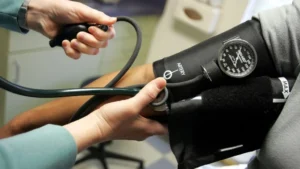



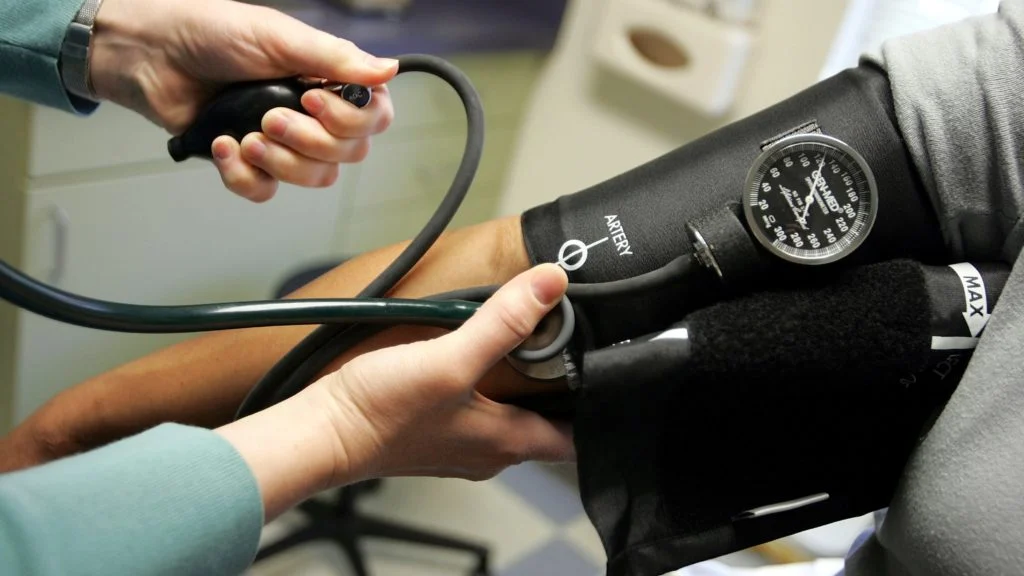
CHICAGO — Hypertension, long dubbed the “silent killer,” remains one of the most formidable adversaries in global public health. While medical science has made significant strides in pharmaceutical intervention, the condition continues to disproportionately affect individuals with complex comorbidities, particularly those managing type 2 diabetes or those who have previously suffered a stroke.
At the recent American Heart Association (AHA) scientific sessions in Chicago, a series of pivotal studies presented a new, nuanced roadmap for blood pressure management. By challenging long-held assumptions regarding treatment thresholds and the timing of pharmaceutical intervention, these findings suggest that the future of cardiovascular health may lie in more aggressive, personalized, and interdisciplinary approaches.
Main Facts: The Evolving Landscape of Blood Pressure Control
The core of the recent discourse at the AHA sessions revolved around three distinct clinical trials: the REDUCE trial, the OPTIMAL-STROKE study, and the OPTIMAL-DIABETES trial. Each study sought to answer a fundamental question: Can we achieve better cardiovascular outcomes by pushing blood pressure targets lower than currently recommended, or by introducing established medications earlier in the care continuum?
The consensus among researchers is clear: current blood pressure management, particularly in the post-stroke window, is often suboptimal. Despite guidelines identifying hypertension as the single most important modifiable risk factor for recurrent stroke, one-third of stroke survivors fail to meet target blood pressure levels. Furthermore, data indicates that approximately 20% of stroke survivors discontinue their antihypertensive medications within a year of their event.
The presented studies suggest that the "one-size-fits-all" approach to hypertension is becoming increasingly untenable. Instead, the medical community is moving toward a strategy that balances the benefits of aggressive blood pressure reduction with the realities of patient adherence, renal health, and specialty-based care fragmentation.
Chronology: A Series of Breakthroughs and Inquiries
The journey toward these findings began with a recognition of the gap between clinical theory and real-world outcomes.
- Early 2026 (The REDUCE Trial): Led by Dr. Jordana Cohen of the Perelman School of Medicine at the University of Pennsylvania, this trial sought to test the efficacy of spironolactone—a low-cost, widely available diuretic—in the immediate aftermath of a stroke. Traditionally, spironolactone is reserved as a "fourth-line" treatment, prescribed only after other therapies have failed. The REDUCE trial challenged this hierarchy by administering it early in the post-stroke recovery phase.
- The OPTIMAL-STROKE Trial (Published in the New England Journal of Medicine): Conducted in Brazil and led by Dr. Gisele Sampaio, this landmark study sought to determine if "intensive" management (aiming for a systolic target of 120 mm Hg or lower) was superior to the "standard" target of 140 mm Hg. The study followed patients over a four-year period, tracking major adverse cardiovascular events (MACE).
- The OPTIMAL-DIABETES Trial (Published in the New England Journal of Medicine): Led by Dr. Karla Santo of Einstein Hospital Israelita, this trial mirrored the methodology of the stroke study but focused exclusively on patients with type 2 diabetes. The goal was to see if the aggressive 120 mm Hg target would provide the same protective cardiovascular benefits seen in other high-risk cohorts.
Supporting Data: Examining the Outcomes
The data provided by these trials offers a complex picture of modern hypertension management.
The Power of Spironolactone
The REDUCE trial’s findings were particularly promising. By introducing a common, inexpensive diuretic shortly after a stroke, researchers observed that patients were significantly more likely to reach a blood pressure reading of less than 130/80 mm Hg after three months.
Dr. Cohen noted that while the trial was designed to measure blood pressure reduction rather than long-term clinical events, the implications are substantial. "When blood pressure goes down by as little as 7 mm Hg, that reduction is associated with a 38% lower risk of recurrent stroke," she explained. The affordability and familiarity of spironolactone make this a highly scalable intervention, provided clinicians are willing to adjust their treatment timelines.
The “How Low Should We Go?” Debate
The OPTIMAL-STROKE study provided strong evidence for intensive blood pressure control. Patients aiming for a systolic goal of 120 mm Hg experienced a statistically significant reduction in death, heart attacks, strokes, and hospitalizations for heart failure or chest pain compared to the 140 mm Hg group.
However, this intensive approach is not without its caveats. Dr. Otavio Berwanger of Imperial College London, chair of the OPTIMAL steering committee, emphasized that such aggressive management requires rigorous medical supervision. While the trial found no increased risk of end-stage renal disease or mortality, there were notable shifts in electrolyte levels and markers of renal function, necessitating careful monitoring.
The Diabetes Paradox
In contrast, the OPTIMAL-DIABETES trial yielded neutral results. Targeting a systolic pressure of less than 120 mm Hg in diabetic patients did not show a reduction in major cardiovascular events compared to the 140 mm Hg target. This finding underscores the uncertainty that still plagues the treatment of hypertensive diabetic patients, suggesting that the physiological drivers of cardiovascular disease in this group may require a different therapeutic focus than in stroke survivors.
Official Responses: Expert Perspectives and Nuance
The expert panel at the AHA sessions, including Dr. Bruce Ovbiagele of the UCSF Weill Institute for Neurosciences and Dr. Shawna Nesbitt of UT Southwestern Medical Center, provided critical context to these findings.
Dr. Ovbiagele praised the use of spironolactone, calling it a "wonderful notion" due to the drug’s accessibility. He highlighted the urgent need to address the high rate of medication discontinuation among stroke survivors, suggesting that simple, affordable, and recognizable regimens might improve patient compliance.
Dr. Nesbitt, however, urged caution against over-generalizing the results. She pointed to the inherent biological differences between genders, age groups, and patients with varying comorbidities. "I think it very strongly suggests that this trial supports rather than rebukes what we have seen in other trials," Dr. Nesbitt said. "We might begin to think about blood pressure treatment in a more nuanced way. We’ve been lumping patients together in a way that may not necessarily always be advantageous."
Implications: The Structural Challenges of Modern Medicine
Perhaps the most significant takeaway from the AHA sessions was not just the what of blood pressure treatment, but the how.
The Problem of Fragmentation
The U.S. healthcare system faces a structural hurdle in implementing these findings. As Dr. Ovbiagele noted, post-stroke care is notoriously fragmented. A patient might move from the acute care of a neurologist to the outpatient setting of a primary care physician, potentially seeing a nephrologist if kidney function markers fluctuate. This transition creates a "responsibility vacuum," where no single clinician takes ownership of long-term blood pressure management.
Shifting from "What" to "How"
Dr. Cheryl Bushnell of Wake Forest University synthesized the challenge during the briefing: "It’s not the what, but it’s the how." Clinicians have the data, the drugs, and the targets, but the execution of these intensive, multidisciplinary care plans remains incredibly difficult.
The findings suggest that to effectively treat hypertension in high-risk patients, the medical system must move toward integrated care models. This includes:
- Earlier Intervention: Utilizing effective, low-cost medications like spironolactone earlier in the treatment cycle.
- Specialty Collaboration: Creating pathways where cardiologists, neurologists, and primary care physicians share a single, unified blood pressure management goal.
- Individualized Targets: Recognizing that the "120 mm Hg" goal may be life-saving for a stroke survivor but neutral for a diabetic patient, requiring a shift toward precision medicine.
Conclusion: A New Era of Vigilance
The 2026 AHA scientific sessions have provided a vital service by clarifying the boundaries of aggressive hypertension management. While the journey toward the "ideal" blood pressure target continues, the medical community now has a clearer understanding of the tools at its disposal. Whether through the early adoption of diuretic therapy or the implementation of intensive systolic targets for stroke survivors, the path forward is one of increased vigilance, interdisciplinary cooperation, and a rejection of the status quo that has allowed the "silent killer" to claim so many lives.