






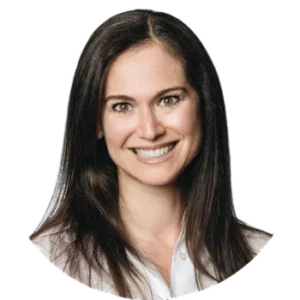



In the contemporary professional landscape, the traditional boundaries between personal life and career are dissolving. As October marks "Work-Family Month," the Caregiving Club On Air podcast has brought the critical issue of "lifespan caregiving" to the forefront of the corporate conversation. In Season 6, Episode 76, host Sherri Snelling sat down with Lindsay Jurist-Rosner, the Founder and CEO of Wellthy, to dissect the challenges, systemic gaps, and evolving solutions for the millions of Americans juggling professional responsibilities with the demands of caring for loved ones across the generational spectrum.
The Reality of Lifespan Caregiving: A Statistical Overview
The narrative of caregiving is often siloed into "childcare" or "eldercare." However, as Jurist-Rosner highlights, the modern reality is far more complex. We are currently witnessing the rise of the "lifespan caregiving" workforce—a demographic that spans from young parents to those caring for aging spouses, siblings, and parents.
Current data underscores the scale of this quiet crisis:
- The Elder Care Population: Over 63 million Americans are currently providing care for an adult family member.
- The Pediatric Burden: Roughly 72 million Americans are parents, with a staggering 1 in 6 parents currently managing the needs of a child with complex medical or developmental requirements.
- The Sandwich Generation Effect: Millions of workers find themselves trapped in the middle, managing both the demands of aging parents and the needs of their own children, often while attempting to maintain high-level career trajectories.
The acquisition of Cleo by Wellthy serves as a strategic milestone in this sector, signaling a shift toward holistic, "cradle-to-grave" support systems that employers are increasingly finding necessary to integrate into their benefits packages.
Chronology of a Shifting Workplace Paradigm
The conversation around workplace caregiving has undergone a rapid evolution over the last decade.
Phase 1: The Invisible Burden (Pre-2020)
For years, caregiving was considered a private matter. Employees largely kept their responsibilities hidden to avoid perceived biases regarding their productivity or commitment to their roles. Support was minimal, often relegated to basic Employee Assistance Programs (EAPs) that lacked the personalized navigation required for complex healthcare systems.
Phase 2: The Pandemic Catalyst (2020–2022)
COVID-19 forced the "caregiving closet" open. With schools and daycares closed and home-health support systems disrupted, the intersection of work and family life became impossible to ignore. Employers were forced to acknowledge that "productivity" was inextricably linked to the stability of an employee’s home environment.
Phase 3: The Era of Integrated Support (2023–Present)
We have now entered an era where caregiving benefits are no longer a "nice-to-have" perk but a competitive necessity for talent retention. Companies like Wellthy have become pivotal, acting as the "boots on the ground" for families who are overwhelmed by the administrative and emotional labor of navigating the healthcare, insurance, and long-term care systems.

The Role of Wellthy: Expert Navigation in a Broken System
During the Caregiving Club interview, Jurist-Rosner emphasized that the primary challenge for caregivers is not just time—it is the sheer complexity of the systems they must navigate. Whether it is fighting an insurance denial, coordinating a move to an assisted living facility, or finding specialized support for a child with complex needs, the "administrative burden" is a significant contributor to caregiver burnout.
Wellthy’s model provides professional care navigators who serve as a bridge between the family and the healthcare bureaucracy. This service is increasingly being offered as a premium corporate benefit, recognizing that a stressed caregiver is a distracted and eventually absent employee. By outsourcing the logistical heavy lifting, companies are effectively buying back their employees’ time and mental bandwidth.
Official Responses and Corporate Implications
The implications for employers are clear: the cost of inaction is high. High turnover, decreased productivity, and increased absenteeism are the direct results of an unsupported caregiving workforce.
The Business Case for Support
Managers and human resource departments are beginning to see the shift from a "benefits checklist" mentality to a "culture change" approach. According to research cited by the Caregiving Club:
- Retention: Providing tangible caregiving resources significantly lowers attrition rates.
- Productivity: When employees are equipped with back-up care and professional navigation, they are able to return to work faster and engage more deeply during work hours.
- Managerial Training: Organizations that train managers to identify and support caregivers see higher levels of loyalty and psychological safety within their teams.
The "Gen C" Continuum
Sherri Snelling’s work on the "Gen C" (Generation Caregiver) continuum suggests that caregiving is no longer a temporary life phase, but a permanent, fluid state for many. Companies that fail to adapt their policies to this reality—such as offering flexible scheduling, remote work options, and comprehensive care navigation—risk losing top talent to organizations that prioritize the "whole human" experience.
The "Caregiving Club" Milestone: A Platform for Advocacy
The Caregiving Club On Air podcast has recently been recognized as the #3 podcast in its category by Feedspot, highlighting the growing public appetite for actionable, expert-led advice on this topic. This success reflects the broader societal hunger for resources that move beyond generalities and into the mechanics of daily care.
To support this mission, the Caregiving Club has expanded its footprint. In addition to their podcast, they have launched the "Caregiving Club News" channel on YouTube. This platform aims to synthesize complex research, pop culture trends, and policy updates into accessible, bi-weekly segments. This move recognizes that the modern consumer of caregiving information needs multiple modalities—audio for the commute, video for visual instruction, and written resources for deep-dives.
Practical Resources for the Modern Caregiver
For those navigating the current landscape, the following resources remain essential:

- Wellthy: A leading platform for professional care coordination and navigation.
- The Elder Care Locator: A government-backed service (eldercare.gov) that remains the gold standard for finding local, vetted resources for older adults.
- "Self-Care in 7 Minutes": A video series by the Caregiving Club designed to provide bite-sized mental health breaks for the time-strapped.
- "Me Time Monday": Sherri Snelling’s book and workshop series, which provides a framework for caregivers to prioritize their own wellness—a critical component in avoiding the physical and mental health decline that often plagues the primary caregiver.
Conclusion: The Path Forward
The "Work-Family Month" of October serves as a poignant reminder that caregiving is the invisible infrastructure of our economy. As Lindsay Jurist-Rosner noted, the goal is to shift from a system that reacts to crises to one that proactively supports the lifespan needs of the workforce.
The future of business will be defined by how well companies integrate the reality of human interdependence into their operations. Whether through innovative technology, robust benefit packages, or a fundamental shift in workplace culture, the support of the family caregiver is not just a moral imperative—it is an economic necessity. As we move into the next decade, the companies that thrive will be those that view their employees not just as workers, but as the central, indispensable members of a family system that requires, and deserves, support.
For those looking to stay informed, the transition of the Caregiving Club news segments to YouTube and the continued accessibility of their podcast provide a vital lifeline in an increasingly complex world. The call to action is simple: subscribe, engage, and advocate for a workplace that recognizes that when we care for the caregiver, we are ultimately caring for the future of our workforce.