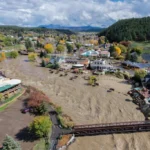







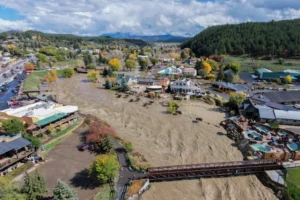


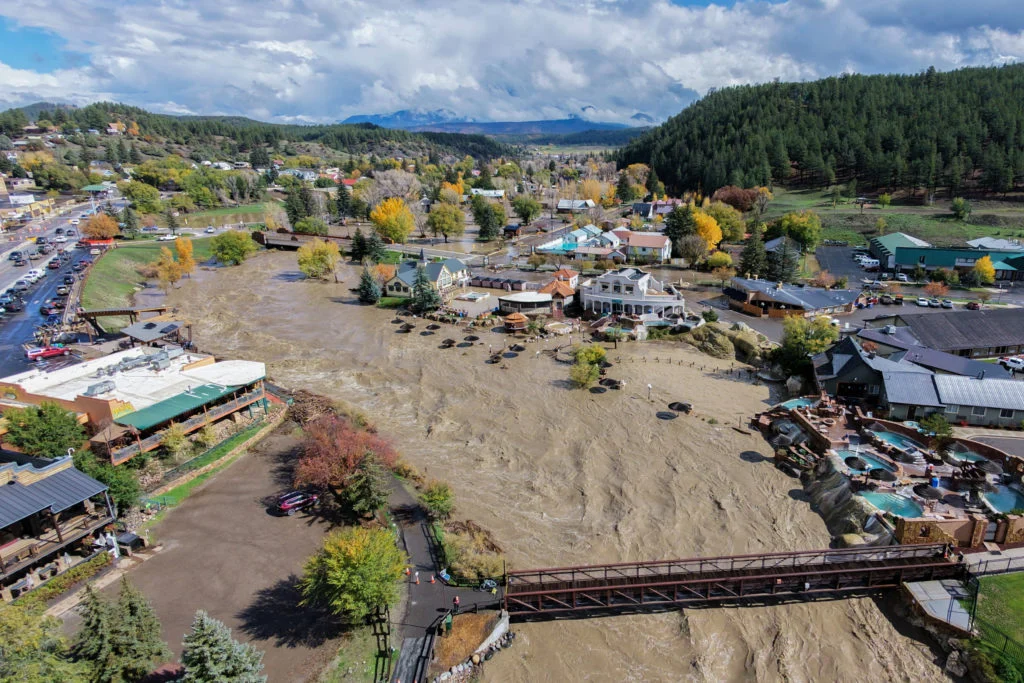
PAGOSA SPRINGS, Colo. — As millions of Americans headed to the polls for the 2026 midterm elections, a dual crisis of record-breaking precipitation and logistical upheaval gripped the nation. From the rugged, mud-slicked canyons of the Four Corners to the inundated coastal corridors of Florida, citizens were forced to navigate a landscape transformed by catastrophic flooding. The environmental disaster has not only displaced thousands but has also thrown the democratic process into a state of flux, forcing election officials to scramble to ensure that every vote is counted.
Main Facts: A Hydrological Catastrophe
The scale of the weather event is nothing short of historic. Over the past two weeks, a relentless atmospheric pattern has dumped an estimated 20 trillion gallons of water across the Four Corners region—comprising Colorado, New Mexico, Arizona, and Utah—as well as parts of Nevada. To put this into perspective, meteorologists and climate experts, including former NOAA chief scientist Ryan Maue, note that this volume is equivalent to the entire flow of Niagara Falls over a 10-month period.
The result has been a landscape of saturated soil, overflowing riverbanks, and widespread infrastructure collapse. While the skies began to clear on Tuesday, the receding water left behind a "filthy work of cleanup," as residents in tourist hubs like Pagosa Springs transition from emergency survival to the daunting reality of rebuilding.
The human toll has been severe. At least one confirmed fatality has been linked to the floodwaters, and authorities are investigating at least one additional weather-related death. In the Navajo Nation, the devastation has severed vital transportation links, leaving hundreds of voters effectively disenfranchised as they wait for authorities to find a way to navigate washed-out roads and bridge closures.
Chronology: The Road to the Deluge
The current crisis did not arrive in a single day; it is the culmination of two weeks of relentless, repetitive storm systems.
- Late October: The Southwest entered the current weather cycle with ground already saturated from a historically wet fall. When the first round of major storms hit, the earth had no remaining capacity for absorption, leading to immediate surface runoff.
- Early November: A second, more intense wave of storms exacerbated the existing saturation. Rivers and creeks, already near capacity, breached their banks, leading to the catastrophic flooding witnessed in northwestern New Mexico and southwestern Colorado.
- Election Day Eve: Residents in Shiprock and Farmington, New Mexico, braced for the worst as rivers approached critical crest levels. However, as of Tuesday morning, many rivers crested slightly lower than the most pessimistic forecasts, providing a sliver of relief to emergency responders.
- Election Day: As polls opened across the country, the focus shifted from emergency flood mitigation to the logistical nightmare of election administration. In Florida, an emergency declaration by Gov. Ron DeSantis preceded the relocation of at least 20 polling stations across eight counties.
Supporting Data: By the Numbers
The sheer volume of rainfall has rewritten local records and strained civil engineering beyond its intended design.
- Florida’s Inundation: In Brevard County, Florida, the rainfall totals reached staggering heights, with over 2 feet (61 centimeters) of rain recorded since Sunday. In Palm Beach County, the figure exceeded 20 inches (51 centimeters), turning parking lots into lakes and rendering hundreds of vehicles total losses.
- The Colorado Context: In Durango, Colorado, residents who were told they lived outside of flood zones found themselves with feet of water in their homes. Willow Bradner, a local resident, described her basement as a "soup bowl," highlighting the failure of existing flood mapping to account for these extreme, multi-day rainfall events.
- The Navajo Nation: The isolation of remote communities in Rock Point, Arizona, serves as a stark reminder of how geography dictates access to democracy. The destruction of a key bridge and the transformation of dirt roads into impassable mud bogs have left voters unable to reach the polls, highlighting a deep disparity in disaster recovery resources.
Official Responses and Administrative Hurdles
Government officials at the local, state, and federal levels are currently operating in a bifurcated capacity: managing disaster relief while simultaneously protecting the integrity of the vote.
Devin Neeley, a spokesperson for San Juan County, New Mexico, expressed cautious optimism regarding the receding water levels. "Now it’s a waiting game for the waters to recede," Neeley stated. The county is preparing to lift evacuation orders for approximately 20,000 residents, but the focus remains firmly on the long-term recovery of critical infrastructure.
In the electoral arena, the U.S. Postal Service and local poll workers are working overtime to bridge the gap. Alyssa Gallegos, a contract mail carrier in Colorado, described the grit required to ensure mail-in ballots reached their destinations. "Regardless if we’re in a crisis and having a hard time, the world doesn’t stop turning," she said. "They’re not gonna wait for us, so we just gotta stay with it."
However, for some, the intervention has been insufficient. Valinda Shirley, vice president of the Rock Point Chapter of the Navajo Nation, reported being inundated with texts from stranded voters desperate to cast their ballots. The inability to relocate polling stations quickly enough or provide alternative transport has left a palpable sense of frustration and systemic neglect among tribal members.
Implications: The High Cost of Recovery
The long-term implications of these floods extend far beyond the immediate election results. For towns like Pagosa Springs, which rely heavily on tourism centered around hot springs and river access, the economic blow is compounded by the physical destruction of their primary assets.
The Financial Burden
Many homeowners, like those in the Durango area, are discovering that their insurance policies—or lack thereof—do not cover the extent of the damage. With the majority of their household savings tied up in property, the path forward is murky. Experts warn that the 2026 floods will likely trigger a re-evaluation of flood zone maps and insurance premiums across the entire Southwest, potentially pricing out many middle- and lower-income families from the areas they have called home for generations.
The Vulnerability of Infrastructure
The collapse of walkways, bridges, and roads has laid bare the fragility of rural infrastructure in the face of increasingly erratic climate patterns. As cleanup begins, the debate over how to rebuild—and whether to rebuild in the same locations—is already taking shape. Engineers and urban planners are under pressure to design systems capable of handling "10-month" rainfall events that now occur in a matter of days.
Democracy in Crisis
The intersection of the election and this natural disaster serves as a grim stress test for American democracy. The need to balance public safety with the constitutional right to vote has forced officials into uncomfortable trade-offs. While many polling places were successfully moved, the "stranded voter" scenario in the Navajo Nation underscores the reality that for the most vulnerable populations, the barriers to entry in our democratic system are often physical, environmental, and deeply entrenched.
As the waters finally begin to recede, the nation is left with a sobering picture: a citizenry trying to perform its most fundamental civic duty while physically digging out from under the debris of a historic climate event. The cleanup of the mud-caked streets in Pagosa Springs and the counting of ballots across Florida and the Southwest will continue, but the memory of the 2026 floods will undoubtedly shape policy, infrastructure, and local politics for years to come.
For residents like Gallegos, whose family history in Pagosa Springs spans eight generations, the experience is transformative. Having seen her stepfather’s home swept off its foundation, she reflects the collective sentiment of the region: "My heart’s crushed. And it’s not just him, it’s all the people." The resilience of these communities will be tested in the weeks and months of recovery ahead, as the "waiting game" for the water to recede gives way to the arduous, expensive, and necessary work of starting over.