






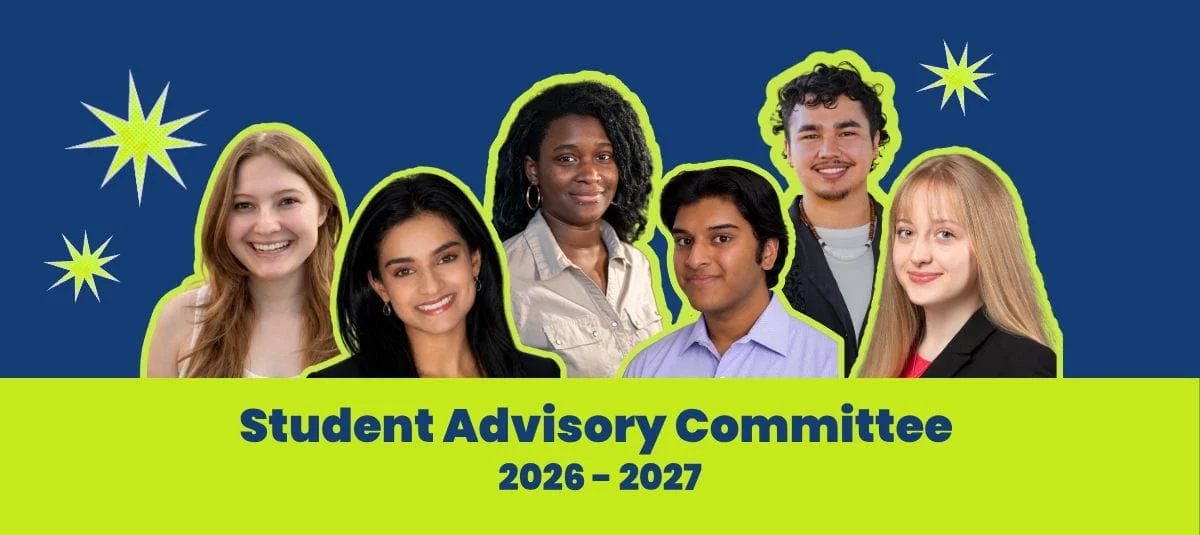
WASHINGTON, D.C. — As the national conversation surrounding youth mental health reaches a critical inflection point, Active Minds, the nation’s premier nonprofit organization supporting mental health awareness and education for young adults, has officially unveiled its Student Advisory Committee (SAC) for the 2026-2027 academic year.
Comprised of a diverse group of visionaries, researchers, and community organizers, the new SAC cohort represents the "student voice" at a national level. These young leaders are tasked with a dual mandate: to serve as the public face of Gen Z mental health activism and to provide high-level strategic counsel to Active Minds’ national staff. Their influence will be felt across program planning, chapter management, and the development of the organization’s landmark National Conference.
Main Facts: A Peer-Led Revolution in Mental Health
The Student Advisory Committee is not merely a ceremonial body; it is a functional advisory board that bridges the gap between administrative strategy and the lived experiences of students on the ground. The 2026-2027 cohort enters at a time when Gen Z is being recognized as the most "pro-mental health" generation in history, yet one that faces unprecedented challenges including climate anxiety, digital fatigue, and systemic inequities in healthcare access.
The committee’s responsibilities are comprehensive. Members advise on:

- Student Engagement: Developing strategies to reach marginalized and underrepresented student populations.
- Community Building: Fostering a sense of belonging across thousands of campus chapters.
- Policy Advocacy: Working with national staff to promote legislation that supports mental health resources in educational settings.
- Media Representation: Serving as spokespeople for the youth mental health movement in national news outlets and digital forums.
By centering youth voices, Active Minds ensures that its initiatives—ranging from suicide prevention to stress management—are culturally competent and resonant with the current student body.
Chronology: The Evolution of Student Advocacy
The formation of the 2026-2027 SAC cohort marks over two decades of growth for Active Minds, which was founded in 2003 by Alison Malmon after the tragic loss of her brother to suicide. What began as a single chapter has evolved into a massive network of more than 600 chapters across high schools and colleges.
- 2003–2010: Focus on breaking the silence and reducing the stigma surrounding mental illness on college campuses.
- 2011–2020: Expansion into policy work and the establishment of the Student Advisory Committee to ensure national initiatives remained student-led.
- 2021–2025: A shift toward "intersectionality," recognizing that mental health is deeply tied to race, gender identity, and socioeconomic status.
- 2026–2027: The current era, characterized by a "whole-person" approach where mental health is integrated with public health, technology, and community policy.
This year’s committee members reflect this evolution, with many pursuing dual degrees in science and public policy, signaling a new generation of "physician-advocates."
Profiles in Leadership: Meet the 2026-2027 Cohort
The selected members for this year’s committee bring a formidable array of academic achievements and grassroots experience.

Kailani Goggans: Bridging Medicine and Policy
A student at Salem College, Kailani Goggans is pursuing a dual focus in Psychological Science and Public Health. Her leadership extends beyond mental health; as President of Active Minds at Salem, she also leads "Students for Reproductive Freedom" and "Siblings Demand Justice." Goggans represents a growing trend of "intersectional activism," where mental wellness is seen as inseparable from social justice. Her ultimate goal is to obtain an MD and an MPH to influence community policy from within the medical establishment.
Dionisio (Dio) Taitano-Samora: Advocating for Equity
Representing Colorado State University Pueblo, Dionisio Taitano-Samora is a first-generation Chicano-CHamoru student. His work is rooted in the belief that the education system must be restructured to serve students of color more equitably. Taitano-Samora brings experience from "Young Invincibles" and "The Hub for Youth Centered Engagement." His future research will focus on the link between STEM education access and public health outcomes, aiming to dismantle the barriers that prevent marginalized students from entering high-impact fields.
Rhea Makkuni: The Intersection of AI and Mood Disorders
At Johns Hopkins University, Rhea Makkuni is exploring the technological frontier of mental health. Studying Molecular and Cellular Biology alongside Computer Science, she conducts research in the PALS Lab at the Johns Hopkins School of Medicine. Her work applies artificial intelligence to the study of mood disorders, seeking to find data-driven solutions to fragmented healthcare systems. As a Chapter President, Makkuni is focused on the "continuity of care"—ensuring that students don’t fall through the cracks of complex medical bureaucracies.
Amy Senkerik: From Clinical Practice to Global Advocacy
Amy Senkerik of Barrett, The Honors College at Arizona State University, is perhaps one of the most decorated advocates in the cohort. A Fulbright Scholar and EMT, Senkerik has conducted cancer-neuroscience research at the Mayo Clinic and Cedars-Sinai. Her advocacy is informed by high-stakes clinical experience, having spoken at the Active Minds Congressional Briefing. Her focus remains on suicide prevention and the integration of evolutionary medicine into global health policy.

Arjun Nair: Compassionate Care for Stigmatized Populations
Virginia Commonwealth University student Arjun Nair is focused on the "underserved among the underserved." Through the Guaranteed Medical Admissions Program, Nair is researching substance use disorders and HIV prevention. His goal is to foster "compassionate care" models that reduce the stigma associated with behavioral health and infectious diseases. As a member of the National Student Board, he aims to empower local chapters to become "mental health champions" in their immediate communities.
Ivanna Sintes-Klein: The Architect of Community Support
Ivanna Sintes-Klein, a student at The University of Texas at Austin, is a specialist in "peer support." After founding a successful mental health organization at Texas State University, she transitioned to UT Austin to lead "Teddy Bear Hospital USA," a non-profit that uses play to ease pediatric medical anxiety. Sintes-Klein’s work emphasizes the power of "shared burdens," training students in mental health first aid and creating spaces where asking for help is normalized.
Supporting Data: The Urgent Need for Youth Voice
The appointment of these leaders comes at a time of significant statistical concern regarding student well-being. According to the most recent "Healthy Minds Study," a comprehensive national survey of college students:
- 44% of students reported symptoms of depression.
- 37% reported experiencing anxiety disorders.
- 15% seriously considered suicide in the past year—the highest rate since the study began.
Furthermore, data from Active Minds’ own research indicates that 67% of students tell a friend they are struggling before they tell anyone else. This "peer-first" reality underscores why the SAC is so vital. By empowering student leaders, Active Minds is placing resources where students are most likely to seek them: within their own social and academic circles.

Official Responses: A Commitment to Youth-Led Change
Active Minds’ national leadership has emphasized that the SAC is essential for maintaining the organization’s relevance. In a statement regarding the new cohort, the organization noted:
"The Student Advisory Committee is an integral part of the mental health work being done by thousands of Gen Z activists across the country. Powered by youth and young adults, this cohort ensures that our programs are not just for students, but by students. Their expertise in public health, technology, and community care will be the driving force behind our 2026-2027 strategic goals."
The organization also highlighted the importance of the SAC in planning the National Conference, which serves as the largest gathering of student mental health advocates in the world. The SAC’s input ensures that the conference curriculum addresses the most pressing issues of the day, from the impact of social media algorithms on self-esteem to the unique challenges faced by first-generation college students.
Implications: The Future of the Healthcare Workforce
The profiles of the 2026-2027 SAC members suggest a significant shift in the future of the American healthcare and policy workforce. We are seeing a move away from "siloed" expertise toward a multidisciplinary approach:

- The Rise of the Physician-Advocate: Almost every member of the SAC intends to pursue a career in medicine while simultaneously holding a degree in Public Health or Public Policy. This suggests that the next generation of doctors will be as focused on systemic reform as they are on individual clinical outcomes.
- Technological Integration: Leaders like Rhea Makkuni represent a future where mental health treatment is augmented by AI and data science, potentially making care more personalized and accessible.
- Cultural Competency as a Standard: With leaders like Dionisio Taitano-Samora at the helm, the expectation for "health equity" is becoming a non-negotiable standard for the next generation of administrators.
Conclusion
The 2026-2027 Active Minds Student Advisory Committee represents more than just a group of high-achieving students; they are the architects of a new era in mental health. By blending academic rigor with a deep-seated passion for advocacy, these six individuals are poised to lead a national movement that views mental health not as a luxury, but as a fundamental human right.
As they begin their term, the message from Active Minds is clear: the future of mental health is in capable hands, and that future is student-led.
For those interested in collaborating with the Student Advisory Committee or learning more about campus advocacy, contact [email protected].