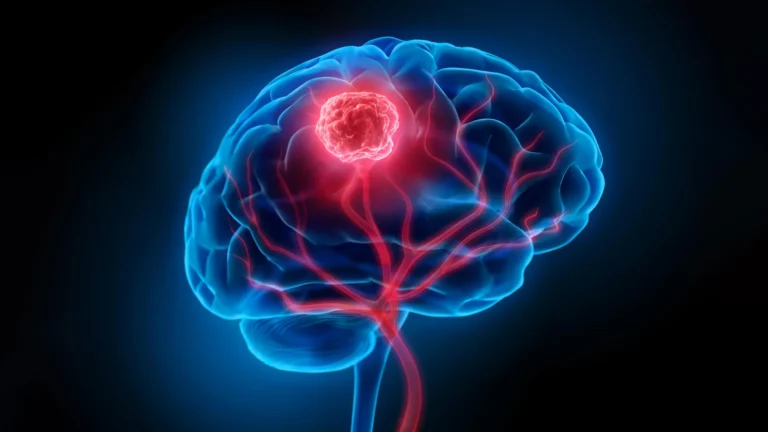












For many breast cancer survivors, the battle does not end when the final dose of chemotherapy is administered or the last radiation session concludes. While the medical community has made monumental strides in increasing survival rates, a silent, lingering adversary often emerges in the aftermath of treatment: "brain fog." Characterized by persistent memory lapses, profound difficulty concentrating, and a bone-deep exhaustion that defies rest, this cognitive impairment can derail the professional and personal lives of survivors for years.
Now, a beacon of hope has emerged from the UCLA Health Jonsson Comprehensive Cancer Center. Researchers have published promising early evidence suggesting that a naturally occurring molecule, oxaloacetate, may hold the key to alleviating these debilitating symptoms. This discovery, detailed in the journal JCO Oncology Advances, offers a potential therapeutic path for a condition that has long been dismissed as an unavoidable byproduct of cancer survival.
The Complexity of Post-Cancer Cognitive Impairment
The term "chemo brain" has become a shorthand for the cognitive fog experienced by cancer survivors, yet researchers caution that this label is overly simplistic. Statistics suggest that between 15% and 25% of breast cancer survivors struggle with ongoing cognitive deficits, but the etiology of these issues is rarely singular.
"Cancer-related cognitive impairment can persist long after treatment ends and can have a significant impact on a person’s daily life, yet we still have very few effective treatments for it," explains Dr. Patricia Ganz, the study’s first author and a distinguished professor of medicine at UCLA’s David Geffen School of Medicine and UCLA Fielding School of Public Health.
The biological roots of this impairment are multifaceted. The systemic stress of a cancer diagnosis, the neurotoxic effects of chemotherapy, the hormonal fluctuations caused by endocrine therapies, and chronic inflammation all converge to disrupt normal brain function. Scientists are increasingly looking at the interplay between these factors. Specifically, inflammation triggered by cancer treatments is believed to interfere with glutamate signaling—the "language" nerve cells use to communicate—and impede the mitochondria’s ability to generate cellular energy. When the brain’s energy production and communication networks are compromised, the result is the mental sluggishness and persistent fatigue so common among survivors.
The Role of Oxaloacetate: A Cellular Catalyst
The UCLA research team zeroed in on oxaloacetate, a metabolic intermediate that plays a vital role in the Krebs cycle, the process by which cells generate energy. Beyond its role in power production, oxaloacetate is a critical regulator of glutamate, helping to prevent the over-excitation of neurons that can lead to cell damage and cognitive decline.
The hypothesis was straightforward: if cancer treatment disrupts energy metabolism and neurotransmitter balance, could supplementing with a naturally occurring molecule like oxaloacetate "recharge" the brain’s internal environment? To test this, the research team transitioned from theoretical models to a human clinical trial.
Chronology of the Clinical Trial
The study, a phase II clinical trial, was designed to observe the effects of daily oxaloacetate supplementation over an eight-week period.
- Participant Profile: The researchers recruited 18 women who were between one and five years post-diagnosis for early-stage breast cancer. The average age of the participants was 50, and their treatment histories were representative of the challenges common to the cohort: most had undergone chemotherapy, and nearly 90% were currently navigating the cognitive side effects of long-term endocrine therapy.
- The Intervention: Participants were administered 500 milligrams of oxaloacetate twice daily for a duration of eight weeks.
- Monitoring and Assessment: The team employed a rigorous battery of assessments. Participants completed subjective questionnaires to track their own perception of memory, attention, and fatigue. Simultaneously, researchers utilized standardized objective cognitive tests designed to measure "executive function"—the mental capacity required to plan, organize, prioritize, and manage complex tasks.
- Safety Protocols: Given the nature of supplement trials, researchers closely monitored for gastrointestinal side effects, such as indigestion, nausea, or bloating, to ensure the supplement was well-tolerated.
Supporting Data: From Impairment to Normalcy
The results of the trial were statistically significant and, for many participants, life-changing. Of the 18 women who initiated the trial, 16 completed the full eight-week regimen. Without exception, every woman who finished the study reported a noticeable, often dramatic, improvement in her cognitive clarity.
The most striking evidence appeared in the "perceived cognitive impairment" scores. Before starting the supplementation, the cohort recorded an average score of 29.1, a figure indicative of significant cognitive struggle. Following the eight-week intervention, that average climbed to 55.5—a shift that moved the group from a state of clinical impairment into the range considered "normal" for their age group.
The benefits were not merely subjective. Standardized testing confirmed improvements in processing speed and executive function, suggesting that the brain’s ability to perform tasks was genuinely enhanced by the supplement. Furthermore, the participants reported substantial reductions in fatigue and improvements in physical well-being. Notably, signs of improvement were visible as early as the four-week mark, with benefits compounding as the intervention progressed.
Official Responses and Clinical Implications
While the findings have generated excitement, the research team remains anchored in scientific rigor, cautioning against premature conclusions. Dr. Ganz and her colleagues were the first to emphasize that this was a small-scale, non-blinded study.
"These early findings give us a strong reason to continue studying oxaloacetate as a potential approach for managing cognitive problems after breast cancer treatment," Dr. Ganz stated. However, she noted the critical absence of a placebo group in this initial phase. Because the participants were aware they were taking a supplement, the researchers cannot yet rule out the placebo effect, where the mere act of receiving treatment can lead to reported improvements in symptoms.
The safety profile of oxaloacetate was generally positive, though not without minor issues. The most common adverse effects were gastrointestinal, and two participants withdrew from the study because of these symptoms. No serious, life-threatening adverse events were reported, suggesting that for most, the supplement is a viable and safe intervention.
Future Directions: The Path to Validation
The road to establishing oxaloacetate as a standard of care for cancer-related cognitive impairment is now moving into a more definitive phase. The UCLA team is currently preparing a large-scale, randomized, placebo-controlled trial. This upcoming study, expected to begin enrollment in late 2026, will be the "gold standard" test for the molecule. By comparing the results of a group taking oxaloacetate against a group taking a placebo, researchers will finally be able to isolate the biological efficacy of the supplement from the psychological impact of the intervention.
In parallel with the human trials, the investigators are conducting preclinical research in mice. These animal studies are essential for mapping the precise pathways through which oxaloacetate exerts its effects on the brain. By examining the brain tissue of mice, researchers hope to uncover the specific mechanisms—whether it is the restoration of mitochondrial efficiency, the reduction of neuroinflammation, or the balancing of glutamate levels—that drive the cognitive gains observed in the human participants.
This research, which has received support from the Breast Cancer Research Foundation and the National Cancer Institute, represents a vital shift in oncology. For decades, the focus has been on survival—the eradication of the tumor. As survivorship becomes the new norm for millions, the focus must expand to include the quality of that survival.
The work of Dr. Ganz, alongside co-authors Kathleen Van Dyk, PhD, Catherine M. Crespi, PhD, Laura Petersen, MS, Mina Sedrak, MD, MS, and Julienne Bower, PhD, highlights a future where "brain fog" is no longer an accepted cost of winning the war against cancer. If the upcoming larger trials confirm these initial findings, oxaloacetate could become a fundamental tool in restoring the cognitive health and daily vitality of survivors everywhere, ensuring that their lives after cancer are not just long, but truly lived to their full potential.