







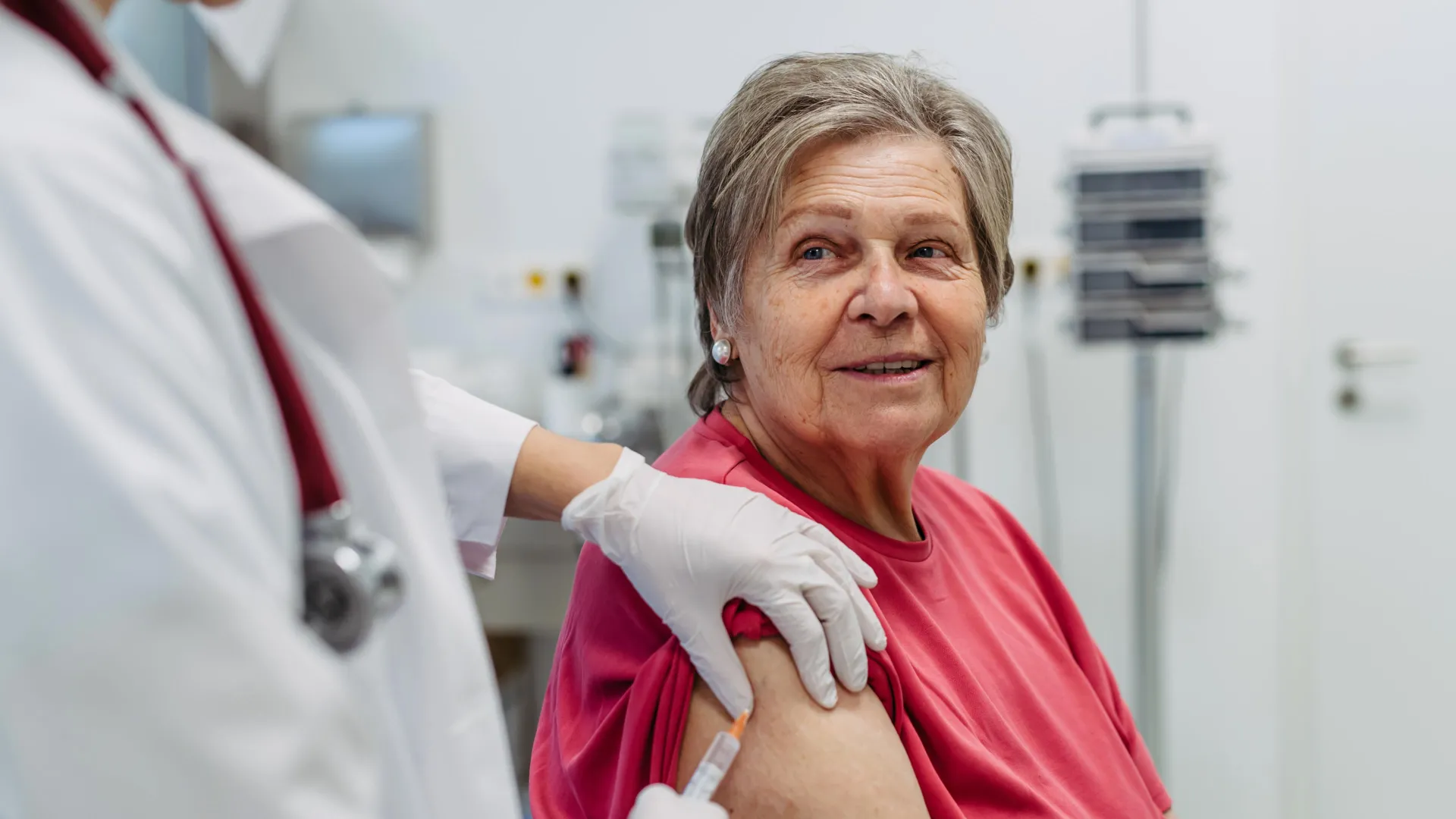
In the ongoing global battle against neurodegenerative decline, a breakthrough finding from researchers at UTHealth Houston suggests that the solution to preventing Alzheimer’s disease may not lie in a novel, experimental drug, but in a familiar annual ritual: the influenza vaccine. A landmark study published in the medical journal Neurology indicates that older adults who receive a high-dose flu vaccine experience a significantly lower risk of developing Alzheimer’s disease compared to those who receive the standard-dose formulation.
As Alzheimer’s disease continues to tighten its grip on the aging population—with over 7 million Americans currently living with the condition and projections suggesting that figure will double by 2050—this discovery offers a flicker of hope. By leveraging an existing, widely available, and safe medical intervention, the scientific community may have stumbled upon a potent, low-cost strategy to preserve cognitive health in the elderly.
The Genesis of a Discovery: An Unexpected Conversation
The path to this discovery was not a conventional laboratory hypothesis, but rather an organic, collaborative conversation. Dr. Paul Schulz, a professor of neurology at McGovern Medical School at UTHealth Houston and director of the Neurocognitive Disorders Center at UTHealth Houston Neurosciences, had previously spearheaded a 2022 study that established a link between annual flu shots and a reduced incidence of Alzheimer’s.
Following the publication of that research, Dr. Schulz was approached by local public health officials interested in the implications of his work. During a meeting to discuss the broader impact of vaccination on public health, the conversation shifted toward the nuance of vaccine delivery. The officials asked a pointed question: Did the dosage of the vaccine change the risk reduction for dementia?
"The public health department had seen our vaccine research and asked if I could come down to talk to them about it," Dr. Schulz recalled. "We went through the findings, and they asked if there was a difference with different dosages; I was confused."
Dr. Schulz admitted he was initially unaware that a high-dose variant—containing four times the antigen of a standard shot—was the preferred clinical standard for seniors. This "stunned" realization sparked the secondary investigation, transforming a casual consultation into a rigorous, data-driven analysis of nearly 200,000 patient records.
Understanding the Immunology of Aging
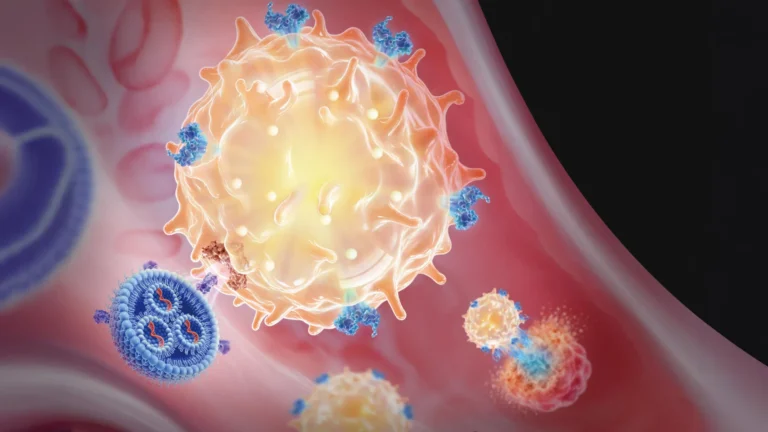
To grasp why a higher dose might offer superior protection against Alzheimer’s, one must first understand the biological reality of aging. As the human body matures, the immune system undergoes a process known as immunosenescence—a gradual decline in the ability to identify and respond to pathogens. For seniors, this makes the standard flu vaccine less effective at triggering a robust protective response.
The Centers for Disease Control and Prevention (CDC) advocates for high-dose influenza vaccines for adults aged 65 and older specifically to bridge this gap. By increasing the antigen content—the components that "train" the immune system to recognize the virus—the high-dose shot compensates for the natural blunting of the immune response in older age.
While the primary goal of this elevated dose is to prevent severe influenza infections and their associated complications, the UTHealth Houston team hypothesized that this stronger immune activation might have secondary, beneficial effects on the brain.
The Data: A Comparative Analysis
The research team conducted a massive retrospective study, analyzing the health outcomes of approximately 200,000 men and women over the age of 65. The findings were stark. While standard-dose influenza vaccination was already associated with a 40% reduction in Alzheimer’s risk, the high-dose vaccine was linked to a reduction of nearly 55%.
This data suggests a "dose-response" relationship, where a more potent immune stimulus provides a higher level of protection against cognitive decline. Perhaps most interestingly, the association was particularly pronounced among women, who showed an even greater reduction in Alzheimer’s risk when receiving the high-dose shot compared to their male counterparts.
The study utilized large-scale health informatics to cross-reference vaccination history with subsequent diagnoses of Alzheimer’s. By comparing the two groups—those who received the standard dose and those who received the high-dose formulation—the team was able to isolate the vaccine variable, providing a clear statistical signal that the strength of the vaccine matters.
Implications for Public Health and Policy
The implications of these findings are profound. If further research confirms that this is a causal link rather than merely an association, the high-dose flu vaccine could become a cornerstone of preventative neurology.
Currently, the supply of high-dose vaccines can be inconsistent, and demand sometimes outstrips availability. If these findings are validated through prospective clinical trials, public health policy may need to shift toward prioritizing the production and distribution of high-dose influenza vaccines for all seniors as a matter of long-term brain health, rather than just seasonal infection prevention.
Furthermore, the study raises critical questions about the mechanism at play. Does the vaccine reduce neuroinflammation? Does it improve systemic immune surveillance that clears out the protein aggregates associated with Alzheimer’s? Or does it simply prevent the systemic inflammatory "storms" that follow a flu infection—events that are known to accelerate cognitive decline in vulnerable individuals?
Addressing the Limitations: Association vs. Causation
Despite the excitement surrounding these results, the researchers maintain a stance of scientific caution. It is vital to distinguish between a correlation and a direct cause. It is possible, for instance, that older adults who proactively seek out the high-dose vaccine also engage in other health-conscious behaviors—such as better diet, exercise, or regular health check-ups—that contribute to a lower risk of Alzheimer’s.
"Additional research is needed to determine whether high-dose flu vaccination directly reduces the likelihood of developing Alzheimer’s and to understand the mechanisms that might explain the connection," the researchers noted in their report.
However, even as a correlation, the strength of the finding is impossible to ignore. Given that influenza infection is a known stressor for the brain, preventing that stressor with a proven vaccine is a low-risk, high-reward strategy regardless of the underlying neurobiological mechanism.
The Collaborative Engine: A Multidisciplinary Effort
This research represents a successful synthesis of clinical neurology and biomedical informatics. The study was a true multidisciplinary effort, involving a broad team of contributors.
The project was led by Dr. Paul Schulz, who also serves as a faculty member at The University of Texas MD Anderson Cancer Center UTHealth Houston Graduate School of Biomedical Sciences. The corresponding author, Dr. Avram Samuel Bukhbinder, brought clinical expertise from his role as a fellow at Massachusetts General Hospital and Harvard University.
The informatics heavy-lifting was performed by the McWilliams School of Biomedical Informatics at UTHealth Houston, led by Dr. Xiaoqian Jiang, the associate vice president for medical AI. The inclusion of experts in medical AI, health data science, and neurodegeneration ensured that the massive dataset was processed with precision, minimizing the noise that often plagues retrospective medical studies.
Looking Toward the Future
As the scientific community digests these findings, the conversation surrounding "preventative" medicine is likely to evolve. We are moving toward an era where vaccines might be viewed as tools for total-body health, not just for preventing infectious diseases.
For the millions of families touched by Alzheimer’s, this study offers a glimmer of hope rooted in existing infrastructure. It provides a tangible action—talking to a physician about the high-dose flu shot—that seniors can take today.
While we await the clinical trials that will confirm these findings, the message from UTHealth Houston is clear: the immune system and the brain are inextricably linked. By fortifying the former, we may just be safeguarding the latter. The annual flu shot, once seen as a seasonal nuisance, may eventually be recognized as one of our most effective, accessible, and life-changing tools for preserving the human mind into old age.
As we look toward 2050 and the projected rise in dementia cases, this research suggests that the path to prevention may be paved with the very vaccines we have been using for decades. The challenge now lies in confirming the science, optimizing the distribution, and ensuring that every senior has access to the highest level of protection available.