







By [Your Name/Journalistic Byline]
[City, State] – In the intricate tapestry of modern healthcare, the roles of professionals extend far beyond clinical expertise and technical skill. While physical rehabilitation, medical intervention, and diagnostic precision form the visible bedrock of patient care, an often-unacknowledged and profoundly impactful dimension quietly underpins every interaction: emotional labor. As the world navigates the lingering shadow of the COVID-19 pandemic, this silent burden, particularly for specialists like Speech-Language Pathologists (SLPs), has intensified, revealing the true cost and profound privilege of a career dedicated to healing.
Rachel Noia, MS, CCC-SLP, a Clinical Specialist in Dysphagia Education at Gaylord Specialty Healthcare in Wallingford, Connecticut, offers a searingly honest perspective on this reality. Her insights, forged in the crucible of the pandemic, illuminate the profound emotional demands placed upon healthcare workers, demands that transcend billing codes and productivity metrics. Noia’s narrative serves as a poignant reminder that while the physical recovery of patients is paramount, the emotional resilience and internal fortitude of those providing care are equally vital, yet perpetually underserved.
Main Facts: The Core of Unseen Work
At its heart, Noia’s perspective underscores a critical truth: rehabilitation is not solely about restoring physical strength, relearning motor skills, or maximizing independence. It is also, profoundly, about navigating the emotional landscapes of both patient and provider. This “emotional labor,” as Noia articulates, involves the management of one’s own feelings to present a certain outward demeanor, often one of calm, confidence, and unwavering empathy, even in the face of immense personal distress or professional uncertainty.
For Speech-Language Pathologists, this emotional demand is particularly acute. They are tasked with restoring fundamental human abilities: the capacity to communicate, to swallow, to recall memories, and to connect with loved ones. These are not mere bodily functions; they are intrinsic to identity, dignity, and quality of life. When these abilities are compromised, often by catastrophic illness or injury, SLPs encounter patients at arguably the lowest points of their lives. The emotional weight of helping a young parent relearn their child’s name or regain the ability to safely eat after weeks of intubation is immense, a responsibility Noia describes as "heavy," "profound," and "sacred."
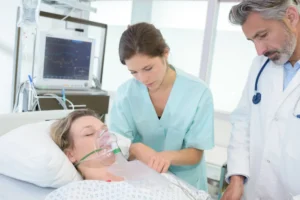
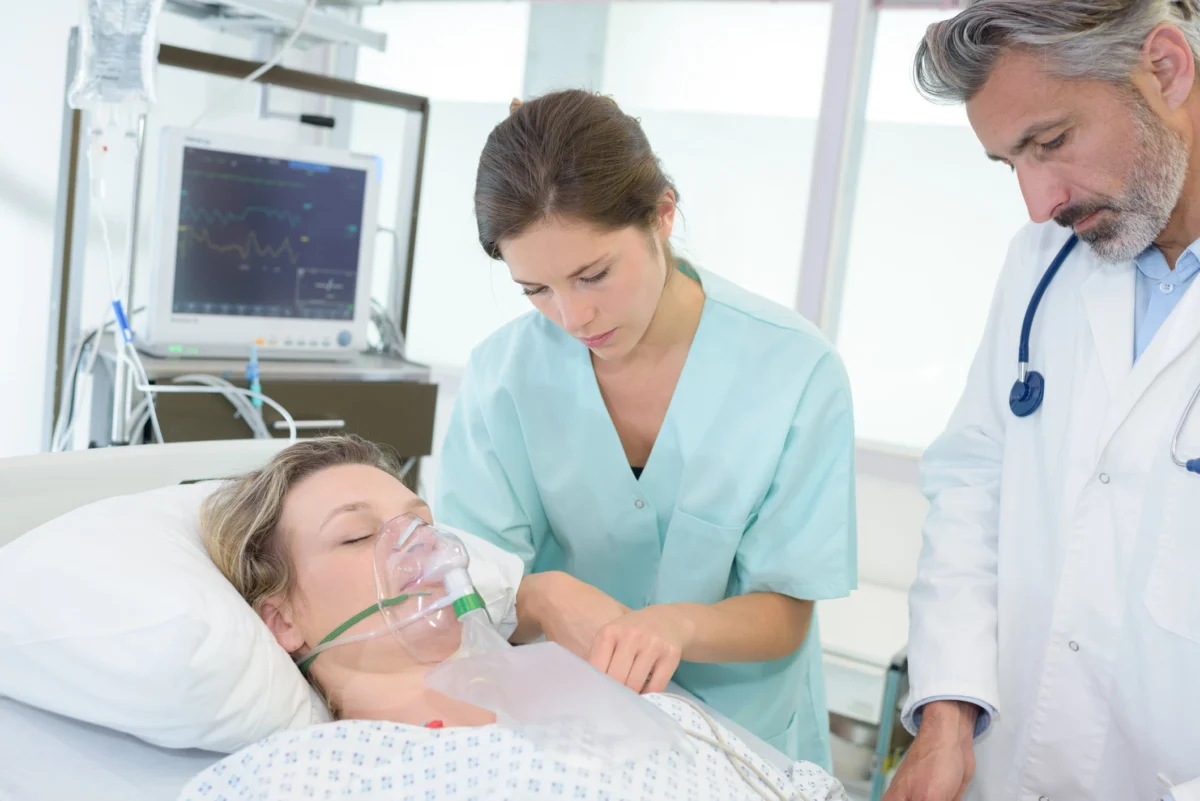
The COVID-19 pandemic amplified these challenges to unprecedented levels. Healthcare systems were overwhelmed, resources stretched thin, and professionals faced a novel, rapidly evolving, and often fatal disease. The fear of contagion, the isolation of patients, and the sheer volume of severe cases created an environment where emotional labor reached critical mass. Noia’s personal account of treating a beloved colleague, a dedicated patient care technician, ravaged by COVID-19 and dependent on a ventilator, epitomizes this era. This experience, etched "forever into my brain," encapsulates the brutal reality of the pandemic and the personal toll it exacted on those on the front lines. Her colleague, a woman devoted to her patients, was transformed into a patient herself – unresponsive, "almost melting into her hospital bed," and reliant on machines. This blurring of professional lines, where a peer becomes a patient, adds an additional, deeply personal layer to the emotional burden.
Chronology: A Journey Through Crisis and Recovery
The journey through the pandemic, as experienced by Noia and countless others, can be segmented into distinct, emotionally charged phases.
Pre-COVID Realities: Before the pandemic struck, the field of speech-language pathology already carried significant emotional weight. SLPs routinely worked with individuals recovering from strokes, traumatic brain injuries, head and neck cancers, and degenerative neurological diseases. They helped patients regain speech after laryngectomies, manage dysphagia (swallowing disorders) in critically ill individuals, and address cognitive-linguistic deficits that impaired daily functioning. The emotional demands were always present, as SLPs bore witness to profound loss and slow, often arduous, recovery processes. They were accustomed to celebrating small victories while simultaneously confronting the limitations of medical science and human resilience. However, these challenges were typically within established protocols and understood disease trajectories.
The Onset of a Global Crisis: The arrival of COVID-19 shattered this equilibrium. The virus presented an entirely new set of symptoms, complications, and treatment paradigms. Hospitals rapidly transformed, entire wings dedicated to COVID-19 patients, and healthcare workers faced an unknown enemy. For SLPs, the challenges were unique and severe. Patients on ventilators for extended periods often developed profound dysphagia, vocal cord paralysis, and cognitive impairments – the "post-intensive care syndrome." The sheer scale of intubations meant a massive increase in patients requiring swallowing assessments and therapy post-extubation. Moreover, the infectious nature of the virus meant heightened personal risk, stringent PPE requirements, and often, the inability of families to visit, leaving healthcare workers as the sole emotional support system for dying patients.
Noia’s personal anecdote unfolds within this chaotic backdrop. Her colleague, a beacon of compassion herself, fell victim to the virus. Noia describes the scene vividly: "reduced to a ventilator, unresponsive…ravaged by COVID, reduced to reliance on machines, wires, tubes to keep her alive." The internal struggle Noia faced outside the room – "Where to begin? How to begin? Checking my feelings at the door, I entered" – is a powerful testament to the emotional preparation required to engage with such profound suffering, especially when it involved someone known and respected. It was a stark moment of professional duty clashing with personal despair.
The Arduous Path to Recovery: The subsequent weeks and months were a testament to human resilience and dedicated care. For Noia’s colleague, the journey was slow and incremental. "Slowly, day by day, pieces of her regenerated and strengthened." This period involved intensive, multi-disciplinary rehabilitation. For an SLP, this would have meant meticulously working on restoring swallowing function, often starting with tiny sips of thickened liquids, progressing to purees, and eventually solids. It would have involved addressing any communication difficulties arising from prolonged intubation or neurological impact, and cognitive retraining to help re-establish memory and executive functions. The milestones were hard-won: "She liberated from a ventilator, walked again, ate, smiled, and eventually returned to her family." This "happy ending," as Noia calls it, was a beacon of hope in a dark time, but its successful achievement came at a significant, though often invisible, emotional cost to the care providers.
The Post-COVID Era and Lingering Effects: Even after the immediate crisis subsided, the "post-COVID era" continues to challenge healthcare professionals. The mental and emotional scars of the pandemic run deep. Many patients continue to present with long COVID symptoms, including cognitive fog, dysphagia, and vocal issues, requiring ongoing SLP intervention. For providers like Noia, the memory of those critical months, the fear, the uncertainty, and the profound sadness, did not simply dissipate. She reflects, "I don’t think that I truly understood until years later how much I had compartmentalized all of that fear, uncertainty, imagery, and sadness I faced while treating her." This realization underscores a central theme: emotional labor, once performed, often remains, shaping the clinician in unforeseen ways.
Supporting Data: Quantifying the Unquantifiable
While compassion lacks a billing code, its impact on both providers and patients is immeasurable and increasingly supported by robust data on healthcare worker well-being.
Defining Emotional Labor: The concept of emotional labor, first introduced by sociologist Arlie Hochschild in "The Managed Heart," refers to the process of managing feelings and expressions to fulfill the emotional requirements of a job. In healthcare, this often means suppressing personal distress, fear, or grief to project professionalism, empathy, and hope. Noia perfectly encapsulates this: "Healthcare professionals have to become experts at emotional compartmentalization." This isn’t a sign of callousness but a necessary coping mechanism to provide optimal care. "Not because we don’t feel or want to feel those emotions, but because every patient deserves 100% of our attention."
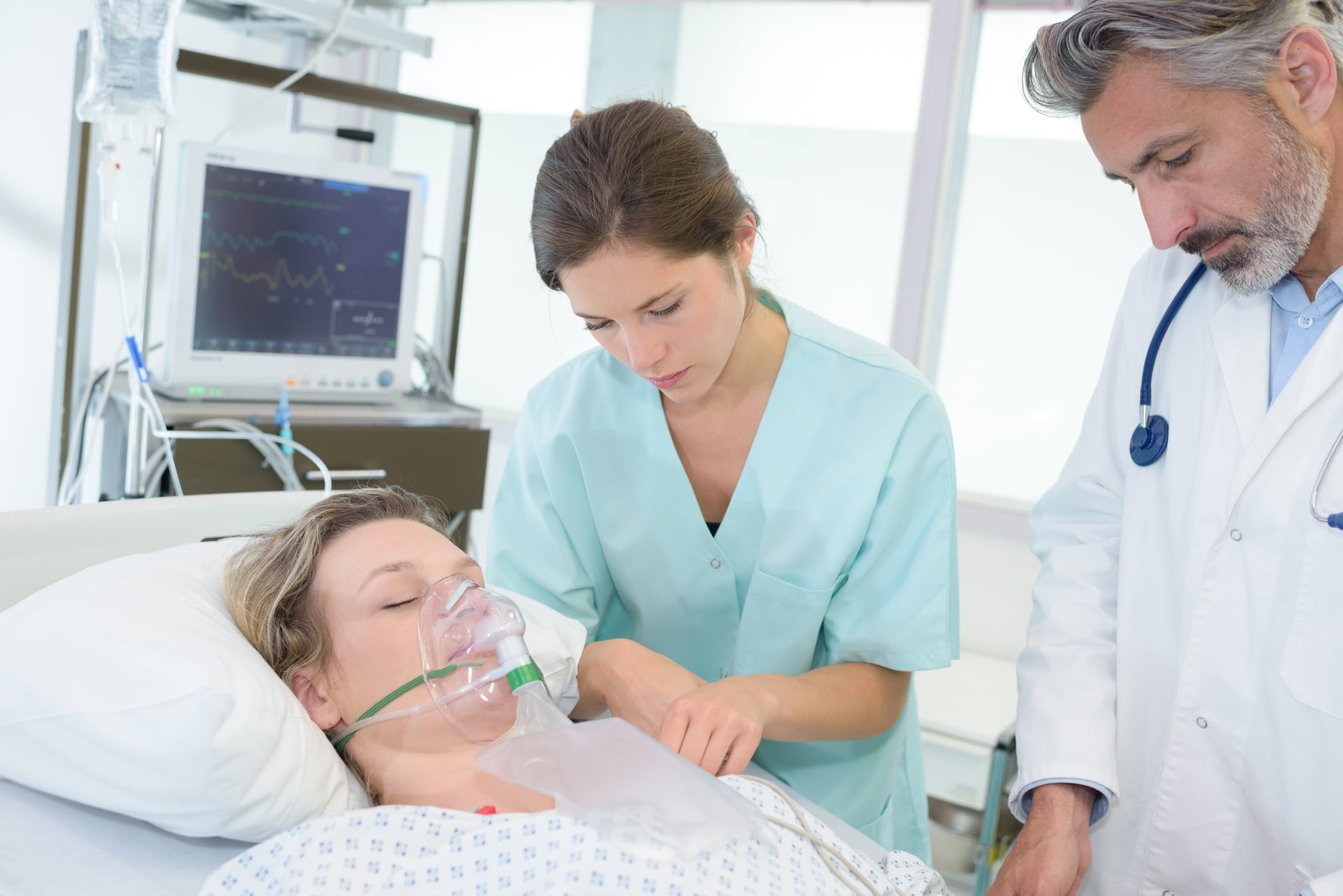
The Burnout Crisis: Studies conducted during and after the pandemic have starkly revealed the prevalence of burnout, compassion fatigue, and even post-traumatic stress disorder (PTSD) among healthcare workers. SLPs, often working in critical care settings, acute care, and long-term rehabilitation, are not immune. Data from organizations like the American Medical Association and various nursing and allied health associations indicate alarmingly high rates of mental health struggles. A 2021 study published in the Journal of Speech, Language, and Hearing Research noted increased stress and anxiety among SLPs due to COVID-19, highlighting concerns about patient safety, personal health, and workload. The constant vacillation between extreme emotions—celebrating a patient’s first successful meal just moments after comforting another who failed a swallowing exam—is a daily reality that chips away at emotional reserves.
Impact on Patient Care and Workforce Retention: Unaddressed emotional labor has cascading negative effects. Burned-out clinicians are more prone to medical errors, have reduced empathy, and experience higher rates of job dissatisfaction, leading to a significant exodus from the profession. The "Great Resignation" within healthcare is a testament to this, with many professionals leaving due to overwhelming emotional and physical demands. When professionals feel unsupported in managing their emotional load, the quality of patient care inevitably suffers, and the very compassion that defines the profession risks erosion.
Systemic Undervaluation: Noia’s assertion, "There is no productivity metric, billing code, or quality outcome that measures compassion," hits at a core systemic flaw. Healthcare systems often prioritize quantifiable metrics – patient throughput, length of stay, procedure codes – over the qualitative aspects of care. This creates an environment where the most profound and meaningful work, the human connection, the empathetic listening, and the emotional support, is rendered invisible and, consequently, undervalued. This oversight exacerbates the emotional burden, as professionals feel their deepest contributions are neither recognized nor rewarded.
Official Responses: Acknowledging the Invisible Work
Recognizing the escalating crisis of healthcare worker well-being, various professional organizations and institutions have begun to implement measures aimed at supporting their workforce.
Professional Association Initiatives: The American Speech-Language-Hearing Association (ASHA), the national professional, scientific, and credentialing association for SLPs, has issued guidelines and resources addressing clinician well-being, stress management, and ethical considerations during crises. They have encouraged members to prioritize self-care and advocated for institutional support for mental health services. Similar initiatives have been undertaken by other allied health professional bodies, highlighting the widespread nature of the problem. These efforts often include webinars, online resources, and forums for peer support, aiming to destigmatize mental health challenges within the profession.
Institutional Support Systems: Forward-thinking healthcare institutions, such as Gaylord Specialty Healthcare where Noia practices, are increasingly recognizing the need for robust internal support systems. These can range from employee assistance programs (EAPs) offering confidential counseling, to peer support groups, debriefing sessions, and resilience training programs. Some hospitals have implemented "wellness rooms" or quiet spaces for staff to decompress. The goal is to create a culture where emotional labor is acknowledged, and seeking support is encouraged, rather than seen as a weakness. Noia’s role as a Clinical Specialist in Dysphagia Education suggests an institutional commitment to high-quality, ethical care, which implicitly requires supporting the clinicians who deliver it.
Advocacy for Policy Changes: Beyond internal programs, there is a growing call for systemic policy changes. This includes advocating for improved staffing ratios to reduce individual workload, better access to mental health services for healthcare workers, and reimbursement models that better account for the time and emotional energy invested in patient care. The recognition of emotional labor needs to translate into tangible policies that protect and sustain the healthcare workforce, ensuring they have the resources and support necessary to continue their vital work without sacrificing their own well-being.
Implications: Reshaping the Future of Healthcare
The insights offered by Rachel Noia carry profound implications for the future of healthcare, influencing workforce sustainability, patient experience, and societal understanding.
Long-term Workforce Sustainability: If the emotional burden on healthcare professionals continues to be ignored or inadequately addressed, the healthcare system faces a looming crisis of workforce attrition. Experienced clinicians, unable to sustain the emotional demands, will continue to leave, exacerbating existing shortages and compromising the quality of care. Acknowledging and actively managing emotional labor is not just an ethical imperative; it is a strategic necessity for the long-term viability of the healthcare profession. This means fostering environments where the "shelf" for emotions is not just a coping mechanism, but part of a larger, supported process of emotional processing and recovery.
Enhanced Patient Experience and Outcomes: A workforce that feels emotionally supported and equipped to manage the inherent challenges of their roles is better positioned to provide compassionate, high-quality care. When clinicians are less burdened by unaddressed emotional labor, they can be more present, more empathetic, and more effective in their interactions with patients. This directly translates to improved patient experiences, better adherence to therapy, and ultimately, superior clinical outcomes. The "quiet keepers of compassion," as Noia describes SLPs, are most effective when their own well-being is prioritized.
Broader Societal Recognition: Noia’s article serves as a powerful call for broader societal recognition of the full spectrum of healthcare work. It challenges the public to look beyond the technical aspects of medicine and appreciate the profound human connection, empathy, and emotional resilience that are integral to healing. Understanding emotional labor can foster greater appreciation for healthcare workers and encourage support for policies that protect their mental and emotional health.
Evolving Role of Rehabilitation: The pandemic has underscored the critical importance of rehabilitation services, particularly for those recovering from severe illness. For SLPs, this means an evolving role in addressing not only the physical sequelae of disease (like dysphagia and communication disorders) but also the psychological and emotional impact of prolonged illness and trauma. Integrating mental health support into rehabilitation programs, and equipping SLPs with further skills to address patient anxiety and depression related to their conditions, will become increasingly vital.
The Enduring "Price and Privilege": Noia concludes with a powerful dichotomy: a career in healthcare is both "the price and the privilege." The price is the emotional load carried, the indelible experiences that "forever stay with us, mold us, and quietly shape us." It is the knowledge that some parts of that load, like the fear and sadness from treating her colleague, may never truly be put down. Yet, it is also a profound privilege to walk alongside individuals on their hardest days, to witness their resilience, and to play a part in their journey back to health and wholeness. This duality demands systemic support that honors both aspects – acknowledging the cost while enabling the continued exercise of that profound privilege.
Rachel Noia’s eloquent testimony is more than a personal reflection; it is a vital lens through which to understand the silent, strenuous work of healing in a world forever changed by crisis. It compels us to recognize, value, and proactively support the emotional labor that remains at the heart of compassionate and effective healthcare.